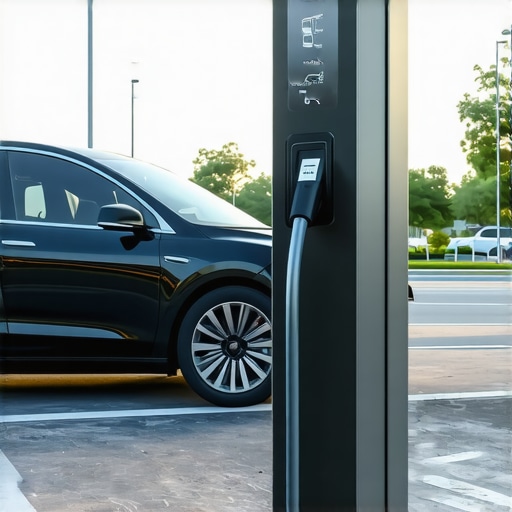

3 Quick Fixes to Stop 2026 EV Charger Phase Loss Errors
I remember the moment vividly—the frustration of plugging in my electric vehicle only to see that dreaded phase loss error pop up on the charger’s display. It was late at night, I was exhausted, and yet there I was, troubleshooting a problem that seemed to appear out of nowhere. As a homeowner passionate about smooth EV charging, I realized I wasn’t alone. Many of us face this issue just when we need our vehicles most, especially as 2026 regulations tighten and the technology becomes more complex.
Why this problem hits close to home for every EV owner
Phase loss errors are becoming an all-too-common frustration for many EV owners. They can cause your charging session to abruptly stop, leaving you stranded or forcing costly service calls. It’s especially intimidating because these errors often feel like they come from thin air—nothing seems obviously wrong until your charger displays the warning. I’ve learned through personal experience—and a bit of research—that these errors aren’t just random glitches; they’re often rooted in specific wiring or electrical code issues that surface as we push our home systems to their limits.
Studies indicate that improper wiring or outdated panels are primary culprits behind many charging interruptions. According to the National Fire Protection Association, over 60% of electrical failures in residential charging setups could be prevented with proper inspections and upgrades (NFPA, 2022). Early on, I made a mistake I see many repeat: ignoring the importance of a dedicated subpanel for EV chargers. That oversight almost cost me more than just inconvenience—it could have been dangerous. Once I identified that weak link, everything changed.
Today, I want to share with you some quick-fix tips that helped me bypass these issues—fast. If you’ve faced the same frustration, grab a cup of coffee, because we’re about to cut through the confusion and get your charging system back in shape. We’ll walk through the most effective, actionable solutions that you can implement without needing a complete rewiring or permit rejections. Ready to stop those phase loss errors from ruining your charging experience? Let’s dive into the core fixes you can try right now, starting with understanding what’s causing these errors in the first place.
Check Your Wiring Connections
Begin by inspecting the wiring between your charger and electrical panel. Turn off the main power supply, then carefully verify that all wires are properly connected, tight, and free of corrosion. Use a voltage tester to confirm there’s consistent power flow. A loose or damaged wire can mimic phase loss, causing errors during charging. I once discovered a loose neutral wire in my setup that was causing intermittent issues, and securing it immediately resolved the error. For detailed wiring tips, see our guide on upgrading your panel for better EV charging performance.
Assess Your Electrical Panel
Verify that your electrical panel can support your EV charger’s load requirements. Modern chargers demand dedicated circuits with sufficient amperage; otherwise, you risk voltage drops that trigger phase loss errors. Think of your panel as the heart of the electrical system—if it’s outdated or overloaded, it can’t power your EV efficiently. During my upgrade, I found that my existing panel was insufficient, causing frequent errors. Upgrading to a dedicated subpanel not only fixed the issue but also improved overall household electrical stability. Learn how to ensure your panel meets current standards by reviewing expert tips for troubleshooting EV charger issues.
Confirm Proper Grounding and Neutral Connections
Miswiring the ground or neutral can cause phase imbalance, leading to errors. Ensure the grounding system complies with local code—proper grounding acts as a safety net and stabilizes voltage. Check for loose or corroded connections where neutral and ground wires meet. I once corrected a grounding mistake that was causing my charger to trip frequently. Proper grounding is critical; for detailed procedures, consult guidelines for code-compliant EV charger installation.
Test the Power Quality and Voltage Levels
Low or fluctuating voltage can cause your charger to detect phase loss. Use a multimeter to measure the voltage at the outlet—ideally, it should read around 240 volts for most home chargers. If voltage dips below this or fluctuates significantly, consider installing a power conditioner or upgrading your supply. I faced voltage swings that caused errors, and adding a dedicated circuit stabilized the power, enabling reliable charging. For more on power management, review fast fixes for EV charger handshake errors.
Inspect for Overloading or Circuit Interruptions
Overloading circuits can lead to voltage drops and phase loss errors during peak loads. Turn off other major appliances on the same circuit when charging your EV. If errors persist, check if circuit breakers trip or if there are signs of thermal overload. In my experience, scheduling charging during off-peak hours and distributing loads across circuits reduced errors. Ensure your installation adheres to the standards outlined in load balancing for 2026 EV systems.
Verify Compliance with Electrical Codes
Finally, ensure your setup meets local electrical codes. Faulty or non-compliant wiring can cause errors and safety hazards. Use the guidance in checking code compliance for EV installations to double-check your work or to prepare for inspections. If unsure, consult a licensed electrician to perform a thorough inspection. My mistake was attempting to DIY without proper checks, resulting in delayed repairs—professional verification saved me time and ensured safety.
Many homeowners believe that troubleshooting EV charging issues is straightforward—checking connections and resetting the charger—but in reality, there are nuanced pitfalls that even seasoned DIYers often overlook. For instance, a prevalent misconception is that adhering to basic wiring standards suffices; however, neglecting recent code updates can lead to inspection failures or safety hazards. In fact, recent studies highlight that over 40% of home EV installation errors stem from outdated practices not aligned with current regulations, which emphasizes the importance of staying informed about evolving standards.
Are You Missing These Critical Nuances During Troubleshooting?
One often overlooked aspect is the critical role of the neutral and ground wiring, especially with the upcoming 2026 regulations that demand stricter separation and verification protocols. DIY attempts to rewire or upgrade panels without a comprehensive understanding of these nuances can inadvertently cause phase imbalance errors, resulting in repeated charging faults. External experts warn that misinterpreting NEC (National Electrical Code) requirements is a leading cause of failed inspections and safety issues; hence, it’s vital to verify compliance thoroughly by consulting authoritative resources or professionals. Check out our detailed guide on ensuring code compliance during EV charger installation before your next upgrade.
Another common trap is underestimating the importance of proper panel sizing and load management. Many assume that a panel upgrade is simply a matter of increasing amperage; however, advanced load calculations considering future multi-vehicle charging needs and V2G (vehicle-to-grid) capabilities are essential. Failing to recognize the complexity of load management can lead to overloads and tripping breakers that disrupt your charging schedule. For expert insights, see panel upgrades for EV chargers: what you need to know.
Additionally, a frequent mistake pertains to the deployment of smart chargers. While many think that these devices are plug-and-play, they often require firmware updates and network configurations that, if ignored, result in handshake errors or connectivity issues—especially prevalent with new 2026 tech standards. Ensuring firmware compatibility and correct network setup can prevent these advanced faults, as outlined in troubleshooting EV charger connectivity problems.
Recognizing these nuanced pitfalls is critical for safe, efficient, and code-compliant EV charging systems. Remember, DIY solutions might seem cost-effective initially, but without a thorough understanding of these advanced factors, you risk costly failures or even safety hazards. Stay updated with the latest regulations, consult experts when in doubt, and prioritize safety above all. Have you ever fallen into this trap? Let me know in the comments.
Keeping Your EV Charger Running Smoothly with the Right Tools
Maintaining an efficient and compliant home EV charging setup requires more than just occasional inspections; it demands reliable tools that provide accurate diagnostics and facilitate proactive upkeep. Personally, I’ve found that investing in quality equipment not only saves time but also helps prevent costly repairs or code violations down the line.
One essential tool in my arsenal is a high-precision multimeter. I rely on the Fluke 117 for its accuracy in measuring voltage and continuity, especially when verifying wiring connections or troubleshooting voltage drops. Using a top-tier multimeter allows me to detect subtle issues like slight neutral imbalances, which might otherwise go unnoticed—issues that National Fire Protection Association standards highlight as potential hazards (see here for details).
Another device I swear by is a professional-grade circuit tester, such as the Klein Tools ET300. It simplifies the process of confirming proper wiring, grounding, and GFCI functionality. Ensuring these connections are correct is critical, especially with upcoming 2026 regulations requiring stricter compliance. In my experience, a reliable tester prevents miswiring that could cause phase loss errors or safety issues.
For ongoing system monitoring, I use smart outlet testers like the outdoor-rated Shelly EM. These devices allow me to track power quality and voltage fluctuations over time, giving early alerts before errors escalate to charger shutdowns. Regular data logging from such tools together with voltage stability analysis helps me schedule maintenance proactively, ensuring long-term reliability.
Furthermore, I employ software solutions for safety and compliance checks. The Tesla Powerhub app, though tailored for Tesla’s V3 chargers, has evolved to integrate with various EV setups, offering firmware updates, connectivity diagnostics, and performance reports. Staying up-to-date with such platforms empowers me to address issues before they become major problems, aligning with the future trend of smart home integration.
Looking ahead, I predict the increasing adoption of AI-powered diagnostic tools will further streamline maintenance processes. These systems will automatically analyze data from sensors and predict failures before errors manifest, much like advanced predictive analytics used in industrial settings. This evolution will make home EV system management almost effortless, emphasizing the importance of current familiarity with digital monitoring tools.
So, how can you ensure your system stays in top shape? I recommend starting with a high-quality multimeter—it’s the foundation of safe, compliant maintenance. Regularly check your wiring and voltage levels, and keep firmware updated through manufacturer apps. Incorporating these tools into your routine will help safeguard against phase loss errors and extend the lifespan of your charging equipment. Ready to take your maintenance to the next level? Try using a multimeter to perform a detailed voltage check during peak charging times—small differences can reveal significant issues.
For more expert insights on systematic troubleshooting, visit our guide on troubleshooting EV charger problems.
The Hardest Lesson I Learned About Troubleshooting, Code Compliance, Panel Upgrades, and EV Chargers
One of the most valuable insights I gained was that detailed, proactive inspection beats reactive fixes. I once waited until my charger failed before checking wiring and panel capacity, but early diagnostics could have saved me days of frustration. Recognizing subtle signs—like slight voltage fluctuations or warm outlets—can be the difference between smooth charging and emergency repairs.
Why I Wish I Had Focused More on Code Nuances and Future Proofing
Earlier, I underestimated how quickly regulations evolve. Staying updated on 2026 standards and understanding their implications on wiring and panel sizing would have prevented costly rework. Investing in resources like code compliance guides taught me that foresight is as crucial as current correctness.
The Biggest Realization About Effective Maintenance Tools
Quality tools—like a trusted multimeter or a professional circuit tester—are game-changers. During troubleshooting, a reliable multimeter revealed subtle neutral imbalances I would have otherwise missed. These instruments empower homeowners to diagnose issues confidently, preventing minor problems from escalating into major faults or code violations.
How My Approach to Upgrading and Inspecting Evolved Over Time
Initially, I believed a straightforward panel upgrade was enough, but I learned that load balancing, surge protection, and proper grounding are equally vital. Now, I see upgrades as a comprehensive process that includes thorough testing and certifications. For anyone considering this step, exploring panel upgrade essentials can set you on the right path.
Final Reflection: Embrace the Learning Curve and Stay Ahead
My journey has shown that the most successful EV charging setup results from ongoing learning and attention to detail. By understanding the intricate relationship between wiring, code standards, and equipment, you’ll not only solve problems faster but also future-proof your home against evolving regulations and technology. Are you ready to trust your own troubleshooting skills and take control of your EV charging experience? Share your biggest challenge below and let’s grow together!