There I was, standing in my pajamas at 6:30 AM, staring at a dashboard that basically told me to go back to bed. It was eight degrees outside, and my EV was throwing a tantrum—a specific error code flashing like a warning sign that my battery was simply too cold to cooperate. I will be honest with you: my first instinct was to panic. I thought my expensive home setup had finally kicked the bucket. I even started checking if my compliance pitfalls and fixes were up to par, thinking it was a hardware failure. It was not. It was just physics.
When My Garage Turned Into a Walk-in Freezer
The reality is that these cars are more like us than we think. They do not like getting out of bed when the mercury drops below zero. Early on, I made the mistake of trying to force a charge by unplugging and plugging the handle back in repeatedly, thinking I could jumpstart the process. Spoiler alert: that is a great way to discover the hidden costs of DIY wiring or wear out your port. I did not realize that the car was actually protecting itself. Today, I am going to walk you through exactly what that battery too cold code means, why your car is actually doing you a favor by showing it, and how we can get you back on the road without waiting for spring.
Does the Cold Actually Damage the Battery Forever?
One of the biggest fears I hear from neighbors is that a single too cold error means the lithium-ion cells are permanently degraded. It is a valid concern, especially when you see how charging speed drops when it gets too cold during the winter months. But here is the kicker: the error is a safety protocol, not a death sentence. While it is true that charging a frozen battery can cause lithium plating—which does hurt longevity—your car software is specifically designed to prevent that. According to research from the Idaho National Laboratory, cold temperatures can reduce DC fast-charging rates by as much as 36 percent, which is why the car forces a slower pace or a warm-up period first.
Why Your Car Suddenly Acts Like a Grumpy Teenager in Winter
When that error pops up, your car is essentially saying, “I am not touching that electricity until I have had my coffee.” If you have noticed why your charging cable gets stiff in the winter, you already know the physical struggle of cold-weather charging. The chemical reactions inside the battery slow down to a crawl. If the car allowed a high-amperage flow from your level 2 charger setup into a frozen cell, it could cause internal damage. Have you ever walked out to your garage and found your charger non-responsive because of a sudden cold snap? You are definitely not alone in that frustration. We need to look at how to use pre-conditioning and why sometimes, preventing a tripped breaker in winter is actually about thermal management rather than just load.
Force the Heat Before You Hit the Road
Most people think the ‘battery too cold’ warning means they need to wait for the sun to come up before they can move. In reality, you have a remote control for your battery’s internal temperature right in your pocket. You need to use the pre-conditioning feature at least 30 to 45 minutes before you plan to leave. Think of it like pre-heating an oven; you wouldn’t toss a frozen pizza into a cold range and expect a perfect crust. When you activate pre-conditioning via your app, the car draws energy to run an internal heater that warms the liquid coolant surrounding the battery cells. I found out the hard way during a sub-zero week in January that if I didn’t set my departure time, my car would spend the first 20 minutes of my commute just trying to reach an efficient operating temperature, effectively cutting my usable range in half.
Keep the Cord Connected to Save Your Range
One of the simplest tricks I learned during that brutal winter stretch was to never leave the car unplugged, even if the battery is already at 90 percent. When your car is plugged into a properly installed level 2 charger, it can draw power directly from your home’s electrical grid to maintain that vital battery warmth. If it is unplugged, the car has to ‘eat its own tail’ by using the battery’s stored energy to keep the cells from freezing. This constant drain is why you might wake up to a lower percentage than you had the night before. 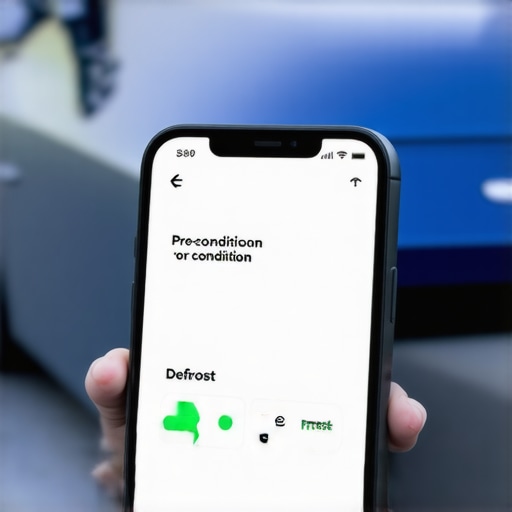
Check for Hidden Voltage Drops in Your Wiring
If your car is still struggling to charge even after you have started pre-conditioning, the issue might be hidden inside your garage walls. Cold weather naturally increases resistance in electrical circuits. If your installer took shortcuts, you might be suffering from the voltage drop secret that is ruining your morning charge. I once helped a friend troubleshoot a station that kept throwing communication errors at 2 AM. It turned out the wire run was nearly 100 feet long and the gauge was just slightly too small for the peak load. In the summer, it barely passed, but the winter chill pushed the resistance over the edge, causing the charger to throttle down to a crawl. This is exactly why thinner wire is costing you miles every night.
Upgrade Your Panel Before the Next Blizzard
Last winter, my own setup failed because I was trying to squeeze a level 2 charger onto a 60-amp service without a proper load calculation. The moment the house’s heat pump kicked into high gear alongside the car’s thermal management system, the breaker simply could not handle the sustained draw. If you are seeing frequent resets or the car refusing to ramp up its speed, check if you have the specific breaker brand that keeps tripping during fast charging. Before you assume the car is broken, run through some ev charger troubleshooting expert tips for common issues to see if your hardware is just overwhelmed by the cold. Upgrading a weak breaker or installing a dedicated subpanel isn’t just about luxury; it’s about making sure your car has the electrical headroom to warm itself up and charge simultaneously without a safety shutdown. I learned that lesson after making the wire gauge mistake that fails 40 percent of inspections, and fixing it made my winter mornings significantly less stressful.I’ve heard so many DIYers complain that local codes are just red tape. In reality, meeting those standards is the only thing keeping your house from becoming a statistic. Take torque settings, for example. Most people just crank the screw until it feels tight. That is a massive mistake. If you do not use a calibrated tool, you are likely ignoring the forgotten torque test that prevents panel fires. The National Electrical Code (NEC) Section 110.14(D) actually mandates the use of a torque tool because thermal expansion in EV circuits is far more intense than your average household appliance. 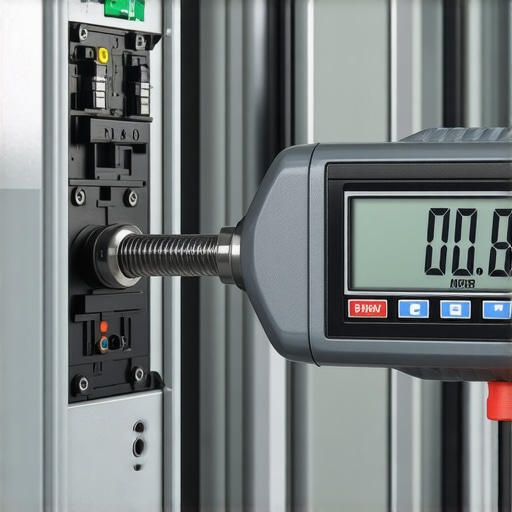
Stop Trusting Your Gut on Terminal Tightness
Another trap is the universal breaker myth. I see people grab whatever 50-amp breaker fits the physical slot in their box, but the specific breaker brands that hate constant EV loads will start nuisance tripping within months. These breakers are not necessarily broken; they are just not designed for the thermal stress of a continuous 80 percent load over eight hours. It is an expensive lesson in ev charger troubleshooting expert tips for common issues when you have to pay a pro to come back and swap a twenty-dollar part that should have been vetted the first time.
Can You Get Level 2 Speeds Without a $3,000 Panel Upgrade?
Most people believe a 200-amp service is mandatory for a modern EV. I disagree. While upgrading your panel for better EV charging performance is the ideal path, it is not always the only way. You can often use smart load-management devices to prioritize your HVAC and electric range, allowing the car to pull high power only when the house is quiet. This is one of the smartest panel upgrade strategies to meet EV charging code requirements in 2025 without the massive expense of digging a new utility trench. Before you start pulling wires, make sure you know how to verify code compliance for your EV charger installation. It is not just about passing the inspection; it is about peace of mind when you are asleep and that battery is drawing massive current six feet from your bedroom. Have you ever fallen into this trap or had an inspector fail you for something that seemed tiny? Let me know in the comments.
I’ve learned the hard way that the ‘set it and forget it’ mentality is a recipe for a 3 AM emergency call. Most homeowners think that once the inspector leaves, their job is done. But an EV charger is likely the highest continuous load your home will ever see, running for eight hours or more at a time. This kind of sustained stress changes things. I’ve started doing a ‘thermal audit’ every six months, and honestly, it has saved my garage from at least one major meltdown. I’m not just talking about looking for smoke; I’m talking about being proactive about ensuring code compliance when installing EV chargers even years after the initial permit was signed off.
Stop Guessing if Your Panel is Overheating
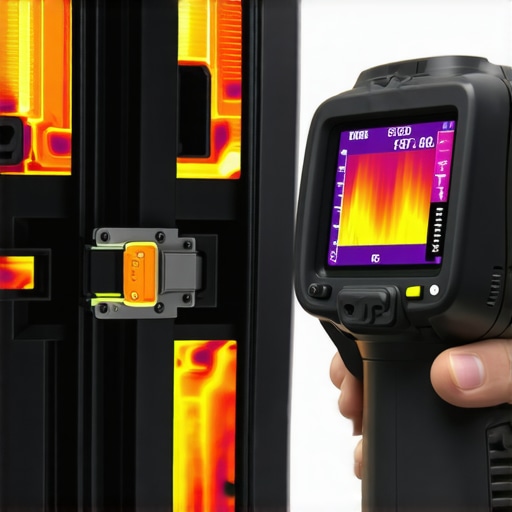
The best $30 I ever spent wasn’t on a fancy charging cable; it was on a simple handheld infrared thermometer. Every few months, while my car is halfway through a heavy session, I open the panel door and scan the breakers. If you see a specific breaker running significantly hotter than the others, you are looking at a looming failure. This is often how you catch 3 small mistakes that turn your garage panel into a fire hazard before they actually spark. According to the specialized white papers by the Electric Power Research Institute (EPRI), persistent thermal cycling in high-amperage residential circuits is one of the primary drivers for terminal degradation. When wires heat up and cool down daily, they can actually ‘walk’ out of their terminals over time.
The One Tool That Actually Saves Your House From a Melted Breaker
If you want to be serious about maintenance, you need a calibrated torque screwdriver. I know, it sounds like overkill, but remember NEC 110.14(D). Every year, I kill the main power and give my charger’s terminal screws a tiny nudge to ensure they haven’t vibrated loose. Loose connections create resistance, and resistance creates heat. If you’ve ever had to deal with how to fix a ground fault error on your home station, half the time it’s just a slightly loose wire messing with the sensor’s logic. Staying on top of this prevents you from needing ev charger troubleshooting expert tips for common issues when you are trying to leave for work on a Monday morning.
How do I keep my charging setup running flawlessly for years?
Beyond the wiring, you need to look at the physical hardware. I always suggest people learn how to clean your charger ports without damaging them. Dust, spider webs, and slight corrosion from humidity can cause the handle to overheat or fail to ‘handshake’ with the car. I also keep an eye on my software. If why your smart charger lost its wi-fi connection again is a recurring theme in your house, you might miss out on critical firmware updates that manage battery thermal safety. I recommend setting a calendar reminder to check for app updates and physically inspect the charging handle for any signs of pitting or discoloration on the copper pins.
Get Ready for the Bi-Directional Charging Revolution
Looking ahead, the next five years are going to change everything. We are moving toward Vehicle-to-Home (V2H) technology where your car acts as a backup battery for your house. This means your panel won’t just be sending power to the car; it will be receiving it back. This is why panel upgrade strategies to meet EV charging code requirements in 2025 are already focusing on heavy-duty busbars and smart energy management. We are moving toward the smart way to schedule charging without overloading your service, where AI manages the load. If you haven’t already, I strongly suggest you grab an infrared thermometer this weekend and scan your panel while the car is charging—it is the easiest way to spot a problem before it spots you. If you see anything over 140°F (60°C) on a breaker, it’s time to call in a pro.
The One Cold Truth About Battery Safety I Learned the Hard Way
After years of tinkering, I realized that the “Battery Too Cold” message is actually your vehicle’s way of protecting your biggest investment. It isn’t a failure of the car, but often a sign that the electrical environment isn’t providing the thermal support needed. One major lightbulb moment for me was discovering how much ensuring code compliance when installing EV chargers impacts winter reliability. If your ground isn’t perfect, the car’s sensors might get jittery in high-resistance cold weather. I’ve seen many owners struggle with the grounding fail that ruins EV permits because they didn’t realize how much moisture and frost affect electrical paths.
- Thermal management is a two-way street between the car and your house.
- A too cold error is a blessing that prevents fifteen thousand dollar battery replacements.
- Properly sized circuits prevent the voltage sag that keeps batteries frozen.
#IMAGE_PLACEHOLDER_E#
My Essential Winter EV Toolkit for Peace of Mind
You don’t need a degree in electrical engineering to keep your car happy, but a few specific tools make all the difference. I personally trust a high-quality infrared thermometer to check my panel every December. I also keep a copy of the code compliance essentials for EV charger installations in 2025 bookmarked to ensure I’m ahead of the curve. Finally, I always check my utility’s website for rebates; many people miss out because of the rebate paperwork mistake that costs homeowners $500, and that extra cash can fund a much-needed subpanel upgrade.
Conquer the Frost and Power Up Your Future
Winter doesn’t have to be a source of range anxiety. By taking the time to audit your home’s electrical health and understanding the physics of your battery, you turn a frustrating error code into a simple morning routine. Remember, ensuring code compliance when installing EV chargers is the ultimate foundation for a stress-free winter commute. Don’t be afraid to take the leap into a more robust home setup; the peace of mind is worth every penny when the mercury drops. Have you ever had your EV refuse to charge on a particularly freezing morning? Let me know your story in the comments below!