It was 11 PM on a Tuesday, raining sideways, and I just wanted to plug in my car so I could make it to my 8 AM meeting. Instead of the satisfying ‘clunk’ of the contactor, I saw that dreaded red ring. The ‘Ground Fault’ error. My heart sank. I stood there in the garage, damp and annoyed, wondering if my house’s wiring was finally giving up the ghost. I had spent years telling neighbors that Level 2 charging was a breeze, and here I was, humbled by a blinking light. Today, I’m going to show you how to tackle this head-on, because while it looks like a disaster, it is usually a problem we can solve with a bit of methodical [internal link: ev-charger-troubleshooting-expert-tips-for-common-issues].
That Red Blinking Light Doesn’t Mean Your Charger Is Dead
Most of us see a ‘Ground Fault’ and think our expensive charging station just turned into a wall-mounted paperweight. It’s a gut-punch. But here is the truth: that error is actually your charger doing its job perfectly. It’s sensing that electricity isn’t staying in its lane. I learned the hard way that fixing a fault is more about patience than it is about buying new hardware. In my early days, I made the classic rookie mistake of thinking a ‘reset’ was a ‘fix.’ I’d flip the breaker, the light would turn green, and I’d walk away feeling like a genius. Three hours later, the car would stop charging, and I’d be back to square one. According to the Electrical Safety Foundation International, ground faults are a leading cause of residential electrical hazards, so ignoring that light is like ignoring a smoke detector. We are going to dig into why this happens, whether it’s a [internal link: why-your-outdoor-charger-needs-a-specific-type-of-gfci] or a more complex [internal link: how-to-fix-the-grounding-fail-that-ruins-ev-permits].
Will Fixing This Require Ripping Out My Drywall?
That’s the big fear, right? You’re worried an electrician is going to show up with a sledgehammer and a massive estimate. I’ve been there, staring at my garage wall, imagining the mess. The good news is that many ground faults are actually external to the wiring inside your walls. Sometimes it’s a simple [internal link: the-grounding-rod-mistake-that-voids-your-ev-warranty] or even just a bit of moisture where it shouldn’t be. I remember when I first installed my unit; I didn’t pay enough attention to the weatherproofing, and a little bit of morning dew was enough to trigger a fault. Have you ever walked out to your garage only to find your car didn’t charge a single mile because of a ‘nuisance’ trip? It’s the ultimate morning-ruiner. Let’s make sure it’s the last time it happens to you by checking the most common culprits first.
Isolate the Problem Before Buying New Parts
The first thing you need to do is figure out if the ‘culprit’ is your car, the charging cable, or the electrical panel itself. Think of it like a faulty toaster: if the kitchen breaker trips, you don’t immediately rewire the house; you try the toaster in a different outlet first. Start by unplugging the car and resetting the charger. If the red light stays off while the cable is just hanging there, the issue likely lies in the connection to the vehicle or the handle itself. If the fault triggers the moment you power it on—even without the car attached—you are looking at an internal hardware failure or a wiring issue in the wall. This simple ev-charger-troubleshooting-expert-tips-for-common-issues can save you a $200 service call just to find out your plug wasn’t seated correctly.
Check Those Lugs for Thermal Creep
One of the most overlooked causes of a ground fault is ‘thermal creep.’ Electricity generates heat, and heat causes metal to expand and contract. Over hundreds of charging sessions, the copper wires inside your terminal blocks can actually wiggle themselves loose. I once spent an entire Saturday afternoon helping a friend who swore his charger was fried. We spent two hours tracing wires only to find that the neutral wire had backed out just a fraction of a millimeter. Every time the charger tried to pull 40 amps, the vibration and heat caused a micro-arc that the charger interpreted as a ground fault. We used the-specific-torque-wrench-settings-for-a-wall-connector to snug everything back down, and the red light vanished instantly. It is a reminder that the-forgotten-torque-test-that-prevents-panel-fires isn’t just about safety; it’s about keeping your car charging reliably every night.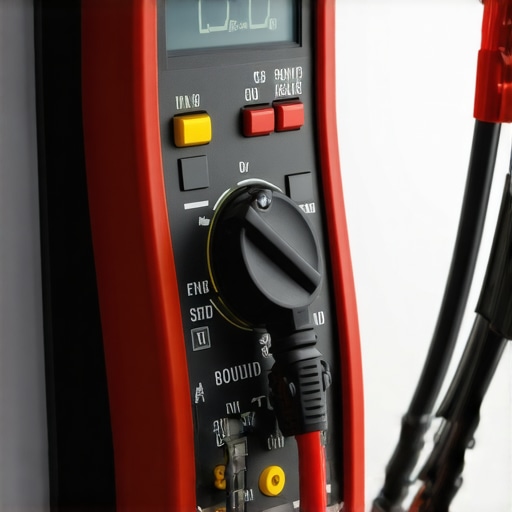
Did Moisture Sneak into Your Outdoor Setup?
If your charger is mounted outside, humidity is your number one enemy. Standard electrical boxes are water-resistant, but they aren’t always ‘mist-proof.’ I’ve seen cases where a heavy thunderstorm pushed moisture into the conduit, which then sat at the bottom of the charger housing. The sensor detects that tiny bit of conductivity between the hot wire and the casing and shuts everything down to prevent you from getting a shock. You should look for 6-ways-to-stop-nuisance-tripping-during-high-humidity-charging, such as using dielectric grease or improving the seal on your how-to-use-a-liquid-tight-conduit-for-outdoor-charger-exposed-runs. If you see even a hint of green corrosion on the copper, you’ve found your ghost.
Verify Your Grounding Path to Avoid Permit Headaches
Sometimes the fault isn’t in the box at all, but six feet underground. If your home has an older electrical system, your grounding rod might be degraded or non-existent. Modern EV chargers are incredibly sensitive to ‘noisy’ grounds. When I was prepping for my own home inspection, I realized my charger was throwing errors because the ground wire was sharing a path with a noisy pool pump. To fix this, you often have to look at why-your-panel-upgrade-might-require-a-new-ground-rod. Ensuring your system is up to date isn’t just for the charger’s sake; it’s how you how-to-verify-code-compliance-for-your-ev-charger-installation and ensure that a simple charging session doesn’t turn into a liability. If your panel is ancient, you might be dealing with 5-signs-your-old-electrical-panel-is-a-charging-bottleneck, which often manifests as these annoying intermittent faults.
Stop Assuming Your Spare Breaker Slot Equals Ready Capacity
Everyone tells you that if you have an open slot in your electrical panel, you’re ready for a Level 2 charger. In my experience, that is one of the most dangerous myths in the EV world. Just because there is physical space for a breaker doesn’t mean your home’s ‘electrical budget’ can handle the load. I’ve walked into garages where the homeowner was baffled by constant ground faults, only to discover that their 200-amp service was already being redlined by a pool heater and dual AC units. When the charger kicks in, the voltage drops, the heat rises, and the system throws a fault as a cry for help. Before you assume the hardware is broken, you need to understand panel-upgrades-for-ev-chargers-what-you-need-to-know. Adding a massive load without a proper calculation is how you end up with 3-small-mistakes-that-turn-your-garage-panel-into-a-fire-hazard. According to data from the National Fire Protection Association (NFPA), nearly half of all home electrical fires involve distribution equipment, and adding a continuous 40-amp draw to an aging system is a variable most DIYers ignore.
Why Hardwiring Always Beats the NEMA 14-50 Plug
Here is the ‘oops’ factor that ruins most weekend installs: the cheap outlet trap. If you bought a $15 NEMA 14-50 outlet at a big-box store, you have essentially installed a ticking clock in your garage. Those outlets are designed for ranges that run for 30 minutes at a time, not an EV that pulls max current for 10 hours straight. The heat buildup causes the plastic to soften, which leads to arcing and—you guessed it—intermittent ground faults. This is what-your-electrician-didnt-tell-you-about-fast-home-charging. I always push my clients toward the-critical-difference-between-hardwired-and-plug-in-chargers because a hardwired connection eliminates the plug-and-socket failure point entirely. If you must use a plug, you need an industrial-grade receptacle, or you’re just asking for a service call. 
How Can I Tell if My Local Grid Is the Real Problem?
Sometimes you can do everything perfectly—the torque is right, the wire gauge is heavy, and the charger is brand new—and you still see that red light. This is where we look at ‘Power Quality.’ If your neighborhood is seeing high utility demand, the incoming voltage can sag. Some sensitive chargers interpret this voltage instability as a ground fault because the reference to ground becomes ‘noisy.’ You’ll need to look into panel-upgrade-strategies-to-meet-ev-charging-code-requirements-in-2025 to see if a more robust grounding system or a dedicated subpanel can isolate your car from the rest of the house’s electrical noise. It’s a deeper level of troubleshooting, but it’s the only way to how-to-verify-code-compliance-for-your-ev-charger-installation when the problem is coming from outside your walls. Have you ever fallen into this trap where everything looked right but still failed? Let me know in the comments.
A Pro Tool That Saves My Sanity
I’ve realized over the years that the best tool in my bag isn’t a screwdriver—it’s a thermal imaging camera. If you’re serious about long-term reliability, you need to see the heat before it becomes a hazard. I use a FLIR pocket camera once every six months to scan my electrical panel and the charger housing while the car is pulling a full 48 amps. If I see a glowing bright spot at a breaker connection, I know I’m looking at a loose lug or 5-signs-your-main-breaker-is-overwhelmed-by-a-new-level-2-charger. This isn’t just for professionals; being able to visualize the load helps you spot 3-signs-your-main-lug-is-loose-and-causing-power-flickers before they turn into a permanent hardware failure. It’s the difference between a five-minute fix and a $1,000 emergency repair.
How can I keep my EV charger running like new for years?
Maintenance for an EV charger isn’t nearly as intense as an oil change, but ignoring it is a recipe for a ‘Ground Fault’ comeback. First, I always tell people to perform a ‘torque audit’ every year. Grab a torque wrench and verify those connections haven’t succumbed to thermal expansion. If you aren’t sure of the numbers, check the-specific-torque-wrench-settings-for-a-wall-connector to ensure you aren’t over-tightening and stripping the threads. Second, take a look at the pins in the charging handle. Dust, spider webs, and even tiny bits of corrosion can increase resistance. I use a can of compressed air and a specialized contact cleaner to how-to-clean-your-charger-ports-without-damaging-them. This simple habit prevents that annoying sticky feeling and ensures the car and charger can ‘talk’ to each other without signal interference. 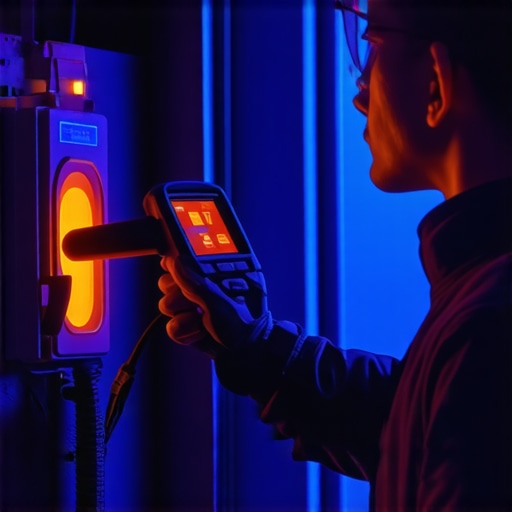
Prepare Your System for the Bidirectional Future
The world of home charging is shifting from just ‘filling the tank’ to ‘powering the house.’ We are moving toward a future where your car is a massive mobile power bank. If you are already looking at upgrading-your-panel-for-better-ev-charging-performance, you should be asking your electrician about bidirectional readiness. According to the 2023 NEC Section 625.42(B), systems must now account for adjustable settings for overcurrent protection, which is the first step toward how-to-use-your-ev-as-a-backup-home-battery-safely. If you build your system with tomorrow’s load management in mind, you won’t have to rip it all out when you buy your next EV. I’ve seen homeowners save thousands by simply planning for a future subpanel today instead of trying to squeeze more into an overstuffed main box. If your current setup feels like a puzzle, it might be time to look into panel-upgrades-for-ev-chargers-what-you-need-to-know. My advice? Grab a can of contact cleaner this weekend and give your charger’s handle a quick inspection—it’s the easiest way to prevent a charging failure before it starts.
Three Hard Truths About Living With a Level 2 Charger
Over the years, I’ve learned that a ‘Ground Fault’ isn’t a death sentence for your hardware—it’s actually a safety feature doing its job. The hardest lesson I had to swallow was that my DIY shortcuts were the primary cause of my charging headaches. I once ignored a slight hum in my panel, only to find that heat expansion had loosened my connections over time. Now, I swear by a yearly the-forgotten-torque-test-that-prevents-panel-fires to ensure everything stays snug and safe. Another lightbulb moment was realizing that ‘open slots’ in a breaker box are deceptive; you must calculate your actual load capacity before adding a continuous 40-amp draw, or you risk 3-small-mistakes-that-turn-your-garage-panel-into-a-fire-hazard. Finally, don’t underestimate the environment—even a tiny amount of dust or moisture in the handle can trigger a fault, so keeping things clean is half the battle.
My Essential Toolkit for a Fault-Free Garage
To keep your system running without those annoying midnight interruptions, I recommend a few specific resources. First, always verify that any replacement parts carry a legitimate safety mark by learning 3-ways-to-spot-a-fake-ul-listing-on-a-cheap-charger. I also suggest keeping a high-quality contact cleaner on hand to how-to-clean-your-charger-ports-without-damaging-them, which prevents the resistance buildup that leads to heat faults. For those who want to be proactive, a basic thermal imaging camera is a game-changer; it allows you to how-to-detect-a-loose-neutral-wire-before-your-electronics-fry by visualizing hot spots before they trip your breaker. These tools have saved me thousands in emergency electrician visits.
Step Into the Future of Home Energy
Transitioning to electric driving is a major shift in how you interact with your home’s infrastructure. By taking the time to understand EV charger maintenance and troubleshooting, you are moving from a passive consumer to an empowered homeowner. Whether you are currently upgrading-your-panel-for-better-ev-charging-performance or just trying to get through a rainy Tuesday night charge, remember that patience and methodical checking will always win. You have the power to make your garage the most efficient part of your home. Have you ever dealt with a persistent ground fault that seemed to have no obvious cause? Let me know your experience in the comments below!