I remember the exact moment I realized I was being penny wise and pound foolish. I had just pulled into my garage after a long day, plugged in my EV with a bargain-bin cable I’d snagged for forty bucks online, and headed inside with a smug grin. The next morning, my car was sitting at a pathetic 65% charge despite being plugged in for ten hours. When I reached for the handle, it wasn’t just warm; it felt like a heating pad on the high setting. That’s when the lightbulb went off: I wasn’t just charging slowly; I was paying for electricity that was turning into waste heat in my garage instead of actual miles on the road. It was a classic case of 3 hidden costs of cheap internet-bought chargers coming to life in the worst way possible.[IMAGE_PLACEHOLDER]
Stop Letting Heat Steal Your Range Every Night
The truth is, most of us don’t spend a lot of time thinking about the physics hidden inside that thick rubber cord. We see a plug and we assume it works. But early in my EV journey, I made the amateur mistake of ignoring wire gauge and internal resistance. If the internal copper is too thin or the alloy is poor quality, the resistance goes through the roof. This is exactly why thinner wire is costing you miles every night. You’re essentially trying to push a fire hose worth of water through a cocktail straw. Not only does it take forever, but the friction generates heat that can eventually melt components. Today, I’m going to show you how to spot these hidden power drains and why investing in the right hardware—and ensuring your home can actually handle the load—is the only way to stop the bleeding in your wallet. It might even mean looking into the difference between a 500 and 1500 charger install to see where the real quality lies.
Is a High-End Cable Just a Marketing Scam?
I get the skepticism. You see a high price tag on a name-brand cable and you want to roll your eyes. You might be wondering if it’s all just fancy packaging and marketing fluff. But it’s really about the physical integrity of the connection points. Think of your home’s electrical system as a series of pipes. If you try to force a massive volume of water through a leaky, narrow pipe, you’re going to lose pressure and probably cause a flood. In the electrical world, that ‘pressure’ is your voltage, and the ‘leak’ is the heat dissipating into your walls.
Copper Doesn’t Lie When the Amps Start Flowing
I learned this the hard way while helping a buddy install a generic ‘Stage 2’ unit he bought on a whim. We thought we’d save time by reusing some older, thinner wiring he had tucked away. Within twenty minutes of the first session, the conduit was literally buzzing. We were fighting the voltage drop secret thats ruining your morning charge, which basically means his car was receiving significantly less power than the panel was pushing out. If you see your charging speed dip after the first half hour, it’s rarely a software glitch; it is almost always why thinner wire is costing you miles every night. High-quality cables use pure copper with a thicker cross-section to keep resistance low and efficiency high.
Does Your Service Panel Have Enough Room for the Extra Load?
Before you even pick up a screwdriver, you have to look at the heart of the operation. Most older homes were built for a toaster and a fridge, not a vehicle that draws as much current as two central AC units combined. You need to look for 5 signs your old electrical panel is a charging bottleneck. I once walked into a garage where the owner complained of a faint ‘seafood’ scent every time he charged. It wasn’t dinner; it was the plastic insulation on his breakers melting because the bus bar couldn’t handle the continuous draw. This is one of the primary 5 reasons your electrical panel smells like fish and a massive red flag that you need a professional load calculation.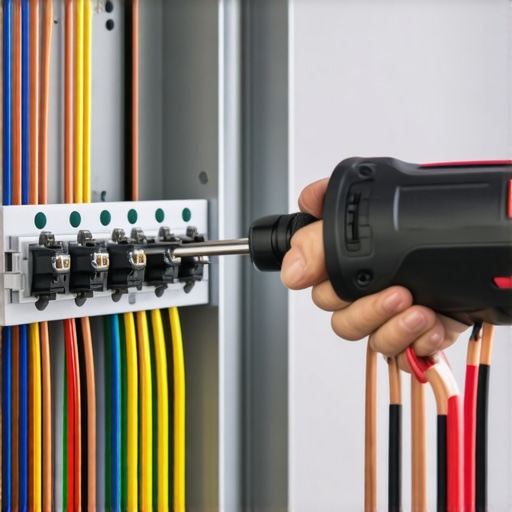
The Mechanical Details That Prevent Garage Fires
Precision matters more than you think. When you’re dealing with 40 or 50 amps of continuous load, a ‘tight enough’ connection isn’t good enough. I always carry a calibrated torque wrench because even a quarter-turn of looseness creates a micro-gap. That gap leads to arcing, which leads to fire. You must follow the specific torque wrench settings for a wall connector to ensure the lugs are seated perfectly. Skipping this is how you end up with a charred wall. Don’t forget the forgotten torque test that prevents panel fires during your six-month maintenance check.
Stay on the Right Side of the Inspector
If you’re DIY-ing or hiring a ‘handyman,’ you’re likely going to miss the nuances that local codes require for 2025. For example, did you know that the radius of your conduit bends can actually impact heat buildup and wire stress? This is why your local inspector cares about conduit bending radius. Beyond just the physical install, you need to know how to verify code compliance for your ev charger installation to protect your home insurance. A failed inspection isn’t just a headache; it’s a legal liability that can haunt you when you try to sell your home. Look into panel upgrades for ev chargers what you need to know to ensure your system is robust enough to meet these evolving safety standards without tripping your main breaker every time the dryer turns on.
Let’s dig deeper into a nuance that most people—and even some general contractors—completely overlook. There is a common belief that if you have a 200-amp service, you are automatically ‘safe’ to add any charger you want. In my experience, this is a dangerous oversimplification. Total capacity is only half the battle; the real issue is the continuous load rating of your specific equipment. According to the National Electrical Code (NEC), an EV charger is categorized as a continuous load because it can pull maximum current for three hours or more. This places a unique stress on your system that a toaster or a vacuum never will.
Why Your 200-Amp Panel Might Still Fail the EV Test
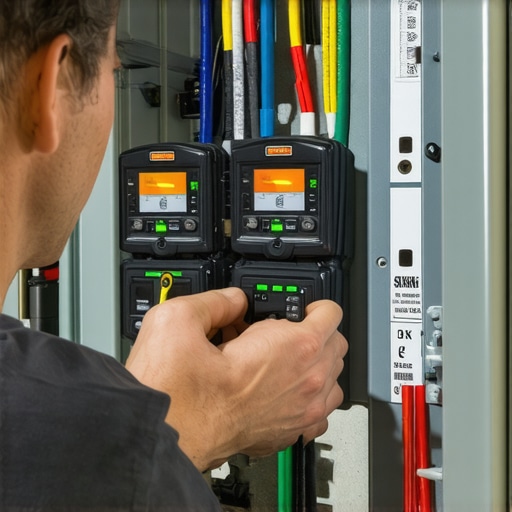
It is not just about the number on your main breaker; it is about the physical space and heat dissipation within the box. You need to investigate panel upgrade strategies to meet ev charging code requirements in 2025 to understand how modern standards differ from those of even five years ago. I’ve seen 200-amp panels so crammed with tandem breakers that there is zero airflow. When you’re pushing 48 amps through a circuit for eight hours straight, that trapped heat can cause the entire bus bar to expand and contract, eventually loosening every connection in the panel. This is exactly how upgrading your panel for better ev charging performance becomes less about power and more about longevity.
The Specific Breaker Trap That Most DIYers Fall Into
Here is an ‘oops’ factor that haunts many homeowners: the ‘compatible’ breaker. You go to the hardware store and buy a breaker that ‘fits’ your panel’s slot, but it isn’t the same brand. While it might snap in, the tension between the breaker clip and the bus bar is often off by fractions of a millimeter. Under a light load, you won’t notice. Under a continuous EV load, that tiny gap creates micro-arcing. You should check the specific breaker brands that hate constant ev loads before you trust a generic part with your car’s safety. If the metal doesn’t match perfectly, you are basically inviting a slow-motion fire into your garage.
Why Does My 48-Amp Charger Only Pull 32 Amps After an Hour?
If you notice your charging speed dropping mid-session, you’re likely dealing with thermal throttling. Many modern chargers have internal sensors that detect heat buildup at the terminal block. When things get too hot, the charger’s firmware automatically dials back the amperage to prevent a meltdown. This is one of the more frustrating ev charger troubleshooting expert tips for common issues because it indicates a physical hardware problem, not a software bug. Usually, it means ensuring code compliance when installing ev chargers was missed during the initial setup, specifically regarding the torque of the lugs or the gauge of the wire. Have you ever noticed your charging speeds mysteriously slowing down at night? Let me know in the comments, and we can figure out if your panel is the bottleneck.
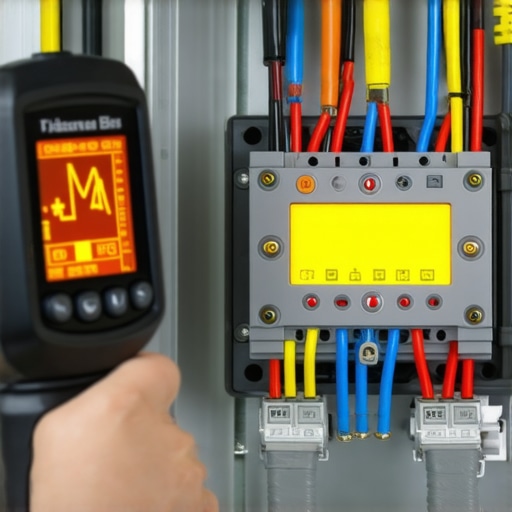
I’ve learned that a great install is only the first half of the race. If you want your hardware to last fifteen years instead of five, you have to treat it like any other high-performance machine. I personally use a small FLIR thermal camera once every six months to scan my panel while the car is pulling its full load. It feels a bit like overkill until you see a bright purple glow around a terminal that is starting to loosen. This level of preventative care aligns with the NFPA 70B Standard for Electrical Equipment Maintenance, which professional electricians use to prevent industrial fires. If you don’t have a thermal camera, you should at least perform the forgotten torque test that prevents panel fires. Even a tiny amount of vibration from your home’s HVAC system or slamming garage doors can slowly back those lugs out over time. It is better to catch a loose wire now than to deal with ev charger troubleshooting expert tips for common issues when your car is dead on a Monday morning.
How can I keep my charging gear alive for a decade?
Consistency is king here. Beyond the internal wiring, the physical connector is your biggest point of failure. I always tell my neighbors to check their port for debris or moisture. This is especially true if you charge outside, where you might notice why your charger handle feels sticky after a rainstorm—that is often the start of corrosion on the contact pins. Keeping your Wi-Fi signal strong is also crucial, as many chargers rely on cloud updates to manage their internal cooling profiles. If you are struggling with pings, check out troubleshooting ev charger connectivity problems to ensure your hardware stays smart.
Your Car is Evolving into a Home Power Station
Looking ahead, the role of your home charger is shifting from a one-way street to a two-way conversation. We are moving toward a world where your car isn’t just a consumer of energy but a critical backup source. Learning how to use your ev as a backup home battery safely is going to be the next big hurdle for homeowners. This evolution is why code compliance essentials for ev charger installations in 2025 are becoming so much stricter. The electrical loads are getting longer and more complex. If you are building or renovating now, do yourself a favor and over-spec your conduit. It is much cheaper to pull a thicker wire today than it is to tear out drywall in three years because you want to upgrade to a bi-directional system. You might even need to consider how to verify code compliance for your ev charger installation for these newer systems before they become standard. Don’t wait for a failure to act. Tonight, while your car is charging, go into your garage and just listen. If you hear a buzz or feel excessive heat on the wall, it is time to pick up that torque wrench.
Hard Truths About Charging I Learned From a Melted Breaker
Looking back at my first few months of EV ownership, I realize I spent way too much time worrying about the car’s software and not nearly enough about the copper in my walls. Here is the reality: your home was likely never designed to act as a gas station. I’ve learned that 3 hidden costs of diy ev charger wiring usually show up in the form of ruined equipment rather than immediate savings. If I could go back, I’d prioritize airflow in the panel just as much as amperage. A cramped panel is a hot panel, and heat is the silent killer of electrical longevity. Always remember that code isn’t just bureaucracy; it is a set of physical laws written in the ashes of people who tried to take shortcuts. My biggest lightbulb moment was realizing that what your electrician didnt tell you about fast home charging often involves the long-term strain on your entire home service, not just your own panel.
The Only Tools That Actually Save Your Garage From Arcing
You don’t need a degree in electrical engineering to maintain a safe setup, but you do need the right gear. First, get a high-quality torque wrench. Following the specific torque wrench settings for a wall connector is non-negotiable if you want to avoid high-resistance hotspots. Second, I highly recommend a basic thermal imaging camera; seeing heat before it becomes a fire is the ultimate peace of mind. Third, keep a copy of your local permit requirements handy to ensure ensuring code compliance when installing ev chargers stays a priority throughout the unit’s lifespan. Finally, use your utility’s management app to master the smart way to schedule charging without overloading your service, which preserves your hardware and your wallet simultaneously.
Step Into the Future Without Fear of the Breaker Box
We are living through a massive shift in how homes function. Soon, your car won’t just be a vehicle; it will be a backup power plant for your family. By taking the time to understand how to use your ev as a backup home battery safely today, you are setting yourself up for a decade of energy independence. Don’t let the technical details intimidate you. Once your upgrading your panel for better ev charging performance is complete and verified, you can sleep soundly knowing your fueling station is safer than any gas pump down the street. It’s about more than just convenience—it’s about building a robust, modern home for the next generation of transport. Have you ever felt your charging cable or panel get surprisingly warm during a long session? Let me know in the comments below!