I still remember the smell of ozone that wafted through my garage about three years ago. I thought I was being the ultimate savvy homeowner when I scored a ‘barely used’ Level 2 charging station on a local marketplace for half the retail price. I was so proud of those saved dollars that I completely ignored the slight discoloration near the plug. Two days later, my car wouldn’t take a charge, and my garage smelled like an electrical fire waiting to happen. It turns out that ‘deal’ was actually a dangerous paperweight with a fried internal relay.
Why a Bargain Charger Can Break Your Heart
Buying used gear is a fantastic way to keep electronics out of landfills and some cash in your pocket, but EV chargers aren’t like buying a used blender. They handle massive amounts of sustained current for hours on end. If the previous owner didn’t know the real difference between hardwired and plug-in charging stations, they might have stressed the internal components beyond their limits. Today, I want to walk you through the three non-negotiable checks I now perform whenever I’m helping a neighbor vet a second-hand unit. We’re going to look at the physical red flags, the technical compatibility issues, and the safety certifications that literally stand between your home and a 40-amp disaster.
Is Buying a Used Charger Actually a Massive Risk?
You might be wondering if it’s even worth the stress. The truth is, most units are built like tanks, but it only takes one loose connection from a previous DIY disaster to cause a problem. According to data from the Electrical Safety Foundation International (ESFI), electrical failures are a leading cause of home fires, and using equipment with unknown histories—especially high-draw appliances like chargers—increases that risk exponentially. One mistake I made early on was assuming that if it looked clean on the outside, the guts were fine. I didn’t know how to diagnose a faulty internal relay, and I certainly didn’t check the pins for thermal damage. Have you ever found a ‘deal’ that seemed too good to be true, only to have it fail the moment you actually needed it?
Check the Pins for Signs of Thermal Stress
The first thing you need to do is get a bright flashlight and look directly into the charging handle. You are looking for ‘the caramel effect.’ If the plastic around the metal pins looks slightly melted, browned, or even a deep amber color, walk away immediately. This is a sign of high resistance and heat, often caused by burnt EV plug contacts that weren’t addressed. A charger that has been overheated once is significantly more likely to do it again, potentially damaging your car’s expensive charging port. You also want to feel the cable itself; it should be flexible, not stiff or brittle. If the sun has baked the outer jacket to a crisp, you’re looking at a future short circuit. Knowing how to spot a cheap knockoff charging cable before you hand over your cash is the best way to ensure you aren’t buying someone else’s headache.Once you’ve cleared the plug for burns, the real work starts inside the casing and the technical specs. Last winter, I helped a buddy install a ‘pristine’ second-hand unit he bought for $200 from an online marketplace. On the outside, it looked like it just came off the assembly line. But as soon as we flipped the breaker, his hallway lights flickered—a classic sign of a sudden, irregular draw. We immediately pulled it off the wall and found that the previous owner had botched a DIY repair on the internal lugs, leaving the terminals loose and arcing. If we hadn’t caught it, he might have needed a panel upgrade much sooner than he planned, and for all the catastrophic reasons.
Give the Unit a Gentle Shake and a Sniff
It sounds primitive, but your nose is one of your best diagnostic tools when buying used gear. If you detect a faint metallic or ‘fishy’ odor coming from the cooling vents, that’s the unmistakable smell of degrading insulation or a capacitor on its last legs. You are checking for signs your charger motherboard is fried before you ever hook it up to your car’s sensitive onboard computer. If the unit rattles when you tilt it, something has come loose—likely a mounting screw or, worse, a piece of the internal relay. Never assume a loose part is ‘just a plastic clip.’ In the world of high-voltage electronics, a single loose screw can bridge two contacts and turn your charger into an arc welder.
The Sticker That Could Save Your House
Look for the UL or ETL certification mark on the back or side of the chassis. If the sticker is missing, peeled off, or looks like it was printed on a home inkjet printer, walk away immediately. There are thousands of uncertified ‘no-name’ chargers floating around online that lack basic safety features like integrated GFCI protection. Without these, you might find yourself troubleshooting an EV charger that refuses to stop sending current even when a ground fault is detected. Following the inspection checklist for a used home EV charging station is mandatory to ensure the unit meets the safety standards your local inspector will require. 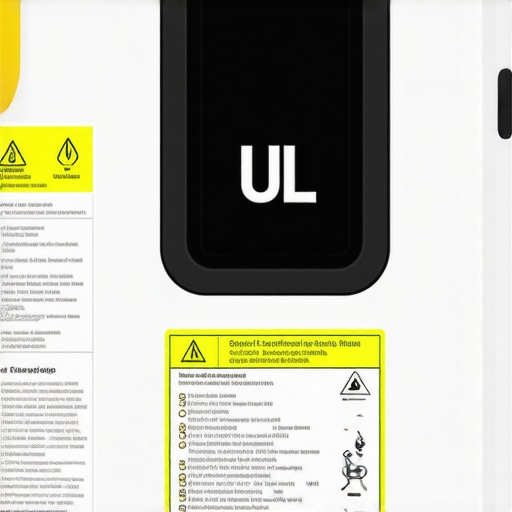
Confirm the Amperage Won’t Melt Your Panel
Just because a charger says it can deliver 40 amps doesn’t mean your house is ready to give it. Before you hand over the cash, check the data plate for the maximum input current requirement. I’ve seen homeowners buy a high-powered used unit only to realize their 100-amp service is already tapped out by the AC and electric range. You might need to learn how to calculate the exact circuit load to see if your current setup is even compatible with the ‘deal’ you found. If you’re pushing the limits of your home’s capacity, you’ll need to understand why your electrician recommends a 60-amp circuit for a 48-amp charger to keep everything within the 80% continuous load rule required by code.
Verify the Firmware and App Access
Modern smart chargers are basically computers with a heavy-duty plug. If the seller can’t prove they’ve ‘unpaired’ the device from their personal account, you might be stuck with a ‘smart’ brick that you can’t control, schedule, or update. This is a common hurdle when troubleshooting EV charger connectivity problems on second-hand units. Ask the seller to show you the app interface live and confirm the unit can still receive over-the-air updates. Without current firmware, some newer vehicles might refuse to communicate with the station, leaving you with a very expensive wall ornament that won’t actually juice up your car.One of the biggest misconceptions I see—even among fairly savvy DIYers—is the ‘Empty Slot’ fallacy. They open their electrical panel, see two empty spaces, and assume they have plenty of room for a 50-amp EV breaker. But having physical space in your box is not the same as having electrical capacity in your service. Everyone says if you have a 200-amp main, you’re golden, but in my experience, the actual ‘available’ capacity is often much lower once you account for the existing peak loads of your HVAC, water heater, and electric range. If you’re still on a 100-amp service, you’ll definitely need panel upgrades for ev chargers before proceeding. You need to know how to verify code compliance for your ev charger installation before you even look at a used unit’s price tag.
Why Does My House Flicker When the Car Starts Charging?
If you notice your lights dimming the moment the charger clicks on, you aren’t just dealing with a ‘heavy load.’ This is often a sign of a voltage drop caused by undersized wire or, more dangerously, a loose connection at the main lugs. The National Electrical Code (NEC) is very specific about this because EV charging is a ‘continuous load,’ meaning it pulls full power for three hours or more. This constant heat cycle causes metal components to expand and contract, which is why the forgotten torque test that prevents panel fires is so critical. If those screws aren’t set to the exact inch-pounds specified by the manufacturer, they will eventually vibrate loose, leading to micro-arcing and a melted bus bar. A study by the NFPA highlights that electrical distribution equipment issues are a top factor in home fires, and high-draw EV stations accelerate these risks if the installation is sloppy.
The Grounding Error That Fails Every Inspection
Here is the ‘trap’ most people fall into: they think the ground wire in the conduit is the end of the story. However, when you add a high-amperage circuit like an EV charger to an older home, you might discover why your panel upgrade might require a new ground rod to meet modern safety standards. If your home’s original grounding system is corroded or doesn’t penetrate deep enough into the water table, that used charger could potentially energize the metal chassis of your car during a fault. #IMAGE_PLACE_HOLDER_C#
Your Insurance Company Cares More About Code Than You Do
Ensuring you are ensuring code compliance when installing ev chargers isn’t just about passing an inspection for the sake of the city; it’s about protecting your assets. If that second-hand charger causes a fire and the fire marshal finds you used the wrong wire gauge or skipped a permit, your insurance company has a legitimate reason to deny your claim. Sometimes, the best path isn’t a massive, five-thousand-dollar service upgrade, but learning the secret to getting faster charging without a new panel, such as using a smart load-management device that ‘throttles’ the charger when your dryer is running. These nuances separate a safe, long-term setup from a dangerous DIY experiment. Have you ever fallen into this ’empty slot’ trap or had an inspector find a grounding issue you didn’t expect? Let me know in the comments.
Most homeowners believe that once the permit is signed off and the indicator lights turn green, their job is finished. I used to think the same until a small ‘creaking’ sound in my electrical panel turned out to be a terminal literally melting under the strain of a 40-amp continuous load. The reality of high-voltage equipment is that copper expands and contracts with every charging cycle, a phenomenon known as ‘thermal creeping.’ This is why I no longer view installation as a one-time event, but as the beginning of a long-term maintenance relationship with my garage.
Stop Ignoring the Annual Lug Check
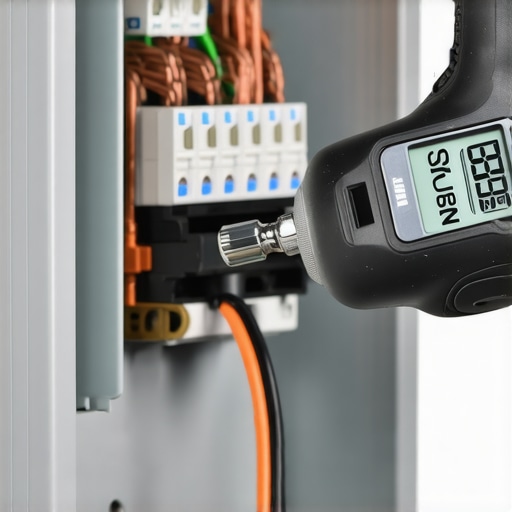
I personally swear by the Wiha TorqueVario-S screwdriver. It’s a specialized tool that allows me to hit the exact inch-pound requirements specified by the manufacturer without the risk of stripping screws or leaving them dangerously loose. If you have ever wondered why your main lugs might be loose after a year of charging, it is almost always due to this lack of precision during the initial setup. The 2023 National Electrical Code (NEC) Section 110.14(D) is very clear about this: calibrated torque tools are now a requirement for any terminal with a marked torque value. It is no longer acceptable to just ‘snug it up’ with a standard screwdriver and hope for the best.
Invest in Tools That See the Invisible
Beyond manual tools, I’ve found that a simple infrared thermometer or a FLIR phone attachment is a lifesaver. By scanning your breaker panel while the car is charging, you can identify ‘hot spots’ that aren’t visible to the naked eye. These thermal signatures are the first indicators of a failing breaker or a loose connection. This proactive approach is the gold standard for ev charger troubleshooting expert tips for common issues, allowing you to catch a fault before it results in a midnight power failure.
How do I maintain my charger for the long haul?
Consistency beats complexity every time. Every six months, perform a visual inspection of the charging handle for debris or ‘the caramel effect’ on the pins. Once a year, I recommend performing the forgotten torque test that prevents panel fires on your breaker connections. It is also wise to keep the essential spare parts to keep for your home charging unit, such as a spare holster or wall bracket, especially if you live in a climate where plastic becomes brittle in the winter. Staying ahead of wear and tear means you won’t be left stranded when you need a full battery the most.
Why the Future Involves Your Car Feeding Your House
As we look toward 2026 and beyond, the trend is moving toward bi-directional charging (Vehicle-to-Home). Your car won’t just sit there as a consumer; it will act as a giant battery for your entire house during peak pricing hours or grid outages. This transition makes upgrading your panel for better ev charging performance today an even smarter investment. By ensuring your current setup meets code compliance essentials for ev charger installations in 2025, you are laying the groundwork for a smart-grid future. My challenge for you: tonight, while your car is juicing up, use the specific torque wrench settings for a wall connector or your specific breaker brand to double-check those lugs. It takes five minutes and could save your garage.
Looking back at my garage disaster, I realize the mistake wasn’t buying used gear—it was buying with blind faith. If you are going to score a deal on a second-hand unit, you have to be more than a consumer; you have to be a detective. It is about understanding the delicate balance between your home’s existing capacity and the high-demand nature of modern electric vehicles.
The $400 Lesson That Taught Me to Respect My Bus Bar
The hardest lesson I learned is that ‘working’ is not the same as ‘safe.’ A charger can deliver electricity to your car while simultaneously melting its internal components if the previous owner didn’t prioritize ensuring code compliance when installing ev chargers. I now treat every used purchase as guilty until proven innocent by a torque wrench and a thermal scan. I also stopped assuming my panel could ‘handle it’ just because the lights didn’t flicker immediately. Sometimes the damage is silent, building up heat over months until a terminal finally gives way. Respect the limits of your service, and if you are in doubt, a panel upgrade is the best insurance policy money can buy.
My Personal Toolkit for Electrical Peace of Mind
I don’t step into a garage without three specific things: a calibrated torque screwdriver, a basic infrared thermometer, and a printed copy of the code compliance essentials for ev charger installations in 2025. These tools turn guesswork into data. I also keep a digital bookmark for troubleshooting ev charger connectivity problems because, let’s be honest, the ‘smart’ features are usually the first thing to fail on a second-hand unit. Having these resources at your fingertips prevents you from making emotional decisions based on a ‘great price’ when the hardware is actually failing.
#IMAGE_PLACEHOLDER_E#
Build a Charging Setup That Outlasts Your Car
Your charging station is the heart of your daily commute, and it deserves more than a ‘plug and pray’ approach. By focusing on precision installation and regular maintenance, you are doing more than just saving money; you are protecting your home and your peace of mind. Taking the time to do things the right way—even if it means passing on a ‘bargain’—ensures that your EV journey stays on the road and out of the repair shop. Have you ever encountered a ‘mystery smell’ or a strange buzzing sound from your charger that turned out to be a loose connection? Let me know in the comments!