I remember standing in my garage, clutching a brand-new Level 2 charger like it was a golden ticket, only to have the city inspector look at my breaker box and sigh. It was that ‘I’ve seen this a thousand times’ kind of sigh. I had spent weeks researching the best hardware, but I had completely whiffed on the permit paperwork. Specifically, I’d ignored the load calculation. That one oversight didn’t just delay me; it ground the whole project to a screeching halt for a month. If you are feeling that itch to get your car charging at lightning speeds, let me tell you: the paperwork is where the real battle is won or lost. Today, I’m going to walk you through exactly how to avoid the common permit pitfalls that trap even the handiest homeowners so you can get ensuring code compliance when installing ev chargers right the first time.
The Red Tape That Almost Killed My Dream Install
When I first started, I assumed a permit was just a formality—a way for the city to collect fifty bucks and tell me ‘good job.’ I was wrong. I made the classic rookie mistake of thinking my 100-amp service could handle a 50-amp charger without a second thought. I didn’t realize that the hidden cost of skipping a panel load calculation would eventually mean a failed inspection and a lecture from a guy named Mike in a neon vest. According to the National Fire Protection Association (NFPA), electrical failures are a leading cause of home fires, which is why why the city inspector failed your garage wiring is usually a matter of safety, not just bureaucracy. You need to prove your house won’t melt when you, your AC, and your Tesla all demand power at 7 PM. Have you ever felt that sinking feeling when an official-looking person starts shaking their head at your circuit breaker?
Is All This Paperwork Actually Necessary?
I get the skepticism. It feels like a hurdle designed to slow you down. But the permit process is your last line of defense against a house fire. When I finally sat down to how to verify code compliance for your ev charger installation, I realized my ‘simple’ DIY project was actually a major load increase that required a specific layout. If you don’t have a plan for code compliance essentials for ev charger installations in 2025, you’re essentially gambling with your homeowner’s insurance. If something goes wrong and there’s no permit on file, good luck getting that claim paid. We’re going to dig into the technical specs next, but first, you’ve got to get your head around the fact that the inspector is actually on your side, even if they seem like a buzzkill.
Master the Math Before the Inspection
Think of your home’s electrical capacity like a dining table. If you have ten guests (appliances) and only eight chairs (amps), someone is going to be left standing—or in this case, a breaker is going to trip. Before you even touch a screwdriver, you must perform a load calculation. This isn’t just a suggestion; it is the cornerstone of ensuring code compliance when installing ev chargers. If your current panel is already at its limit with the HVAC and electric range, you might need to look into panel upgrades for ev chargers what you need to know before proceeding. If a full upgrade isn’t in the budget, you can sometimes use smart tech, like knowing how to use load shedding devices to avoid a full service upgrade, which essentially ‘shuffles the chairs’ at your electrical table automatically.
How to Calculate Your Home’s Real Capacity
The city wants to see a document that proves your 24/7 load (like the fridge) plus your intermittent loads (like the dryer) doesn’t exceed 80% of your main breaker’s rating. If you skip this, you’re flying blind. I’ve seen homeowners try to jam a 48-amp charger into a 100-amp panel that was already sweating under the pressure of a pool pump. Predictably, they ended up with why your charging station isnt reaching its full 48 amp potential as the system choked. Take the time to map out every major appliance’s wattage, divide by 240, and see what’s actually left in the tank.
Choose Components That Wont Melt
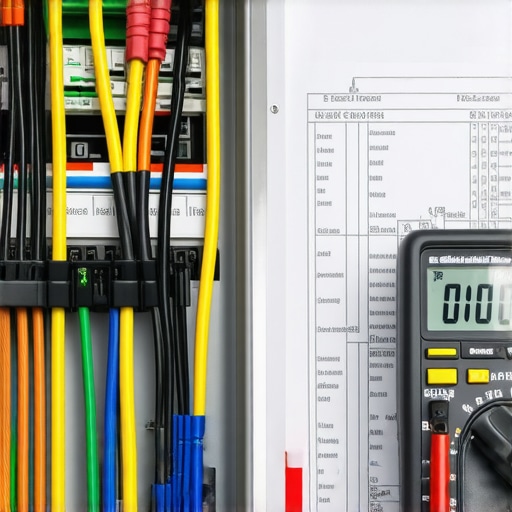
When you head to the hardware store, ‘close enough’ isn’t a strategy. For a 50-amp circuit, you need the exact wire gauge you need for a 50 amp ev circuit—typically 6 AWG copper. If you opt for a plug-in model, don’t just grab the cheapest outlet on the shelf. You need to learn how to pick a nema 14 50 outlet that wont melt under pressure, as standard residential outlets aren’t always designed for the sustained, high-heat draw of an EV. I once ignored this and bought a budget-brand outlet; within a week, the plastic casing was discolored from heat. High-performance chargers require industrial-grade connections to handle the constant flow of energy.
Why Precision is Your Best Friend
I remember my first DIY panel work where I tightened the terminal lugs by ‘feel.’ I figured if it didn’t move when I yanked it, it was fine. Three weeks later, my garage smelled like a burnt toaster. When I opened the panel, the wire insulation was bubbling. That’s the reason why your ev charger smells like burnt plastic—poorly torqued connections create high resistance. Now, I never work without a torque screwdriver to hit the specific torque settings that prevent panel fires during high load charging. The inspector will often check these lugs, and if they aren’t to spec, you’re looking at an automatic fail.
The Rules for Physical Placement
Where you mount the box is just as regulated as the wires inside it. The National Electrical Code (NEC) is very specific about clearances. For instance, did you know there is a minimum and maximum height for the unit? Knowing the exact distance your charger must be from the garage floor ensures that the cable isn’t a tripping hazard and that the unit is accessible. If you’re mounting outside, you’ll need a weather-rated enclosure and potentially a disconnect switch within line of sight of the charger. These small details are exactly what an inspector looks for to verify how to verify code compliance for your ev charger installation before they sign off on your permit.
Most people assume that if their home has a 200-amp service, they can slap any charger on the wall and call it a day. But here is the hard truth I learned after helping dozens of neighbors: a bigger number on your main breaker doesn’t mean your system is ready for the sustained heat of an EV. I have seen 200-amp panels that were so crowded with poorly distributed loads that adding even a mid-range charger caused the main bus bar to overheat. This is where panel upgrades for ev chargers what you need to know becomes about internal hardware quality, not just the total amperage. If you aren’t looking at the health of your bus bars or checking for issues like why you should check your panel for double tapped breakers, you are missing half the picture. Even a 200-amp panel can fail if the charger is installed on a phase already burdened by an electric oven and a dryer.
Why your shiny new breaker keeps tripping for no reason
One of the most frustrating ‘oops’ factors I encounter is the battle between two GFCIs. Many modern Level 2 chargers have built-in Ground Fault Circuit Interrupter (GFCI) protection. However, the 2020 and 2023 National Electrical Code (NEC) often require a GFCI breaker for the circuit itself if it’s located in a garage or outdoors. When you have two ‘brains’ trying to detect a current leak at the same time, they often trip each other out. This is exactly why the gfci in your panel keeps nuisance tripping your charger. It’s a code-compliance catch-22 that leaves beginners pulling their hair out. According to the Electrical Safety Foundation International (ESFI), these nuisance trips are a top reason for homeowner dissatisfaction. To fix it, you need a deep dive into troubleshooting ev chargers common compliance pitfalls and fixes, which may involve switching to a higher-quality breaker that is specifically designed to handle the high-frequency noise generated by EV inverters.
How do you know if your panel is actually failing under load?
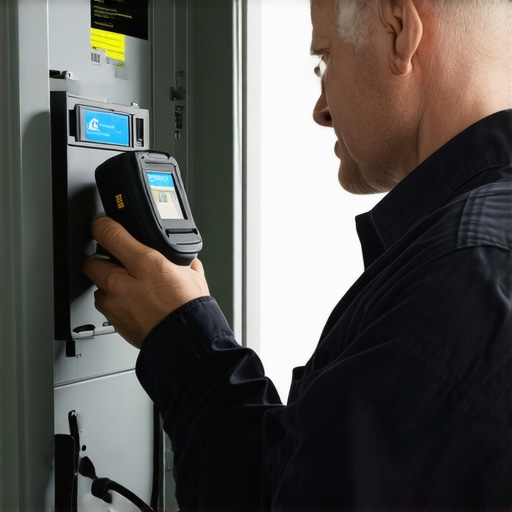
The biggest mistake is assuming troubleshooting starts at the car. It starts at the panel. If you notice why your breaker gets hot to the touch during charging, you aren’t just looking at a nuisance; you’re looking at a fire hazard. Real expertise means knowing that a breaker shouldn’t exceed a specific temperature rise under a continuous 40-amp load. If yours feels like a hot cup of coffee, your ‘code-compliant’ install is actually a hazard waiting to happen. You might need upgrading your panel for better ev charging performance to ensure the bus bars can handle the thermal expansion. Also, don’t forget that why a 100 amp service isnt always enough for two evs often comes down to the shared neutral wire in older homes being overloaded. Have you ever fallen into this trap where everything looked right on paper but the hardware kept failing? Let me know in the comments.
pMaintaining a high-voltage system isn’t a ‘set it and forget it’ situation. I’ve learned that the hard way. Every six months, I pull the cover off my panel—carefully, of course—and perform a thermal check. If you really want to stay ahead of the curve, you need to treat your garage like a micro-utility. This means going beyond basic visuals and getting your hands on some real diagnostic gear. For me, a thermal camera was a game-changer. By scanning the breaker while the car was pulling its full 48 amps, I could see exactly a href=”https://brightsparkzelectric.com/why-your-breaker-gets-hot-to-the-touch-during-charging”why your breaker gets hot to the touch during charging/a before it ever tripped. It allows you to catch loose connections or failing hardware that a standard visual inspection would miss entirely.h2Keep Your High-Voltage Hardware From Cooking Itself/h2pThe secret weapon in my maintenance kit is a calibrated torque screwdriver. It sounds overkill until you realize that thermal cycling—the constant heating and cooling of wires—can actually loosen terminal lugs over time. Fluke Corporation, a leader in industrial testing tools, emphasizes that periodic torque verification is essential for high-continuous-load circuits to prevent resistive heating. I make it a point to re-verify a href=”https://brightsparkzelectric.com/the-specific-torque-settings-that-prevent-panel-fires-during-high-load-charging”the specific torque settings that prevent panel fires during high load charging/a every year. This isn’t just about safety; it’s about a href=”https://brightsparkzelectric.com/ensuring-code-compliance-when-installing-ev-chargers”ensuring code compliance when installing ev chargers/a long after the inspector has left. If you ignore this, you might find a href=”https://brightsparkzelectric.com/the-reason-your-ev-charger-smells-like-burnt-plastic”the reason your ev charger smells like burnt plastic/a is a loose wire arcing inside your expensive panel.p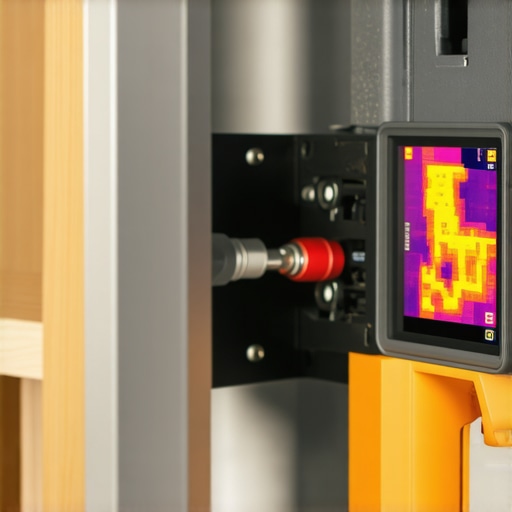 h3How do I maintain my charging setup over time?/h3pMaintenance is more than just checking wires; it’s about the software too. If you have a ‘smart’ unit, you need to know a href=”https://brightsparkzelectric.com/how-to-update-the-firmware-on-your-smart-charging-station”how to update the firmware on your smart charging station/a. Manufacturers often release patches that improve thermal management or fix a href=”https://brightsparkzelectric.com/troubleshooting-ev-charger-connectivity-problems”troubleshooting ev charger connectivity problems/a that can drain your car’s 12V battery if the handshake never ‘sleeps.’ For those with outdoor setups, you should be performing a href=”https://brightsparkzelectric.com/3-maintenance-tasks-that-keep-your-outdoor-charger-running-through-winter”3 maintenance tasks that keep your outdoor charger running through winter/a, specifically checking the gasket seals and ensuring the holster isn’t collecting ice or debris that could bend the pins in your charging port.h2Prepare for the Two-EV Future/h2pEventually, one EV won’t be enough. Most homeowners panic when they realize a href=”https://brightsparkzelectric.com/why-a-100-amp-service-isnt-always-enough-for-two-evs”why a 100 amp service isnt always enough for two evs/a, but you don’t always need a massive utility upgrade. I’m currently looking at ‘load-sharing’ chargers that talk to each other to stay within a single 60-amp circuit limit. Before you add that second car, you absolutely must a href=”https://brightsparkzelectric.com/how-to-load-test-your-house-before-adding-a-second-charger”how to load test your house before adding a second charger/a. This helps you decide if you need a href=”https://brightsparkzelectric.com/upgrading-your-panel-for-better-ev-charging-performance”upgrading your panel for better ev charging performance/a or if you can get away with smart management. I predict that by 2030, bi-directional charging (V2H) will be the standard, meaning your car won’t just take power—it will run your house during a blackout. If you want to stay ahead, I highly recommend picking up a basic infrared thermometer today and checking your breaker’s temp during a peak charge session; it’s the easiest way to spot a href=”https://brightsparkzelectric.com/ev-charger-troubleshooting-expert-tips-for-common-issues”ev charger troubleshooting expert tips for common issues/a before they become emergencies.p
The Day I Realized Code Compliance Was My Best Friend
I used to view the National Electrical Code as a set of arbitrary hurdles designed to make my life difficult. My perspective shifted the moment I saw a neighbor’s panel—one that had bypassed a permit—with a melted bus bar that nearly cost them their entire garage. That was my ‘lightbulb moment.’ I realized that ensuring code compliance when installing ev chargers isn’t just about following rules; it is about building a system that can handle 40 to 50 amps of continuous heat for hours on end, every single night, for the next decade. If you are feeling overwhelmed, remember that the permit process is essentially a free professional audit of your work. It’s the cheapest insurance you will ever buy. My biggest takeaway? Never assume your system is ‘fine’ just because the car is charging; verify it with data.
My Personal Toolkit for a Stress-Free Installation
If you want to move beyond basic DIY and into the realm of professional-grade reliability, you need more than just a standard set of pliers. These are the resources and tools I personally rely on to keep my setup running flawlessly:
- The Calibrated Torque Screwdriver: This is my most trusted tool. I use it to hit the specific torque settings that prevent panel fires during high load charging. Without it, you are just guessing, and guessing leads to arcing.
- Infrared Thermal Camera: You don’t need an industrial model; even a smartphone attachment works. It’s the only way to see why your breaker gets hot to the touch during charging before a failure occurs.
- Your Local Utility Portal: Most homeowners ignore this, but checking your historical usage data is the best way to avoid the hidden cost of skipping a panel load calculation.
- The NEC 2023 Handbook: While dry, it is the ultimate source of truth for how to verify code compliance for your ev charger installation without relying on potentially outdated YouTube tutorials.
#IMAGE_PLACEHOLDER_E#
Take Charge of Your High-Voltage Future
Getting your first Level 2 charger installed is a massive milestone in your journey toward energy independence. It transforms your car from a device that needs ‘refueling’ into a seamless extension of your home. As you move forward, keep a close eye on your hardware, stay curious about your home’s electrical health, and don’t be afraid to look into upgrading your panel for better ev charging performance if you plan on adding a second vehicle. By taking the time to learn troubleshooting ev chargers common compliance pitfalls and fixes today, you are future-proofing your most important asset. You’ve got the knowledge; now it’s time to put it into practice and enjoy the convenience of a full ‘tank’ every single morning. Have you ever been surprised by what your home’s load calculation actually revealed about your capacity? Let me know in the comments below!