I stood there with a drill in one hand and a cold coffee in the other, staring at the four fresh holes I’d just bored into my garage stud. I was so proud of my DIY spirit until my neighbor, a retired electrician, wandered over and said, ‘You know that’s going to fail inspection, right?’ My heart sank. I’d mounted my charger right at knee height—convenient for me, but a total violation of the safety codes meant to prevent mechanical damage. I spent the next hour ensuring code compliance and moving the whole rig up. It was a literal pain in the neck, and that’s why I want to help you get it right the first time.
Avoid This Simple Height Error and Save Your Drywall
When you are finding the best spot in your garage for a charger, it is tempting to just pick whatever looks ‘eye-level’ or matches your existing wall outlets. However, the National Electrical Code (NEC) Article 625.50 is very specific about this. If you are indoors, you need to be at least 18 inches off the ground, but if you are outdoors, that minimum jumps to 24 inches. I made the classic blunder of treating my garage like a living room. {image_placeholder} Picking the best height for your wall-mounted charger isn’t just about following rules; it’s about protecting your investment from getting bumped by a car door or splashed by winter slush. According to the NFPA, electrical equipment must be protected from physical damage, and the ‘high-and-dry’ rule is the easiest way to do that. If you don’t follow these basics, you’ll find out exactly why the city inspector failed your garage wiring the moment he pulls out his tape measure.
Is These Extra Inches Actually Worth the Hassle?
You might think that a few inches higher or lower won’t matter in the grand scheme of things, especially if the cord reaches the car anyway. But think about ergonomics. Over time, bending down to grab a heavy cable at 12 inches off the ground is a recipe for a sore back. By mounting it between 36 and 48 inches, you hit that ergonomic sweet spot. Have you ever had an inspector call you out for something that seemed totally minor? I’d love to hear your horror stories in the comments! We are going to dive into the exact tools and measurements you need to ensure your charger stays safe, accessible, and most importantly, legal.
Stop Guessing Your Wire Size
Once you have the physical location locked in, you have to look inside the wall. Think of your wiring like a plumbing system; if you try to force a fire hose worth of water through a straw, the straw is going to burst. In the electrical world, that ‘burst’ is a fire. You absolutely must confirm the exact wire gauge you need for a 50-amp ev circuit before you spend a dime on materials. I’ve seen DIYers try to use leftover 10-gauge wire from an old dryer outlet, and that is a dangerous mistake. For a 50-amp breaker, you are looking at 6-gauge copper as your gold standard. Going smaller invites heat, and heat is the enemy of every component in your garage.
Your Panel Has a Math Problem
Before you snap that new breaker into place, you need to know if your home can actually handle the extra weight. Adding a Level 2 charger is like adding a second air conditioner that runs at full blast for eight hours straight. I once worked on a house where the owner just kept adding breakers until the main 100-amp service literally started humming. We had to sit down and look at panel upgrade strategies to meet ev charging code requirements in 2025 because he was way over his limit. If you aren’t ready for a full service change, you should learn how to load balance your home electrical system without a full panel swap. It is a smarter way to manage your energy without the five-thousand-dollar price tag of a new utility entrance.
Keep Your Grounds Separated
If you are running your charger from a subpanel in the garage, there is a specific rule that catches almost everyone. In your main panel, the ground and neutral wires often hang out on the same bar. In a subpanel, they must be strictly separated. I remember a buddy of mine who couldn’t figure out why his charger kept throwing ground fault errors. It turned out he had bonded the neutral and ground in his garage subpanel. Understanding why your subpanel needs a separate ground bar for ev circuits will save you hours of troubleshooting and ensure your car’s sensitive electronics stay fried-circuit-free.
Torque Your Lugs Like a Pro
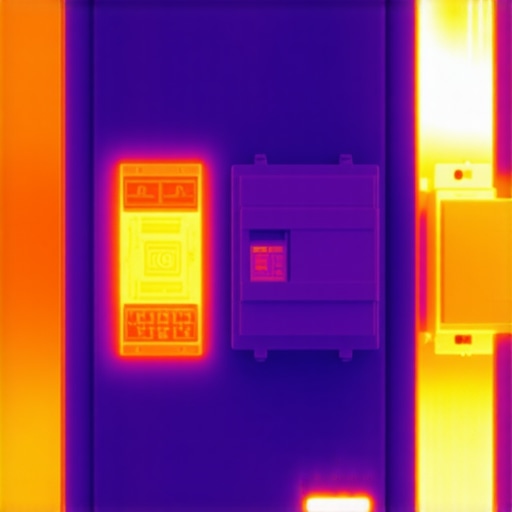
This is where the ‘how’ becomes critical. You can’t just tighten the screws until they feel snug. I used to think my ‘calibrated elbow’ was good enough until I saw a thermal camera image of a poorly torqued breaker. It looked like a miniature sun. Most EV chargers and breakers have a specific inch-pound rating printed right on the side. 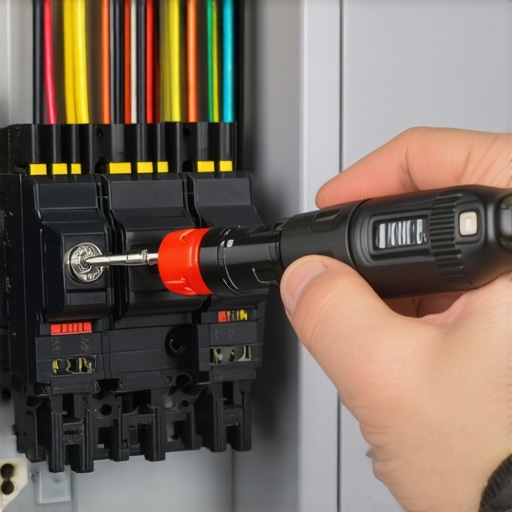 Following the specific torque settings that prevent panel fires during high-load charging is the only way to be 100% sure your connection won’t loosen over time as the metal expands and contracts with the heat. It is the final, most important step to how to verify code compliance for your ev charger installation and ensures you sleep soundly while your car drinks up its overnight juice.
Most people think a ‘smart’ charger is a magic wand that fixes an overloaded electrical system. The common belief is that if the app says it is ‘load balancing,’ you have effectively escaped the need for a physical upgrade. But here is the truth: software cannot fix a physically degraded busbar. I have seen homeowners rely on load shedding devices to avoid a full service upgrade, only to find their main breaker tripping anyway. Why? Because the breaker itself was already weakened by years of heat cycles from a high-use AC unit. Software limits the current, but it doesn’t repair the thermal damage already done to your infrastructure.
This is the ‘Oops’ factor that trips up even seasoned DIYers. You might have the right software, but if you do not check for signs your main breaker is running dangerously hot, you are just putting a band-aid on a bullet wound. In fact, research from the Fire Protection Research Foundation highlights that residential circuit breakers can experience significant nuisance tripping or even fail to trip if they are operating at high ambient temperatures without proper derating. If your garage is a sauna in July, that 50-amp circuit is not truly a 50-amp circuit anymore; it is functionally much lower, and pushing it to the limit is an invitation for a meltdown.
Can You Truly Trust Your Panel After 20 Years?
The biggest trap is assuming that ‘code compliant’ means ‘future proof.’ You might find an electrician who actually understands ev codes and gets you through the initial inspection, but that does not mean your 1990s-era panel was built for the 2025 reality of 80% continuous load for ten hours straight. I always recommend looking into panel upgrades for ev chargers as a long-term safety investment rather than a hurdle to jump. A 100-amp service is legally enough for a single EV on paper, but in practice, it is a razor-thin margin if you also run an electric dryer and a range.
One nuanced mistake I often see during troubleshooting ev chargers is the failure to account for voltage drop over long wire runs. If your charger is at the far end of the house, that 240V might dip significantly under load, causing your car to ‘throttle’ the charging speed to protect its battery. You will find yourself pulling hair out trying to fix why your charging station isn’t reaching its full 48-amp potential when the issue is simply the physics of your wire run. These code compliance essentials are not just red tape; they are the guardrails that keep your home from becoming a statistic.
Have you ever fallen into this ‘smart-software-is-enough’ trap? Let me know in the comments! If you are feeling overwhelmed by the technical requirements, don’t hesitate to contact us for a professional sanity check on your setup. Getting a second opinion on how to verify code compliance for your ev charger installation is much cheaper than replacing a fried main panel later.
I’ve seen plenty of ‘set it and forget it’ installations, but your electrical panel is a living organism. It breathes, expands, and contracts under the stress of high-current loads. If you want to avoid the dreaded smell of ozone or a melted casing, you need to be proactive. I personally carry a pocket-sized infrared thermometer whenever I’m in the garage. Once a month, while the car is pulling its full 48 amps, I point that laser at the main breaker and the charger’s terminal block. If I see anything north of 140°F (60°C), I know I have a loose connection that needs immediate attention. According to the InterNational Electrical Testing Association (NETA), thermal anomalies are the leading indicator of impending equipment failure in high-load residential systems. Learning how to spot a dying breaker before it shuts down your charging session is the difference between a five-minute fix and a midnight emergency call.
Stop Heat from Killing Your Charger
The heat generated by constant charging can slowly degrade the contact points in your panel. It isn’t just about the breaker; it is about the entire path of electricity. This is why I advocate for a physical inspection at least twice a year. If you notice any discoloration on the wire insulation or the plastic surrounding the lugs, you are already in the danger zone. Most homeowners overlook these small visual cues until the system fails entirely. 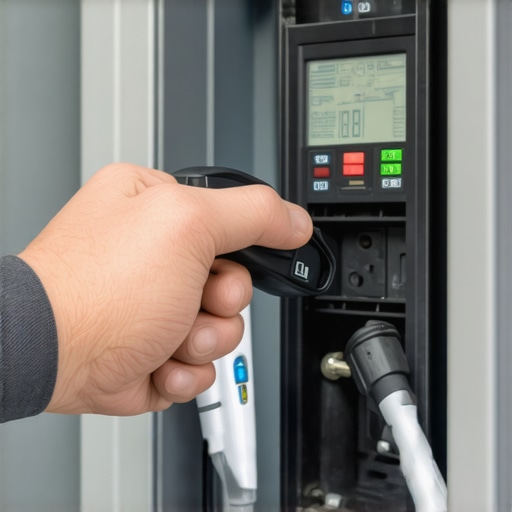
How do I maintain my home charging setup for the long haul?
You don’t need an engineering degree to keep things running, but you do need a consistent schedule. Every change of season, I perform 3 maintenance tasks that keep your outdoor charger running through winter, even if my unit is mounted inside the garage. I check the J1772 handle pins for any signs of pitting or black carbon buildup, which can cause resistance and slow down your speeds. If they look dusty, a quick blast of compressed air usually does the trick. Don’t forget the digital side of things either; knowing how to update the firmware on your smart charging station can often resolve “phantom” connectivity issues that manufacturers patch silently to improve performance and safety.
The One Tool You Actually Need
If you are serious about DIY maintenance, buy a torque screwdriver. Not a regular one—a calibrated one that measures specifically in inch-pounds. I cannot stress this enough: the specific torque settings that prevent panel fires during high-load charging are non-negotiable. Every six months, I pop the cover off my charger and ensure the vibration from the garage door or general house settling hasn’t backed those lugs out even a fraction of a millimeter. If you find yourself constantly resetting the system, check out these expert tips for common issues before you assume the hardware itself is faulty.
Prepare for the Two-Car Future
Right now, you might only have one EV, but the trend is clear: the multi-EV household is the new standard. I’m already seeing a major shift toward ‘Managed Charging’ where two chargers talk to each other to share a single circuit safely. If you’re planning ahead, look into how to upgrade your homes service for dual ev charging now so you don’t have to trench your driveway or rip open your drywall twice. I predict that within five years, Vehicle-to-Home (V2H) tech will be standard, meaning your charger won’t just pull power—it will push it back to run your fridge during a blackout. If you want to be ready for that revolution, ensure your current ensuring code compliance is flawless today. My advanced tip for the week? Go out to your garage tonight while the car is charging and just listen. If you hear a high-pitched whine or a distinct buzzing, that’s harmonic distortion—usually a sign of a loose neutral. Don’t wait for a spark; tighten it up or call a pro immediately!
The Hardest Lessons I Learned in the Garage
After years of tinkering with high-voltage circuits, I have realized that electrical work is not about being ‘handy’; it is about being precise. I used to think a quick visual check was enough, but I learned that loose connections are the leading cause of residential electrical fires. If you aren’t double-checking your work with the right tools, you are rolling the dice with your home’s safety. Another lightbulb moment was realizing that ev charger troubleshooting expert tips often come down to simple physics, such as heat expansion causing lugs to back out over time. Lastly, never ignore the ‘hum.’ A humming panel or a buzzing breaker is a clear sign that you are pushing your service beyond its safe capacity, even if the breaker hasn’t tripped yet.
The Gear That Keeps My Garage from Smoking
I never start an installation or a seasonal check-up without my calibrated torque screwdriver. It is the only way to meet the specific torque settings that prevent panel fires and ensure your connections remain stable under the stress of 40-amp loads. I also swear by a handheld infrared thermometer; it is a low-cost tool that lets you see invisible heat build-up before it becomes a disaster. For those using a plug-in setup, please learn how to pick a nema 14-50 outlet that wont melt, as standard residential-grade outlets are rarely built for the continuous high-amperage draw of an electric vehicle. {image_placeholder} Finally, I always keep a digital copy of the latest National Electrical Code on my phone to resolve any debates with inspectors on the spot.
The Electric Future Is Already in Your Walls
Installing a charger is more than just a home improvement project; it is an investment in your property’s long-term infrastructure. By focusing on upgrading your panel for better ev charging performance today, you are preparing for a world where your car might one day act as a backup battery for your entire home. Take the time to do it right, follow the how to verify code compliance protocols, and you will have absolute peace of mind every time you plug in for the night. Your home is your sanctuary—keep it safe, keep it efficient, and enjoy the clean energy journey ahead.
Have you ever encountered a ‘mystery’ trip on your breaker that turned out to be a simple loose wire? I would love to hear your troubleshooting stories in the comments below!