I stepped out onto my driveway last Tuesday, coffee in hand, ready for the morning commute, only to find my EV sitting at a measly 12% charge. My heart sank. I knew I’d plugged it in. Then I saw it: the charger handle was tossed haphazardly near the bushes, and my neighbor’s car was suspiciously full. It’s a gut-wrenching feeling knowing your own property is being treated like a public utility. We spend thousands on these setups, yet many of us forget that an outdoor plug is basically an open invitation for “energy poaching.” Today, I’m going to show you exactly how to lock down your setup so you never wake up to an empty battery again.
Your Driveway Shouldn’t Be a Free For All
Early on, I made the classic rookie mistake of thinking a gated driveway was enough. I figured, “Who would actually go through the trouble of stealing electricity?” Well, as it turns out, quite a few people. I ignored the fact that why outdoor charging stations need more than just a plastic cover involves more than just weatherproofing; it’s about physical security. I didn’t even have a simple software lockout enabled. It was a dumb oversight that cost me a full week of commuting costs before I caught on. It’s not just about the money, though. Unmanaged access can lead to troubleshooting ev chargers common compliance pitfalls and fixes because you never know if someone is yanking the cord and damaging the pins.
Will a simple padlock actually stop a determined thief?
You might be thinking this all sounds a bit paranoid, or that a cheap lock is too much of a nuisance for your daily routine. Trust me, the 30 seconds it takes to authenticate an app or turn a key is nothing compared to the headache of an empty tank. Interestingly, a report by The Wall Street Journal notes that as electricity prices rise, “energy poaching” from residential chargers is becoming a localized but growing nuisance in urban areas. Beyond just theft, if you are upgrading your home for security, don’t forget to check how to claim the federal alternative fuel infrastructure tax credit to see if your security-related upgrades qualify for a break. Have you ever walked out to find your charger being used by someone else? I’d love to hear your horror stories in the comments. Let’s get into the practical ways to harden your home station without making your life a total pain.
Lock Down the App Before You Lock the Gate
Most modern Level 2 chargers are basically computers on your wall. The easiest way to stop someone from “borrowing” your power is to use the software lock. I remember when I first got my unit; I was so excited to just plug and play that I skipped the Wi-Fi setup. Big mistake. A week later, I noticed my usage stats were spiked at times I wasn’t even home—somebody had clearly helped themselves to a few hours of juice while I was at work. Now, I use the “Authorized Users Only” setting. You can how to use an app to schedule charging and save on your bill so the charger only provides power during specific windows or requires a mobile handshake to start. Think of it like a digital bouncer for your electricity. If your charger doesn’t have an app, you might consider a smart circuit breaker or a simple heavy-duty timer, though those come with their own ensuring code compliance when installing ev chargers hurdles that you’ll need to clear with an electrician. 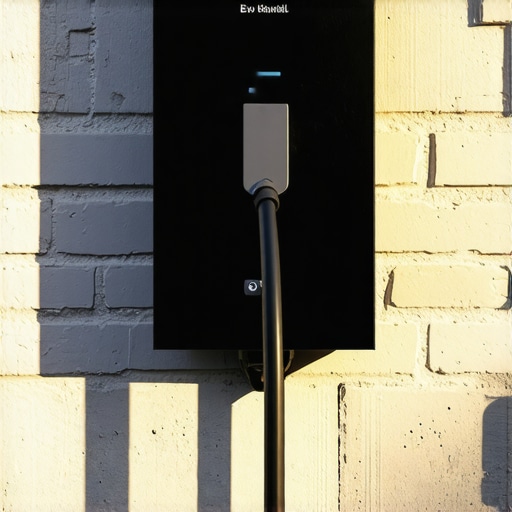
Physical Barriers That Actually Work
If software isn’t an option, or if you’re dealing with someone who might physically damage your equipment out of frustration, you need a hard shell. I eventually installed a ventilated steel lockbox after a neighbor’s kid accidentally bent my charging pins trying to see if it fit his toy car. Before that, I tried a cheap plastic cover, and someone literally snapped the hinge off. A metal enclosure not only protects against “energy poaching” but also prevents environmental wear. If you’re worried about the handle itself, knowing how to stop your charger handle from sticking in the port is secondary to making sure no one can grab it in the first place. For those with a driveway setup, the benefit of a hardwired charger over a nema plug is massive here—it’s much harder for a thief to walk off with a hardwired unit than one they can just unplug from a 14-50 outlet.
Make Sure Your Panel Can Handle the Strain
Security isn’t just about thieves; it’s about protecting your home’s electrical heart. When you’re tightening down your security, you’re often adding more components or changing how the charger draws power. I once decided to save a few bucks and tighten the lugs on my new breaker myself without the right tools; I ended up with flickering garage lights and a very expensive service call. It turns out, the specific torque settings that prevent panel fires during high-load charging are not a suggestion—they are the law for a reason. If your security box is causing heat buildup, or if your charger is constantly cycling on and off because of a bad sensor, you’ll find that why your ev charger trips the gfci even when not in use becomes a daily frustration. You want a setup that is locked tight but also breathes well enough to keep your breakers from cooking under the heavy demand of a dual-motor recharge.Everyone tells you that a massive 200-amp service upgrade is the mandatory first step for any multi-EV household. I’m here to tell you that’s often an expensive myth. While contractors love the profit margin on a full service swap, you can often how to load balance your home electrical system without a full panel swap by using intelligent energy management systems. These systems talk to your charger and throttle the speed only when your dryer or oven is running, saving you thousands in unnecessary infrastructure costs. If you aren’t looking at these smart solutions, you’re essentially paying for peak capacity you’ll only use 2% of the year. It’s not just about saving money; it’s about ensuring code compliance when installing ev chargers without ripping your walls apart.
The 80 Percent Trap You Need to Avoid
The biggest “oops” factor I see involves a misunderstanding of continuous loads. In the electrical world, an EV charger is a marathon runner, not a sprinter. It draws maximum power for hours on end. This is why the National Electrical Code (NEC) requires the circuit to be rated for 125% of the charger’s output. If you try to pull 50 amps through a 50-amp breaker, you’re going to have a bad time. I’ve seen countless DIY installs where the common wire sizing error that causes voltage drops during charging leads to melted terminal blocks. Always size your breaker 25% higher than your intended charge rate. If you want 40-amp charging, you need a 50-amp circuit. If you want 48-amp charging, you need 60. Cutting corners here isn’t just a technicality; it’s a fire hazard. 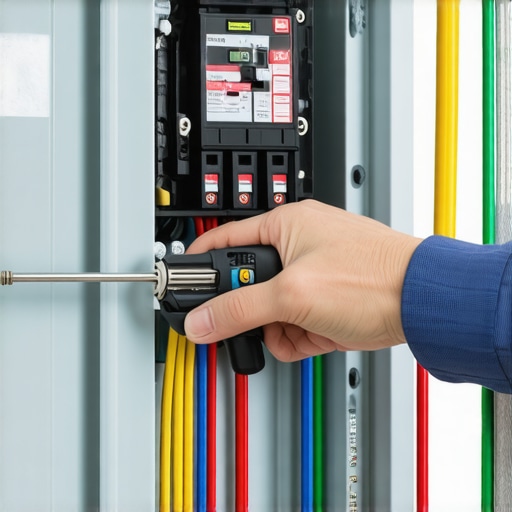
Is your 60-amp circuit actually a 48-amp bottleneck?
Many homeowners install a 60-amp circuit expecting lightning-fast speeds but find their car is barely sipping power. The nuance often lies in the wire gauge and the material used. A study by the NFPA Research Foundation highlights that improper terminations and incorrect wire sizing are leading causes of thermal runaway in high-draw residential circuits. For instance, the difference between copper and aluminum for ev wiring is massive when dealing with 60-amp loads. Aluminum expands and contracts significantly more than copper under heat. If your electrician didn’t use a torque wrench to meet the specific torque settings that prevent panel fires during high-load charging, those connections will loosen over time. This creates resistance, and resistance creates heat. Have you ever noticed a weird smell or felt that your why your breaker gets hot to the touch during charging? Have you ever fallen into this trap? Let me know in the comments. Don’t let a small oversight turn your garage into a liability. Understanding the exact gauge of wire you need for a 60 amp circuit is the difference between a reliable morning commute and a midnight emergency call.
Keep Your Copper Happy for the Long Haul
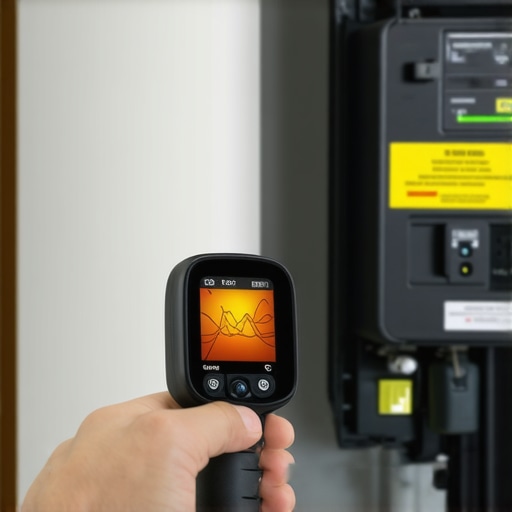
Once you’ve survived the installation and the inspector has finally signed off on your permit, it’s tempting to just forget about the panel in your garage. But high-amperage systems are not ‘set and forget.’ I’ve started carrying a small infrared thermal camera—nothing fancy, just one of those plug-in phone attachments—to scan my breaker once a quarter while the car is pulling its full 48 amps. If I see a bright white spot on a terminal, I know I’ve got a loose connection before it has a chance to melt the plastic housing. It’s one of those ev charger troubleshooting expert tips for common issues that saves you a $400 emergency visit. High-heat cycles naturally cause metal to expand and contract, which can slowly loosen even the most professional connections over time.
How do I keep my charger running like new?
Beyond thermal checks, the most overlooked part of the system is the physical port and handle. Grit, salt, and moisture are the constant enemies here. I make it a habit to use a specialized electrical contact cleaner once every few months. Knowing how to clean the pins on your charging handle safely keeps the resistance low and prevents that dreaded ‘reduced power’ message on your dashboard. Also, don’t ignore the software. Manufacturers push updates for a reason, and they often include thermal management tweaks. You can usually how to update your charger software without calling a technician through the manufacturer’s app, which often fixes handshake bugs that cause the car to stop charging at 2 AM for no apparent reason. If you’re living in a snowy climate, there are 3 maintenance tasks that keep your outdoor charger running through winter that prevent ice buildup from cracking your housing or seizing your locking mechanism.
The Hidden Future of Your Driveway Power
Looking ahead, I suspect we’re going to see a massive shift toward bi-directional charging, or Vehicle-to-Home (V2H) technology. Soon, your car won’t just be a consumer; it’ll be your primary backup generator during a blackout. This shift will make upgrading your panel for better ev charging performance even more critical because the energy will be flowing both ways, doubling the strain on your busbars. If you’re already feeling the electrical pinch with one car, you might need to think about how to upgrade your garage sub panel for dual charging stations before you add that second EV to the fleet. Planning for that extra capacity now saves you from ripping out conduit and wire five years down the road.
One advanced move I recommend for the truly dedicated: check the torque on your breaker lugs again after the first six months of heavy use. Copper and aluminum undergo intense thermal expansion cycles every time you charge. According to the Schneider Electric Field Testing Guide, electrical terminations can ‘creep’ or settle under high-duty cycles, which eventually leads to increased resistance and potential failure. Go grab a calibrated torque screwdriver—I personally use a Wiha set to ensure precision—and verify those settings are still spot on. It takes five minutes and ensures your house stays as safe as the day it was first inspected. Give it a shot this weekend; you might be surprised to find a lug that needs an extra quarter-turn to meet spec.
Hard Truths from a Year of EV Ownership
If I could go back to day one, I’d stop obsessing over the color of the unit and start obsessing over the tightness of the terminals. One of the biggest ‘lightbulb moments’ for me was realizing that the common wire sizing error that causes voltage drops during charging isn’t just about efficiency; it’s about preventing a fire. I also learned the hard way that why your homes old knob and tube wiring is a danger for evs isn’t just a sales pitch from electricians—it’s a massive liability when you’re pulling 40+ amps for eight hours straight. Physical locks are great, but software authentication is your first line of defense. Always keep a digital copy of your electrical permit handy; you’ll need it for insurance or if you ever sell the house. Finally, temperature monitoring is the only way to catch a failing breaker before it leaves you stranded.
My Go-To Kit for a Bulletproof Installation
You don’t need a van full of tools, but a few specific items changed the game for me. First, a calibrated torque screwdriver is non-negotiable for meeting the specific torque settings that prevent panel fires during high-load charging. I also highly recommend finding a pro who specializes in high-voltage residential work. If you’re stuck, how to find an electrician who actually understands ev codes is a great resource to help you vet local contractors. For ongoing maintenance, a simple can of non-conductive contact cleaner and these ev charger troubleshooting expert tips for common issues will keep your hardware humming for years.
#IMAGE_PLACEHOLDER_E#
Build a Setup That Lasts a Decade
Setting up your own home fueling station is one of the most rewarding parts of the transition to electric driving. It gives you a sense of energy independence that a gas station just can’t match. By focusing on security and code-compliant installation now, you are effectively upgrading your panel for better ev charging performance and future-proofing your largest investment—your home. Don’t be intimidated by the technical specs; just take it one step at a time, and never be afraid to call in a professional for a safety check. Have you ever dealt with a ‘charger squatter’ or a neighbor helping themselves to your juice? Let me know in the comments below.