The smell of melting plastic is something you never forget. I learned that the hard way three years ago when I thought I could just ‘piggyback’ a second Level 2 charger onto my existing garage sub-panel. I woke up to a dead house and a sub-panel that felt hot enough to fry an egg. It was a rookie mistake, and honestly, I’m lucky I didn’t burn the whole place down. If you’ve got two EVs in the driveway and only one plug, or if you’re constantly shuffling cars like a Tetris champion, you’re in the right place. Today, I’m going to show you exactly how to beef up that garage power supply so you can charge both cars at full speed without worrying about a 2 AM blackout.
Your Garage Sub-Panel Might Be Ticking Like a Time Bomb
Most builders put a 60-amp sub-panel in the garage and call it a day. That’s fine for a few LED lights and a garage door opener, but the moment you try to pull 80 amps of continuous load for two chargers, things get ugly. I spent weeks checking if my panel could actually handle a level 2 charger, only to realize I was asking way too much of my old equipment. According to data from the National Fire Protection Association (NFPA), home electrical fires account for an estimated 51,000 fires each year, with nearly half involving electrical distribution or lighting equipment. You can’t just ‘hope’ your breakers will save you. You need to know how to balance your household loads properly. One of the biggest blunders I made early on was ignoring the ‘continuous load’ rule—if a charger runs for more than three hours, it can only use 80% of the breaker’s capacity. I ignored that, and my breaker didn’t just trip; it practically welded itself shut.
Is a full service upgrade actually necessary?
You might be sitting there thinking this is all a ploy to get you to spend five grand on a new utility entrance. It’s a fair concern. Nobody wants to tear apart their drywall if they don’t have to. But let me tell you, the peace of mind you get from knowing your wire sizing is correct and your house won’t catch fire while you sleep is priceless. Have you ever touched your charging cable and felt it pulsing with heat? That’s the first sign you’re pushing your luck. Before we dive into the nuts and bolts of the upgrade, I want to hear from you—have you already tried to DIY a second charger and ended up with flickering lights or a hot panel?
The Strategy for a Rock-Solid Dual-Charger Sub-Panel
To do this right, we have to look at the ‘feeder’ wires coming from your main house panel. If those aren’t thick enough, no amount of tinkering in the garage will matter. You’ll just end up with massive voltage drops and chargers that take three days to finish. When I finally sat down to read the essential info on panel upgrades for chargers, I realized my feeder wires were two sizes too small. It’s a classic case of ‘do it once, do it right.’ We’re going to walk through how to calculate your new load requirements and whether you need to pull new wire or if you can use a smart load management system to cheat the system a little bit.
Stop Obsessing Over Breakers and Check Your Feeder Wires First
Think of your garage sub-panel like a bucket and the feeder wires—the ones coming from the main panel—as the garden hose filling it. If you’re trying to fill two massive ‘EV buckets’ at the same time, a thin hose is going to collapse under the pressure. When I did my first dual-charger setup, I mistakenly thought that just swapping in a 100-amp panel was enough. I completely ignored that the existing feeder wires were only rated for 60 amps. The result? My lights dimmed every time my Tesla started its pre-conditioning cycle. You need to verify that your feeder is at least 2 AWG copper or 1/0 aluminum if you’re aiming for a 100-amp sub-panel. This ensures you won’t suffer from the annoying voltage sags that happen when two cars pull power simultaneously. 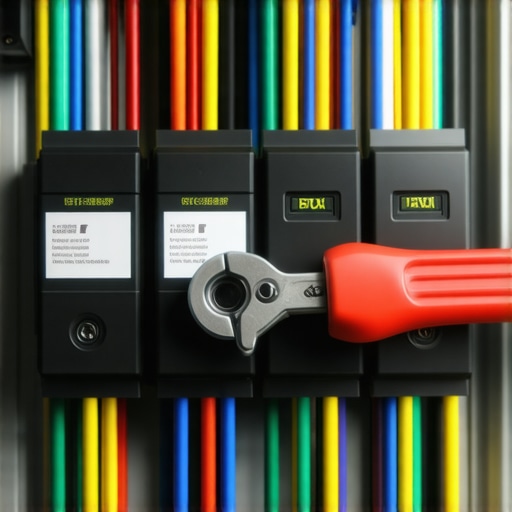
Crunch the Numbers Before You Buy the Hardware
The math here isn’t just about addition; it’s about the 125% rule. The National Electrical Code (NEC) treats EV chargers as continuous loads. This means if your charger is rated for 48 amps, you must have a 60-amp breaker. Now, try doing that for two cars. You’re looking at 120 amps of dedicated breaker space. If you’re on a 100-amp main service, you’ll need to calculate if your service can handle a daily commute for two vehicles. In many cases, you’ll find that upgrading your panel for better charging performance is the only way to avoid shutting down your whole house in the middle of the night.
Don’t Let the Inspector Walk Away in Disgust
I remember my first inspection vividly. I had everything wired up, the chargers were humming, and I felt like a genius. The inspector walked in, pulled out a torque wrench, and clicked it against the lugs. Silence. I hadn’t torqued them to the 45 inch-pounds required by the manufacturer. He failed me on the spot. It turns out, the forgotten torque spec is one of the top reasons people fail their final sign-off. Beyond the lugs, you must respect the physical room around the panel. The new garage panel clearance rules are much stricter now. You need 30 inches of width and 36 inches of depth in front of that panel. If you’ve got a workbench or a stack of winter tires in the way, you’re going to fail before the inspector even opens the panel door.
Choose Hardwired Connections Over Plugs Every Time
While NEMA 14-50 plugs are popular for their ‘plug-and-play’ appeal, they are a weak point in a high-demand garage. For a dual-charger setup, hardwired connections are vastly superior. They eliminate the risk of a melting outlet and allow for higher amperage settings. Plus, many modern dual-chargers use a communication cable or Wi-Fi to ‘talk’ to each other, ensuring they never exceed the sub-panel’s limit. This power-sharing tech is a lifesaver if you’re trying to use a 100-amp panel without a total service upgrade. Just make sure you pass your electrical inspection by documenting exactly how that load management is configured.Most people assume that if the breaker doesn’t trip, the system is perfectly safe. This is a dangerous myth that I see played out in garage fires every year. In reality, heat often builds up at connection points long before a breaker senses an overcurrent, leading to what I call the ‘silent sizzle.’ This is where the tiny neutral wire mistake that shuts down new ev charging circuits becomes a nightmare. If your neutral is loose or even slightly undersized, you are inviting a thermal runaway event that your panel literally cannot ‘see’ until the insulation starts to smoke. I’ve seen expensive Level 2 chargers fail within six months because the installer ignored the grounding impedance, assuming a simple metal rod in the dirt was enough. According to the Electrical Safety Foundation International (ESFI), a significant percentage of home electrical fires are caused by electrical system failures that standard breakers are not designed to detect, particularly under high-amperage continuous loads like EV charging. This is why ensuring code compliance when installing ev chargers isn’t just about satisfying a city inspector; it’s about protecting your home from invisible heat.
Is your neutral wire actually thick enough for a 48-amp load?
Many DIYers—and even some seasoned pros—make the mistake of reusing old appliance circuits that weren’t designed for the brutal, non-stop heat of an EV battery’s demand. This negligence often leads to 3 grounding errors that kill ev charger motherboards before they are a year old. It’s an incredibly expensive lesson to learn the hard way. Before you start swapping out expensive components, you should always consult ev charger troubleshooting expert tips for common issues to see if the problem is actually in your wiring rather than the charger itself. 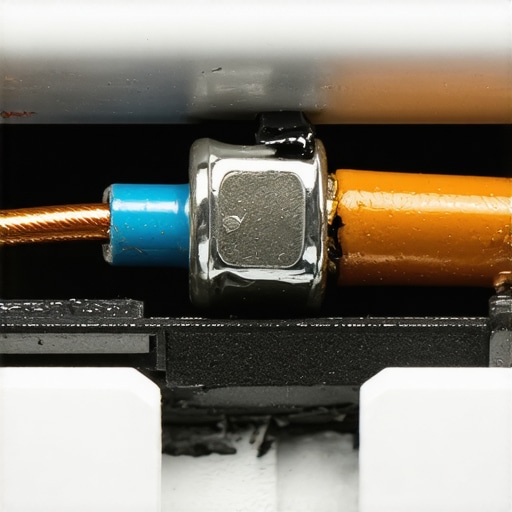 If you are deep in the planning stages for a dual-charger setup, you must implement panel upgrade strategies to meet ev charging code requirements in 2025. These new standards account for the cumulative heat of two vehicles pulling power simultaneously, something the older codes barely touched on. Have you ever fallen into the ‘it hasn’t tripped yet, so it must be fine’ trap? Let me know in the comments below, and let’s keep your garage safe.
Own the Tools That Professional Installers Use
I don’t care how expensive your chargers were; if you aren’t monitoring the system, you’re flying blind. After my near-disaster, I bought a Klein Tools non-contact infrared thermometer, and it changed everything. I use it once a month to scan the breaker handles and the feeder lugs while both cars are pulling their full load. If I see a temperature jump of more than 20 degrees over ambient room temperature, I know a connection is loosening. This is the simplest way to spot a dangerous heat build-up in your ev charging cable or at the terminal before it causes a fire. You should also keep a dedicated torque screwdriver in your garage. According to a technical bulletin from Schneider Electric, thermal cycling—the constant expansion and contraction of wires as they heat up and cool down—can actually back out screws over time. Re-checking those lugs to the manufacturer’s spec every year is the difference between a system that lasts a decade and one that melts in three years.
How do I maintain my home charging station over time?
Maintenance isn’t just about physical wires; it’s about the ‘brain’ of your charger too. I’ve seen dozens of users complain about slow speeds when the issue was actually outdated firmware. You need to know how to update your charger software without calling a technician. These updates often include thermal management patches that improve how the unit handles peak summer heat. If your app is acting up, don’t assume the hardware is broken; start by troubleshooting ev charger connectivity problems which are often caused by IP conflicts in your home router rather than the panel itself. By staying proactive, you can use ev charger troubleshooting expert tips for common issues to solve 90% of your problems without paying for a service call. 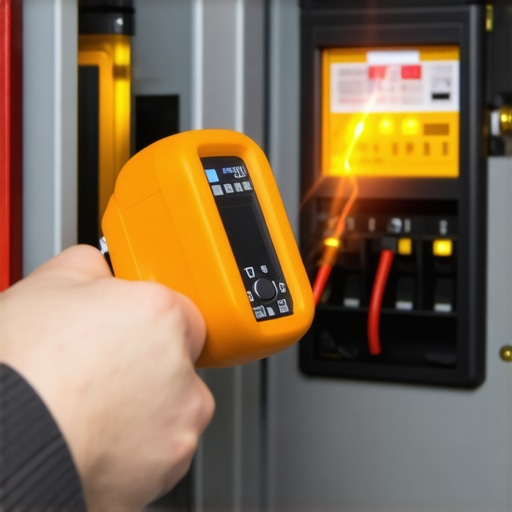
The Bidirectional Future Is Coming Fast
We are moving toward a world where your garage isn’t just a sink for power, but a reservoir. Bidirectional charging (V2H) is the next big trend, and your beefed-up 100-amp sub-panel is the perfect foundation for it. Soon, your EVs will power your home during a blackout, but that only works if your infrastructure is solid. If you haven’t done it yet, you should how to verify code compliance for your ev charger installation now so you don’t have to rip it all out when you want to add a home battery later. Dealing with troubleshooting ev chargers common compliance pitfalls and fixes today ensures your home is ready for the 2026 standards. Don’t forget to claim your 1200 2026 panel upgrade credit to offset the costs of these critical safety improvements. My challenge to you is simple: grab a thermometer this weekend, scan your panel under load, and see if you have any ‘hot spots’ hiding in plain sight.
What I Discovered While Staring at My Service Panel
The 80% rule isn’t a suggestion; it’s a hard physics requirement. If you ignore it, you’re not just risking a nuisance trip; you’re actively degrading your equipment’s lifespan and inviting thermal runaway. I’ve seen far too many DIY jobs fail because of a simple misunderstanding of how continuous loads affect breaker temp. Heat is the ultimate enemy in any high-amperage environment. A simple infrared scan once a month can save you thousands in repairs by catching a loose lug before it arcs. Finally, remember that your charger’s software is just as important as the copper wire. Keeping your firmware updated ensures the load-sharing logic actually works when two cars are thirsty, helping you avoid troubleshooting ev chargers common compliance pitfalls and fixes down the road.
Tools That Make the Job Actually Possible
I never step into the garage without my Klein Tools non-contact thermometer. It is the most cost-effective insurance policy you can buy for your home. For tightening connections, a dedicated torque screwdriver is non-negotiable to prevent the loose terminals that cause most electrical fires. I also highly recommend bookmarking the latest code compliance essentials for ev charger installations in 2025 to keep your project on the right side of the law. For the tricky stuff, I always lean on ev charger troubleshooting expert tips for common issues to navigate those weird ‘red light’ errors that don’t make sense at 10 PM. #IMAGE_PLACEHOLDER_E#
Get Your Home Ready for a High-Voltage Future
Upgrading your garage is a massive step toward energy independence and ensuring your home remains a modern asset. By performing a proper panel upgrade, you are protecting your cars, your home, and your peace of mind. The transition to electric transport is happening fast, and your infrastructure needs to keep up with the demand of multiple high-capacity batteries. If you’re feeling overwhelmed by the technical details or the local permit process, we are here to help through our direct contact page. Don’t let a fear of wires stop you from building the ultimate charging station. Have you checked the temperature of your charging breaker lately? Let me know what you found in the comments below!