I remember the exact moment I opened the utility app on my phone, expecting a modest $30 increase from my new Level 2 setup. Instead, my jaw hit the floor. My bill hadn’t just gone up; it had tripled. It felt like I was paying for my neighbor’s electricity along with my own. I was three weeks into EV ownership, feeling pretty smug about skipping the gas station, but looking at that $482 total, I felt a deep sense of betrayal. I honestly thought there was a leak in my electrical panel or that someone was siphoning power from my garage in the middle of the night. If you’ve just installed a home charging station and your heart skipped a beat when you saw your latest statement, you are definitely not alone, and more importantly, you haven’t necessarily made a massive mistake—you just haven’t learned the hidden rules of the grid yet. [image_placeholder_1]
The Moment My Green Dream Turned Into a Financial Nightmare
When I first started charging at home, I made a classic rookie move. I figured that since I had the power available, I should use it whenever it was most convenient for me. I’d get home at 5:30 PM, plug the car in immediately, and let it rip while I was also cooking dinner, running the AC, and doing three loads of laundry. I didn’t realize I was hitting the ‘triple threat’ of high costs: peak-hour rates, tiered pricing, and a total lack of load management. I hadn’t even stopped to tell if my electrical panel can actually handle a level 2 charger efficiently during those high-demand windows. It wasn’t just about the car; it was about how the car was interacting with every other appliance I owned. Most of us are used to paying a flat rate per kilowatt-hour, but many utilities are now switching to demand-based pricing or complex ‘Time of Use’ plans. I didn’t realize that by pulling 40 amps of power at the same time my HVAC kicked on, I was triggering a ‘demand spike’ that essentially told the utility company, ‘Hey, charge me the highest possible rate for every single watt I use today.’ It’s a frustrating realization, but once you see the pattern, you can break it.
Does This Mean Home Charging is a Total Scam?
It’s a fair question to ask when the numbers on the page don’t match the promises in the sales brochure. But here’s the reality: your charger is likely functioning perfectly. The problem usually lies in the ‘invisible’ factors of residential electricity that we never had to care about before. According to the U.S. Department of Energy, electricity rates can vary wildly depending on the time of day, sometimes costing homeowners three to four times more during ‘peak’ windows than during the middle of the night. If you’re charging when everyone else is, you’re paying a massive premium for that convenience. Today, we’re going to look at why this happens and how you can stop the financial bleeding. We will look at how to load balance your home electrical system to avoid those massive spikes and ensure you aren’t one of those people wondering why your new ev charger keeps shutting down your whole house or draining your savings. Have you ever opened your bill and wondered if your charger was secretly powering the entire neighborhood?
Slash Your Bill by Mastering the Scheduling Game
The first thing you need to do is treat your EV like a dishwasher, not a microwave. You wouldn’t run your dishwasher at 6:00 PM when everyone is showering and cooking, right? The same logic applies here. Most modern chargers and EVs have built-in scheduling software that is criminal to ignore. I used to be the guy who just plugged in and walked away. Now, I have my car set to wait until 2:00 AM to even begin pulling power. This shifts your usage into the ‘super off-peak’ window where rates are often a fraction of the cost. Think of the grid like a crowded highway: if you drive at rush hour, you pay the ‘traffic’ tax in time; if you charge at rush hour, you pay it in dollars. By setting a hard schedule, you ensure you are only buying the ‘cheap’ electricity. 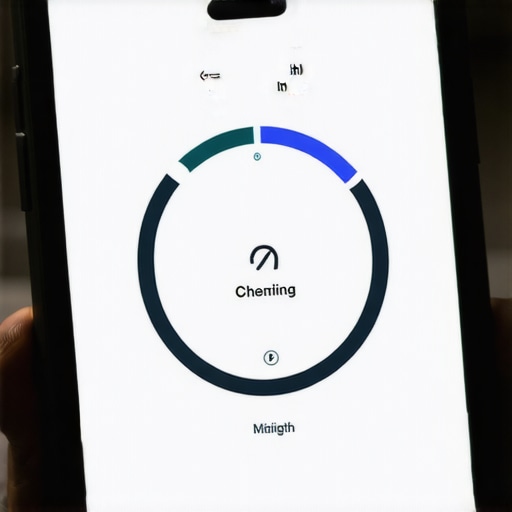
Sync Your App with Your Utility Plan
Go to your utility provider’s website and look for their ‘Time of Use’ (TOU) data. If you aren’t on a TOU plan, call them and switch. Most people are on a flat-rate plan that overcharges you at night to compensate for the day. Once you switch, you can map those exact hours into your charger’s settings. This is the simplest way to how to load balance your home electrical system without spending a dime on new hardware. I once forgot to reset my schedule after a software update, and my bill jumped $40 in a single week just because I was charging at 7:00 PM.
Check Your Hardware for Hidden Inefficiencies
Not all charging setups are created equal. If your breaker feels like a hot pocket or you smell a faint ‘ozone’ scent near the panel, you are literally burning money. Inefficiency often manifests as heat. I remember staring at my panel during a 100-degree July afternoon; I could literally hear a faint humming noise. When I touched the casing, it felt like a warm radiator. I realized that why your main breaker runs hot during level 2 charging is often a sign of poor contact or an overloaded bus bar. That heat is energy you are paying for that never reaches your car’s battery.
The Benefit of Moving to a Hardwired Connection
If you are currently using a NEMA 14-50 plug (the big dryer-style outlet), you might want to reconsider. While convenient, plugs introduce a point of resistance. Resistance creates heat, and heat is lost energy. This is one of the biggest reasons to consider the benefit of a hardwired charger over a nema plug. Hardwiring provides a more secure, low-resistance path for the electricity. It’s also safer for long-duration, high-amperage draws. If you’re working with limited space, you might need to look into how to add an ev charger to a home with a small 60-amp panel to ensure you aren’t constantly pushing your system to its absolute thermal limit.
Calibrate Your Amperage to Match Your Needs
Just because your charger *can* pull 48 amps doesn’t mean it *should* every single night. If you only drive 30 miles a day, you don’t need to jam 11kW into your car in two hours. Dialing back your charger’s output to 16 or 24 amps can reduce the strain on your home’s electrical system and potentially extend the life of your equipment. It’s the difference between a controlled flow and a fire hose; the controlled flow is much easier on your plumbing.Beyond just turning down the dial, there’s a persistent myth in the EV community that I see on every forum: if you have a 100-amp panel, you must upgrade to 200 amps before you even think about a Level 2 charger. Honestly? It’s often bad advice. While sales-driven contractors love a $5,000 service change, you can often get the same result by learning how to use a 100-amp panel for ev charging without a costly upgrade using smart load management. It’s not about the size of the metal box; it’s about the logic of the load. I’ve seen homeowners successfully set up systems where the charger automatically throttles down when the dryer is running, keeping them perfectly safe and code-compliant without the massive utility bill or infrastructure overhaul. 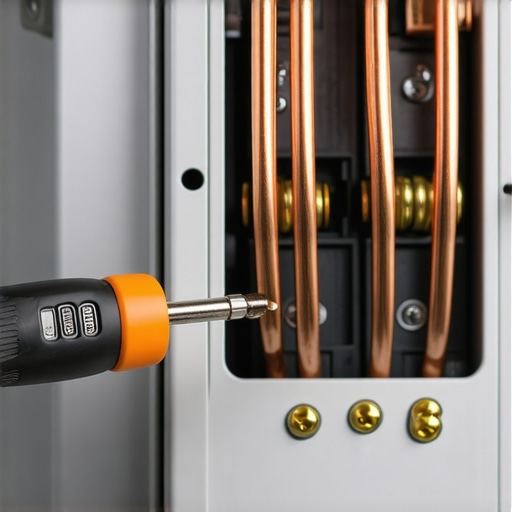
The Torque Trap That Ruins Professional Installs
Even if your capacity is fine, there’s a technical error that ruins more DIY and entry-level installs than anything else: terminal torque. Most people think hand-tight is good enough. It isn’t. According to the National Fire Protection Association (NFPA), improper connection torque is a leading cause of electrical failures and fires in residential settings. If you don’t use a calibrated torque screwdriver, you are essentially gambling with your home’s safety. This is the forgotten torque spec that fails half of all panel inspections. If that terminal is just a few inch-pounds too loose, it creates resistance and heat; if it’s too tight, it crushes the conductor and creates a dangerous hot spot that can melt your breaker over time.
Why does your EV charger trip the breaker only on hot afternoons?
It’s a classic advanced-level headache. You might think your charger is faulty, but it’s often a combination of ambient temperature and thermal-magnetic breaker physics. Breakers aren’t just on-off switches; they are heat-sensitive safety devices. When your garage is 100 degrees and your car is pulling 40 amps for six hours, the internal components of the breaker reach their trip point much faster than they would at midnight. Understanding why your ev charger trips the breaker only on hot afternoons is key to troubleshooting without replacing parts unnecessarily. Sometimes, the fix is as simple as adding ventilation to the garage or re-arranging the breakers in the panel to allow for better airflow.
Staying Ahead of the New Code Standards
Then there’s the legal side of things. With recent updates to the National Electrical Code, panel upgrade strategies to meet ev charging code requirements in 2025 now focus heavily on automated energy management systems (EMS). If you’re just winging it based on a tutorial from three years ago, you’re likely already out of compliance. Dealing with troubleshooting ev chargers common compliance pitfalls and fixes early on will save you from a rejected permit or a denied insurance claim later. Have you ever fallen into this trap where you thought everything was perfect, only to have an inspector fail you for a minor torque or spacing detail? Let me know in the comments.
I’ve spent years upgrading your panel for better ev charging performance and the biggest lesson I learned was that maintenance is cheaper than repair. After that initial billing shock I mentioned earlier, I became a bit of a data nerd. I realized that my electrical system isn’t a ‘set it and forget it’ appliance; it is a high-performance machine that requires a little bit of respect. If you want to avoid expensive service calls, you need to start thinking like a technician. I keep a $50 infrared thermometer in my garage drawer, and once a month, while the car is pulling its full 40 amps, I point it at my main breaker. If I see anything over 140 degrees Fahrenheit, I know I have a loose connection or a failing breaker before it ever has a chance to shut down my house.
Stop Guessing and Start Seeing Your Panel’s Heat
Using a thermal tool is the single most important thing you can do for long-term safety. I’ve seen panels where everything looked perfect to the naked eye, but the thermal scan revealed a hidden fire hazard. Seeing why your main breaker runs hot during level 2 charging through a lens makes it impossible to ignore the signs of wear. Beyond just checking for heat, you should be proactive about the physical hardware you touch every day. I’ve made it a habit to check the charging handle itself for any signs of pitting or discoloration on the metal pins. According to the official technical documentation from Wallbox, failure to periodically check the physical integrity of the J1772 pins can lead to increased resistance, which slows down your charge and can eventually melt the plastic housing of your car’s inlet. #IMAGE_PLACE_HOLDER_D#
How can I keep my charging setup running like new for years?
Maintenance doesn’t have to be complicated. Every six months, I use a can of electronic contact cleaner to ensure the connection between my car and the charger is seamless. Learning how to clean the pins on your charging handle safely is a five-minute job that can save you from a $2,000 repair bill for a fried onboard charger. Also, don’t ignore the digital side of things. Most people forget that their chargers are essentially computers hanging on a wall. You should regularly check for firmware updates; I’ve seen updates that literally improve the efficiency of the power conversion by 2-3%. You can usually learn how to update your charger software without calling a technician right through the manufacturer’s app.
Don’t Buy a Second Panel When You Can Buy a Smart Load Manager
The future of home charging isn’t about bigger panels; it’s about smarter ones. We are heading toward a world of ‘Vehicle-to-Home’ (V2H) where your car actually powers your house during a blackout. If you are planning on adding a second EV to your family, don’t rush into a $5,000 service upgrade. I’m already looking at how to upgrade your garage sub-panel for dual charging stations using power-sharing technology. This allows two chargers to ‘talk’ to each other and split a single 50-amp circuit. If you’re struggling with current issues, check out these ev charger troubleshooting expert tips for common issues to see if a software fix can solve your capacity problems. My challenge to you? Go to your garage tonight while the car is charging and just listen. If you hear buzzing or smell something ‘sweet’ like burning plastic, stop charging immediately and grab a torque wrench. You might just save your house.
What I Learned from a Five Hundred Dollar Billing Mistake
Reflecting on my journey with home charging, I realized that the technology isn’t nearly as daunting as the ‘silent’ rules of the electrical grid. Here are the three lightbulb moments that finally brought my utility bill back to earth and gave me peace of mind:
- Amperage is a choice, not a mandate: Just because your charger is rated for 48 amps doesn’t mean you have to use it. Dropping to 32 amps reduced my panel temperature significantly and saved me from a costly service upgrade I didn’t actually need.
- Thermal health is the ultimate indicator: Your ears and eyes can miss things, but heat never lies. If you notice why your charging cable gets warm and when you should actually worry, you can catch a failure before it becomes a fire hazard.
- Compliance is your insurance safety net: Cutting corners on a permit might save $200 today, but it could cost you $500,000 if a claim is denied. Always ensure you follow the latest code compliance essentials for ev charger installations in 2025.
The Three Tools I Keep in My Garage Drawer
I don’t believe in over-complicating things, but there are three resources that changed everything for me. First, a simple Infrared Thermometer. It’s the fastest way to check for ‘hot spots’ on your breakers without touching live wires. Second, a Calibrated Torque Screwdriver; as I mentioned before, hitting the forgotten torque spec that fails half of all panel inspections is the difference between a secure home and a melted bus bar. Finally, use your Utility’s Green Button Data. Most providers allow you to download a CSV of your hour-by-hour usage. It’s the only way to truly see if your charging schedule is hitting those expensive peak windows.
Start Owning Your Electricity Today
Switching to an EV shouldn’t feel like you’ve handed your wallet over to the utility company. By taking a proactive approach to maintenance and understanding the nuances of your home’s capacity, you turn a potential liability into a high-performance asset. If you are still on the fence about your current setup, take a moment to review panel upgrades for ev chargers what you need to know to determine if your hardware is truly ready for the long haul. If you hear 3 scary noises your electrical panel makes when charging an ev, don’t wait—shut it down and investigate. You have the tools and the knowledge to master your home charging system. Have you ever discovered a loose wire or a hot breaker in your panel that surprised you? Let me know in the comments below!