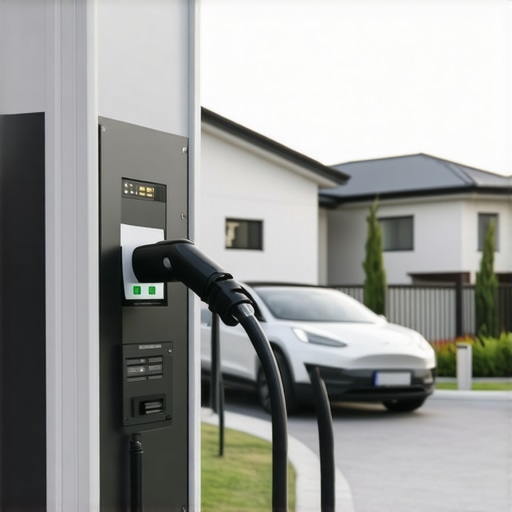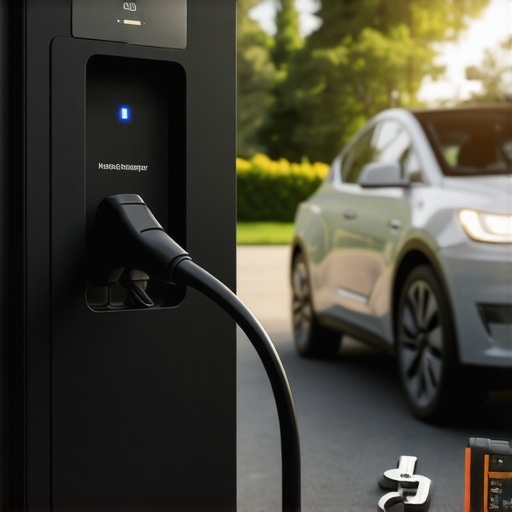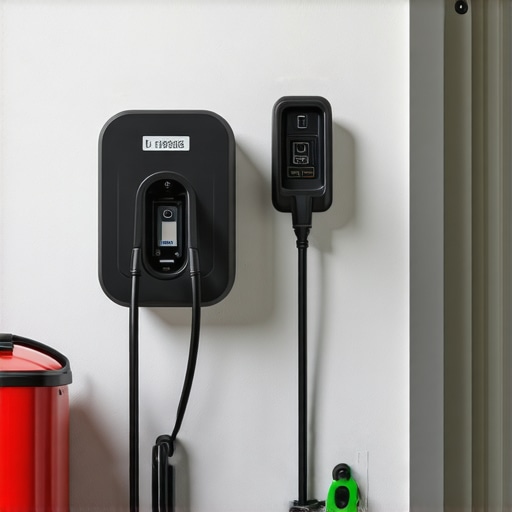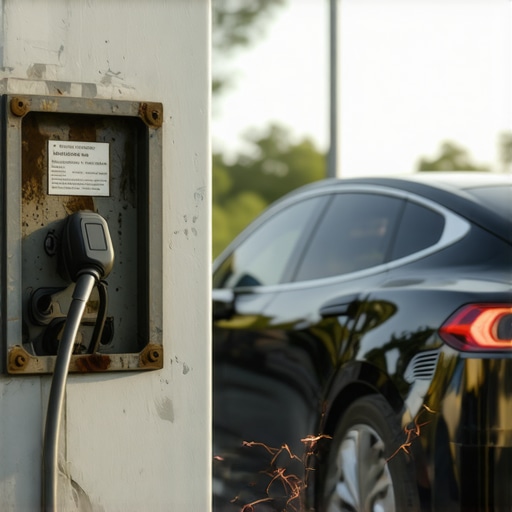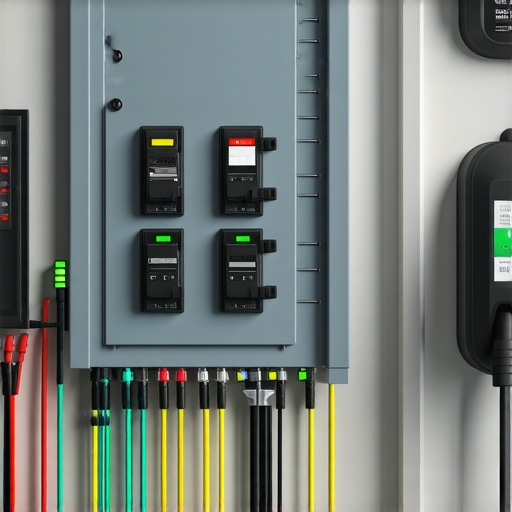
Troubleshooting EV Chargers: Reliable Fixes & Compliance Guidelines 2024

My Journey with EV Charger Troubleshooting: A Personal Perspective

Ever since I decided to go electric, I knew that reliable charging was crucial. I remember the first time my EV charger refused to work, and I felt a mix of frustration and curiosity. That experience sparked my interest in understanding how to troubleshoot common issues confidently. Over time, I’ve learned practical tips that can help anyone avoid unnecessary repairs and ensure their EV charging setup remains safe and compliant with 2024 standards.

Understanding the Common Causes of EV Charger Problems

In my experience, most EV charger issues boil down to simple, fixable problems. Sometimes, it’s as straightforward as a loose connection or a tripped circuit breaker. I’ve found that inspecting the charger and the electrical panel regularly can preempt many issues. For example, faulty wiring or outdated panels can cause frequent disruptions. Upgrading your panel not only improves performance but also ensures compliance with current safety codes, which is vital for safe EV charging.

How to Troubleshoot Your EV Charger Like a Pro

When my charger starts acting up, I follow a systematic troubleshooting approach. First, I check the power source—making sure the outlet is functioning correctly. Next, I inspect the physical connections and cables for any visible damage. If everything looks okay, I reset the charger and check the error codes, which often provide clues. For persistent problems, consulting an expert or scheduling a professional inspection is always a good idea. Remember, ensuring your installation meets [current code compliance standards](https://brightsparkzelectric.com/ev-charger-troubleshooting-expert-tips-for-common-issues) is essential for safety and reliability.

What Are the Best Practices for Ensuring Your EV Charging System Is Safe and Up to Date?

From my personal experience, regular maintenance and professional inspections are your best allies. I recommend consulting with licensed electricians who specialize in EV charger installations. They can verify that your system adheres to the latest safety standards and recommend upgrades if necessary. For example, upgrading your electrical panel can drastically improve charging efficiency and safety. I found that [panel upgrades for EV chargers](https://brightsparkzelectric.com/panel-upgrades-for-ev-chargers-what-you-need-to-know) can be straightforward when done by professionals, giving me peace of mind during every charge.

Why is it so important to verify code compliance when troubleshooting EV chargers?

Verifying code compliance isn’t just about following regulations; it’s about your safety and the longevity of your charging system. Non-compliant installations can pose fire hazards or lead to electrical failures. I always double-check that my setup aligns with local codes, and I rely on guidance from authoritative sources like the National Electrical Code (NEC). Ensuring compliance also helps avoid costly fines or insurance issues down the line. If you’re unsure, I suggest consulting with experts who can provide detailed compliance checks. You can find helpful resources and professional assistance at [Bright Spark Electric](https://brightsparkzelectric.com/how-to-verify-code-compliance-for-your-ev-charger-installation).

Feeling confident in troubleshooting my EV charger has made my charging experience smoother and safer. If you’ve faced similar issues or have tips to share, I encourage you to comment below or reach out to a professional. Remember, proactive maintenance and expert guidance are your best tools for reliable, safe EV charging in 2024!

Deep Dive into Electrical Panel Upgrades for Optimal EV Charging

As I delved into troubleshooting more complex EV charger issues, I realized that many problems stem from outdated or insufficient electrical panels. Upgrading your panel is not just about fixing current problems but also about future-proofing your home for increased power demands. Modern panels can support higher amperage, which is essential as EV chargers become more powerful and faster. An upgrade can also help you avoid frequent outages caused by overloaded circuits, ensuring your vehicle charges efficiently and safely. For detailed guidance, exploring panel upgrades for EV chargers is invaluable.

Understanding the Nuances of Code Compliance in EV Charger Installations

One aspect I emphasize is the importance of thorough code compliance verification. Non-compliance can lead to serious safety hazards, such as electrical fires or damage to your vehicle’s charging system. I recommend consulting authoritative resources like the National Electrical Code (NEC) and engaging licensed electricians who specialize in EV infrastructure. Regular inspections and adherence to local regulations help prevent costly repairs and legal issues down the line. For a comprehensive approach, check out expert tips on code compliance to ensure your setup is both safe and compliant.

How Can Advanced Troubleshooting Techniques Save You Time and Money?

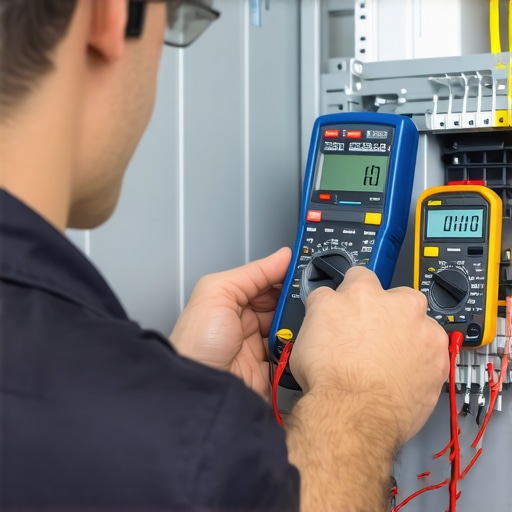
Beyond basic checks, advanced troubleshooting involves understanding the subtle signs of electrical issues. For example, persistent circuit breaker trips might indicate wiring faults or panel overloads that require professional diagnosis. Using diagnostic tools and error code analysis can pinpoint specific problems without unnecessary part replacements. In my experience, staying updated with the latest troubleshooting methods—such as inspecting for hidden wiring damage or testing voltage stability—can save significant time and money. If you’re interested in deepening your troubleshooting skills, I recommend exploring expert troubleshooting tips that cover a broad spectrum of potential issues.

Are there emerging technologies that could revolutionize EV charger troubleshooting and safety?

Absolutely. The integration of smart diagnostics and IoT-enabled systems is transforming how we maintain and troubleshoot EV chargers. These systems can automatically detect faults, monitor electrical parameters in real-time, and notify homeowners or electricians of potential issues before they escalate. For instance, smart panels equipped with remote diagnostic capabilities can help identify overcurrent conditions or wiring faults instantaneously, reducing downtime and enhancing safety. As these technologies become more affordable and widespread, they will empower homeowners and professionals alike to achieve safer, more reliable charging setups. According to a recent report by DOE’s Office of Electricity, embracing these innovations will be critical for the evolving landscape of electric vehicle infrastructure.

If you’re eager to learn more about integrating smart solutions into your EV charging setup or need personalized advice, don’t hesitate to reach out through our contact page. Sharing your experiences or asking questions can also help build a community of informed homeowners committed to safe and efficient EV charging in 2024.

Unraveling the Subtleties of Electrical Diagnostics: My Personal Experience

Over the years, I’ve realized that troubleshooting isn’t just about following a checklist; it’s about developing an intuitive sense for electrical nuances. One memorable instance involved a persistent tripping circuit breaker, which I initially thought was a simple overload. However, after consulting detailed diagnostic tools and cross-referencing error codes with authoritative sources like the National Electrical Code (NEC), I uncovered a hidden wiring fault that was causing subtle voltage fluctuations. This experience taught me that advanced troubleshooting often requires patience, curiosity, and a willingness to dig deeper beyond surface symptoms.

How Modern Technologies Are Transforming DIY EV Charging Safety

Recently, I’ve been exploring the integration of smart diagnostic systems into my home setup. These IoT-enabled panels continuously monitor electrical parameters and send alerts when anomalies are detected, allowing me to preemptively address potential issues. According to a report by the DOE’s Office of Electricity, such innovations are expected to become standard, making EV charging safer and more reliable. Embracing these technologies has been a game-changer, providing peace of mind during every charge and reducing the need for frequent manual inspections.

What Are the Nuances of Ensuring Long-Term Code Compliance?

While code compliance might seem straightforward at first—simply following the latest regulations—it involves a nuanced understanding of local amendments, recent updates, and specific installation conditions. For instance, I learned that a simple panel upgrade could inadvertently lead to non-compliance if not properly integrated with existing wiring. Engaging with licensed electricians who specialize in EV infrastructure and thoroughly reviewing resources like compliance guidelines helps ensure that every aspect of the installation adheres to safety standards. This proactive approach not only safeguards my family but also extends the lifespan of my charging system.

Deepening My Knowledge Through Community and Continuous Learning

Sharing experiences with fellow EV owners and electricians has been invaluable. Online forums and local workshops often reveal hidden issues or innovative solutions I hadn’t considered. For example, I recently learned about the benefits of installing a dedicated circuit for high-capacity chargers, reducing the risk of overloads. If you’re interested, I suggest exploring expert troubleshooting tips and engaging with community resources. Your insights and questions can also help foster a collective knowledge base, making everyone’s charging experience safer and more efficient.

Reflecting on the Future of EV Charging Safety and Reliability

Looking ahead, I believe that staying informed about emerging technologies and evolving standards will be crucial. As electric vehicles become more mainstream, the complexity of their charging infrastructure will increase, demanding higher standards of safety and professional oversight. Personally, I’m committed to continual learning—whether it’s upgrading my electrical panel, verifying code compliance, or adopting smart diagnostics. The journey of mastering EV charger troubleshooting is ongoing, but each step brings me closer to a safer, more reliable home charging environment. I invite you to share your own experiences or ask questions—together, we can navigate the evolving landscape of EV safety and ensure our systems are prepared for the future.

Beyond Basics: Exploring the Intricacies of Electrical Diagnostics in EV Charging

My personal journey into advanced troubleshooting has revealed that understanding the subtle electrical nuances can dramatically reduce downtime and repair costs. For instance, I encountered a persistent issue with voltage fluctuations that initially seemed minor but later uncovered hidden wiring faults. Using diagnostic tools like clamp meters and voltage testers, I could pinpoint the root cause—faulty wiring insulation that caused intermittent shorts. Such precision diagnostics require patience and a deep understanding of electrical systems, which I continuously refine through expert resources and hands-on experience.

How Smart Diagnostic Technologies Are Revolutionizing Home EV Charging Safety

The integration of IoT-enabled panels has been a game-changer. These systems monitor real-time electrical parameters, detect anomalies such as overcurrent or ground faults, and send immediate alerts to my smartphone. According to a recent report from the DOE’s Office of Electricity, smart diagnostics are poised to become standard in residential EV infrastructure. They significantly enhance safety by enabling preemptive maintenance, reducing fire risks, and ensuring compliance with evolving standards. This proactive approach has saved me from costly repairs and provided peace of mind during every charging session.

What Are the Key Considerations for Ensuring Long-Term Code Compliance in EV Charger Installations?

Maintaining code compliance isn’t a one-time checklist but an ongoing process. I learned that local amendments and updates to the National Electrical Code (NEC) can impact installation standards. Regular consultations with licensed electricians and thorough reviews of compliance guidelines help me stay aligned with current safety standards. For example, proper grounding, correct breaker sizing, and appropriate wiring methods are crucial for long-term safety and system longevity. Investing in professional inspections ensures that my setup remains compliant, reducing liability and enhancing system resilience.

Can Advanced Troubleshooting Tools Uncover Hidden Electrical Issues?

Absolutely. My experience with diagnostic tools like thermal cameras and oscilloscopes has uncovered hidden issues—such as subtle overheating in junction boxes or voltage surges—that are invisible to the naked eye. These insights allow me to address problems before they escalate, saving costs and preventing potential hazards. Staying updated with the latest troubleshooting techniques, including software-based error code analysis, has empowered me to diagnose complex issues efficiently. If you’re eager to deepen your troubleshooting skills, I recommend exploring expert troubleshooting tips tailored for homeowners and professionals alike.

How Can Emerging Technologies Improve Long-Term Reliability and Safety?

The future of EV charging safety lies in integrating AI-driven diagnostics and predictive analytics. These systems analyze historical data, predict potential failures, and suggest preventive measures. For example, machine learning algorithms can detect patterns indicating imminent wiring degradation or component failure, allowing for scheduled maintenance rather than reactive repairs. According to industry experts, such innovations will make EV infrastructure more resilient and safer, especially as charging loads increase with higher-power chargers. Embracing these advancements is essential for homeowners committed to long-term safety and efficiency. For personalized advice on adopting emerging tech, feel free to reach out through our contact page.

My Personal Reflection: The Power of Continuous Learning and Community Engagement

Throughout my journey, engaging with online forums, attending workshops, and collaborating with licensed electricians has enriched my knowledge. Sharing experiences about installing dedicated circuits or upgrading panels has revealed innovative solutions I hadn’t considered. For instance, I recently learned about the benefits of installing smart circuit breakers that can trip selectively, minimizing disruption. These interactions underscore the importance of ongoing education and community involvement. I encourage fellow EV owners to leverage resources like troubleshooting guides and professional networks to stay ahead in safety and reliability.

Things I Wish I Knew Earlier (or You Might Find Surprising)

1. The Hidden Power of Regular Inspections

Early in my EV journey, I underestimated how much a simple visual check could prevent costly issues. Periodic inspections of connections and cables can reveal wear or loose fittings before they become serious problems, saving me time and money.

2. Upgrading Your Electrical Panel is a Game Changer

I used to think my existing panel was enough, but upgrading it to support higher amperage made my charging faster and safer. It’s a proactive step that future-proofs your home for increased power demands.

3. Code Compliance Isn’t Just for Regulations — It’s About Safety

Verifying that your setup meets local electrical codes has given me peace of mind. Non-compliance can be dangerous, so I always double-check with professionals and trusted resources to stay safe.

4. Smart Diagnostics Are the Future

Integrating IoT-enabled panels that monitor electrical health in real-time has transformed my troubleshooting approach. These tools alert me to issues early, preventing potential hazards and system failures.

5. Deep Troubleshooting Requires Patience and Curiosity

Sometimes, issues aren’t visible or obvious. Using diagnostic tools like voltmeters and thermal cameras helped me uncover hidden wiring faults, emphasizing the importance of continual learning and curiosity.

6. Community and Expert Resources Are Invaluable

Engaging with online forums and professional electricians has expanded my understanding. Sharing experiences and seeking advice can lead to practical solutions that I wouldn’t discover alone.

Resources I’ve Come to Trust Over Time

Parting Thoughts from My Perspective

Looking back, the most valuable lesson I’ve learned is that proactive maintenance and continuous learning are key to safe, reliable EV charging in 2024. Verifying code compliance, upgrading your electrical infrastructure, and embracing smart diagnostics can make a huge difference in your experience. If this resonates with you, I’d love to hear your thoughts or experiences. Sharing knowledge helps us all stay safer and more efficient. Feel free to reach out or comment below — let’s keep the conversation going and make EV charging safer for everyone!

Affordable Electrical: Expert Panel Upgrades & EV Charger Code Compliance Tips

Discovering the Value of Affordable Electrical Upgrades

I’ll never forget the day I decided to upgrade my home’s electrical panel. It was during a major EV charger installation, and I realized how crucial a reliable, code-compliant electrical system is. As an enthusiast of sustainable living, I wanted to ensure my electric vehicle (EV) charging setup was both safe and budget-friendly. That experience sparked my interest in affordable electrical solutions, especially panel upgrades and proper code adherence.

Why I Chose Expert Panel Upgrades for My EV Setup

When I first researched panel upgrades, I was overwhelmed by the technical jargon and safety standards. But I learned that a professional upgrade isn’t just about capacity; it’s about ensuring safety and compliance. I found that expert panel upgrades can significantly enhance your home’s electrical performance while keeping costs reasonable. Plus, a properly upgraded panel supports future expansion, like adding more EV chargers or solar integrations.

What I Learned About EV Charger Code Compliance

One thing I didn’t want was to run into issues with local authorities or insurance companies. Ensuring my EV charger met all code compliance standards was essential. I discovered that proper installation and adherence to electrical codes not only keep my family safe but also prevent costly fines or safety hazards down the line. It’s fascinating how following regulations, like those outlined by the National Electrical Code, can make a big difference in the longevity and safety of your setup.

How Do I Verify Code Compliance for My EV Charger?

Verifying compliance can seem daunting, but I found some straightforward steps. First, always work with licensed electricians who are familiar with local codes. Then, I checked out resources such as these guidelines that walk you through the process. Ensuring your installation adheres to local electrical codes is vital for safety and future-proofing your home. Trust me, it’s worth the extra effort to get everything done right.

What are the common pitfalls when upgrading panels or installing EV chargers?

In my experience, common pitfalls include underestimating power requirements or neglecting code updates. Sometimes, DIY efforts can overlook critical safety steps, leading to problems later. That’s why consulting with professionals and ensuring your setup is compliant from the start is the best approach. If you’re curious about troubleshooting or need expert advice, I recommend checking out these troubleshooting tips.

If you’re planning similar upgrades, I encourage you to share your experiences or ask questions in the comments. It’s always rewarding to connect with others navigating the same journey toward safe, affordable, and efficient home electrical systems.

Deep Dive into Electrical Code Compliance for Safe EV Charging Installations

Understanding and adhering to electrical codes is fundamental for homeowners investing in EV chargers. Not only does compliance ensure safety, but it also protects your investment and maintains insurance validity. Regulations such as the National Electrical Code (NEC) specify requirements for wiring, grounding, and circuit capacity, which are critical during installation or upgrades. For instance, NEC 625.45 mandates dedicated circuits for EV chargers, emphasizing the importance of proper circuit separation for safety and performance. To navigate these regulations effectively, consulting resources like professional guidelines is invaluable. An expert electrician can help verify your setup meets all local and national standards, making your home safer and compliant.

What Are the Key Considerations When Upgrading Your Electrical Panel for EV Charging?

Upgrading your electrical panel is more than just increasing capacity; it’s about future-proofing your home. A professional panel upgrade ensures your system can handle higher loads safely, especially when multiple EV chargers or solar systems are involved. Consider factors like current panel capacity, wiring integrity, and the availability of space for new breakers. For example, a panel upgrade might involve adding a subpanel or replacing the main panel to meet increased demands. I recommend reviewing these expert tips to understand the process better. Properly upgrading your panel not only boosts performance but also aligns with safety standards and code requirements, preventing potential hazards down the line.

How Can I Verify That My EV Charger Installation Meets All Safety and Code Standards?

Verifying compliance involves multiple steps, from selecting licensed electricians to thorough inspections. It’s essential to work with professionals experienced in EV charger installations who understand local codes and regulations. Once installed, you can request a formal inspection or review documentation to confirm adherence. Additionally, resources like these guidelines provide a practical checklist to ensure your setup is compliant. Remember, a compliant installation isn’t just about avoiding fines; it’s about safeguarding your home and loved ones from electrical hazards. Consulting with experts ensures your system is both safe and efficient, adhering to the latest safety standards.

What Challenges Might Arise During Electrical System Upgrades, and How Can Experts Address Them?

Common challenges include underestimating load requirements, incompatible wiring, or outdated panels that don’t meet current standards. DIY efforts can sometimes overlook critical safety aspects, leading to potential failures or code violations. Experts address these issues by conducting comprehensive assessments and employing advanced diagnostic tools. They also stay updated with evolving regulations, such as recent code changes in 2024, which might introduce stricter requirements for grounding or circuit protection. If you’re interested in troubleshooting or avoiding common pitfalls, I recommend exploring these troubleshooting tips. Working with professionals not only ensures compliance but also optimizes your system’s performance and longevity.

For those planning future upgrades or seeking expert assistance, don’t hesitate to reach out through our contact page. Sharing your experiences or questions can lead to valuable insights and a safer, more reliable home electrical system.

Balancing Safety and Innovation: My Personal Journey with Panel Upgrades and Code Compliance

Over the years, my journey into home electrical upgrades has been both challenging and rewarding. I’ve learned that beyond simply increasing capacity or installing an EV charger, understanding the intricate details of electrical code compliance is vital for long-term safety and efficiency. When I first considered upgrading my panel, I was eager to support my growing EV charging needs, but I soon realized that the real challenge was ensuring every step adhered to strict standards — a process that demanded both technical knowledge and a cautious approach.

Why Deep Dive into Code Regulations Is Worth It

It’s tempting to think that a quick DIY upgrade can suffice, especially when local regulations seem complex or overwhelming. However, I discovered that even minor oversights, like neglecting proper grounding or underestimating circuit load, can lead to serious safety hazards. The National Electrical Code (NEC), especially sections like NEC 625.45, provides clear guidance on dedicated circuits for EV chargers, emphasizing that adherence isn’t just bureaucratic red tape — it’s about safeguarding my family and property. Consulting authoritative sources such as these detailed guidelines helped me appreciate the nuances that can make or break a safe installation.

How Do Advanced Upgrades Challenge Traditional Thinking?

Upgrading a panel isn’t just about capacity; it involves rethinking the entire electrical infrastructure of a home. For instance, I had to consider future-proofing—anticipating additional EV chargers, solar integrations, or even home automation systems. A simple capacity increase might not suffice if wiring or grounding aren’t upgraded simultaneously. I found that engaging with professionals who understand recent code updates in 2024—such as stricter grounding or circuit protection requirements—can prevent costly revisions later. To deepen my understanding, I revisited these expert tips, which clarified the importance of comprehensive planning in panel upgrades.

What Are the Nuances of Ensuring Long-Term Compliance and Safety?

One of the most valuable lessons I learned was that compliance is an ongoing process, not a one-time checklist. Periodic inspections, updates to safety standards, and staying informed about local amendments are essential. For example, recent changes in 2024 have introduced new grounding protocols that I had to incorporate into my setup. My approach involved detailed documentation and working closely with licensed electricians to verify every aspect of the installation—something I highly recommend. For those interested, these troubleshooting resources can help identify common pitfalls and ensure your system remains compliant over time.

How Can You Build Confidence in Your Electrical Projects?

Building confidence starts with education and partnership. I found that asking questions, seeking second opinions, and referencing authoritative sources like the NEC or reputable electrical guidelines provided peace of mind. Sharing experiences and challenges with others—whether through online forums or professional consultations—can also be invaluable. If you’re contemplating your own upgrades, I encourage you to explore our contact page for expert advice tailored to your specific needs. Remember, safety and compliance are investments that pay off in peace of mind and long-term savings—so don’t shy away from deepening your understanding and asking for help when needed.

Integrating Smart Home Systems within Electrical Upgrades

As I progressed with my electrical upgrades, I realized that integrating smart home technology added another layer of complexity and opportunity. Proper panel upgrades facilitate seamless integration of smart systems, enabling remote monitoring, automated load management, and enhanced safety features. I learned that ensuring your electrical infrastructure can support devices like smart meters, automated breakers, and energy management systems requires careful planning and adherence to evolving standards. For example, using dedicated circuits for smart devices and employing surge protection can prevent damage during power fluctuations. Consulting resources such as expert guidelines helps ensure that your smart integrations do not compromise safety or code compliance.

What Are the Nuances of Upgrading Grounding and Bonding for Long-Term Safety?

One of the critical yet often overlooked aspects of electrical upgrades is grounding and bonding. During my own journey, I discovered that modern codes, especially in 2024, emphasize robust grounding practices to prevent electrical shock hazards and improve system stability. Upgrading grounding systems entails installing grounding rods, ensuring proper conductor sizes, and using corrosion-resistant materials. Bonding all metallic parts, including panels, conduit, and grounding electrodes, creates a unified system that minimizes potential differences. I found that working with a knowledgeable electrician who stays updated with latest grounding standards is essential to avoid costly rework and ensure compliance. Proper grounding not only enhances safety but also improves the longevity and reliability of your electrical system.

How Can Advanced Diagnostic Tools Elevate Your Electrical System’s Reliability?

Throughout my upgrades, I became increasingly reliant on sophisticated diagnostic tools. Devices like clamp meters, insulation testers, and circuit analyzers provide real-time insights into current flow, wiring integrity, and potential faults. These tools enable proactive maintenance and precise troubleshooting, reducing downtime and preventing hazards. For instance, when I experienced intermittent charging issues with my EV, a detailed diagnostic revealed underlying wiring corrosion that would have otherwise gone unnoticed. Leveraging these tools, supported by guidance from expert troubleshooting resources, empowers homeowners to maintain safe and efficient systems long after initial upgrades. I highly recommend integrating diagnostic practices into your regular electrical assessments to stay ahead of potential issues.

How Do Updated Building Codes Influence Your Long-Term Electrical Strategy?

Keeping abreast of the latest building codes is vital for future-proofing your home’s electrical infrastructure. I found that recent amendments—like those in 2024—introduce stricter requirements for circuit protection, energy efficiency, and safety protocols. Understanding these regulations helps in planning upgrades that remain compliant over time, avoiding costly re-inspections or modifications. For example, new requirements for AFCI (Arc-Fault Circuit Interrupters) and GFCI (Ground Fault Circuit Interrupters) in specific areas influence breaker choices and wiring layouts. Engaging with authoritative sources such as these comprehensive guidelines ensures your electrical system aligns with current standards, providing peace of mind and long-term safety.

Interested in Elevating Your Home’s Electrical Resilience?

If you’re eager to delve into more advanced strategies for electrical safety, or if you want personalized advice on integrating new technologies while maintaining code compliance, I invite you to connect with me. Sharing our experiences and insights can lead to innovative solutions that enhance safety, efficiency, and sustainability in our homes. Visit our contact page to start a conversation or explore tailored recommendations. Remember, investing in knowledge and professional guidance today ensures a safer, more reliable electrical future for your home and loved ones.”,

Things I Wish I Knew Earlier (or You Might Find Surprising)

Hidden Power of Proper Grounding

When I first upgraded my electrical panel, I underestimated how crucial grounding is. It’s not just a safety checkbox; it’s the foundation that prevents shocks and system failures. I learned this the hard way when a minor oversight caused intermittent charging issues, which a professional quickly resolved by properly grounding the system. Trust me, investing time in understanding grounding standards like NEC 250 can save you headaches later.

The True Cost of DIY Upgrades

I was tempted to handle some upgrades myself to save money, but I soon realized that code compliance and safety are best left to licensed electricians. DIY attempts might seem affordable initially but can lead to costly rework or even safety hazards. I now recommend consulting experts—especially for panel upgrades or EV charger installations—to ensure everything is done to code and safely.

Future-Proofing Your Electrical System

Thinking ahead about future tech, like additional EV chargers or solar panels, is vital. I initially upgraded just for my current needs, but later found that planning for expansion saved me from another costly upgrade down the line. A comprehensive assessment with a professional can help you identify capacity gaps and plan accordingly, as outlined in resources like these expert tips.

Code Compliance Isn’t Just Red Tape

Understanding local electrical codes, such as NEC 625.45 for dedicated EV circuits, made me realize how vital compliance is for safety and insurance. Regulations are designed to protect homeowners, and working with knowledgeable electricians ensures your setup meets all standards. It’s an investment in peace of mind that pays off long-term.

Diagnostic Tools Are Game Changers

Using advanced diagnostic tools like circuit analyzers transformed my maintenance routine. They help detect issues early, like wiring corrosion or overloads, preventing bigger problems. I highly recommend homeowners incorporate these tools into their regular checkups, supported by guidance from these troubleshooting tips.

Resources I’ve Come to Trust Over Time

  • National Electrical Code (NEC): The definitive standard for electrical safety and installation practices. It’s essential for understanding what’s required for safe upgrades.
  • Bright Spark Electric Blog: A resource that offers clear, practical advice on EV charger safety, code compliance, and electrical panel upgrades. I refer to it regularly for insights and updates.
  • Local Electrical Codes and Regulations: Always check your local amendments and regulations, as they can differ from national standards but are equally important for compliance and safety.

Parting Thoughts from My Perspective

Embarking on electrical upgrades for safe EV charging has been an eye-opening journey. The most valuable takeaway is that safety and compliance aren’t just bureaucratic hurdles—they’re the backbone of a reliable, future-ready home. Proper grounding, understanding code requirements, and consulting experienced professionals have given me peace of mind and long-term savings. If you’re considering similar upgrades, I encourage you to educate yourself and seek expert help—your home and loved ones will thank you. If this resonated with you, I’d love to hear your thoughts or experiences—feel free to share in the comments or reach out through our contact page. Together, we can build safer, smarter homes for the future.

Panel Upgrades & Code Compliance for Safe EV Home Charging

Discovering the Importance of a Solid Electrical Panel When Embracing Electric Vehicles

When I first decided to switch to an electric vehicle, I knew that upgrading my home’s electrical system would be essential. I vividly remember the day I scheduled my initial consultation with a licensed electrician, feeling both excited and a little overwhelmed. Ensuring my home was ready for a reliable EV home charging station was no small task, but it turned out to be a rewarding experience that enhanced my understanding of home electrical safety.

Why I Learned That Panel Upgrades Are More Than Just a Fancy Addition

One of the key lessons I learned along the way was that a proper **panel upgrade** isn’t just about accommodating a new charger — it’s about **safety and efficiency**. An outdated electrical panel can pose serious risks, especially when supporting the high power demands of an EV charger. Upgrading my panel not only improved the charging speed but also gave me peace of mind knowing my home was compliant with local electrical codes. For detailed insights, I recommend checking out [Panel Upgrades & Code Compliance for Safe EV Home Charging](https://brightsparkzelectric.com/panel-upgrades-for-ev-chargers-what-you-need-to-know).

Ensuring Code Compliance: My Practical Approach

One thing I didn’t want to overlook was **code compliance**. I learned that each region has specific requirements, and working with a professional ensures that the installation adheres to safety standards. My electrician helped me verify that my setup met all relevant electrical codes, which you can also do by following [How to Verify Code Compliance for Your EV Charger Installation](https://brightsparkzelectric.com/how-to-verify-code-compliance-for-your-ev-charger-installation). This step was crucial in avoiding future issues and potential safety hazards.

Have You Considered How a Panel Upgrade Might Improve Your Home’s Electrical Reliability?

Reflecting on my experience, I realize that many homeowners overlook the importance of a properly upgraded electrical panel until something goes wrong. A reliable panel supports not just EV charging but also the overall electrical health of your home. If you’re contemplating a panel upgrade, I suggest exploring [Upgrading Your Panel for Better EV Charging Performance](https://brightsparkzelectric.com/upgrading-your-panel-for-better-ev-charging-performance). It’s a smart investment that pays off in safety, performance, and peace of mind.

What Are the Key Signs That My Panel Needs an Upgrade for Safe EV Charging?

If you’re wondering whether your current electrical setup is sufficient, look out for signs like frequent breaker trips, flickering lights, or an outdated panel that hasn’t been inspected recently. Consulting with a licensed electrician can help you assess your home’s readiness. Sharing your experience or asking questions in the comments can also help others make informed decisions!

For more trusted advice, I recommend visiting [Code Compliance & Panel Upgrades for Safe EV Charging](https://brightsparkzelectric.com/code-compliance-and-panel-upgrades-for-safe-ev-charger-installation), which offers comprehensive guidance on this vital topic.

Beyond Basics: How a Professional Panel Upgrade Can Transform Your EV Charging Experience

As electric vehicles become more mainstream, the demand for fast, reliable home charging intensifies. But did you know that the secret to seamless EV charging often lies in a well-executed electrical panel upgrade? Upgrading your panel isn’t just a technical necessity—it’s a strategic move to enhance safety, efficiency, and future-proof your home’s electrical system.

The Hidden Risks of Outdated Electrical Panels and How Upgrades Mitigate Them

Outdated panels can hide a host of issues—overloads, corrosion, or insufficient capacity—that threaten your home’s safety and your EV charging plans. An aging panel might trip breakers unexpectedly or worse, cause electrical fires. Expertly upgrading your panel ensures it can handle the high current loads without compromise. For specific guidance, explore [code compliance and panel upgrades](https://brightsparkzelectric.com/code-compliance-and-panel-upgrades-for-safe-ev-charger-installation) to ensure your system meets current safety standards.

Key Considerations When Planning Your Panel Upgrade for EV Charging

Choosing the right upgrade involves more than just capacity. It includes assessing your home’s future electrical needs, integrating dedicated circuits for EV chargers, and ensuring compatibility with local electrical codes. A professional electrician can help you navigate these complexities, providing a tailored solution that optimizes performance. For a detailed overview, see [upgrading your panel](https://brightsparkzelectric.com/upgrading-your-panel-for-better-ev-charging-performance).

What Are the Nuances in Ensuring Your Panel Upgrade Supports Safe and Efficient EV Charging?

Effective panel upgrades require a nuanced approach—balancing load calculations, grounding, and proper breaker selection. For example, a dedicated circuit for your EV charger minimizes risks and maximizes charging speed. Moreover, integrating surge protection and ensuring your wiring adheres to latest standards can prevent future issues. Consulting [expert troubleshooting tips](https://brightsparkzelectric.com/troubleshooting-ev-chargers-expert-tips-for-safe-reliable-power) can help you identify potential weak points before they become problems. Remember, a comprehensive upgrade not only supports current needs but also accommodates future expansions, making your home more resilient and prepared.

Thinking about the long-term benefits, a well-executed panel upgrade can significantly improve your home’s electrical reliability, reduce unexpected outages, and provide peace of mind. For homeowners eager to learn more about maintaining code compliance during upgrades, the resource [how to verify code compliance](https://brightsparkzelectric.com/how-to-verify-code-compliance-for-your-ev-charger-installation) offers valuable insights.

Share your experiences or ask questions in the comments—your insights might just help someone else navigate their own electrical upgrade journey! And if you’re curious about the latest trends or need tailored advice, don’t hesitate to [contact us](https://brightsparkzelectric.com/contact-us). Your safe, reliable EV charging future begins with the right upgrade today.

How Do Nuances in Panel Upgrades Impact Long-Term Residential Safety and Efficiency?

Reflecting on my journey with electrical upgrades, I realized that the subtle nuances—like proper grounding, breaker sizing, and load balancing—are often overlooked but critically influence the longevity and safety of your electrical system. For instance, I learned that a dedicated circuit for my EV charger not only optimized charging speed but also minimized risks of overloads and electrical fires. This insight came after reading detailed guidelines on [code compliance and panel upgrades](https://brightsparkzelectric.com/code-compliance-and-panel-upgrades-for-safe-ev-charger-installation), which highlighted how each component must work harmoniously within the system.

What Are the Complexities of Ensuring Your Panel Supports Future Electrical Demands?

One of the more sophisticated considerations I encountered was planning for future electrical needs. As EVs become more prevalent, and home automation grows, my electrician recommended a panel upgrade that accounts for potential expansion. This foresight ensures that I won’t face another costly upgrade in just a few years, aligning with advice from [upgrading your panel for better EV charging performance](https://brightsparkzelectric.com/upgrading-your-panel-for-better-ev-charging-performance). It’s about creating a resilient infrastructure capable of handling evolving demands without compromising safety or performance.

Have I Overlooked the Impact of Surge Protection and Wiring Standards in My Upgrade?

Absolutely. I discovered that integrating surge protection devices and adhering strictly to wiring standards could prevent unforeseen issues. For example, installing surge protectors protects against voltage spikes that could damage expensive EV charging equipment or other home electronics. Consulting resources like [expert troubleshooting tips](https://brightsparkzelectric.com/troubleshooting-ev-chargers-expert-tips-for-safe-reliable-power) helped me understand these complexities better. An upgrade isn’t just about capacity; it’s a comprehensive approach that includes safeguarding your entire electrical ecosystem.

Electrician installing a new electrical panel in a home attic, illustrating safety and upgrade process.

Engaging with the Community: Sharing Insights and Learning from Others’ Experiences

Throughout this process, I’ve found that engaging with fellow homeowners and professionals through comments and discussions provides invaluable insights. Hearing others’ experiences with panel upgrades, especially in regions with strict codes, has helped me refine my approach. I encourage you to share your own stories or ask questions—perhaps your experience with troubleshooting or code compliance could help someone else navigate their upgrade journey more smoothly. For further guidance, exploring [code compliance and panel upgrades](https://brightsparkzelectric.com/code-compliance-and-panel-upgrades-for-safe-ev-charger-installation) can provide detailed safety standards to keep in mind.

What’s Next? Embracing Long-Term Safety and Reliability in Home Electrical Systems

Looking ahead, I see my electrical system as an evolving framework—one that must adapt to technological advancements and increased demands. A well-planned, professionally executed panel upgrade is foundational to this vision. It’s about more than just meeting current needs; it’s about future-proofing my home’s electrical health. If you’re contemplating an upgrade, I recommend exploring [panel upgrade and code compliance tips](https://brightsparkzelectric.com/panel-upgrade-tips-for-code-compliance-reliable-ev-charging-2024) to ensure your project aligns with best practices and safety standards. Remember, investing in your electrical infrastructure today safeguards your home and peace of mind for years to come.

Delving Into the Nuances of Electrical Panel Configuration for High-Performance EV Charging

When I embarked on my journey to enhance my home’s electrical infrastructure for reliable EV charging, I quickly realized that the intricacies of panel configuration could make or break the system’s safety and performance. A deep understanding of load calculations, breaker selection, and grounding practices became essential. For example, ensuring a dedicated circuit for my EV charger not only improved charging speed but also minimized risks of overloads, which are often overlooked by homeowners unfamiliar with electrical standards. This meticulous approach aligns with the guidelines outlined by the National Electrical Code (NEC), emphasizing that proper panel configuration is vital for long-term safety and efficiency.

How Do Advanced Load Management Strategies Impact Future-Proofing Your Home’s Electrical System?

Implementing sophisticated load management strategies—such as dynamic circuit load balancing and integrating smart panels—can significantly future-proof your home. These solutions allow for seamless scaling as EV technology evolves and as additional electrical loads, like home automation systems, are added. For instance, smart panels equipped with real-time monitoring can automatically adjust loads to prevent overloads, extending the lifespan of your system and enhancing safety. To explore these innovations, I recommend reviewing detailed resources like upgrading your panel for better EV charging performance, which provides insights into integrating future-ready solutions.

What Are the Critical Considerations for Surge Protection and Wiring Standards in Advanced Upgrades?

In my experience, integrating surge protectors and adhering strictly to wiring standards are non-negotiable components of an advanced panel upgrade. Voltage spikes from lightning or grid fluctuations can damage sensitive EV chargers and other electronics, making surge protection a wise investment. Furthermore, wiring must meet or exceed current standards, ensuring proper conductor sizing, insulation, and grounding. Consulting authoritative sources like code compliance and panel upgrades ensures that every aspect of the upgrade aligns with safety regulations and best practices. It’s this comprehensive approach that transforms a simple upgrade into a resilient electrical system capable of handling the demands of modern technology.

Engage with the Community to Share Insights and Overcome Challenges

Throughout my upgrade process, engaging with fellow homeowners and industry professionals has been invaluable. Sharing experiences about troubleshooting complex issues or navigating code requirements often leads to innovative solutions and reassurance. I encourage you to participate actively in community discussions or consult with licensed electricians to gain nuanced perspectives. Your insights might help others avoid common pitfalls and elevate their electrical safety standards. For further expert guidance, explore troubleshooting EV chargers and other resources that demystify complex electrical challenges. Remember, mastering these advanced upgrade strategies not only ensures immediate safety but also fortifies your home for future technological advancements.

Things I Wish I Knew Earlier (or You Might Find Surprising)

The Subtle Art of Load Balancing

One thing I overlooked initially was how crucial proper load balancing is. I used to think that simply upgrading my panel was enough, but I learned that distributing electrical loads evenly prevents overloads and prolongs system life. It’s like giving each appliance its own lane on the highway—smooth and safe.

The Power of Future-Proofing

Planning for future electrical demands was a revelation. I realized that a panel upgrade isn’t just for today’s needs but a strategic move for years to come. Incorporating extra capacity and smart technologies can save a lot of headaches down the road, making my home adaptable to evolving tech.

The Importance of Professional Guidance

Initially, I thought I could handle the upgrade myself, but I soon discovered that expert advice is invaluable. A licensed electrician can navigate complex code requirements and ensure the system’s safety. Trust me, this is one upgrade where cutting corners isn’t worth it.

Surge Protection is a Game Changer

Installing surge protectors during the upgrade was a game changer. It shields my EV charger and other electronics from voltage spikes, preserving their lifespan and ensuring consistent performance. It’s a small investment with big peace of mind.

Wiring Standards Matter More Than You Think

Paying attention to wiring standards and insulation made a noticeable difference. Proper wiring not only ensures safety but also enhances charging efficiency. Overlooking this detail can lead to costly problems later, so I highly recommend following the latest standards diligently.

Resources I’ve Come to Trust Over Time

  • National Electrical Code (NEC): The backbone of electrical safety standards; a must-read for anyone considering panel upgrades.
  • Electrical Safety Foundation International (ESFI): Offers comprehensive guides and safety tips that helped me understand the importance of proper upgrades.
  • BrightSpark Electric Blog: Their detailed articles on EV charger installation and code compliance provided practical insights I couldn’t find elsewhere.

Parting Thoughts from My Perspective

Looking back, I realize that a well-executed electrical panel upgrade is a cornerstone of safe and efficient EV charging at home. It’s not just about supporting your vehicle but safeguarding your entire electrical system for the future. If you’re contemplating such an upgrade, my advice is to prioritize professional guidance, consider future needs, and never underestimate the importance of safety standards. This investment not only boosts your home’s performance but also brings peace of mind knowing your electrical system is resilient and ready for tomorrow’s technology. If this resonated with you, I’d love to hear your thoughts. Feel free to share your experiences or ask questions in the comments, and don’t forget to explore the resources I mentioned for more detailed guidance.

EV Charger Troubleshooting & Code Compliance Guide 2024

My First Encounter with EV Charger Troubleshooting: A Personal Reflection

When I first installed an EV charger at home, I thought it would be a straightforward plug-and-play experience. However, I quickly realized that troubleshooting issues and ensuring code compliance are essential steps for safe and reliable charging. My journey into understanding these aspects has been enlightening and rewarding.

The Hidden Challenges Behind EV Charger Connectivity Problems

One day, my charger suddenly stopped working, displaying an error code. I dived into troubleshooting, which involved checking the wiring, verifying the circuit breaker, and consulting the manufacturer’s manual. I found that many connectivity problems stem from minor wiring faults or outdated panel setups. This experience underscored the importance of proper installation and regular maintenance, as detailed in this troubleshooting guide.

Why Code Compliance Matters More Than Ever in 2024

Ensuring your EV charger installation meets the latest electrical codes isn’t just about legal compliance but about safety. I learned this the hard way when a neighbor’s faulty installation caused a small fire, highlighting the critical need for professional adherence to electrical standards. Reading about code compliance best practices gave me peace of mind and a clearer understanding of the safety protocols involved.

What Are the Key Steps to Verify Code Compliance and Safe Installation?

Verifying code compliance involves inspecting panel upgrades, wiring standards, and proper grounding. During my upgrade, I consulted with licensed electricians who recommended checking the panel’s capacity and ensuring it could handle the EV charger load. They also emphasized the importance of following local electrical codes, which are often aligned with the National Electrical Code (NEC). For detailed steps, I referred to this authoritative resource.

How Can I Future-Proof My Home’s Electrical System for Reliable EV Charging?

Future-proofing involves upgrading your electrical panel, installing dedicated circuits, and using high-quality wiring materials. I decided to upgrade my panel as recommended in this expert guide. Not only did it improve my EV charging experience, but it also added value and safety to my home. Remember, professional panel upgrades are crucial for reliable and safe EV charging in 2024 and beyond.

If you’re like me, navigating the world of EV charging can seem daunting, but with the right knowledge and professional support, you can enjoy safe and efficient charging. I encourage you to share your own experiences or ask questions in the comments below. Your insights could help fellow EV owners on their journey to safer, more reliable charging!

Deep Dive into the Nuances of EV Charger Safety Standards

Understanding the complexities of electrical safety standards is crucial for any homeowner or professional involved in EV charger installation. Beyond the basic NEC guidelines, many regions have their own specific codes, which evolve frequently to address emerging safety concerns. Staying informed about these updates ensures your setup remains compliant and safe. For instance, local amendments often specify grounding requirements or wire gauge standards that may differ from national norms. Regular consultation with licensed electricians and referencing authoritative resources like this comprehensive guide helps navigate these intricacies effectively.

How Do I Recognize the Signs of an Imminent Electrical Issue?

Expertise in troubleshooting involves more than fixing existing problems; it requires the ability to anticipate potential failures. Common warning signs include persistent tripping of circuit breakers, unusual noises from the panel, or warm outlets near the charger. These symptoms often indicate underlying wiring faults or inadequate panel capacity, which can compromise safety and charger reliability. Proactively addressing these issues through thorough inspections and upgrades, as discussed in this troubleshooting resource, prevents costly damage and ensures consistent performance.

Electrician inspecting electrical panel for EV charger compatibility

Why Is It Essential to Collaborate with Certified Electricians for Panel Upgrades?

While DIY solutions may seem tempting, professional input is indispensable when it comes to panel upgrades and ensuring code compliance. Certified electricians possess the expertise to assess your current electrical system’s capacity, recommend appropriate upgrades, and handle complex wiring tasks safely. Their work not only guarantees compliance but also aligns with best practices that optimize your EV charging efficiency. For a detailed overview of the upgrade process, explore this expert guide.

What Are the Practical Steps to Future-Proof My Home for the Electric Vehicle Revolution?

Preparing your home for the increasing demands of EV charging involves strategic planning. Upgrading your electrical panel to a higher capacity, installing dedicated circuits for EV chargers, and choosing high-quality wiring are fundamental steps. Additionally, incorporating smart load management systems can prevent overloads and enhance energy efficiency. For personalized recommendations tailored to your home, consulting resources like this detailed guide is invaluable. These proactive measures not only safeguard your electrical system but also future-proof your property against evolving technology and regulatory standards.

Engaging with the evolving landscape of EV infrastructure requires both knowledge and proactive action. I invite readers to share their experiences or questions in the comments—your insights can help fellow EV owners navigate the complexities of safe, efficient, and compliant charging solutions!

What Are the Hidden Nuances of Electrical Safety Standards I Wish I Knew Earlier?

As I continued my journey into EV charger installation and troubleshooting, I realized that understanding safety standards isn’t just about following simple rules – it’s about grasping the intricate layers of regional amendments, localized grounding requirements, and the latest updates in the national electrical codes. For instance, I discovered that some jurisdictions have specific mandates regarding wire gauge and circuit breaker ratings that differ subtly but significantly from national norms. This deeper insight came after I consulted with licensed electricians, and it made me appreciate the importance of staying informed about evolving standards through authoritative sources like this comprehensive guide.

Understanding these nuances has been pivotal in preventing potential hazards and ensuring my setup remains compliant long-term. It’s a reminder that safety isn’t static; it’s a dynamic field that demands ongoing learning and vigilance.

How Do I Recognize the Subtle Signs of Imminent Electrical Failures?

Over time, I learned that not all warning signs are obvious. Persistent circuit breaker trips, faint buzzing sounds near the panel, or warm outlets might seem minor but are often harbingers of underlying issues. Once, I noticed a slight warmth around my charging outlet after a long session, which prompted me to investigate further. Consulting this troubleshooting resource helped me understand that these symptoms could indicate wiring faults or overload conditions that require professional assessment. Recognizing these subtle cues has saved me from potential fire hazards and costly repairs, reinforcing that proactive inspection is invaluable in maintaining safe, reliable charging infrastructure.

How Can I Effectively Balance Future-Proofing and Cost-Effective Upgrades?

In my experience, the challenge isn’t just upgrading your electrical system but doing so thoughtfully. I faced the dilemma of whether to invest in a full panel upgrade or opt for incremental improvements. After extensive research and consultations, I opted for a strategic upgrade, guided by this expert advice. I realized that installing a dedicated circuit, selecting a high-capacity panel, and incorporating smart load management not only future-protect my home but also optimize energy use. It’s tempting to delay these upgrades due to costs, but I’ve found that proactive investments, aligned with current standards, yield long-term safety, efficiency, and peace of mind. This experience has underscored that future-proofing is an ongoing process, requiring continual assessment and adaptation as technology and regulations evolve.

I encourage fellow EV owners and homeowners to share their stories or ask questions—your insights can help others navigate this complex landscape. As we move further into 2024, staying informed and proactive is the best way to ensure safe, reliable, and compliant EV charging at home.

Why Is Continuous Education About Safety Standards Crucial in Our Electric Future?

My journey has made me realize that the landscape of electrical safety is constantly shifting, especially with rapid technological advances and regional code updates. Continuous education—through resources, professional consultations, and staying current with local amendments—is essential. For example, I regularly review updates on this dedicated resource to keep my knowledge fresh. This proactive approach not only ensures compliance but also empowers me to make informed decisions that prioritize safety and efficiency. As EV adoption accelerates, I believe that homeowners must view safety standards as living documents—requiring ongoing attention and adaptation. Sharing experiences and learning from others’ journeys can create a safer, more informed community of EV owners and electrical professionals alike.

Integrating Smart Load Management for Seamless Future-Proofing

One of the most transformative advancements in EV charging infrastructure is the integration of smart load management systems. These systems dynamically adjust power distribution based on real-time usage, preventing overloads and optimizing energy consumption. When I installed such a system, it not only enhanced safety but also improved overall efficiency, allowing me to balance household energy loads with charging demands seamlessly. This proactive approach aligns with the latest industry standards and significantly extends the lifespan of my electrical components.

The Critical Role of Regional Amendments in Electrical Safety Standards

While national codes set a foundational framework, regional amendments can introduce specific requirements that are vital for compliance and safety. For example, certain jurisdictions mandate specialized grounding techniques or unique wire gauge specifications tailored to local environmental conditions. My experience working with local inspectors underscored the importance of understanding these nuances, which I gained through consulting resources like this comprehensive guide. Staying current with these amendments ensures that my setup remains compliant, safe, and resilient against regional hazards.

How Can Advanced Diagnostic Tools Elevate Home EV Charging Reliability?

Modern diagnostic tools, such as thermal imaging cameras and advanced circuit analyzers, enable homeowners and professionals to detect potential issues before they escalate. I invested in a thermal imaging device that allowed me to identify hotspots in wiring and outlets during routine inspections, significantly reducing the risk of electrical failures. These tools provide a detailed view of system health, facilitating targeted repairs and maintenance. Incorporating such diagnostics aligns with expert recommendations, like those found here, ensuring my EV charging infrastructure remains robust and safe over time.

Modern home electrical panel with integrated smart load management technology

Why Continuous Education Is the Backbone of Safe EV Infrastructure

Given the rapid evolution of electrical standards and EV technology, ongoing education is crucial. I dedicate time regularly to review updates from authoritative sources, ensuring my knowledge remains current. For instance, recent updates in code compliance tips for 2024 have informed my latest upgrades and safety practices. This continuous learning not only safeguards my property but also empowers me to advise others within my community, fostering a culture of safety and innovation in home EV charging solutions.

Engage with My Journey: Sharing Insights for Safer, Smarter Charging

If you’re serious about elevating your home EV charging system, I invite you to share your experiences or ask questions. By exchanging insights, we can collectively navigate the complexities of advanced safety standards and future-proofing strategies. Together, we can build resilient, compliant, and efficient charging environments that meet the demands of 2024 and beyond. Visit my contact page to connect or explore my detailed guides for more in-depth strategies on this evolving journey.

Things I Wish I Knew Earlier (or You Might Find Surprising)

The Hidden Significance of Proper Grounding

Early in my journey, I underestimated how critical grounding is for EV charger safety. I once ignored a minor grounding issue, only to experience a small arc when plugging in during a storm. This taught me that proper grounding isn’t just a technical detail—it’s a vital safety feature that can prevent serious hazards.

The Subtle Art of Recognizing Wiring Faults

At first, I thought only obvious sparks or smoke indicated wiring problems. But I learned that subtle signs like warm outlets or flickering lights can hint at deeper wiring faults. Regular inspections and trusting your instincts can save you from costly repairs or dangerous failures.

The Unexpected Benefits of Professional Panel Upgrades

I considered DIY upgrades but soon realized that professional panel upgrades ensure compliance with evolving codes and improve reliability. Investing in certified electricians not only saves time but also provides peace of mind, knowing your system is safe and future-proof.

How Regional Amendments Impact Your Setup

What I found surprising was how regional electrical codes can differ significantly. Local amendments might demand specific wire gauges or grounding techniques. Staying informed through official resources helps ensure your installation remains compliant and safe in your area.

The Power of Smart Load Management Systems

Integrating smart load management transformed my charging experience. It dynamically balances power distribution, preventing overloads and extending equipment lifespan. This tech-savvy approach aligns perfectly with modern safety standards and makes future upgrades smoother.

My Trusted Resources for Safe EV Charging

  • National Electrical Code (NEC): The foundational standard for electrical safety, essential for compliance and safety.
  • BrightSpark Electric Blog: Their detailed guides and updates keep me informed on evolving standards and best practices.
  • Local Electrical Inspectors’ Guidelines: Personal interactions with inspectors clarified regional requirements and reinforced my understanding of compliance.

Parting Thoughts from My Perspective

Reflecting on my experience, I realize that understanding the nuances of electrical safety standards and code compliance is vital for anyone venturing into EV charger installation. The journey has taught me that proactive learning, professional support, and embracing new technologies like smart load management are key to safe, reliable, and future-proof EV charging at home. If this resonated with you, I’d love to hear your thoughts. Sharing our experiences helps build a safer community for all EV owners. Feel free to drop your stories or questions in the comments—let’s learn and grow together on this electrifying journey!

Panel Upgrades & Code Compliance: Ensure Safety with Professional Electrical Solutions

My Journey to Safer EV Charging: The Importance of Panel Upgrades and Code Compliance

When I first decided to switch to an electric vehicle, I was excited about the future of sustainable transportation. However, I soon realized that ensuring my home’s electrical system was up to the task was crucial for safety and efficient charging. I vividly remember the day I scheduled an inspection to evaluate my electrical panel, understanding that a proper panel upgrade could prevent potential hazards and ensure compliance with local codes.

Why I Learned That Upgrading My Electrical Panel Was Essential

During my research, I discovered that a standard electrical panel often isn’t sufficient to handle the power demands of modern EV chargers. This realization prompted me to consult with a licensed electrician, who emphasized that an upgraded panel not only improves performance but is vital for safety. Upgrading the panel ensures the system can handle the increased load, reduces the risk of overloads, and aligns with the latest electrical codes.

How to Verify Code Compliance for Your EV Charger Installation

One of my key takeaways was the importance of verifying that all installations meet local electrical codes. I learned that code compliance involves more than just following national standards; it requires checking specific requirements for EV charger installations, which can vary by region. I found a helpful resource that guides homeowners through the process of verifying code compliance, which you can explore here. Ensuring compliance not only keeps your installation safe but also protects you from potential legal issues down the line.

What Are the Risks of Skipping Proper Panel Upgrades?

From personal experience, I can tell you that neglecting the necessary upgrades can lead to serious hazards. Overloaded circuits, electrical fires, and damage to your EV charger are just some risks. I also learned that poor wiring or outdated panels might cause charging interruptions, which is frustrating and potentially dangerous. For more detailed troubleshooting tips, I recommend visiting this resource.

How My Electrician Ensured Everything Was Up to Code

My electrician conducted a thorough assessment, upgraded my panel, and verified that everything met the latest safety standards. This process involved installing a new circuit breaker, ensuring proper grounding, and confirming that the wiring adhered to national and local codes. Doing so gave me peace of mind, knowing my family is protected and my EV charger operates reliably.

Is It Worth Investing in a Panel Upgrade for Your Home?

Absolutely! Investing in a panel upgrade is a proactive step toward safe, efficient, and compliant EV charging. It’s an investment that pays off by preventing costly repairs, reducing fire hazards, and ensuring your charger performs optimally. If you’re considering this upgrade, I recommend consulting with qualified professionals who can guide you through the process and ensure your installation is up to code.

Feel free to share your experiences or ask questions about panel upgrades and code compliance in the comments below. For more insights, visit this detailed guide.

The Nuances of Code Compliance: Beyond the Basics

While many homeowners understand the importance of adhering to electrical codes when installing EV chargers, the reality is much more intricate. Local regulations often incorporate updates that reflect evolving safety standards, especially as EV adoption accelerates. For instance, some regions now mandate dedicated circuits for EV chargers, which means a simple outlet upgrade might not suffice. Consulting official code guidelines is crucial to ensure your setup isn’t just compliant but optimized for safety and future-proofed for higher charging capacities.

How Do Panel Upgrades Influence Long-Term Reliability?

An upgraded electrical panel isn’t just about meeting current demands; it’s a strategic move that boosts the overall reliability of your home’s electrical system. Modern panels can support smart features like load management, which helps distribute power efficiently across multiple devices, reducing wear and tear. Additionally, a robust panel reduces the risk of nuisance trips and electrical failures that could leave you stranded during critical charging moments. For example, a panel upgrade that includes a dedicated circuit breaker for your EV charger can prevent overloads and provide peace of mind, especially in homes with older wiring or insufficient capacity. More details on this process can be found here.

What Are the Hidden Risks of Overlooking Panel Compatibility?

Many homeowners underestimate the potential hazards of installing an EV charger without proper panel compatibility. Overloaded circuits, frequent tripping, or even electrical fires can result from mismatched components or outdated panels. Outdated panels may lack the capacity to handle the increased load, and their wiring might not meet current safety standards, increasing the risk of faults. An expert approach involves a comprehensive assessment that considers load calculations, wiring integrity, and safety certifications. For tailored advice, exploring troubleshooting tips can be a helpful starting point.

Electrician checking a home electrical panel with safety gear.

Imagine an electrician performing a thorough assessment of your electrical panel, with modern tools and a focus on safety standards—this visual encapsulates the expert process behind ensuring your home is ready for reliable EV charging.

How Can I Ensure My Home Is Future-Ready for EV Expansion?

Planning for future EV models or additional chargers means considering more than just current needs. An expert would recommend integrating smart panel systems capable of load management, or even installing a sub-panel if necessary to distribute power efficiently. Upgrading your electrical infrastructure with an eye toward scalability prevents costly rewiring later. Also, staying informed through authoritative resources—such as latest industry tips—empowers homeowners to make proactive decisions. Remember, a well-planned upgrade not only ensures compliance but also enhances your home’s resilience and energy efficiency.

If you’ve faced challenges with your EV charging setup or want personalized guidance, don’t hesitate to reach out to a licensed electrician. Sharing your experiences or questions can help others navigate the complexities of electrical upgrades and code compliance, fostering a community focused on safety and innovation.

Beyond Basic Compliance: Navigating the Intricate World of Electrical Standards

As I delved deeper into the nuances of electrical code compliance, I realized that staying current isn’t merely about ticking boxes. Local codes evolve rapidly, especially with the surge in EV adoption. For example, some jurisdictions now emphasize the importance of arc fault detection devices, which can prevent fires caused by wiring faults—something I hadn’t initially considered but found crucial after reviewing updated standards here. This complexity underscores the value of working with electricians who are not only licensed but also committed to continual learning, ensuring your home’s electrical system is both safe and future-proof.

The Subtle Art of Load Calculation and System Scalability

One of the most overlooked aspects during my upgrade process was detailed load calculation. It’s tempting to just upgrade for current needs, but what about future expansion? I learned that a comprehensive assessment considers potential additions, like a second EV charger or smart home integrations. This foresight involves understanding your panel’s capacity, wiring integrity, and potential bottlenecks. Consulting resources like industry expert tips helped me appreciate how strategic planning extends the lifespan and resilience of your electrical infrastructure.

How Do Advanced Safety Features Influence Long-Term Reliability?

Incorporating advanced safety features, such as dedicated circuits with GFCI protection or smart load management systems, transformed how I view home electrical safety. These innovations not only protect against overloads but also optimize energy distribution, reducing wear on components. The integration of such features, supported by thorough inspections, can significantly diminish unexpected failures. For instance, a dedicated circuit for my EV charger, installed during my panel upgrade, minimized disruptions and provided peace of mind during peak usage times. For more insights into integrating these features, I recommend exploring this resource.

Can I Rely on DIY Approaches for Critical Upgrades?

While DIY projects can be rewarding, I strongly advise against attempting complex electrical upgrades yourself. The risks—such as improper grounding, incorrect wiring, or non-compliance with updated codes—can be severe. I personally found that engaging licensed professionals ensures compliance and safety. They bring not only expertise but also peace of mind. If you’re curious about what the process entails, detailed guides like here highlight the key steps and considerations involved.

Sharing Experiences and Building Community

One of the most valuable aspects of this journey has been connecting with others navigating similar upgrades. I invite you to share your experiences, questions, or concerns in the comments below. Understanding how different homes, regions, and systems approach these upgrades can foster a community of informed, safety-conscious homeowners. To explore more about safety standards and best practices, visit this guide. Your insights may help someone else avoid costly mistakes and ensure that everyone’s EV charging experience is safe and reliable.

Integrating Smart Load Management for Enhanced Reliability

One of the most sophisticated approaches I adopted was installing a smart load management system within my electrical setup. This technology dynamically allocates power based on real-time demand, preventing overloads and optimizing energy use. Such systems are particularly advantageous in homes with multiple high-demand devices or future expansions planned. The integration process involves not only upgrading the panel but also configuring intelligent controllers that communicate with your EV charger and household circuits. For those interested in a seamless transition, I recommend exploring this comprehensive resource that details the benefits and installation considerations.

How Do I Future-Proof My Electrical Infrastructure Against Evolving EV Technology?

My experience has shown that anticipating future needs involves more than just capacity; it requires strategic planning. Upgrading to a panel that supports higher amperage, incorporating sub-panels for dedicated circuits, and selecting compatible smart systems all contribute to a resilient setup. Staying informed through authoritative sources like industry expert tips ensures that your home adapts smoothly to technological advancements without costly rewiring. A well-designed infrastructure not only meets current standards but also accommodates emerging EV models and additional charging stations.

Implementing Advanced Safety Features for Long-Term Peace of Mind

Beyond basic code compliance, I discovered the importance of integrating advanced safety features such as arc fault detection devices and GFCI protected circuits. These innovations significantly mitigate fire risks associated with wiring faults or moisture ingress. Incorporating smart safety mechanisms that monitor system health and alert homeowners proactively elevates the reliability and safety of your charging setup. During my upgrade, I worked closely with my electrician to include these features, which are supported by recent standards outlined in this detailed guideline. Embracing such technologies is a proactive step toward ensuring your system’s resilience against unforeseen hazards.

Can I Rely on DIY Upgrades for Advanced Safety and Capacity Enhancements?

While I appreciate the satisfaction of hands-on work, I strongly advocate for consulting licensed professionals for complex upgrades involving load calculations, smart system integration, and safety features. DIY efforts risk non-compliance, improper wiring, and overlooked safety standards, which can lead to costly repairs or dangerous failures. My journey underscores the importance of partnering with experienced electricians who stay abreast of evolving standards. For a clearer understanding of what such professional work entails, I recommend reviewing this resource. Your safety and system longevity depend on expert involvement, especially when future-proofing your electrical infrastructure.

Engaging with the Community for Shared Knowledge and Support

Throughout my project, connecting with others who have undertaken similar upgrades proved invaluable. Sharing insights, challenges, and solutions fostered a deeper understanding of the nuances involved in ensuring safe, scalable, and compliant EV charging systems. I invite you to join the conversation by commenting below or reaching out via this contact form. Together, we can build a community rooted in safety, innovation, and continuous learning, helping each other navigate the complexities of modern electrical standards and emerging technologies.

Things I Wish I Knew Earlier (or You Might Find Surprising)

1. The Hidden Complexity of Electrical Code Compliance

When I started my upgrade, I underestimated how nuanced local electrical codes can be. It’s not just about following national standards; regional updates and specific requirements for EV chargers can catch you off guard. Working closely with a knowledgeable electrician made all the difference, and I recommend checking this guide for a deeper understanding.

2. The True Value of Load Calculations

It was tempting to just upgrade for current needs, but I learned the hard way that future-proofing is essential. Accurate load calculations ensure your system can handle additional chargers or smart features later, saving you money and hassle. For helpful tips, visit this resource.

3. Advanced Safety Features Are Worth the Investment

Incorporating GFCI protection and smart load management systems greatly enhanced my system’s reliability. These features prevent overloads and notify you of issues before they become serious. I found that working with professionals to include these safety measures provided peace of mind, and I suggest exploring this article for more details.

4. DIY Isn’t Always the Best Route for Critical Upgrades

While I love DIY projects, electrical upgrades are best left to licensed experts. Mistakes can be costly or dangerous, especially with high loads and strict codes. Partnering with a professional who stays current with standards ensures safety and compliance. For an overview, check this page.

5. Community Knowledge Is Invaluable

Sharing experiences with others who’ve done similar upgrades opened my eyes to practical tips and common pitfalls. I encourage you to connect with local forums or comment sections—learning from others’ journeys makes the process smoother. Feel free to share your story or questions!

Resources I’ve Come to Trust Over Time

  • National Electrical Code: Staying updated with NEC standards is fundamental, especially for EV charger installations.
  • Local Electrical Regulations: Regional updates often include specific safety requirements that are crucial to know.
  • Bright Spark Electric Blog: Their detailed guides and expert tips have been invaluable for my project.
  • Professional Electrician Consultations: Nothing beats direct advice from licensed specialists who understand local codes.

Parting Thoughts from My Perspective

Looking back, investing in a proper panel upgrade and ensuring code compliance transformed my EV charging experience—making it safer, more reliable, and future-ready. It’s an investment that pays off in peace of mind and long-term savings. If you’re considering similar upgrades, don’t hesitate to seek professional guidance and do your homework. Your home’s electrical system is the backbone of safe EV charging, and getting it right matters. If this resonates with you, I’d love to hear your thoughts or experiences—share below or reach out through this contact form. Here’s to safer, smarter EV charging for everyone!

Troubleshooting EV Chargers: Expert Tips for Safe & Reliable Power

My Journey into EV Charging Troubleshooting: A Personal Perspective

When I first installed my electric vehicle charger at home, I was excited but quickly faced a few hiccups that made me realize just how important troubleshooting skills are. From unexpected power drops to connectivity issues, my experience taught me the value of understanding how to keep my EV charger running smoothly and safely.

Understanding Common EV Charger Problems and How I Tackled Them

One of the most common issues I encountered was inconsistent charging — sometimes it worked perfectly, other times it kept disconnecting. After some research, I learned that these problems often stem from electrical wiring or outdated panels. I found that troubleshooting EV charger connectivity problems requires checking the connections, ensuring the charger is compatible with my electrical system, and verifying that the circuit isn’t overloaded.

During my troubleshooting, I also discovered that a faulty GFCI outlet could cause safety shutdowns. Replacing or testing the outlet became a quick fix, and I appreciated how simple it was to implement once I understood the basics. My experience proved that safety should always be a top priority when working with electrical components.

Why Is Panel Upgrading Essential for Reliable EV Charging?

As I dug deeper, I realized my home’s electrical panel needed an upgrade to support consistent EV charging, especially with the increasing power demands. Upgrading the panel not only improved performance but also ensured code compliance, which is crucial for safety and insurance purposes. I found valuable insights in panel upgrades for EV chargers that helped me plan a safe and efficient upgrade.

What Are My Thoughts on Ensuring Safe and Reliable Power for EV Chargers?

My personal journey confirmed that regular maintenance, proper wiring, and professional installations are key. It’s tempting to try DIY fixes, but consulting qualified electricians—like those at Bright Spark Electric—can save you from costly mistakes and safety hazards. They emphasize the importance of ensuring code compliance during installations, which I highly recommend.

Curious About How to Verify Your Installation’s Safety?

Verifying code compliance and safety might seem daunting, but it’s essential. Check with local authorities and follow expert guidelines to ensure your system meets all safety standards. For detailed steps, I suggest reviewing how to verify code compliance. Trust me, a little effort here goes a long way in protecting your home and loved ones.

If you’ve faced similar challenges or have tips to share, I invite you to comment below. Sharing our experiences helps build a community of informed and safe EV owners.

How Can Advanced Troubleshooting Methods Enhance Your EV Charging Experience?

While basic troubleshooting covers connection issues and simple repairs, more sophisticated techniques can identify underlying electrical problems that may compromise safety or performance. For example, using a multimeter to verify voltage levels and continuity in wiring can reveal hidden faults. Additionally, analyzing the electrical load during charging sessions helps prevent overloads that could trip breakers or damage your home’s wiring. Employing diagnostic tools recommended by industry experts adds a layer of precision that DIY methods might miss, ensuring your system operates optimally and safely. For more detailed guidance, check out expert troubleshooting tips for EV chargers.

What Are the Nuances of Upgrading Your Electrical Panel for EV Charging?

Upgrading your electrical panel isn’t just about handling higher amperage; it’s also about integrating smart features for future-proofing your home. An expert approach involves assessing your current panel’s capacity, understanding the specific needs of your EV charger, and aligning the upgrade with local electrical codes. For instance, installing a dedicated branch circuit for your EV charger minimizes risks of overloading other circuits. Moreover, considering panel features like surge protection and load management can enhance safety and efficiency. To ensure your upgrade meets all safety standards, refer to panel upgrade best practices. This knowledge helps you make informed decisions that safeguard your home and investment.

Why Is Professional Installation Critical for Maintaining Safety and Compliance?

Although some homeowners consider DIY upgrades, professional installation guarantees adherence to electrical codes and safety standards. Qualified electricians evaluate your existing wiring, ensure proper grounding, and install necessary components like GFCIs or circuit breakers. This meticulous process reduces risks such as electrical fires or damage to your vehicle’s charger. Furthermore, professionals stay updated with evolving regulations, ensuring your setup is compliant. For comprehensive insights on code compliance, visit code compliance guidelines for EV charger installation. Investing in expert services not only prevents hazards but also provides peace of mind, knowing your system is reliable and safe.

Have You Considered How Future Tech Might Influence Your EV Charging Infrastructure?

As EV technology rapidly evolves, so does the need for adaptable electrical systems. Innovations like bidirectional chargers and faster charging standards demand more from your home’s electrical infrastructure. Anticipating these changes by upgrading your panel and wiring now can save substantial costs later. Additionally, integrating smart home systems that monitor energy consumption and optimize charging times can enhance efficiency and reduce utility bills. Staying informed through trusted sources like industry publications or expert consultations ensures your setup remains compatible with future advancements. For ongoing updates and advice, consider following latest panel upgrade trends for safety and compliance.

If you’ve faced challenges or have insights to share about EV charging upgrades, I invite you to comment below. Sharing experiences helps us all navigate the complex landscape of safe and efficient EV home charging.

How Can Understanding Complex Electrical Nuances Improve Your EV Charging Experience?

Reflecting on my journey of troubleshooting EV chargers, I realized that many issues are rooted in nuanced electrical behaviors—things like transient voltage fluctuations, harmonic distortions, or subtle wiring faults that aren’t immediately obvious. These complexities often escape basic checks but can cause intermittent problems or safety hazards. For instance, I once faced an inexplicable charger disconnect that, after consulting with an electrical engineer, was traced back to harmonic interference from nearby appliances. This experience underscored the importance of using advanced diagnostic tools, such as power quality analyzers, to detect these subtle issues. Incorporating such techniques, as recommended by industry experts, can prevent long-term damage and ensure reliable charging. To explore more about sophisticated troubleshooting, visit expert troubleshooting tips for EV chargers.

What Are the Hidden Risks of Overlooking Nuanced Panel Upgrades?

Upgrading your electrical panel isn’t just about increasing amperage; it’s about understanding and mitigating complex risks associated with modern EV charging demands. For example, if your panel lacks proper surge protection or if the wiring isn’t rated for high-frequency switching, it could lead to equipment failure or electrical fires—risks that are often overlooked during superficial upgrades. I learned this the hard way when a seemingly minor upgrade caused a surge that damaged my charger. Engaging with professionals who analyze your whole system—considering factors like harmonic resonance and load balancing—ensures a safe, future-proof upgrade. For detailed insights, check panel upgrade best practices.

How Do I Balance the Complexity of Electrical Systems When Upgrading?

Balancing the demands of advanced EV chargers with existing electrical systems requires a strategic approach. I’ve found that thorough load calculations, considering not just current needs but future expansions, are essential. Integrating smart load management systems can distribute power efficiently and prevent overloads, especially if you plan to add multiple EVs or renewable energy sources. Moreover, adopting panel features like AFCI (Arc-Fault Circuit Interrupters) and integrating smart monitoring can enhance safety and system longevity. For comprehensive guidance, visit expert solutions for safe, reliable power.

How Can Personal Experiences Inform Better Practices for Safe and Reliable EV Charging?

Sharing my personal troubleshooting stories, I’ve realized that real-world challenges often reveal gaps in standard advice. For instance, I once overlooked the importance of proper grounding, which caused subtle electrical noise affecting my charger’s performance. Recognizing these nuances, I now prioritize detailed inspections of grounding systems and adherence to local code standards. This ongoing learning process emphasizes that DIY fixes should complement professional advice, not replace it. Engaging with qualified electricians and staying updated through resources like code compliance guidelines has been invaluable. Your own experiences and insights can help create a community dedicated to safer, more reliable EV charging practices—share your stories below!

What Future Trends in Electrical Systems Could Challenge or Enhance Your EV Charging Setup?

The rapid advancement of EV technology promises exciting innovations, but it also presents new challenges for home electrical systems. Features like bidirectional charging—allowing your vehicle to supply power back to the grid—require more sophisticated infrastructure. Preparing for these innovations involves upgrading panels to handle higher, variable loads and integrating smart energy management systems. I’ve started exploring these options, and I recommend staying informed through trusted industry sources and consulting with professionals. For example, following latest panel upgrade trends for safety and compliance can keep you ahead of the curve. Embracing these future-proof solutions ensures your EV infrastructure remains resilient and efficient, no matter how the technology evolves.

If you’re navigating similar challenges or have insights from your own experience, I encourage you to share in the comments. Our collective knowledge can empower all of us to build safer, smarter, and more reliable EV charging systems.

Deciphering the Subtle Electrical Behaviors That Impact EV Charging Stability

My deep dive into EV charging troubleshooting has unveiled that many persistent issues are rooted in complex electrical phenomena—such as transient voltage fluctuations, harmonic distortions, and subtle wiring faults—that often escape basic diagnostics. These nuanced behaviors can cause intermittent disconnections or safety hazards, making advanced diagnostic techniques essential. For example, I encountered an inexplicable charger disconnect that, after consulting with an electrical engineer, was traced back to harmonic interference from nearby appliances. This taught me the importance of employing tools like power quality analyzers to detect these elusive issues. Incorporating such sophisticated diagnostics ensures long-term system reliability and safety. For further understanding, I recommend reviewing expert troubleshooting tips for EV chargers.

The Criticality of Nuanced Panel Upgrades in Future-Proofing Your EV Infrastructure

Upgrading your electrical panel goes beyond merely increasing amperage; it involves a comprehensive analysis of your entire electrical system to mitigate complex risks associated with modern EV charging demands. For instance, inadequate surge protection or wiring rated improperly for high-frequency switching can lead to equipment failures or even electrical fires. I learned this firsthand when a seemingly minor upgrade resulted in a surge damaging my charger. Engaging professionals who evaluate harmonic resonance, load balancing, and incorporate features like AFCI (Arc-Fault Circuit Interrupters) ensures a safe, resilient upgrade. For detailed guidance, see panel upgrade best practices.

Integrating Smart Load Management to Balance Future EV Charging Demands

Balancing the increasing load from multiple EVs or renewable energy sources requires a strategic approach. I’ve found that implementing smart load management systems—such as dynamic circuit breakers and real-time energy monitors—can distribute power efficiently and prevent overloads. These systems not only enhance safety but also optimize energy consumption, reducing utility costs. Considering panel features like surge protection and integrating smart monitoring can significantly extend system longevity. For comprehensive strategies, visit expert solutions for safe, reliable power.

Embracing Future Technologies: Preparing Your Electrical System for Innovation

The rapid evolution of EV technology, such as bidirectional chargers and ultra-fast charging standards, demands adaptable infrastructure. Preparing now by upgrading panels to handle higher, variable loads and integrating smart energy management systems will save costs and prevent obsolescence. For example, bidirectional charging not only supplies power to your vehicle but can also feed excess energy back to the grid, requiring sophisticated system controls. Staying informed through trusted industry resources and expert consultations is crucial. Follow latest panel upgrade trends for safety and compliance to keep your system ahead of the curve.

The Role of Deep Electrical Knowledge in Sustaining Reliable EV Charging

My journey has shown that understanding intricate electrical behaviors—like transient voltage spikes, harmonic resonance, and subtle wiring faults—can be the difference between a reliable system and one plagued by issues. Advanced diagnostic tools, such as power quality analyzers, can detect these hidden faults. For example, harmonic interference from household appliances once caused my charger to disconnect intermittently. Recognizing and addressing these issues required consulting with electrical professionals, emphasizing that DIY approaches should complement expert advice. Sharing these experiences fosters a community of well-informed EV owners committed to safety and reliability. If you’ve encountered similar challenges, I encourage you to share your insights below.

Preparing for Emerging Trends That Will Elevate Your EV Charging Experience

Innovations like vehicle-to-grid (V2G) technology and intelligent energy management will redefine home EV infrastructure. Preparing for these involves upgrading panels to handle bidirectional power flows and integrating smart controllers. For instance, V2G systems can provide backup power during outages but require robust, future-proof electrical setups. Staying current through authoritative sources and expert guidance ensures your setup remains compatible with upcoming technologies. Explore latest trends in panel upgrades to future-proof your home effectively.

If you’re navigating these complex upgrades or have insights from your own experience, I invite you to contribute in the comments. Our shared knowledge can empower us all to develop safer, more resilient EV charging systems that stand the test of technological evolution.

Things I Wish I Knew Earlier (or You Might Find Surprising)

1. The Subtle Power Fluctuations Matter

Early in my EV charging journey, I overlooked transient voltage spikes, which caused my charger to disconnect unexpectedly. Learning that these small fluctuations could impact performance made me realize the importance of using advanced diagnostic tools like power quality analyzers. Now, I pay closer attention to electrical stability, and it’s made a huge difference.

2. Not All Upgrades Are Created Equal

When I upgraded my electrical panel, I thought simply increasing amperage was enough. Turns out, considering harmonic resonance and proper surge protection is crucial. Engaging professionals who analyze your entire system ensures a safe, future-proof upgrade rather than just a quick fix.

3. Correct Grounding Can Save You Headaches

I once ignored grounding issues, which led to subtle electrical noise affecting my charger. A proper grounding system isn’t just a technical detail—it’s the foundation of safety and reliable charging. Regular inspections, guided by experienced electricians, help keep everything running smoothly.

4. Smart Load Management Is a Game Changer

Installing smart load management systems allowed me to balance multiple EVs and other high-demand appliances without overloading circuits. It’s like giving your electrical system a brain—preventing overloads and extending equipment life.

5. Future Tech Requires Future-Ready Infrastructure

With innovations like bidirectional charging and ultra-fast standards, preparing now by upgrading panels and integrating smart controllers will save you money and hassle later. Staying informed through industry updates helps me adapt my setup proactively.

6. DIY Can Be Dangerous Without Proper Knowledge

I learned the hard way that attempting fixes without proper training can lead to safety hazards. Always consult qualified electricians, especially when dealing with high-voltage systems. It’s worth the investment for peace of mind.

Resources I’ve Come to Trust Over Time

  • Bright Spark Electric Blog: Their in-depth guides and real-world advice have been invaluable for understanding electrical upgrades and safety standards.
  • National Electrical Code (NEC): Staying updated with NEC guidelines ensures my installations meet safety and compliance requirements.
  • Power Quality Analyzer Reviews: These help me diagnose subtle electrical issues that can affect my EV charger’s performance.
  • Industry Publications on EV Tech: Keeping up with the latest trends in EV infrastructure helps me plan future upgrades effectively.

Parting Thoughts from My Perspective

Navigating the complexities of EV charger troubleshooting and electrical safety has been an eye-opening experience. The key takeaway is that understanding even the subtle nuances of electrical behavior can prevent major issues down the line. Investing in proper upgrades, professional installation, and ongoing education isn’t just about convenience—it’s about ensuring safety and reliability for years to come. If you’re on a similar path, I encourage you to stay curious and proactive. Share your experiences or ask questions in the comments—I’d love to hear your stories. Together, we can build smarter, safer EV infrastructure for the future.

Troubleshooting EV Chargers: Expert Solutions for Safe, Reliable Power

My First Encounter with EV Charger Woes: A Personal Story

Last summer, I decided to upgrade my home to include an electric vehicle, and with it, an EV charger. I thought I was prepared, but one evening, I discovered my charger wouldn’t work. That unexpected hiccup sparked my journey into troubleshooting and understanding how to keep my EV charging experience safe and reliable.

Understanding Common EV Charger Problems From My Perspective

In my experience, the most common issues I faced involved connectivity problems and power interruptions. These are not uncommon; in fact, expert tips suggest checking your Wi-Fi connection and ensuring your circuit breaker is functioning properly. I learned that many issues stem from simple causes like loose wiring or outdated software.

Why Proper Installation and Code Compliance Matter So Much

I realized early on that proper installation plays a crucial role in ensuring my EV charger operates safely. I always recommend verifying that your installation meets local electrical codes, which can be done by consulting experts or reviewing guidelines from authoritative sources. For instance, ensuring your setup complies with code compliance standards is essential to prevent hazards and avoid costly repairs later.

What’s the Real Cause Behind My Charger Failing?

If you’re like me and wonder about the root cause of your EV charger issues, I suggest starting with the basics—checking your circuit breaker, inspecting wiring, and updating firmware. Sometimes, the problem is as simple as a faulty outlet or a tripped breaker, but other times, it requires more in-depth troubleshooting, like verifying the electrical load or upgrading your panel.

How Can I Ensure My EV Charger is Safe and Up to Code?

Safety is always my top priority. I’ve found that regular inspections, combined with professional panel upgrades when needed, can make a significant difference. Upgrading your electrical panel can help handle increased loads and improve overall safety. For guidance, I recommend reviewing expert troubleshooting tips that emphasize safety and compliance.

If you’re facing persistent issues, don’t hesitate to reach out to certified electricians who can diagnose and fix problems efficiently. Sharing your experiences or asking questions in communities can also be incredibly helpful, so I invite you to leave a comment below or contact me through this link.

Mastering the Art of Safe EV Charger Upgrades: What Every Homeowner Needs to Know

Upgrading your home’s electrical system for EV charging isn’t just about plugging in a charger; it’s a complex process that requires careful planning, adherence to local codes, and expert guidance. Ensuring your installation is both safe and compliant can prevent future hazards and costly repairs. From panel upgrades to wiring inspections, understanding the nuances of code compliance is essential for peace of mind and reliable charging.

Why Are Code Compliance and Safety Critical in EV Charger Installations?

Code compliance isn’t just a bureaucratic checkbox—it’s a vital safeguard that protects your home and loved ones. Regulations set by organizations like the National Electrical Code (NEC) provide standards for wiring, grounding, and circuit protection. An improper installation can lead to electrical fires, damage to your EV, or even void your home insurance. Consulting with licensed electricians or reviewing authoritative guidelines, such as those detailed in this resource, ensures your setup meets all safety standards.

How Do You Verify That Your EV Charger Installation Meets All Codes?

Verification begins with an inspection by qualified professionals who can assess wiring integrity, breaker sizing, and grounding practices. They ensure that your electrical panel can handle the additional load, especially if you’re upgrading to a higher capacity charger. Upgrading your panel may involve panel upgrades, which should always comply with local electrical codes. To stay ahead, homeowners should familiarize themselves with local requirements and consider a pre-installation consultation.

What Are Common Challenges During EV Charger Upgrades and How Can They Be Overcome?

Many homeowners encounter issues like insufficient panel capacity, outdated wiring, or improper grounding. These problems can be mitigated by thorough pre-installation assessments and proactive upgrades. For example, a panel upgrade might be necessary if your existing system can’t support the increased load. Additionally, addressing wiring deficiencies or installing dedicated circuits ensures reliable and safe charging. Expert troubleshooting tips, such as those found here, can help identify and resolve issues swiftly.

Are There Hidden Risks in DIY EV Charger Installations?

Many homeowners are tempted to tackle installations themselves, but this approach can be perilous. Without proper knowledge of electrical codes and safety standards, DIY efforts risk dangerous faults. An improperly installed charger can result in electrical shocks, fires, or damage to your vehicle. It’s always recommended to hire licensed electricians who understand the intricacies of code compliance and safety protocols. This ensures your investment is protected and your home remains secure.

If you’re interested in learning more about how to ensure your EV charging station is safe and compliant, I encourage you to share your experiences or ask questions in the comments below. For personalized guidance, don’t hesitate to reach out through this contact link.

Thinking Beyond the Basics: Deepening My Understanding of EV Charger Safety

Over time, my journey with EV chargers has evolved from simple troubleshooting to appreciating the intricate dance of electrical standards, safety protocols, and personal responsibility. One aspect I’ve come to value profoundly is the importance of understanding the nuanced code requirements that ensure not just compliance but genuine safety. Early on, I believed that following a checklist was enough—now I see it’s about cultivating a mindset of continuous learning and vigilance.

How Do I Navigate the Evolving Landscape of Electrical Codes?

Electrical codes are not static; they evolve as technology advances and safety standards improve. For instance, recent updates in the National Electrical Code (NEC) emphasize surge protection and advanced grounding techniques specific to EV charging stations. Keeping pace requires reading the latest revisions, attending local seminars, or consulting seasoned electricians. I regularly review authoritative resources such as expert troubleshooting tips and updates in code standards, which keeps my practices aligned with the best safety protocols.

What Are the Hidden Challenges in Upgrading Electrical Panels for EV Chargers?

One challenge I faced was recognizing hidden deficiencies in my existing electrical panel—like inadequate grounding or outdated wiring—that could compromise safety. Upgrading a panel isn’t just about capacity; it involves a comprehensive assessment of the entire system, including load calculations and proper grounding practices. These details are critical; overlooking them can lead to hazards that are difficult to detect without expert inspection. For more insights, I recommend exploring this resource on code compliance and panel upgrades.

Reflecting on DIY Risks Versus Professional Expertise

Many homeowners, inspired by DIY videos and online guides, consider tackling upgrades themselves. While resourcefulness is admirable, I’ve learned that electrical work is fraught with hidden risks—especially with high loads and sensitive equipment like EV chargers. A misstep can result in electrical fires, shocks, or voided warranties. My personal advice? Prioritize working with licensed electricians who understand not just the technical requirements but also the legal and safety implications. Sharing your experiences or questions in community forums can be enlightening, but professional assessment remains irreplaceable.

Integrating Safety with Future-Proofing: The Bigger Picture

Finally, safety isn’t a one-time effort; it’s a continuous process of adaptation and foresight. As EV technology evolves, so do the demands on your electrical system. Upgrading your electrical panel with future-proofing in mind—such as installing dedicated circuits and surge protectors—can save you headaches down the road. I’ve found that planning ahead and investing in quality components, guided by expert advice, is the wisest approach. It’s about creating a resilient, safe foundation that accommodates growth and innovation.

Mastering the Complexity of Electrical Load Management for Future-Proof EV Charging

One of the most overlooked aspects of upgrading your electrical system for EV chargers is comprehensive load management. As my experience deepened, I realized that simply installing a higher-capacity panel isn’t enough; you must consider how to distribute loads effectively across circuits to prevent overloads and ensure longevity. Implementing smart load management systems can dynamically balance power, reducing stress on your electrical infrastructure. For detailed insights, I recommend reviewing expert troubleshooting tips that emphasize load balancing techniques.

How Do Evolving Electrical Codes Impact Your Long-Term EV Charging Strategy?

Electrical codes are continually evolving, especially concerning the integration of renewable energy sources and advanced EV infrastructure. I’ve found that staying ahead of these changes requires proactive engagement with local authorities, attending industry seminars, and subscribing to updates from organizations like the National Fire Protection Association (NFPA). For instance, recent NEC revisions have introduced stricter grounding and surge protection standards, which I’ve integrated into my upgrade plan. This foresight not only ensures compliance but also enhances safety and system resilience. To align your installation with current standards, consult these authoritative resources.

What Are the Hidden Risks of Neglecting Detailed Inspection Before Panel Upgrades?

During my own upgrade process, I uncovered hidden issues such as degraded wiring insulation and ungrounded circuits that could have compromised safety. Overlooking these deficiencies can lead to future hazards, including electrical fires or equipment failure. A thorough pre-upgrade inspection by a licensed electrician is essential—not just for meeting code but for safeguarding your home. I’ve learned that comprehensive load calculations and grounding assessments are non-negotiable steps. For guidance, I recommend exploring this detailed resource.

Engaging with the Community: Sharing Expertise and Learning from Others

Throughout my journey, I’ve found that engaging with online communities and professional networks offers invaluable real-world insights. Sharing experiences about complex installations or troubleshooting rare issues often leads to innovative solutions. I encourage readers to participate actively—whether through comments or direct consultations. If you’re contemplating an upgrade or facing persistent challenges, don’t hesitate to reach out via this contact link. Collective knowledge accelerates learning and enhances safety standards for everyone.

Things I Wish I Knew Earlier (or You Might Find Surprising)

Hidden Safety Risks

One thing I learned the hard way is that neglecting a thorough inspection before installing or upgrading your EV charger can lead to dangerous surprises. Hidden wiring issues or outdated panels might seem minor but can pose serious safety risks later on. Regular professional assessments help catch these problems early, saving you from costly repairs or safety hazards.

The Power of Proper Grounding

When I first installed my EV charger, I underestimated how crucial proper grounding is. It’s not just a technicality—faulty grounding can cause electrical shocks or fires. Ensuring your setup meets all code requirements is vital, and I now always double-check grounding practices or consult experts for peace of mind.

The Evolving Nature of Electrical Codes

Electrical standards aren’t static. They change as technology advances, and staying updated is essential. I found that subscribing to local code updates and consulting knowledgeable electricians keeps my system compliant and safe, especially with newer requirements like surge protections for EV chargers.

The Hidden Dangers of DIY Installations

I was tempted to do some of my own upgrades, but I quickly realized that electrical work is best left to professionals. Mistakes can be invisible at first but dangerous in the long run—like improper wiring or overloads. Investing in licensed electricians ensures your system is safe and up to code, giving you confidence in your charging setup.

Future-Proofing Your Electrical System

Thinking ahead saves headaches. Upgrading your electrical panel with capacity for future chargers and adding surge protection can make a huge difference. I’ve learned that planning for growth and integrating safety features now can prevent costly upgrades later, making your home safer and more efficient.

Resources I’ve Come to Trust Over Time

  • National Electrical Code (NEC): An essential standard that guides safe electrical installations. I refer to it regularly to understand current requirements.
  • BrightSpark Electric’s Troubleshooting Guides: Practical tips that helped me diagnose common issues quickly and safely.
  • Local Electrical Inspection Authorities: Their guidelines ensure my upgrades meet regional standards and safety laws.

Parting Thoughts from My Perspective

My journey with EV charger safety and code compliance has been eye-opening. I now see that investing in proper installation, regular inspections, and understanding evolving standards is crucial for a safe and reliable charging experience. If you’re considering upgrading or installing an EV charger, remember that expertise and proactive planning are your best allies. If this resonates with you, I’d love to hear your thoughts—share your experiences or questions in the comments. Feel free to reach out through this contact link—let’s keep the conversation going and ensure everyone stays safe while embracing the future of electric driving.

Affordable Electrical: Essential Panel Upgrades & EV Charger Code Tips

My Journey to Affordable Electrical Panel Upgrades and Safe EV Charging

When I first decided to upgrade my home’s electrical system to support my new electric vehicle, I was honestly overwhelmed. The idea of overhauling my panel or worrying about code compliance seemed daunting and expensive. But I soon learned that with some careful planning and expert advice, I could manage these upgrades affordably while ensuring safety and compliance.

Why I Realized Panel Upgrades Are a Smart Investment

One of my first steps was understanding the importance of a reliable electrical panel. It’s the heart of your home’s power system, and upgrading it can prevent future issues, especially with EV chargers. I came across a great article that explained how panel upgrades not only enhance safety but also improve energy efficiency (source). When I finally scheduled my upgrade, I was surprised at how affordable it was compared to potential repair costs down the line.

Balancing Cost and Code Compliance: What I Learned

Ensuring my EV charger met local code requirements was critical. I didn’t want to risk fines or safety hazards, so I did my homework on code compliance. I found that many reputable electricians offer affordable consultation and installation services that meet all safety standards (more info here). It’s worth investing in a professional to verify that everything adheres to current electrical codes, especially for EV chargers, which have specific requirements.

What Does It Take to Upgrade a Panel Without Breaking the Bank?

The key is understanding what you need versus what’s optional. I learned that a simple upgrade can sometimes be as straightforward as replacing the breaker panel with a larger, more capable one. I also discovered that some utilities offer rebates for energy-efficient upgrades, which can significantly cut costs. For instance, I checked out a helpful guide on panel upgrades for EV chargers that emphasizes cost-effective solutions (this resource).

How do I make sure my electrical upgrades are both safe and budget-friendly?

That’s a great question. In my experience, it’s essential to work with qualified electricians who understand local code requirements. Always ask for a detailed quote and verify that the work includes proper inspection and certification. It’s also wise to explore available rebates and incentives, which can make these upgrades more affordable. Remember, safety should never be compromised for cost—a well-done upgrade saves money and headaches in the long run.

If you’re considering similar upgrades, I highly recommend commenting below or reaching out for tips. Sharing experiences can help all of us make smarter financial and safety decisions when it comes to home electrical systems.

Mastering the Art of Affordable Electrical Upgrades for Your EV

Many homeowners overlook the significance of a robust electrical panel until they face the need to support an EV charger. Investing in a reliable panel isn’t just about safety; it’s about future-proofing your home’s electrical system. A well-chosen upgrade can prevent costly repairs and ensure your EV charges efficiently. According to industry experts, proper panel upgrades can also boost your home’s overall energy management (source), making this a wise investment for modern households.

How to Navigate the Balance Between Cost and Compliance

When upgrading your electrical system, compliance with local electrical codes is paramount. Many homeowners worry about the expense but fail to realize that professional electricians often offer cost-effective solutions that meet all safety standards (more info here). Ensuring your upgrade is compliant not only keeps you safe but also prevents potential fines or insurance issues. It’s crucial to verify that your electrician provides proper inspection and certification, which ensures adherence to the latest electrical standards.

Strategies to Upgrade Your Panel Without Breaking the Bank

Effective planning can significantly reduce upgrade costs. For example, opting for a panel upgrade that utilizes existing wiring where possible can be more economical. Additionally, some utility companies offer rebates or incentives for energy-efficient upgrades, which can defray expenses. A practical approach involves evaluating your current electrical load and determining whether a simple panel replacement or a more extensive upgrade is necessary. Resources like this guide provide valuable insights into cost-effective upgrade options.

Is there a way to ensure my electrical upgrades are both safe and budget-conscious without sacrificing quality?

Absolutely. The key lies in working with licensed, experienced electricians who understand local codes and standards. Always request a detailed quote that itemizes the costs and scope of work. Additionally, exploring government rebates and utility incentives can significantly offset expenses. Remember, cutting corners on safety can lead to costly repairs or dangerous situations down the line. A well-executed upgrade, guided by expert advice, guarantees safety, compliance, and long-term savings. For more detailed tips, visit this troubleshooting resource.

Deepening Your Understanding: How Do Panel Upgrades Impact Overall Home Safety?

Upgrading your electrical panel enhances not only EV charging capacity but also the safety of your entire home’s electrical system. A modern panel with appropriate breakers reduces the risk of overloads, short circuits, and electrical fires. Furthermore, new panels often include advanced features such as surge protection, which shields your devices from voltage spikes. Ensuring your panel complies with current electrical codes—like the NEC (National Electrical Code)—is crucial, and professionals can verify this during installation (more info). This comprehensive approach offers peace of mind, knowing your home is prepared for current and future electrical demands.

If you’re planning an upgrade or want to learn more about maximizing safety and efficiency, don’t hesitate to comment below or reach out for personalized advice. Sharing your experiences can also help others navigate these essential improvements with confidence.

Reflecting on the Intricacies of Electrical Panel Upgrades for Modern Homes

As I delved deeper into the world of electrical upgrades, I realized that the journey isn’t just about replacing panels or meeting codes—it’s about understanding the nuanced relationship between safety, future-proofing, and cost management. One thing that struck me was how critical it is to consider the long-term benefits of a well-planned upgrade, especially as our homes become more integrated with technology. For instance, a modern panel with surge protection not only safeguards your devices but also adds an extra layer of resilience against voltage spikes, which are becoming more common with the proliferation of smart home systems (more info here).”}

Why My Perspective on Cost and Compliance Has Evolved

Initially, I viewed cost as the primary barrier—something to overcome with the cheapest options available. However, my experience taught me that compliance and safety are invaluable investments. Working with licensed electricians who understand the local nuances of electrical codes, like the NEC, is essential. They often can suggest innovative solutions that balance affordability with safety, such as utilizing existing wiring or leveraging utility rebates. Interestingly, I found that utility companies increasingly offer incentives for energy-efficient upgrades, which can significantly tip the scales towards making safer choices without breaking the bank (see this resource).”}

Nuanced Questions: How Do I Ensure My Upgrades Are Truly Future-Ready?

What about the evolving standards and the potential for future changes in electrical codes?

This is a question I grappled with as I planned my upgrade. Electrical standards are not static; they evolve to accommodate new technologies and safety insights. For example, the latest updates to the NEC include more stringent requirements for EV charger installations and demand better surge protection features. Staying ahead means working with electricians who are well-versed in these evolving standards and who use resources like professional guides that keep pace with current regulations. It’s also wise to consider future expansion—installing a panel with extra capacity or modular features can save significant costs later. This proactive approach ensures that your home remains adaptable, safe, and compliant as standards change.

Integrating Smart Technologies and Adapting to Evolving Standards

As I delved deeper into electrical systems, I realized that future-proofing my home required more than just capacity—it demanded adaptability to emerging standards and smart technology integration. Modern electrical panels now often incorporate smart features such as real-time load monitoring and remote diagnostics, which can significantly enhance safety and efficiency (see this resource). These innovations enable homeowners to proactively manage their electrical loads, identify potential issues early, and ensure compliance with the latest safety codes, even as standards evolve.

How Do I Strategically Plan My Panel Upgrade for Long-Term Benefits?

Planning a panel upgrade with longevity in mind involves assessing not only current needs but also anticipated future demands. I recommend considering panels that support modular expansions, allowing you to add circuits or integrate new smart home devices seamlessly. Additionally, choosing a panel rated for higher capacity than your immediate requirements can save costs and avoid future disruptions. Consulting with professionals who stay abreast of the latest code updates—such as the NEC’s recent revisions—ensures your system remains compliant and resilient (detailed guide here). This approach guarantees your investment remains relevant as your home’s technology ecosystem grows.

What Advanced Solutions Exist for Balancing Safety, Cost, and Future Expansion?

Innovative solutions like load management systems and integrated surge protection can optimize your electrical infrastructure. Load management systems dynamically allocate power, preventing overloads and reducing energy costs—particularly beneficial when charging electric vehicles or powering high-demand appliances. Integrated surge protectors safeguard sensitive electronics against voltage spikes, which are increasingly common with the proliferation of smart devices. These features, when combined with a well-planned panel upgrade, create a resilient, efficient, and adaptable electrical system (more info here). Engaging with electricians experienced in these advanced solutions ensures you maximize safety and future readiness without inflating costs unnecessarily.

If you’re contemplating a similar upgrade or want to explore cutting-edge solutions tailored to your home, I encourage you to share your insights or questions. Collaborating with knowledgeable professionals can turn complex challenges into manageable, cost-effective strategies.

Things I Wish I Knew Earlier (or You Might Find Surprising)

1. Electrical panels are more than just circuit breakers

When I started my upgrade journey, I underestimated how vital a modern, reliable electrical panel is for safety and future-proofing. It’s not just about handling my EV charger; it’s about safeguarding my entire home’s electrical system from overloads and surges. Learning this made me prioritize quality and compliance over just cost savings.

2. Rebate programs can significantly cut upgrade costs

I was amazed to discover that many utility companies and local governments offer rebates for energy-efficient upgrades, especially for EV charging. Tapping into these incentives made a substantial difference in my budget, proving that smart planning can reduce expenses without compromising safety.

3. Code compliance isn’t optional—it’s essential

Initially, I thought I could DIY or go with the cheapest option, but I quickly realized that adhering to local electrical codes is critical for safety and insurance purposes. Working with licensed professionals who understand these standards ensures my home is both safe and compliant.

4. Upgrades can be more affordable than you think

By choosing a panel upgrade that utilizes existing wiring and opting for modular solutions, I kept costs down. I found that sometimes, a straightforward replacement with the right components offers the best value for future-proofing my home.

5. Safety features like surge protection are worth the investment

Modern panels often come with integrated surge protectors, safeguarding my devices against voltage spikes. This added layer of security, though seemingly a luxury, is something I now consider essential for a resilient electrical system.

6. Planning ahead saves money and hassle

Thinking about future needs—like additional circuits or smart home integrations—during the initial upgrade saved me from costly retrofits later. A little foresight goes a long way in ensuring my system remains adaptable and compliant as technology evolves.

Resources I’ve Come to Trust Over Time

  • National Electrical Code (NEC): The authoritative standard for electrical safety; I keep up with updates to ensure my system meets current standards.
  • Bright Spark Electric Blog: Their articles on panel upgrades and code compliance provided me with practical insights and tips that I couldn’t find elsewhere.
  • Utility Incentive Programs: Local programs often have detailed guides and application processes that helped me maximize rebates and incentives.
  • Professional Electricians: Working with licensed experts was invaluable—they offered tailored advice, ensured safety, and handled inspections seamlessly.

Parting Thoughts from My Perspective

Upgrading my electrical panel for safe EV charging turned out to be a rewarding experience, blending safety, efficiency, and affordability. The key takeaway is that careful planning, leveraging available rebates, and working with qualified professionals can make these essential upgrades accessible and cost-effective. Remember, the right investment today can save you from costly repairs and safety issues down the line. If you’re contemplating a similar upgrade, don’t hesitate to do your research and reach out for expert guidance—your home’s safety and your peace of mind are worth it. Feel free to share your own experiences or ask questions in the comments; I’d love to hear from fellow homeowners navigating this journey.

Panel Upgrade Tips for Code Compliance & Reliable EV Charging 2024

My Journey to Safer, Reliable EV Charging: Why Panel Upgrades Matter

As a homeowner who recently transitioned to an electric vehicle, I quickly realized that my outdated electrical panel was a bottleneck for reliable charging. The initial thrill of eco-friendly driving was soon tempered by frustrating charging interruptions and safety concerns. That experience motivated me to dive deep into the world of panel upgrades and code compliance, and I want to share what I’ve learned to help fellow EV owners navigate these essential upgrades confidently.

Understanding the Connection Between Panel Upgrades and Code Compliance

In my research, I discovered that a proper panel upgrade isn’t just about installing a bigger breaker; it’s about ensuring everything meets local electrical codes. The National Electrical Code (NEC), as explained on authoritative sources like NFPA, provides strict guidelines for safe electrical installations. Meeting these standards isn’t optional—it’s critical for safety and insurance purposes. When I consulted with licensed electricians, they emphasized that compliance ensures your home remains safe and that your EV charger functions as intended without risking fire or electric shock.

What Are the Key Tips for a Successful Panel Upgrade?

From my experience, the first step is choosing a knowledgeable electrician who understands both local codes and the specifics of EV charger requirements. When upgrading my panel, I learned that the process involves more than just swapping out breakers; it includes assessing the panel’s capacity, grounding, and ensuring proper wiring practices. I also found that upgrading to a panel with sufficient amperage, like 200 amps, provides future-proofing for additional EVs or other high-power devices.

How can I verify if my panel upgrade is code-compliant and safe?

One way is to request a detailed inspection report from your electrician and cross-reference it with local code requirements. The verification process involves inspecting grounding, breaker ratings, and wiring methods. For peace of mind, I also recommend reviewing your local building department’s standards or consulting with a certified electrical inspector. Ensuring compliance not only keeps your home safe but also protects your investment in EV infrastructure.

If you’re contemplating a panel upgrade for your EV charger, I highly suggest reading the comprehensive tips on panel upgrades for EV chargers. Proper planning and expert guidance can make all the difference in achieving a reliable, safe charging setup.

If you have experiences or questions about panel upgrades, please share in the comments—I find community insights incredibly valuable! Remember, the safety and reliability of your EV charging depend on proper upgrades and adherence to code standards. For more expert advice, check out the code compliance tips provided by professionals.

What Are the Critical Factors to Guarantee Your EV Panel Upgrade Meets Code Standards?

When considering a panel upgrade for your electric vehicle charging needs, it’s essential to understand the nuances that ensure compliance with local electrical codes. Beyond the obvious need for a larger breaker or higher amperage, experts emphasize the importance of proper grounding, correct wiring practices, and adherence to manufacturer specifications. These components are vital for safety, efficiency, and avoiding costly rework down the line. Consulting with a licensed electrician who is familiar with the latest code requirements helps ensure your upgrade is both compliant and future-proof.

How do I verify that my EV panel upgrade aligns with current safety standards?

The verification process involves a thorough inspection by a qualified electrical inspector or your licensed electrician, focusing on grounding integrity, breaker ratings, and wiring methods. Requesting a detailed inspection report and cross-referencing it with local building codes ensures your installation meets all safety parameters. Additionally, reviewing resources like the verification guidelines can give you peace of mind that your system is compliant. Remember, proper documentation and inspections are not just bureaucratic steps—they are safeguards for your home and family.

What are the common pitfalls in EV panel upgrades that could jeopardize code compliance?

One prevalent mistake is neglecting to upgrade the panel’s grounding system, which is crucial for safety and is mandated by the NEC. Another is installing a breaker that exceeds the panel’s rated capacity, risking overloads or fire hazards. Additionally, poor wiring practices—like using outdated cables or inadequate conduit—can lead to violations and safety issues. To avoid these pitfalls, it’s advisable to consult comprehensive resources such as code compliance tips from industry professionals, and always prioritize expert evaluation over DIY attempts.

What practical steps can homeowners take to ensure their EV charging setup remains compliant as technology evolves?

Homeowners should stay informed about updates to local electrical codes and manufacturer recommendations. Regular inspections, especially after any major electrical work or panel upgrades, help identify potential compliance issues early. Investing in a high-quality panel with ample capacity (e.g., 200 amps) provides flexibility for future EVs or additional high-power devices, reducing the need for frequent upgrades. Moreover, working with electricians who are familiar with the latest standards and best practices—such as those outlined at panel upgrades for EV chargers—ensures your system remains safe and compliant over time.

If you’re interested in learning more about maintaining a compliant and safe EV charging environment, I recommend exploring trusted resources like the troubleshooting guides or consulting with certified professionals dedicated to electrical safety. Your proactive steps today will safeguard your home’s electrical integrity for tomorrow’s electric vehicle innovations.

Homeowner and electrician inspecting electrical panel during an upgrade process

My Personal Reflection on the Nuances of Panel Upgrades and Code Compliance

Throughout my journey into upgrading my home’s electrical system for EV charging, I quickly learned that the landscape is far more intricate than simply installing a larger breaker or a more robust panel. My initial steps were guided by the desire for safety and future-proofing, but as I delved deeper, I encountered layers of complexities—each demanding careful consideration and expertise. For instance, ensuring proper grounding isn’t just a checkbox; it’s a foundational element that directly impacts system safety and compliance with the NEC standards, as detailed on NFPA. This realization prompted me to seek out highly qualified electricians who could navigate these nuances without shortcuts.

What Are the Hidden Challenges in Achieving True Code Compliance?

One challenge I faced was verifying that every component—wiring, grounding, breaker ratings—met the latest standards. It’s easy to assume that a professional’s work is compliant, but I found that requesting detailed inspection reports and cross-referencing them with local codes is crucial. Sometimes, I wondered if my electrician’s assessment covered all bases or if I needed a second opinion from a certified inspector. This led me to explore resources like verification guidelines. The process isn’t just bureaucratic; it’s about safeguarding your home against potential hazards.

How Can Homeowners Stay Ahead of Evolving Standards?

As technology advances and codes are updated, staying informed becomes a continuous journey. I found that subscribing to industry newsletters, participating in community forums, and maintaining regular inspections helps me keep my system aligned with current standards. Upgrading to a 200-amp panel, for example, not only supports my current EV charger but also anticipates future needs, reducing the need for frequent rework. Additionally, working with electricians familiar with the latest code requirements ensures that my setup remains compliant and safe in the face of evolving standards.

One insight I wish I had earlier was the importance of documentation. Detailed records of inspections, component specifications, and compliance verifications serve as a safeguard and provide peace of mind. Sharing these experiences and tips in the community has been invaluable, and I encourage fellow homeowners to do the same—your insights could help someone navigate similar complexities with greater confidence.

What Are the Most Overlooked Aspects That Could Jeopardize Long-Term Safety?

Overlooking the importance of proper wiring methods and grounding can lead to serious safety risks. For example, outdated cables or improper conduit installations might seem minor but can violate codes and compromise safety. I learned that adhering strictly to manufacturer specifications and local standards is essential. Consulting industry resources like code compliance tips from seasoned professionals helps me avoid these pitfalls. It’s not just about compliance for compliance’s sake but about creating a safe, reliable environment for my family and future-proofing my home’s electrical infrastructure.

Another aspect I’ve come to appreciate is the importance of regular reassessment. As new technologies emerge and standards evolve, what’s compliant today might not be tomorrow. Therefore, I plan to schedule periodic reviews of my system and stay connected with professionals who can guide me through updates, ensuring my home remains a safe haven for my EV and other high-power devices.

If you’re on a similar path, I invite you to share your experiences or questions—sometimes, a different perspective can illuminate aspects you might overlook. Remember, navigating these complexities is a journey, and continuous learning is the key to ensuring your home’s electrical safety and compliance for years to come.

Harnessing the Nuances of Electrical System Modernization for Optimal EV Charging Safety

Embarking on the journey to upgrade my electrical panel was akin to navigating a complex labyrinth of technical considerations and code intricacies. Beyond the evident need for increased amperage, I uncovered that meticulous attention to detail—such as verifying the compatibility of grounding systems and cable types—significantly impacts long-term safety and compliance. This depth of understanding is crucial, especially as the National Electrical Code (NEC) evolves, emphasizing the importance of adhering to standards outlined by authoritative bodies like the NFPA. My experience has shown that proactive engagement with professional inspectors and diligent documentation of upgrades serve as vital safeguards against future discrepancies.

Deciphering the Hidden Challenges in Achieving Enduring Code Compliance

One of the most overlooked yet critical aspects is ensuring that grounding and bonding are executed with precision. Faulty grounding not only violates code but poses severe safety hazards, including potential electric shocks. Additionally, I discovered that selecting breakers with appropriate ratings—aligned with both the panel’s capacity and the EV charger’s specifications—is essential to prevent overloads. A misstep here can compromise system integrity, risking fire hazards or costly rework. Consulting comprehensive resources like code compliance tips from seasoned professionals is indispensable for avoiding these pitfalls.

How Can Homeowners Strategically Future-Proof Their Electric Systems Against Rapid Technological Advances?

Staying ahead requires a dynamic approach—regularly reviewing local code updates, engaging with industry forums, and investing in scalable infrastructure are key strategies. For example, opting for a 200-amp panel not only addresses current needs but also provides ample capacity for future EV models with higher charging demands, as emphasized by expert panel upgrade insights. Moreover, cultivating relationships with electricians who stay abreast of evolving standards ensures your home’s electrical system remains compliant and resilient amidst technological shifts. Documentation of each upgrade, including inspection reports and component specifications, acts as a safeguard, simplifying future inspections and troubleshooting.

Engaging with these advanced practices transforms electrical upgrades from mere compliance tasks into strategic investments in home safety and longevity. If you’re eager to deepen your understanding of these sophisticated solutions, I invite you to explore detailed guides and share your experiences—collective knowledge enhances everyone’s safety and confidence in EV infrastructure management.

How Do I Ensure My Electrical System Continues to Meet Evolving Safety Standards?

Continuous education and vigilance are paramount. Subscribing to industry updates, participating in professional webinars, and scheduling periodic system assessments help detect emerging compliance issues early. This proactive stance enables timely updates, such as integrating newer grounding techniques or installing smarter circuit protection devices. My personal approach involves maintaining close contact with licensed electricians familiar with the latest NEC amendments, as documented on code compliance resources. This ongoing dialogue ensures my system adapts seamlessly to regulatory changes, preserving safety and performance.

In conclusion, embracing a comprehensive, forward-looking perspective on electrical system upgrades—rooted in expert guidance, meticulous documentation, and ongoing education—fortifies your home against the uncertainties of technological progression. If you’re committed to mastering these complexities, I encourage you to delve into specialized knowledge bases or connect with seasoned professionals who can tailor solutions to your unique needs. Your proactive efforts today will secure a safer, more reliable EV charging experience well into the future.

<Electrician inspecting a new electrical panel for safety and compliance.

Personal Reflections on the Art and Science of Advanced Electrical Upgrades

Throughout my exploration of high-quality panel upgrades, I realized that the true mastery lies in understanding the subtle interplay between technical standards and practical implementation. Ensuring that every wire, connection, and component adheres strictly to the latest NEC guidelines is more than a bureaucratic requirement—it’s the foundation of trust in your electrical system. My most valuable lesson was recognizing that comprehensive safety is achieved through layered verification: cross-referencing inspection reports, consulting authoritative resources like NFPA standards, and engaging experts who prioritize meticulous workmanship. This holistic approach transforms a routine upgrade into a resilient shield for my family’s safety and my home’s longevity.

What Are the Subtle Pitfalls That Could Undermine Long-Term System Reliability?

One subtle yet impactful pitfall is neglecting to verify the compatibility of new components with existing wiring infrastructure. For instance, using cables that do not meet current standards can introduce vulnerabilities, especially as load demands increase. Additionally, overlooking the importance of proper conduit installation or failing to update grounding systems can lead to violations and safety risks. To mitigate these issues, I rely heavily on resources like professional guidance. Regular inspections and staying informed about evolving codes are the best strategies to safeguard long-term system health.

Moreover, documenting each upgrade meticulously—photographs, inspection reports, and component details—creates an invaluable reference point for future troubleshooting or audits. This practice not only ensures ongoing compliance but also instills confidence that my home’s electrical infrastructure remains robust against future technological and regulatory changes. If you’re interested in elevating your electrical safety standards, I recommend exploring specialized tools and expert consultations to develop a tailored, future-proof plan that aligns with your evolving needs.

Things I Wish I Knew Earlier (or You Might Find Surprising)

The Hidden Complexity of Grounding

Initially, I underestimated how critical proper grounding is in electrical upgrades. It’s not just a bureaucratic step but a safety essential that can prevent shocks and fires. My electrician explained that a solid grounding system is like a safety net, catching potential faults before they cause damage. Learning this made me pay closer attention to grounding details during my own upgrade process.

The Importance of Detailed Documentation

I used to think that once the work was done, my job was finished. However, I discovered that keeping detailed records of inspections, component specs, and compliance checks is invaluable. These documents serve as proof of safety and help if future inspections or upgrades are needed. It’s like creating a safety passport for your electrical system.

Overlooking Future-Proofing

Many homeowners forget to consider future needs when upgrading panels. I learned that choosing a 200-amp panel isn’t just for today’s EV charger but also for future expansions or additional high-power devices. Thinking ahead saves money and hassle down the line, making the system more resilient and adaptable.

The Nuance of Local Codes

Local electrical codes can vary significantly, and assuming national standards are enough might be risky. Consulting with local inspectors or knowledgeable electricians helps ensure your upgrade is compliant with specific regional requirements. This local nuance can make all the difference in safety and legality.

The Value of Professional Guidance

While DIY tutorials are tempting, I found that working with licensed professionals who understand both code and safety standards is crucial. They bring expertise that prevents costly mistakes and ensures compliance. Their insights often reveal pitfalls I wouldn’t have noticed on my own.

How I Keep Up with Evolving Standards

The electrical landscape is always changing. I subscribe to industry newsletters and participate in online forums to stay informed about updates. Regular inspections and discussions with my electrician help me keep my system aligned with current safety standards, giving me peace of mind.

Resources I’ve Come to Trust Over Time

  • NFPA (National Fire Protection Association): This organization sets the foundation for electrical safety standards. Their resources helped me understand the importance of compliance and safety in detail.
  • Local Building Department: Their guidelines ensure my upgrades meet regional codes. I recommend checking their standards early in the planning process.
  • Certified Electricians: Their expertise and inspection reports are invaluable. Finding professionals who stay updated with the latest codes makes a huge difference.

Parting Thoughts from My Perspective

Upgrading my electrical panel for EV charging was more than a technical task; it was a journey into understanding safety, compliance, and future readiness. The key takeaway is that thoroughness, professional guidance, and ongoing education are essential. If you’re considering similar upgrades, I encourage you to prioritize safety and compliance above all. It’s an investment that pays off in peace of mind and reliable performance. If this resonated with you, I’d love to hear your thoughts or experiences—sharing knowledge makes us all safer. Feel free to drop a comment or reach out to professionals like BrightSpark Electric for personalized advice.

EV Charger Troubleshooting & Upgrades to Ensure Safety & Compliance

My Unexpected EV Charging Adventure: A Personal Tale

Last summer, I decided to finally embrace the electric vehicle lifestyle. Excited but slightly overwhelmed, I installed an EV charger at home. Little did I know that my journey would involve a few troubleshooting hurdles and upgrades to ensure everything was safe and compliant. Sharing this experience might help others navigate similar challenges.

Discovering the Hidden Challenges of EV Charger Troubleshooting

Initially, everything seemed smooth, but after a few weeks, I noticed my charger was occasionally disconnecting. I started digging into common issues, and it turns out that connectivity problems are quite common. I learned that factors like poor Wi-Fi signals, outdated firmware, or wiring issues could cause these glitches. My first step was to check the charger’s firmware and ensure my Wi-Fi was stable.

Why Upgrading My Electrical Panel Became a Must

As I researched further, I realized my existing electrical panel might be limiting my charger’s performance. Upgrading the panel seemed like a smart move—not just for smoother charging but also for safety. I found that panel upgrades can significantly improve your EV charging experience and ensure compliance with local codes.

What’s the Real Cost of Ignoring Electrical Safety?

One thing I’ve learned is that skipping proper upgrades or ignoring troubleshooting can be risky. Faulty wiring or unverified installations can lead to electrical fires or damage. That’s why I consulted with a certified electrician to verify that my setup met all safety standards, referencing guidelines from code compliance verification. Safety isn’t just a buzzword; it’s a necessity.

How do I know if my EV charger is truly safe and compliant?

Great question! Ensuring safety involves checking that your installation aligns with local electrical codes and manufacturer instructions. It’s also wise to have an expert inspect your setup periodically. For detailed guidance, I recommend reviewing code compliance tips to stay on the right side of safety standards.

Feeling confident in your EV charger’s safety isn’t just about compliance; it’s about peace of mind. If you ever encounter persistent issues, don’t hesitate to seek professional help. For my part, I’ve found that regular troubleshooting, combined with proper upgrades, makes all the difference. Share your experiences below—your insights might help someone else on their electric journey!

Understanding the Nuances of EV Charger Safety and Compliance

When upgrading your home’s electrical infrastructure for EV charging, safety and code compliance should be your top priorities. Beyond simple troubleshooting, it’s essential to understand the complexities involved in aligning with local electrical codes and manufacturer standards. This ensures not only the longevity of your charging equipment but also the safety of your household.

The Role of Professional Inspections in Your EV Setup

While DIY troubleshooting can resolve many common issues, a certified electrician plays a vital role in verifying that your system meets all safety requirements. Regular inspections can uncover hidden wiring issues or outdated components that might compromise safety during high-current loads. For expert guidance on this process, consult professional code compliance tips.

How Upgrading Your Panel Can Prevent Future Problems

Many homeowners overlook the importance of panel upgrades when installing an EV charger. An upgraded panel not only supports higher amperage but also reduces the risk of circuit overloads and electrical fires. For a detailed overview on how panel upgrades can impact your system’s safety and performance, visit panel upgrade insights.

Practical Tips for Maintaining Compliance and Safety

Staying compliant requires ongoing diligence. This includes verifying that your installation adheres to the latest electrical codes, which may evolve annually. Keep documentation of all upgrades and inspections, and consider periodic reviews of your system’s performance. For comprehensive safety advice, explore code compliance tips for 2024.

How Can Homeowners Stay Ahead in EV Charging Safety?

Proactive maintenance, such as regular troubleshooting and firmware updates, can prevent many issues before they become hazardous. Also, being aware of the signs of potential problems—like unexpected outages or unusual noises—can help you act swiftly. For quick fixes and safety tips, visit troubleshooting safety tips.

Are there emerging safety standards or technological innovations that could shape the future of EV charger compliance?

Absolutely. As EV adoption accelerates, industry standards are evolving to incorporate advanced safety features, such as smart monitoring systems that detect faults in real time. The adoption of IoT-enabled chargers can provide homeowners with immediate alerts if anomalies occur, significantly enhancing safety and compliance. Staying informed about these innovations is crucial for future-proofing your setup. For authoritative insights, consult trusted sources like the National Fire Protection Association, which regularly updates safety standards for electrical systems.

If you’ve faced challenges upgrading your EV charger or want to share your experience, don’t hesitate to comment below or reach out through our contact page. And for more in-depth advice, explore our comprehensive guides on panel upgrades and troubleshooting common issues.

Reflections on the Hidden Layers of EV Charging Safety

As I delved deeper into the world of EV charger safety, I realized that the journey isn’t just about following codes or fixing common issues—it’s about understanding the intricate dance between technology, safety standards, and real-world application. My own experiences have taught me that even with the best intentions, overlooking subtle nuances can lead to overlooked risks, especially in complex home electrical systems.

The Subtle Nuances That Make a Difference

One lesson I’ve learned is that not all wiring issues are immediately apparent. Sometimes, the signs of a potential hazard are subtle—like slight discoloration of wires, unusual smells, or minor flickering in connected devices. These nuances require a trained eye and a proactive mindset. I’ve often found that regular inspections by a certified electrician can uncover hidden vulnerabilities that might otherwise escape notice.

Why Embracing Smart Monitoring Transforms Safety

One of the most exciting advancements I’ve encountered is the integration of smart monitoring systems into EV chargers. These IoT-enabled devices can detect faults, overloads, or wiring issues in real time, providing instant alerts. This proactive approach shifts safety from reactive to preventative, giving homeowners like myself peace of mind. I’ve experimented with a few systems, and the difference in confidence levels is remarkable. For detailed insights on how these innovations are shaping the future, consult the National Fire Protection Association.

Balancing DIY Enthusiasm with Professional Expertise

While I love tinkering and troubleshooting, I’ve come to appreciate the importance of knowing when to call in a professional. Complex electrical systems require a level of expertise that goes beyond DIY fixes. For instance, ensuring compliance with local codes and safety standards is critical. My advice? Use DIY as a starting point for understanding, but always verify with a licensed electrician—especially when upgrading panels or addressing wiring concerns.

What’s the most sophisticated way you’ve enhanced your EV charging safety?

Personally, integrating a smart diagnostic system was a game-changer. It not only provides real-time fault detection but also logs data that can be invaluable for troubleshooting long-term issues. This layered approach to safety, combining traditional inspections with cutting-edge technology, has made my EV charging experience more reliable and secure. For those interested, exploring panel upgrades can further fortify your system’s safety net.

Ultimately, the path to safe and reliable EV charging is ongoing. I encourage everyone to stay curious, keep learning, and never underestimate the importance of professional guidance. Your home and loved ones will thank you. Share your own insights or challenges in the comments—your experiences might inspire others to elevate their safety standards!

Integrating Smart Monitoring for Predictive Maintenance

As my journey into EV charging safety deepened, I discovered that smart monitoring systems are revolutionizing home electrical safety. These IoT-enabled devices continuously track voltage, current, and wiring integrity, providing real-time alerts through smartphone apps. This proactive approach not only prevents damage but also extends the lifespan of your charger and electrical components. According to a comprehensive review by the National Fire Protection Association, integrating such technology is becoming a best practice in high-performance, safety-conscious installations.

Addressing Subtle Wiring Anomalies with Advanced Inspection Techniques

Sometimes, the most insidious hazards are hidden behind the surface. Minor discoloration, subtle wire insulation cracks, or faint signs of overheating can be precursors to failure. I’ve found that employing thermal imaging cameras during inspections can reveal hidden hotspots that escape the naked eye. This technology enables electricians to identify potential failure points before they escalate into dangerous incidents, aligning with the recommendations in advanced inspection protocols.

Harnessing Industry Standards to Future-Proof Your System

Staying ahead in safety standards means continuously updating your knowledge base. The latest revisions by standards organizations, such as UL 2731 for EV chargers, incorporate safety features like automatic disconnection during faults and enhanced ground-fault detection. By ensuring your system aligns with these evolving standards, you mitigate risks effectively. I recommend consulting authoritative sources such as the NFPA to keep abreast of upcoming changes and innovations that could influence your setup.

Engaging with Expert Communities and Staying Informed

Engaging with professional forums and industry groups has been invaluable. Sharing experiences, troubleshooting tips, and innovative solutions with peers accelerates learning and practical application. For those interested in deepening their expertise, participating in webinars hosted by organizations like the NFPA can provide insights into emerging safety technologies and regulatory updates. Building a network of knowledgeable professionals ensures that your EV charging system remains at the forefront of safety and compliance.

What are the most sophisticated safety upgrades you’ve implemented or considered for your EV charging setup?

Personally, I integrated a comprehensive diagnostic module that logs operational data and triggers alerts for anomalies. This layered approach combines smart monitoring with traditional inspections, creating a robust safety net. If you’re looking to enhance your system further, exploring panel upgrades that support higher current capacities and advanced protective devices can be transformative. For detailed guidance on these upgrades, visit panel upgrade tips. If you’re eager to share your own experiences or seek tailored advice, I encourage you to connect through our contact page.

Things I Wish I Knew Earlier (or You Might Find Surprising)

The Subtle Signs of Wiring Stress

One thing I learned the hard way is that minor discoloration or a faint smell near wiring can be early indicators of trouble. I once ignored a slight flicker in my charger’s indicator light, only to find out later that it was a sign of overloaded wiring. Regular inspections, especially using thermal imaging, can reveal these hidden issues before they escalate.

The Power of Smart Monitoring

Integrating smart monitoring systems into my EV charger setup transformed my approach to safety. These devices detect faults in real time and send alerts straight to my phone. It’s like having a vigilant guard watching over my home’s electrical health 24/7, which gives me peace of mind I didn’t realize I needed.

The Importance of Professional Checks

While DIY troubleshooting is helpful, I’ve come to appreciate the value of periodic professional inspections. An electrician can identify subtle wiring issues or outdated components that could pose risks. Trust me, a small investment in expert checks can save you from much bigger headaches down the line.

Emerging Safety Standards You Should Know

Industry standards are evolving, especially with innovations like IoT-enabled chargers and automatic fault disconnection. Staying informed through sources like the National Fire Protection Association helps me future-proof my setup and ensure compliance with the latest safety protocols.

Balancing DIY Enthusiasm with Safety

It’s tempting to handle upgrades myself, but I’ve learned that complex tasks like panel upgrades are better left to professionals. My advice? Use DIY as a learning tool, then verify your work with a licensed electrician. Your home’s safety and your peace of mind depend on it.

Resources I’ve Come to Trust Over Time

  • NFPA (National Fire Protection Association): Their standards and updates are invaluable for understanding the latest safety protocols, especially for EV chargers and electrical systems.
  • UL Standards: UL 2731 and other UL standards provide detailed safety requirements for EV charging equipment, guiding my upgrades and inspections.
  • Manufacturer Guidelines: Always refer to your charger’s manual and manufacturer’s recommendations—they’re tailored for your specific device and critical for safe operation.
  • Local Electric Codes: My local regulations ensure I stay compliant with regional safety standards, which are crucial for legal and safety reasons.

Parting Thoughts from My Perspective

Reflecting on my EV charging journey, I realize that understanding the subtle nuances of electrical safety has been a game-changer. From recognizing hidden wiring issues to integrating smart monitoring, every step has contributed to a safer and more reliable charging experience. If this resonated with you, I’d love to hear your thoughts or experiences. Share it with someone who might find it helpful, and don’t hesitate to explore more about electrical safety and upgrades—your home and loved ones deserve it.