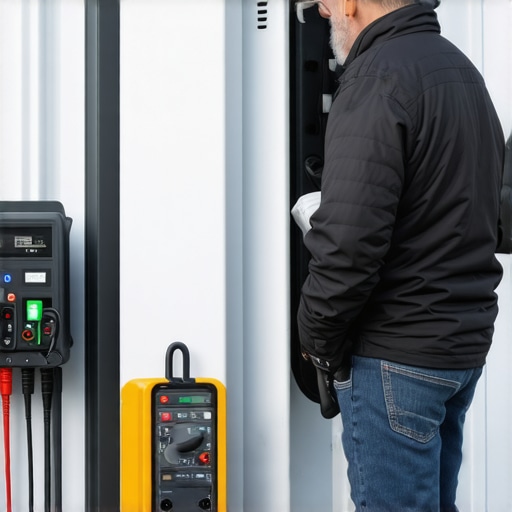

EV Charger Installation & Troubleshooting Tips for Safe Power
I remember the first time I tried to install my own EV charger. I was eager, a bit cocky, and definitely overconfident. Two hours in, I was staring at a blinking light on the charger that refused to turn on. Turns out, I had wired it incorrectly, and my lack of proper troubleshooting turned a simple task into a mini electrical fire scare. That moment was a real wake-up call. It made me realize how crucial safe, correct installation and troubleshooting are for EV chargers. If you’ve faced similar frustrations or just want to avoid costly mistakes, you’re in the right place. Today, I’ll share my best tips to help you install and troubleshoot your EV charger safely, reliably, and without unnecessary stress.
Why Safety Should Never Be an Afterthought When Installing EV Chargers
EV chargers are more than just a plug-and-play device. They draw significant power and, if mismanaged, can pose serious safety risks—everything from electrical fires to electrocution. According to the National Fire Protection Association, electrical failures account for over 45,000 house fires annually, many linked to improper wiring or outdated panels. That’s why ensuring your installation meets all safety standards is non-negotiable. I learned this the hard way early on, when I ignored the importance of a proper panel upgrade for my home’s electrical system. Had I checked out panel upgrades for EV chargers, I might have avoided the whole mess. Proper installation isn’t just about following the manual; it’s about ensuring your entire electrical system can handle the load. In the sections ahead, I’ll guide you through the critical steps to make sure your setup is both safe and efficient.
Ever Wonder if Your Setup Is Really Safe?
One common mistake I made early on was rushing through the wiring without verifying code compliance. It seemed harmless at the time, but I later discovered that improper wiring or skipping inspections can lead to serious safety issues. To avoid this, I recommend consulting reliable resources and getting a professional opinion if you’re unsure. For instance, checking code compliance tips can save you from future headaches. Remember, a safe installation is the foundation of reliable EV charging, so don’t cut corners. Now that you know why safety matters, let’s explore the practical steps to ensure your setup is rock-solid from the start.
Start with Your Electrical Panel
Before you even think about connecting your EV charger, ensure your electrical panel can handle the extra load. I once tried to skip this step and ended up tripping circuit breakers every time I plugged in. To prevent this, evaluate your current capacity and consider a panel upgrade if necessary. Check out panel upgrade tips for detailed guidance. A robust panel acts like a sturdy foundation for your charging station—skimping here leads to future issues.
Proper Wiring Is Non-Negotiable
Think of wiring like the nervous system of your home. Poor wiring is like a clogged nerve—inefficient and dangerous. I learned this the hard way when I rushed my wiring and saw sparks fly. Use the right gauge wire for your charger’s amperage and always follow local electrical codes. If you’re unsure, consult code compliance resources to avoid costly mistakes. Correct wiring ensures your charger will work reliably and safely, like a well-oiled machine.
Secure the Connection and Ground Properly
Imagine your EV charger as a high-performance sports car—without proper grounding, it’s like leaving the engine unzipped. Proper grounding prevents electric shocks and fires. During my install, I made sure to connect the ground wire securely to a grounding rod. Use a dedicated, grounded outlet and verify connections are tight and corrosion-free. This step might seem minor, but it’s crucial for safety and performance. For detailed grounding procedures, check grounding best practices.
Test Your Setup Before Full Use
Once wired, don’t just assume it works—test it thoroughly. Plug in a multimeter or use the charger’s diagnostic mode to check voltage and current. I once skipped this step and faced a non-functioning charger for days. Testing is like a pre-flight check—spot potential issues before taking off. Ensure that the charger is communicating properly with your vehicle and that all safety features are active. If problems arise, visit troubleshooting guides for expert tips.
Troubleshoot Common Problems Effectively
If your charger isn’t working as expected, don’t panic. Start with simple checks: power supply, connections, and compatibility. For persistent issues, consult troubleshooting resources like expert troubleshooting tips. Remember, most problems have straightforward fixes—like resetting the breaker, cleaning contacts, or updating firmware. Patience and methodical steps save time and money.
Always Prioritize Safety Over Convenience
In my experience, rushing to finish the job often leads to safety oversights. Double-check all connections, ensure proper grounding, and verify code compliance. It’s worth investing in professional inspection if you’re unsure—think of it as a safety net. For comprehensive safety and code compliance checklists, see code compliance tips. Your home and loved ones will thank you for prioritizing safety every step of the way.
Many homeowners believe that installing an EV charger is a straightforward task, but the reality is far more nuanced. One of the most widespread misconceptions is that following the manual is enough to ensure safety and reliability. In truth, every home’s electrical system has unique characteristics, and overlooking these can lead to serious issues later. For example, some assume that a standard outlet can handle the load, but without proper panel upgrades, your charger might trip breakers or worse, cause damage.
Why do so many get this wrong? It’s not just about wiring; it’s about understanding your entire electrical mesh. Skipping the evaluation of your system’s capacity often results in underperformance or safety hazards. For instance, a common mistake is neglecting grounding. Proper grounding isn’t just a formality; it’s a safety essential that, if ignored, increases the risk of electric shocks and fires. Use code compliance resources to verify that your setup meets all safety standards.
Another trap homeowners fall into is assuming that wiring gauge doesn’t matter. Incorrect wire sizing can lead to overheating, which is a leading cause of electrical fires. Always use the correct gauge wire for your charger’s amperage, and consider consulting a professional to assess your wiring integrity. This small step can save you from costly repairs down the line and ensure your EV charger operates at peak safety and efficiency.
Advanced questions homeowners ask
One common advanced concern is: “How do I ensure that my installation will pass local inspection standards without unnecessary delays?” The answer is to familiarize yourself with local code requirements and document every step of your process. This not only streamlines inspections but also provides a clear record should issues arise later.
Finally, don’t underestimate the importance of testing and troubleshooting. Many overlook thorough testing after installation, which can mask underlying issues. Using a multimeter or diagnostic mode to verify voltage consistency and proper communication with your vehicle ensures a safe, reliable charge. If you encounter persistent problems, consult expert troubleshooting tips rather than guessing. These small but critical nuances can mean the difference between a safe, efficient charging experience and a dangerous, unreliable setup.
In conclusion, the hidden nuances of EV charger installation are often overlooked by well-meaning homeowners eager to get started. Recognizing these advanced details and avoiding common pitfalls will not only keep you safe but also ensure your investment performs optimally for years to come. Have you ever fallen into this trap? Let me know in the comments.
How do I keep my EV charger running smoothly over time
Maintaining your EV charger isn’t just about fixing issues as they arise; it’s about proactive care to ensure reliable performance for years. From selecting the right tools to establishing a routine, I’ve found that a few key practices make all the difference. First, invest in a quality multimeter. I personally use a Fluke 117 because of its accuracy and durability, which allows me to verify voltage levels and check wiring connections confidently. Regular testing with this device helps catch potential issues early, saving you from costly repairs down the line.
Next, keep a detailed maintenance log. Every time I perform inspections or troubleshoot an issue, I note what was checked and any anomalies. This habit helps me identify patterns, such as recurring grounding problems or loose connections, before they become serious. For software-related troubleshooting, I rely on manufacturer apps and diagnostic tools provided by brands like ChargePoint or JuiceBox. These apps often give real-time insights and firmware updates that enhance safety and efficiency.
Additionally, I recommend periodically inspecting physical components—wires, connectors, and grounding points—for corrosion or damage. A simple, safe cleaning with contact cleaner and a brush can prevent many issues. For more complex diagnostics, a professional electrical inspection is invaluable. An electrician can verify that your panel and wiring meet current standards, especially if you’ve experienced frequent breaker trips or voltage drops.
Looking ahead, the trend is moving toward smarter, self-diagnosing chargers that can alert you to issues remotely. As these innovations become more affordable, integrating them into your setup will simplify ongoing maintenance. My prediction is that in the next few years, you’ll see an increase in AI-driven diagnostics that will further reduce downtime and improve safety.
What’s the best way to maintain your EV charger over time
One of the most effective strategies I’ve adopted is scheduling regular check-ups—at least once every six months. During these visits, I use my multimeter to verify voltage consistency and inspect all connections. I also update the charger firmware using the manufacturer’s app, which often includes security patches and performance improvements. Remember, keeping your software up-to-date is just as important as hardware checks.
Finally, never underestimate the importance of adhering to local code requirements. Regularly reviewing code compliance guidelines ensures your setup remains safe and can pass inspections if needed. This proactive approach not only prolongs the life of your charger but also guarantees safe, efficient charging for your vehicle.
Try implementing a quarterly diagnostic routine with your multimeter and keep detailed logs. Small, consistent efforts like these will pay off by preventing major failures and extending your charger’s lifespan. Remember, a well-maintained EV charging station is key to enjoying hassle-free, reliable EV ownership for years to come.
After my own rough start with EV charger installation, I learned that the real key to a safe and reliable setup is not just following instructions but understanding the nuances that many overlook. Here are some insider lessons I wish I knew from the beginning:
- Don’t underestimate the importance of a thorough electrical system evaluation. Skipping a panel capacity assessment or wiring check can lead to tripped breakers or worse, fires. Taking the time to evaluate your home’s electrical capacity and considering a panel upgrade pays off in safety and performance.
- Never assume your wiring gauge is sufficient without verification. Using the wrong gauge wire can cause overheating. Always follow local code and consult code compliance resources to ensure your wiring is up to standard.
- Proper grounding is your best friend for safety. A secure ground connection prevents electric shocks and fires. During my install, I learned that a loose grounding wire can be dangerous. Always verify tight, corrosion-free connections with grounding best practices.
- Test thoroughly before regular use. Use a multimeter to verify voltage and communication with your vehicle. Skipping this step may hide issues that could compromise safety or charging speed. For troubleshooting tips, visit expert troubleshooting guides.
- Prioritize safety over convenience at every step. Even if it takes extra time, double-check all connections and get a professional inspection if unsure. This mindset has saved me from potential hazards and costly repairs.
These lessons have transformed my approach from DIY disaster to confident, safe, and efficient EV charger management. Remember, safety isn’t just a box to tick—it’s an ongoing commitment that ensures your home and loved ones stay protected while enjoying the benefits of electric vehicle ownership.
Reading through this detailed post really hits home for me, especially since I remember my own nerve-wracking attempt at installing an EV charger without enough knowledge. I learned the hard way that rushing through wiring and neglecting to verify code compliance can lead to safety hazards I never imagined. What struck me most was the emphasis on grounding — it’s often overlooked but so crucial. After I finally upgraded my panel and checked all grounding points carefully, I felt much more confident that my setup is safe. I wonder, for those tackling their first installation, what are some common pitfalls you’ve encountered that aren’t always obvious from the manual? Also, how do you balance wanting to do it yourself with the risks involved, especially when your electrical system might be tricky to evaluate?
This post resonates with my own experience of learning the hard way just how critical proper wiring and grounding are when installing an EV charger. I initially thought that following the manual was enough, but I quickly ran into issues with circuit trips and safety concerns. Now, I always double-check my electrical panel capacity and ensure grounding is solid before proceeding. One thing that helped me was consulting a local electrician for an inspection, which provided peace of mind. I’ve found that even small oversights like inadequate wire gauge or skipping the load calculation can cause major headaches later. Has anyone here had a similar experience with underestimated load capacity or grounding issues? It’s definitely worth investing time and even a bit of money into a professional review, especially in older homes where the electrical system might not be up to date. What’s been your most unexpected challenge during installation or troubleshooting?