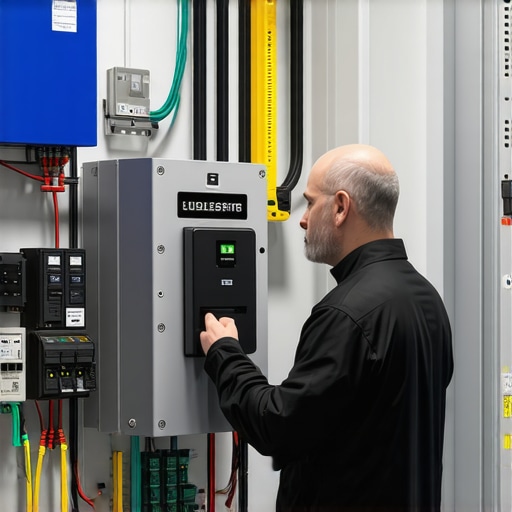

Top Tips for Code Compliance & Panel Upgrades for EV Chargers
Ever had that sinking feeling when your new EV charger refuses to work properly, or worse, fails inspection because of overlooked electrical code requirements? I remember the first time I installed my charger, thinking I had everything covered—only to find out I missed a crucial panel upgrade that could have prevented a lot of headaches. That lightbulb moment taught me a valuable lesson: proper code compliance and panel upgrades aren’t just bureaucratic hurdles—they’re essential for safety, reliability, and peace of mind.
Why Ignoring Code Compliance Can Cost You Big
In the world of EV charging, neglecting proper electrical standards can lead to safety hazards, legal issues, and costly repairs. Believe me, I’ve seen friends and neighbors rush through installations only to face outages or even fire hazards down the line. The truth is, the National Electrical Code (NEC) is there for a reason—protecting your home and loved ones from potential disasters. When you skip a step, such as verifying your panel has enough capacity or using the right wiring, you’re gambling with more than just your time; you’re risking your safety and your wallet.
Have You Faced This Exact Problem?
If you’ve ever experienced tripped circuit breakers or persistent charging issues, you’re not alone. Early on, I made the mistake of assuming my existing electrical panel could handle a Level 2 charger without an upgrade. It wasn’t until I read up on panel upgrades for EV chargers that I realized just how critical this step is. A simple oversight could turn into a major safety concern or violation of local codes.
So, what’s the fix? Fortunately, I’ve gathered some tried-and-true tips that will help you navigate the tricky world of code compliance and panel upgrades. Stick around, because next, I’ll walk you through the essential steps to ensure your EV charging setup is both safe and fully compliant—saving you money and peace of mind in the long run.
Start with an Accurate Electrical Panel Evaluation
My first real step was to examine my existing electrical panel closely. Think of your panel as the heart of your home’s electrical system; if it’s outdated or too small, your entire EV setup could be at risk. I used a flashlight and a mirror to peek inside my panel, checking for signs of age or damage, then verified its capacity against the requirements of my EV charger. This step is crucial because a panel that can’t handle the load might lead to tripped breakers or worse, electrical fires. For detailed guidance, I recommend reviewing this thorough guide on verifying code compliance to ensure your panel meets safety standards.
Determine the Need for a Panel Upgrade
If your panel is close to or below the recommended amperage for your EV charger, a upgrade is necessary. I once decided to upgrade my panel myself, but quickly realized it was more complex than I anticipated. It’s like replacing a heart valve—precision matters. In some cases, a simple replacement of a breaker isn’t enough; you might need to install a new panel altogether. This is where professional help becomes invaluable. Check out this article on panel upgrades for EV chargers to understand what’s involved and ensure compliance.
Choose the Right Components for Compliance
Using the correct wiring, breakers, and connectors isn’t just about passing code—it’s about safety. I made the mistake of reusing old wiring that looked fine but wasn’t rated for the new load. It’s like trying to run a marathon in flip-flops—inefficient and risky. Be sure to select components that match the specifications outlined in local codes and the NEC. For guidance, consult this compliance checklist to make sure every part is up to standard.
Engage a Licensed Electrician for Final Inspection
Even with all the right parts, a professional inspection is essential. I hired an electrician who meticulously checked my work, tested the system, and provided a certificate of compliance. Think of this as getting a health check-up before a marathon—crucial for peace of mind. An expert can also navigate local nuances that might trip up DIY attempts. For more on professional inspection procedures, see this troubleshooting guide.
Document Everything for Future Reference
Keep records of your panel upgrade, inspection reports, and receipts. This documentation proves your system is compliant and can be vital for insurance or resale. I organized my paperwork digitally and printed copies for safekeeping. It’s a simple step that saves headaches later. For comprehensive documentation tips, visit this resource on troubleshooting and documentation.
Following these concrete steps ensures your EV charging setup is safe, compliant, and reliable. Remember, proper panel upgrades and adherence to electrical codes aren’t just bureaucratic hoops—they’re your best safeguard against future problems and hazards.
Many homeowners believe that simply installing an EV charger and making sure it looks compliant on the surface is enough. However, there are several nuanced misconceptions that can lead to serious safety and legal issues if overlooked. Let’s dig deeper into what most people get wrong when it comes to panel upgrades and code compliance, and how to avoid these pitfalls.
Why the Popular Belief That DIY Is Sufficient Is a Dangerous Myth
One common misconception is that upgrading your electrical panel or ensuring code compliance is a straightforward task that homeowners can handle themselves. While some minor tasks are manageable, the reality is that electrical systems are complex, and mistakes can be costly or hazardous. For example, reusing old wiring or installing breakers without proper verification can lead to overheating or fire risks. According to this expert guide, professional assessment and installation are vital to ensure safety and code adherence.
Another myth is that if your system appears to work, it must be compliant. But appearances can be deceiving. A system might function temporarily, but underlying issues like insufficient panel capacity or incorrect wiring can cause future failures or dangerous faults. This is why an expert evaluation of your panel’s capacity and proper component selection are crucial. Remember, code compliance isn’t just about passing inspection; it’s about safeguarding your home and loved ones.
Make Yourself Visible: Why Overlooking the Nuances Can Backfire
Many homeowners focus solely on the physical upgrade—buying the right breaker or wiring—without considering the detailed nuances that ensure long-term safety. For instance, the NEC and local codes specify not only the size of wiring but also the specific types and installation methods. Ignoring these details can result in violations that might invalidate insurance or complicate resale. It’s also a common trap to assume that a quick inspection by a licensed electrician is enough. However, even licensed professionals need to verify that all components meet current standards, especially as codes evolve.
Research and adherence to the latest standards are essential. For example, this resource provides detailed guidance on verifying code compliance during installation, helping you avoid costly rework or violations.
Have you ever fallen into this trap? Let me know in the comments. The key to safe EV charging isn’t just about doing it yourself—it’s about doing it right, with expert guidance and attention to detail.
How do I maintain my EV charging system over time?
Maintaining your EV charger and electrical system is crucial for ensuring long-term performance and safety. One of my favorite tools for regular upkeep is a digital multimeter, specifically a Fluke 117. It allows me to check voltage levels and ensure my wiring remains within safe parameters without needing to call a professional every time. This simple device has saved me from unnecessary service calls and helped me catch small issues before they escalate.
Besides a multimeter, I highly recommend investing in a reliable circuit tester and a torque screwdriver. The circuit tester helps verify that connections are secure during routine inspections, while the torque screwdriver ensures that all terminal screws are tightened to manufacturer specifications, preventing loose connections that could cause overheating. I personally use the Klein Tools T-Stripper & Screwdriver because it combines both functions in one ergonomic tool, making inspections quicker and more efficient.
For software, I utilize a basic electrical system monitoring app on my smartphone. These apps can log voltage fluctuations and alert me if there’s a sudden drop or spike, indicating potential wiring issues or inverter problems. While I keep a close eye on my system, I also refer to this troubleshooting guide to help diagnose persistent connectivity issues that could be signs of underlying electrical problems.
Regular visual inspections are also essential. I check for signs of corrosion, loose wires, or discoloration around terminals. If I notice anything unusual, I use a contact cleaner spray to ensure clean, corrosion-free contacts. Over time, I’ve found that scheduling a professional electrical inspection every couple of years—especially after any major electrical upgrades—keeps my system running smoothly and compliant with local code requirements.
Looking ahead, I believe that smart diagnostic tools integrated with home automation systems will become standard, providing real-time system health reports directly to our smartphones. This trend will make maintenance more proactive and less reactive, saving homeowners both time and money.
Why investing in proper tools matters for sustained performance
Using the right tools isn’t just about troubleshooting—it’s about building a habit of proactive maintenance. For example, when I upgraded my panel, I made sure to verify each connection with a multimeter afterward, ensuring everything was within the correct voltage range. This extra step helped me avoid future problems and confirmed my system’s safety.
Don’t forget to document your maintenance activities, including tool checks and inspections. Keeping a log helps you track system performance over time and provides valuable information if you need professional assistance. For detailed maintenance routines, check out this expert guide.
Finally, I encourage you to try out one advanced tip—use a thermal imaging camera during inspections. This technology can reveal hidden hotspots indicating loose connections or overloaded circuits before they become serious hazards. Many affordable models are now available, making this a practical step for homeowners committed to safety and reliability.
Maintaining your EV charger with the right tools isn’t just about fixing problems—it’s about ensuring peace of mind and long-lasting performance. Start integrating these tools into your routine today, and enjoy safe, efficient charging for years to come!
After installing my first EV charger, I learned a tough but invaluable lesson: overlooking electrical code requirements and necessary panel upgrades can turn a simple upgrade into a safety nightmare. The peace of mind that comes with knowing your home’s electrical system is compliant isn’t just a bonus—it’s a necessity. Properly upgrading your electrical panel and adhering to the NEC standards protect not only your investment but also your loved ones from potential hazards.
Lessons from the Front Lines of EV Charging
- The Hardest Lesson I Learned About Panel Upgrades: Never assume your existing panel can handle a new EV charger without a thorough evaluation. I once tried to cut corners, but it nearly cost me a costly replacement and a lesson in humility. Now, I always verify my panel’s capacity against professional guidelines.
- The Myth of DIY Safety: Think that a quick online tutorial can replace a licensed electrician? Think again. Electrical systems are complex, and improper installation risks fire, shock, or code violations. I learned to trust experts for final inspections, which saved me from future problems.
- Nuances That Make a Difference: Small details like wire ratings, breaker types, and proper torque can mean the difference between a safe system and a disaster. These nuances aren’t obvious to most homeowners, but they’re crucial for compliance and safety. Use this detailed checklist to ensure no step is missed.
My Go-To Resources for EV Charging Safety
- Panel Upgrade Guides: I rely on this comprehensive resource to understand when and how to upgrade my panel safely.
- Code Compliance Checklists: Ensuring my installation meets local standards is easier with step-by-step verification guides.
- Professional Inspection Services: Nothing beats a licensed electrician’s expert eye. I always schedule a final inspection before plugging in for regular use.
- Maintenance Tools: From multimeters to thermal cameras, these tools help me keep everything running safely and efficiently. I highly recommend the trusted troubleshooting guides for DIY diagnostics.
Charge Ahead with Confidence
Taking the time to understand and implement proper panel upgrades and code compliance isn’t just about passing inspection—it’s about creating a safe, reliable foundation for your EV charging needs. Every step, from evaluation to professional inspection, adds a layer of security and peace of mind that’s worth every effort.
Are you ready to double-check your setup and ensure it’s safe and compliant? It’s never too late to start, and your home—and family—will thank you for it.
This post hits the nail on the head regarding the importance of proper panel evaluation and upgrades. I’ve personally seen situations where homeowners underestimated their existing electrical capacity, leading to tripped breakers and safety concerns. The part about verifying your panel’s capacity really resonated with me because it’s such a simple step but often overlooked. I also agree that engaging a licensed electrician for inspections can save a lot of trouble later. From my experience, documenting all upgrades and inspections is equally crucial, especially when selling or insuring the property. One thing I’ve been considering is investing in thermal imaging cameras for regular inspections. Has anyone here used one? I think it’s a proactive way to catch potential issues before they become hazards. Would love to hear if others have found this tool helpful in maintaining their EV charging setups.
This post really emphasizes some key points that many overlook when installing EV chargers. I had a situation where I assumed my existing panel was sufficient only to find out later it was borderline and kept tripping. After upgrading, the peace of mind is incredible, especially knowing I’ve met code requirements. One thing I’ve learned through personal experience is the importance of not rushing this process. DIY projects can sometimes save money, but when it comes to electrical safety, I strongly recommend professional guidance. Does anyone have experience with panel load calculators or apps? I’ve found them useful in initial assessments, but I always double-check with an electrician. Also, I’m curious—what are others’ thoughts on ongoing maintenance beyond visual inspections? Are Smart tools or apps worth investing in for monitoring system health? I’d love to hear what’s worked well for others in keeping their systems safe and reliable long-term.
I really appreciate this detailed breakdown of the importance of proper electrical evaluations and upgrades for EV chargers. I had a similar experience when I installed mine and realized after the fact that my panel was not rated for the additional load, which led to frequent tripping. It’s such a relief to know that a professional assessment can prevent these issues before they happen. One thing I’ve found helpful over time is using a portable load tester during routine inspections, especially if you’re DIY-ing some aspects of maintenance. It can really give you peace of mind that everything is functioning within safe parameters. Also, I’ve been exploring smart monitoring systems and apps that track voltage and current fluctuations in real time. Does anyone have experience with these tools—are they worth the investment? Or do you think a regular manual check with basic tools is enough for most homeowners? I’m eager to hear how others keep their systems reliable over the long term.