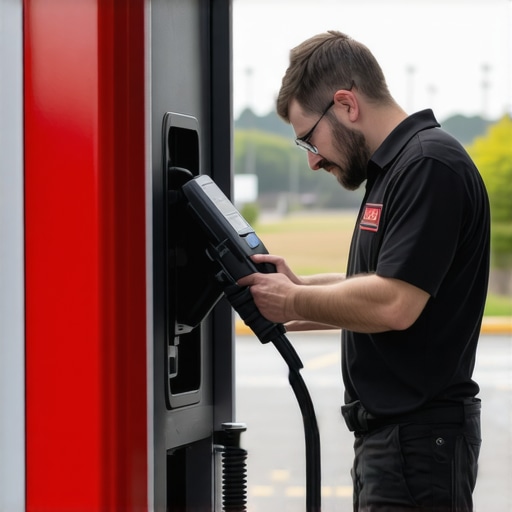

EV Charger Troubleshooting & Code Compliance: Expert Safety Tips
I vividly remember the frustration I felt when my EV charger suddenly refused to work, blinking error codes I didn’t understand and leaving me stranded in my driveway. That moment was a wake-up call. I realized that without proper troubleshooting skills and knowledge of safety standards, I was flying blind, risking safety and wasting time and money. Since then, I’ve learned that troubleshooting your EV charger isn’t just about fixing a broken unit—it’s about ensuring your home’s electrical system is safe, compliant with codes, and ready to support reliable charging every day.
Why Proper Troubleshooting and Code Compliance Matter More Than Ever
As electric vehicle adoption accelerates, more homeowners are installing chargers without fully understanding the critical safety and code requirements. A small mistake, like an outdated panel or improper wiring, can lead to safety hazards, code violations, or even damage to your vehicle or home. According to the National Fire Protection Association, electrical fires caused by improper installations are a serious risk, underscoring the importance of adhering to safety standards. But here’s the thing: many early mistakes I made involved neglecting proper checks or skipping professional inspections, which only made problems worse. That’s why I want to share proven steps to troubleshoot effectively and ensure your installation is compliant.
Have you ever faced unexplained charging issues or worried if your setup is safe?
If so, you’re not alone. Many homeowners jump into EV charger installations or repairs without fully understanding the technical and safety nuances. In this post, I’ll guide you through the essential troubleshooting techniques and safety tips, backed by industry standards. The goal is to help you diagnose issues confidently, avoid dangerous shortcuts, and keep your home and family safe. Ready to take control of your EV charging system? Let’s start with the basics of troubleshooting and what to watch out for to stay compliant with local codes and safety guidelines.
Check Your Power Source First
When my charger suddenly stopped working, I started by inspecting my home’s electrical outlet and circuit breaker. Think of your electrical system like a water pipe; if there’s a blockage or leak, the flow stops. Ensure the outlet supplies power, and the circuit breaker hasn’t tripped. Use a multimeter to verify voltage. If there’s no power, reset your breaker or call an electrician. This quick check often solves simple issues before diving deeper.
Inspect the Charger and Connections
Next, I examined the physical connections. Loose or corroded wires are like a weak handshake—it creates a bad connection. Disconnect and reconnect all cables, ensuring they are tight and free of corrosion. Check the plug and socket for damage. If you notice any frayed wires or burn marks, replace or upgrade your equipment. Proper connections are vital for safety and performance.
Verify Compatibility and Settings
Sometimes, the problem isn’t hardware but configuration. Confirm that your charger is designed for your vehicle and compatible with your home’s electrical system. Review the user manual for correct settings. I once overlooked this, and resetting the charger resolved my issue. Remember, incorrect settings can lead to safety hazards or charging failures—always double-check before proceeding.
Test the Circuit and Breaker Capacity
Overloading circuits can cause trips or damage. Use a clamp meter to measure current draw during charging. If the load exceeds your panel’s capacity, consider upgrading your panel to support your EV charger. Check this panel upgrade guide for detailed steps. Proper capacity ensures consistent and safe charging without risking electrical fires.
Assess the Grounding and GFCI Safety Devices
Grounding issues pose serious safety risks. Test GFCI outlets with their test button; if it doesn’t trip or reset properly, replace it. Proper grounding prevents shocks and equipment damage. I learned this during a troubleshooting session when my GFCI kept tripping unexpectedly. Always ensure your system is grounded according to local code, which you can verify here.
Inspect for Faulty Components or Damage
Internal faults in the charger can mimic wiring issues. Look for signs of damage, such as melted components or burnt smell. If suspected, disconnect and test the charger with a professional or replace it. Remember, safety comes first—don’t attempt repairs beyond basic checks unless qualified.
Ensure Code Compliance and Professional Inspection
Finally, to avoid future problems, verify your installation meets local electrical codes. This guide walks you through the process. For complex issues, always consult a licensed electrician. They can assess your setup comprehensively and perform necessary upgrades, like panel upgrades or wiring corrections, ensuring safety and compliance.
Many homeowners jump into fixing their EV chargers with misconceptions that can lead to bigger problems or safety hazards. One of the most pervasive myths is that if your charger isn’t working, the issue must be with the device itself. While a faulty charger can be the culprit, often the root cause lies in overlooked electrical components or improper installation. Relying solely on superficial checks can cause you to miss deeper issues that compromise safety and performance.
Another trap I see frequently is the belief that resetting the charger or unplugging it will solve all issues. While these quick fixes can sometimes help, they often mask underlying wiring or circuit capacity problems that need professional attention. In fact, repeatedly resetting a tripped breaker or ignoring persistent faults can make the problem worse, risking damage to your vehicle or home wiring.
Many assume that compatibility between the charger and vehicle is a given, but this isn’t always true. Mismatched equipment or incorrect settings can cause charging failures or safety shutdowns. Always double-check your setup against the manufacturer’s specifications and ensure your system is configured correctly.
What advanced homeowners often overlook in troubleshooting?
One sophisticated mistake is neglecting the importance of proper grounding and GFCI device testing. Grounding issues are a hidden risk that can cause electric shocks or damage over time. A GFCI outlet that doesn’t trip when tested might look fine but could fail during a real fault, leading to dangerous situations. According to electrical safety expert Mark C. Taylor, grounding and GFCI testing are critical, often overlooked steps in effective troubleshooting (source).
Furthermore, many homeowners underestimate the importance of ensuring their electrical panel is capable of supporting their EV charger. Overloading circuits or using outdated panels is a common mistake that can cause frequent trips or, worse, fires. Upgrading your panel is a wise investment that not only solves immediate issues but also future-proofs your home for additional electrical demands. You can learn more about this process in my detailed panel upgrade guide.
In summary, effective troubleshooting goes beyond simple checks. It requires understanding the nuances of electrical safety, proper equipment compatibility, and adherence to local codes. Don’t fall into the trap of superficial fixes or ignoring critical safety checks. Instead, take a comprehensive approach, and when in doubt, consult professionals who can ensure your system is safe, compliant, and ready for reliable charging. Have you ever fallen into this trap? Let me know in the comments.
Keeping your EV charger running smoothly over the years requires more than just initial installation; it demands regular maintenance, the right tools, and an understanding of potential issues. As the trend toward home electrification grows, staying ahead with proactive care can save you time, money, and ensure safety. One of my go-to strategies is investing in professional-grade diagnostic tools that allow for precise troubleshooting and early detection of problems before they escalate.
Use a High-Quality Multimeter for Accurate Diagnostics
Personally, I rely on a digital multimeter with a true RMS feature—such as the Fluke 117—to verify voltage, check wiring integrity, and test grounding. This device helps me quickly identify voltage drops, loose connections, or faulty components without guesswork. Its reliability is crucial because even minor discrepancies can lead to safety hazards or charging interruptions. Regularly testing your system, especially after storms or electrical upgrades, keeps you informed about your setup’s health.
Implement Routine Visual Inspections and Cleaning
Simple visual checks of your charger and connections can prevent major failures. I inspect for corrosion, frayed wires, or burn marks at least every six months. Cleaning contacts with a soft brush and ensuring connectors are tight reduces the risk of intermittent charging issues. Remember, dust and moisture can accumulate over time, especially in outdoor installations, which can compromise safety and performance.
Leverage Smartphone Apps for Connectivity Monitoring
Many modern chargers come with companion apps that provide real-time diagnostics and alerts. I use these apps to monitor charging sessions, check for error codes, and receive maintenance reminders. Staying connected through these tools enables me to catch issues early, schedule professional inspections if needed, and ensure the charger remains compliant with safety standards. As technology advances, expect more integrated diagnostic capabilities that simplify maintenance even further.
Schedule Professional Inspections and Upgrades
While DIY troubleshooting is helpful, I recommend annual inspections by a licensed electrician. They can verify that your electrical panel supports your current charging needs, especially if you’ve added other high-demand appliances or expanded your system. Upgrading your panel, as discussed in this guide, ensures your infrastructure can handle future growth safely.
Predict Future Trends in EV Maintenance
Looking ahead, I believe the integration of IoT-enabled diagnostic tools will make maintenance more accessible and proactive. These devices will continuously monitor electrical parameters, predict failures before they happen, and even automate some troubleshooting steps. This evolution will empower homeowners to maintain their systems more effectively, reducing downtime and improving safety standards.
How do I maintain my EV charging system over time?
Start with regular visual inspections, use reliable diagnostic tools like a multimeter, and leverage smart app monitoring. Don’t forget to schedule professional checkups annually, especially if you notice irregularities or after electrical storms. By combining these practices, you’ll extend the lifespan of your charger and ensure safe, consistent performance. For more detailed troubleshooting tips, explore this expert guide.
Lessons I Wish I Learned Sooner About EV Charger Safety
- Don’t underestimate grounding issues. I once ignored GFCI testing, which led to unexpected shutdowns. Ensuring proper grounding and testing safety devices is crucial for preventing shocks and damage.
- Upgrading your electrical panel is a game-changer. Sticking with outdated panels can cause trips and fires. A proactive panel upgrade, as explained in my favorite guide, ensures your system supports your EV charger safely and efficiently.
- Superficial fixes can hide bigger problems. Resetting your charger might seem like the solution, but often it masks wiring or capacity issues that need professional attention. Always dig deeper before resorting to quick fixes.
- Compatibility isn’t always obvious. Double-check your charger and vehicle compatibility to avoid safety shutdowns and charging failures—don’t assume everything is plug-and-play.
- Regular maintenance pays off. Visual inspections, diagnostics with quality tools, and keeping an eye on error codes can save you from costly repairs and unsafe conditions over time.
My Essential Tools and Resources for EV Charger Safety
- True RMS multimeter like the Fluke 117: Reliable for verifying voltage, wiring integrity, and grounding—an absolute must-have for safe troubleshooting.
- Smartphone apps provided by modern chargers: These enable real-time diagnostics and alerts, making maintenance proactive and straightforward.
- Professional electrical guides and resources: The comprehensive guides available at Bright Spark Electric have been invaluable in understanding code compliance and troubleshooting techniques.
- Licensed electrician consultations: Regular inspections and upgrades, especially for panels, are essential investments in safety and longevity.
Charge Ahead With Confidence and Safety
Your journey toward safe, reliable EV home charging starts with taking troubleshooting seriously and understanding the importance of code compliance. By staying proactive, equipping yourself with the right tools, and consulting professionals when needed, you’re not just fixing a charger—you’re safeguarding your home and loved ones. The future of EV charging is bright, and with the right knowledge, you can make it safer for everyone. Are you ready to take control of your EV charging system and ensure it’s safe for years to come? Share your experiences or questions below, and let’s keep this conversation going!