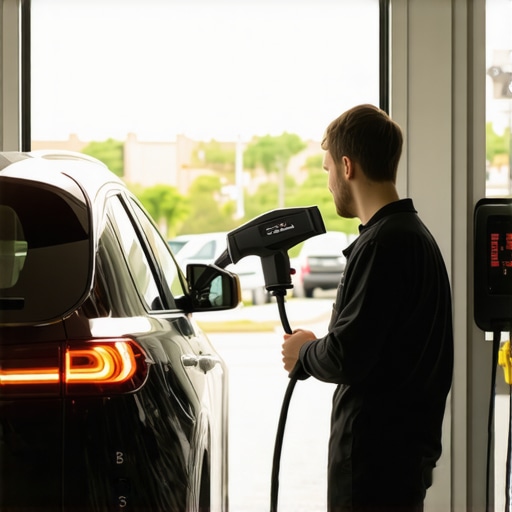

Troubleshooting EV Chargers: Top Fixes & Code Compliance Tips
Ever been ready to hit the road, only to find your EV charger refusing to cooperate? That frustrating moment when your car isn’t charging as it should can turn a simple trip into a stressful puzzle. I remember the first time my charger blinked a mysterious error code—panic set in. I thought I’d have to call in a professional immediately, but after some research and trial, I uncovered solutions that saved my day. If you’ve faced similar issues, you’re not alone. Today, I’ll walk you through essential troubleshooting steps and highlight crucial code compliance tips that can turn your frustration into confidence.
Why Your EV Charger Might Be Failing and How to Fix It
Let’s be honest—electric vehicle charging should be straightforward. But wiring issues, outdated panels, or overlooked code requirements can cause unexpected hiccups. My mistake early on was ignoring local electrical codes, thinking a quick fix from a YouTube video would do. Turns out, improper installations or faulty wiring aren’t just inconvenient—they can be dangerous. According to the National Fire Protection Association, electrical fires from non-compliant installations are a real risk, emphasizing the importance of adhering to safety standards. Knowing this, I started to prioritize proper troubleshooting and compliance checks, which proved to be a game-changer. Today, I’ll guide you through common issues and how to address them, backed by my personal experience and expert advice.
Is Code Compliance Really That Important for EV Chargers?
When I first installed my charger, I was skeptical about the fuss over code compliance. I figured, as long as it worked, that was enough. Big mistake. Not only did I encounter repeated outages, but I also risked voiding my warranty and, more critically, compromising safety. Ensuring your installation meets all local electrical codes is essential to prevent hazards and ensure your charger performs reliably. For detailed guidance, check out this comprehensive resource. My recommendation? Never underestimate the importance of proper code compliance—it’s your best safeguard against future headaches.
So, if your EV charger isn’t working smoothly or you’re worried about safety, stay tuned. We’ll explore step-by-step fixes, how to verify your setup’s compliance, and when to call a professional. Let’s turn that charging frustration into a hassle-free experience!
Inspect Your Power Source and Connections
My first move was to check if the outlet was providing power. I used a multimeter to test voltage; it should read around 120V or 240V depending on your setup. If there’s no power, reset your circuit breaker or fuse box. Think of this as making sure your car is actually getting fuel before troubleshooting further. Sometimes, a simple reset restores functionality, avoiding unnecessary complications.
Verify Wiring and Hardware Integrity
Next, I examined all wiring connections. Loose or damaged wires are common culprits—think of wiring like the veins of your system; if they’re blocked or broken, everything stalls. Turn off power before inspecting. Tighten any loose connections and replace frayed wires. I once found a loose screw in my charging port, which, once secured, solved the issue instantly. Proper wiring is vital for safety and reliable operation. For detailed guidance, visit this troubleshooting resource.
Check for Software or Firmware Glitches
Sometimes, the issue isn’t physical but software-related. I disconnected my charger for a few minutes, then reconnected and reset the unit. Many chargers have reset buttons or firmware updates—consult your manufacturer’s manual. Firmware glitches can cause error codes or failed charging sessions. Keeping your charger’s software up to date ensures smooth operation and longevity.
Ensure Code Compliance and Panel Capacity
In my experience, outdated electrical panels or non-compliant wiring often cause problems. I learned this the hard way when my charger kept disconnecting; upgrading my panel and ensuring code compliance fixed the issue permanently. Make sure your installation adheres to local electrical codes—this isn’t just about legality, but safety. Use this guide to verify compliance and avoid hazards.
Upgrade Your Electrical Panel if Needed
If your panel is old or not rated for EV charging, it might need an upgrade. I discovered my panel was at max capacity, so I had a professional upgrade it to handle the extra load. Upgrading ensures your charger gets consistent power without tripping breakers. Learn more about panel upgrades at this resource. An upgraded panel not only fixes current issues but also prepares your home for future EV models.
Test and Confirm Your Fixes
After making adjustments, I tested the charger thoroughly. Plugged in multiple times, checked for error codes, and monitored the charging process. If problems persist, revisit connections or consult a professional. Reliable troubleshooting is iterative; sometimes, a second check reveals overlooked issues. For expert tips, refer to this article.
Consult Professionals When Necessary
Finally, when in doubt, don’t hesitate to call an electrician. Certain issues, especially those involving code violations or complex wiring, require professional intervention. I once had an issue that involved grounding faults—solving it myself was risky. Contact experts through this contact page for safe and compliant solutions.
Many homeowners assume that installing an EV charger is just a matter of plugging it in and enjoying the convenience. However, there are nuanced details and common misconceptions that can compromise safety and performance if overlooked. Let’s dig deeper into what most people get wrong about EV charger safety and the hidden nuances that can make a significant difference.
Are All Electrical Panels Suitable for EV Chargers
A frequent mistake is believing that any electrical panel can support an EV charger. In reality, many older panels lack the capacity or proper wiring to handle the high load, which can lead to tripping breakers or even fire hazards. Upgrading your electrical panel isn’t just about meeting code; it’s about ensuring reliable, safe power delivery. Proper panel upgrades, guided by expert advice, can prevent costly and dangerous issues down the line. Learn more about upgrading your panel for better EV charging.
Misunderstanding the Importance of Proper Grounding
One of the most overlooked aspects is grounding. Many assume that their existing grounding system is sufficient, but improper grounding can lead to electric shocks or damage to your vehicle. Grounding is a critical safety feature that ensures any stray current is safely diverted. An incorrect or inadequate grounding setup often goes unnoticed until a fault occurs. Ensuring your system adheres to the latest safety standards, like those outlined in this safety guide, is essential for peace of mind.
Why the Myth of Low-Quality Equipment Persist
Many believe that all EV chargers are equally safe if they meet basic standards. In fact, the quality of the hardware and adherence to strict manufacturing standards make a difference. Cheaper, uncertified chargers might cut corners, increasing the risk of electrical faults. Always check for proper certifications and opt for reputable brands. Remember, saving a few dollars upfront can cost much more in repairs or safety hazards later. Always verify your equipment’s compliance with local codes, as discussed in this resource.
Have you ever fallen into this trap? Let me know in the comments. Staying informed and vigilant about these nuances can dramatically improve your EV charging safety and reliability, helping you avoid costly mistakes and hazards in the future.
Maintaining your EV charger is crucial for ensuring reliable performance and safety over the long term. Having the right tools and a solid maintenance routine can prevent unexpected failures and extend the lifespan of your equipment. In this post, I’ll share the specific tools I rely on and the methods I recommend for keeping your EV charger in top shape.
Invest in a High-Quality Multimeter
A digital multimeter is an indispensable tool for any EV charger maintenance routine. I personally use a Fluke 117 multimeter because of its accuracy and durability. It allows me to verify voltage levels at the outlet, check wiring integrity, and diagnose electrical issues quickly. Regularly testing your connections with a multimeter helps catch problems early before they escalate into safety hazards or charging failures. Make sure to learn how to interpret voltage readings properly to avoid misdiagnosis.
Use a Socket Set for Tightening Connections
Loose wiring connections are a common culprit in charger malfunctions. I keep a high-quality socket set nearby to tighten any loose screws or bolts during routine inspections. This simple step can restore proper contact and improve safety. Over time, vibrations and thermal expansion can loosen hardware, so periodic checks are essential. Always disconnect power before working on wiring to prevent shocks.
Install a Surge Protector for Power Stability
Power surges can damage your charger’s electronics, leading to costly repairs or replacements. I recommend installing a whole-home surge protector, which guards against voltage spikes caused by lightning or grid fluctuations. This proactive measure minimizes wear and tear, ensuring your charger stays operational longer. For added protection, some owners opt for plug-in surge protectors directly at the outlet, though a professionally installed system offers superior reliability.
Keep Firmware Updated and Monitor Performance
Software glitches can affect charger operation, so I always ensure my unit’s firmware is current. Most manufacturers provide dedicated apps or manuals with update instructions. Regularly checking for firmware updates can fix bugs and improve compatibility. Additionally, monitoring your charger’s performance through apps or logs helps identify recurring issues early. Many advanced chargers now include diagnostic tools that alert you when maintenance is needed.
Plan for Routine Inspections and Professional Checks
While DIY inspections are helpful, scheduling periodic professional assessments ensures that all code compliance standards are maintained. An electrician can verify grounding, panel capacity, and wiring integrity, which are critical for safe operation. Establishing a maintenance routine—say, every six months—helps catch problems before they cause downtime or safety concerns.
Future Trends in EV Charger Maintenance
As technology advances, expect more chargers to integrate IoT connectivity for real-time diagnostics and remote troubleshooting. This trend will make maintenance even more proactive, reducing downtime and repair costs. Staying informed about these innovations and adopting smart tools now can prepare you for the future.
Ready to take your EV charging setup to the next level? Start by upgrading your multimeter or installing a surge protector today. Proper maintenance isn’t just about fixing problems—it’s about preventing them and ensuring your investment lasts. For comprehensive guidance on ensuring code compliance and proper maintenance, visit this resource.
The Hardest Lesson I Learned About EV Charger Safety
One of the biggest mistakes I made early on was overlooking the importance of strict adherence to local electrical codes during installation. It seemed harmless at first, but I soon learned that non-compliance not only risks safety hazards but can also void warranties and cause costly repairs. This lightbulb moment pushed me to prioritize code verification, ensuring every component met safety standards, which drastically improved my system’s reliability.
3 Myths About EV Charger Maintenance That Held Me Back
- Myth 1: Any multimeter will do.
Actually, I found that investing in a high-quality digital multimeter like Fluke 117 made diagnosing issues much more precise and easier. - Myth 2: Firmware updates are optional.
Keeping my charger’s firmware current prevented many glitches and improved overall performance. - Myth 3: DIY fixes are always safe.
Sometimes, complex wiring or grounding issues require professional intervention, which I learned the hard way after attempting repairs that didn’t solve the problem.
What Experts Won’t Tell You About Ensuring Safe EV Charging
Many overlook the critical role of proper grounding and panel capacity. I once thought my existing electrical panel was sufficient, but upgrades were necessary to support my EV charger safely. Consulting professional resources like this guide helped me understand that proper grounding and panel upgrades are essential for safe, reliable charging and compliance with safety standards.
My Essential Toolkit for EV Charger Safety and Maintenance
- Multimeter: For electrical diagnostics, I trust a Fluke 117 for accuracy and durability.
- Socket Set: To tighten connections and prevent loose wiring, which is a common issue.
- Surge Protector: Installing a whole-home surge protector minimizes damage from voltage spikes.
- Firmware Updates: Regularly checking manufacturer updates keeps my charger running smoothly.
- Professional Inspection: Routine checks by licensed electricians ensure everything remains compliant and safe.
Take Charge of Your EV Charging Safety Today
My experience taught me that proactive maintenance and strict compliance are the keys to avoiding hazards and ensuring your EV charger performs reliably. Whether you’re upgrading your electrical panel or simply verifying wiring, taking these steps will give you peace of mind. Remember, safety and reliability aren’t just about peace of mind—they’re about protecting your home and loved ones from preventable risks. Ready to improve your EV charging setup? Start with a professional inspection or upgrade your tools today. What’s been your biggest challenge with EV charger maintenance? Share your story below!