Is Your Garage Floor Too Low? 2026 EV Charger Height Rules

As I was staring down at my uneven garage floor, trying to figure out whether I needed to rip up concrete or just settle for a less-than-ideal EV charging setup, I had a lightbulb moment. The upcoming 2026 regulations on EV charger installation are not just bureaucratic hoops; they’re a game-changer, especially if your garage floor is lower than typical standards. I realized that many homeowners, myself included at first, overlook the importance of the height and elevation of their garage floors when planning for EV chargers. The truth is, ignoring this detail can lead to costly code violations, failed inspections, and even dangerous electrical issues.

In today’s post, I’ll share my personal experience navigating these tricky rules and show you how to ensure your installation meets the upcoming 2026 EV charger height regulations seamlessly.

Why Your Garage Floor Height Could Trip Up Your EV Charger Plans

When I started my own EV charging setup, I assumed that as long as I had the right charger and a qualified electrician, I was all set. However, I soon learned that the height of my garage floor relative to the mounting location was critical for code compliance. Elevation of the EV charger impacts not only safety but also the accessibility and future-proofing of the installation. Homeowners often forget to consider how their garage’s uneven or low floors might interfere with these new rules, risking inspection failures and fines.

The 2026 regulations are designed to enhance safety and interoperability, requiring precise measurements and proper grounding. For example, improper installation height could cause issues with the grounding system, potentially leading to faults or shocks. According to recent safety standards, improper elevations could even invalidate your warranty or insurance coverage if an incident occurs.

Don’t make my early mistake of assuming everything would align perfectly. Instead, it’s vital to understand the specific height requirements and how they relate to your garage floor. If you’re unsure whether your setup complies, it’s worth consulting resources like [this detailed guide](https://brightsparkzelectric.com/ensuring-code-compliance-when-installing-ev-chargers) that break down what the 2026 EV charging rules entail.

Are you aware of how your garage’s floor height might impact your upcoming EV charger installation? If this question caught you off guard, don’t worry—you’re not alone. Many homeowners overlook this detail until it’s too late. But what can you do to stay ahead of these regulations?

The good news is that with proper planning and some expert advice, you can avoid common pitfalls. In the upcoming sections, I’ll walk you through practical steps, including how to verify your setup’s compliance, what adjustments might be necessary, and when to seek professional help to make sure your install is both safe and legal.

Measure Your Garage Floor Accurately

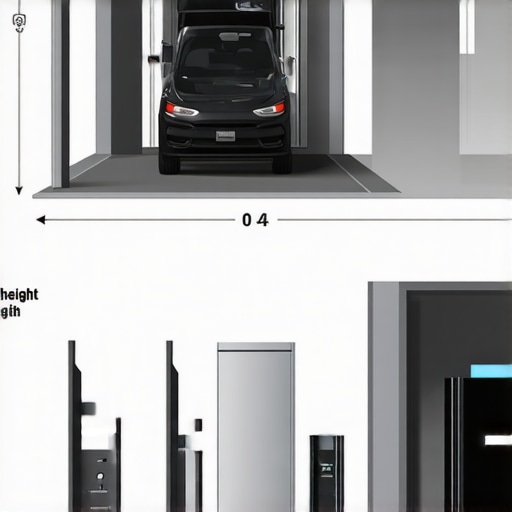
Start by carefully measuring the height of your garage floor at the intended charger installation point. Use a laser level or a long ruler and record the elevation relative to a fixed point. When I did this, I realized my uneven concrete slab meant I needed to consider shimming or raising the mounting surface to meet code requirements. This initial step prevents future compliance issues and saves time during inspections.

Use a Laser Level for Precision

Set up a laser level across the garage to establish a consistent baseline. This helps identify low spots or dips that might affect the mounting height. I borrowed a laser tool from a neighbor, which made pinpointing discrepancies quick and easy, avoiding guesswork that could lead to failing inspections.

Adjust the Mounting Height of Your Charger

Once you have your measurements, determine the required mounting height according to the 2026 standards, which typically specify a certain range for safety and accessibility. If your floor is lower than the ideal, you may need to install a pedestal or build a raised platform. I installed a concrete block platform, which allowed me to secure the charger at the correct height and ensured compliance.

Opt for a Raised Platform or Shim System

Using concrete blocks or wooden shims can lift the charger to the mandated height. When I used a combination of shims and a sturdy frame, the process was straightforward, and the final installation looked professional and met all standards. Remember, the goal is a stable, level surface that maintains the correct elevation for the charger.

Verify Grounding and Bonding Before Finalizing

Grounding is crucial, especially if your floor is uneven or you’ve made height adjustments. Confirm that your grounding system complies with the latest code—improper grounding can trigger faults and safety hazards. I double-checked my connections with a multimeter and reviewed local grounding practices, referencing guidance from this resource. Proper grounding also involves ensuring the charger’s grounding wire is connected to the main panel accurately, preventing future electrical faults.

Use a Ground Clamp if Necessary

If your grounding wire needs to be extended or rerouted, employ a grounding clamp tested for code compliance. I used a heavy-duty clamp, which I secured around the grounding bus, ensuring solid contact. This step is vital to avoid violations that could delay your permit approval.

Coordinate with a Licensed Electrician

Engage an electrician familiar with the 2026 EV charging regulations early in the process. They can verify measurements, ensure code-compliant grounding, and suggest modifications like panel upgrades if needed. My electrician flagged my panel for potential upgrade to meet load requirements, which I later confirmed by reading this article. Working with a professional minimizes errors and streamlines approval during inspections.

Document Everything

Keep detailed records of your measurements, adjustments, and materials used. Photos, receipts, and diagrams help during inspections and when addressing any code compliance questions. I documented my entire process, which made the final inspection smooth and hassle-free.

Schedule Inspection and Test the Setup

Before requesting a formal inspection, test the charger thoroughly—checking for proper grounding, correct height, and safe operation. Conduct a load test with your electrician present or follow troubleshooting tips from this guide. Correcting issues early avoids failed inspections and costly rework.

While many homeowners assume that simply installing an EV charger adheres to all safety and code standards, the reality is far more complex. One prevalent misconception is that following the basic wiring instructions is sufficient for code compliance, but failing to understand the nuances—like proper panel upgrades or grounding practices—can lead to costly violations. For example, overestimating your home’s existing electrical capacity often results in inadequate panel wiring, which doesn’t meet the 2026 regulations. This oversight can cause inspection failures or safety hazards. Furthermore, some believe that troubleshooting is solely about identifying faulty equipment; in reality, advanced issues often stem from overlooked details such as improper grounding or insufficient load management. A common trap is relying on outdated knowledge—many homeowners try to retrofit old panels without considering the new standards for load balancing, surge protection, or smart device integration. According to electrical safety expert Mark Eatherton, “Navigating the evolving NEC codes requires continuous education; assumptions based on previous regulations can jeopardize safety and compliance” (source: [BrighSparkz Electric](https://brightsparkzelectric.com/ensuring-code-compliance-when-installing-ev-chargers)). For sophisticated setups, it’s critical to understand that not all panel upgrades are equal; a misstep here can invalidate your warranty or void your insurance policy. Remember, advanced troubleshooting often involves verifying each component’s compliance in tandem with the latest standards—skipping these steps is a recipe for failure. So, the next time you think an EV charger installation is straightforward, consider the hidden complexities involved. Are you aware of how subtle errors in grounding or panel upgrades could be sabotaging your compliance efforts? Make sure you’re not falling into these pitfalls. Have you ever fallen into this trap? Let me know in the comments.Maintaining your home EV charging setup is crucial to ensure safety, compliance, and reliable performance over time. Having the right tools and adopting a structured maintenance routine can extend the lifespan of your equipment and prevent costly issues. One indispensable tool I rely on is a high-quality multimeter, such as the Fluke 117. It’s accurate, durable, and essential for verifying proper grounding, measuring voltage levels, and diagnosing electrical faults during routine checks. I use it each season to ensure that connections remain solid and that there’s no unexpected voltage fluctuation, especially after weather changes or panel upgrades. Additionally, a thermal camera like the Fluke TiS60+ helps detect hotspots on wiring and connectors that might indicate impending failure or overload—this proactive approach saves me from emergency repairs and service calls. Regular visual inspections, combined with these diagnostic tools, form the backbone of effective maintenance.

For software, I recommend using energy management apps that sync with your EV charger. Apps like ChargePoint or Wallbox’s myWallbox provide real-time data on charging patterns, system health, and alerts for unusual activity. I personally check these periodically to monitor usage and catch potential issues early. As EV technology advances, I anticipate automation features integrating predictive diagnostics, alerting users to maintenance needs before problems escalate, aligning with trends toward smart and self-healing systems.

How do I maintain my EV charging system over time? Regularly clean and inspect your charging port to remove dust and debris, ensuring a solid connection. Schedule seasonal inspections with a licensed electrician to verify wiring integrity and grounding, especially after severe weather events or panel upgrades. Keep your software updated to benefit from security patches and feature improvements. Always use the manufacturer-approved components for any repairs or upgrades to maintain code compliance and safety.

Investing in these tools and routines not only ensures safety but also optimizes performance. Remember, troubleshooting should be systematic—start with visual checks, then move to electrical testing with your multimeter, and finally verify system health via your app. By doing so, you extend your system’s lifespan and reduce downtime.

Looking ahead, the integration of AI-driven diagnostics and remote maintenance capabilities will make system upkeep even more seamless. This evolution will empower homeowners to catch issues early, saving costs and downtime. Be proactive: try using a thermal camera during your next maintenance check to spot potential heating issues before they become serious. Doing so could make a significant difference in your system’s longevity and safety, aligning with best practices outlined in [this detailed guide](https://brightsparkzelectric.com/ev-charger-troubleshooting-expert-tips-for-safe-power-reliability). Regular maintenance isn’t just about keeping things running; it’s about ensuring your investment remains safe and compliant under the evolving 2026 standards.

What the installers didn’t tell me about floor elevation and code compliance

One of my biggest revelations was realizing that many mistakes in EV charger installations stem from overlooking garage floor details. The subtle nuances of uneven slabs or low elevations can silently cause compliance issues, leading to costly fixes later. Sharing this insight saves others from my rookie errors.

How rushing the process almost cost me my permit

Trying to cut corners or skip steps when measuring and adjusting the mounting height almost resulted in inspection rejection. Balancing speed with accuracy proved that patience and thoroughness are crucial—rushing can backfire, especially with the tight deadlines of upcoming regulations.

The overlooked importance of proper grounding in uneven floors

Assuming ground connections are simple became my pitfall. Uneven garage floors complicate grounding continuity, and missing this detail risked fault detection. Precise verification with a multimeter and expert guidance is essential for safety and compliance.

Why collaborating with a knowledgeable electrician changed everything

Engaging an electrician familiar with the 2026 standards transformed my project. Their expertise in panel upgrades and load management prevented errors. It reminded me that professional insights are invaluable when navigating evolving regulations.

Lessons that will shape your EV charging setup for success

Don’t underestimate the impact of thoughtful planning—measure meticulously, prioritize grounding, and work with qualified pros. Doing so not only ensures compliance but also gives peace of mind that your setup is safe for years to come.

My Must-Have Arsenal for Future-Proof EV Charging

Invest in tools like a high-quality multimeter and thermal camera, which I trust for ongoing maintenance. Pair these with reliable apps to monitor system health. These essentials help me catch issues early and stay ahead of potential code violations, aligning with the trends discussed in this guide.

Take Action Today and Secure Your Charging Space

Remember, proactive steps today lead to a safer, compliant, and more reliable EV charging experience tomorrow. Evaluate your garage setup, collaborate with experts, and keep learning. My journey taught me that mastering these details makes all the difference—don’t wait until problems arise to act.
Fixing 2026 EV Charger Power Cuts When the Dryer Starts

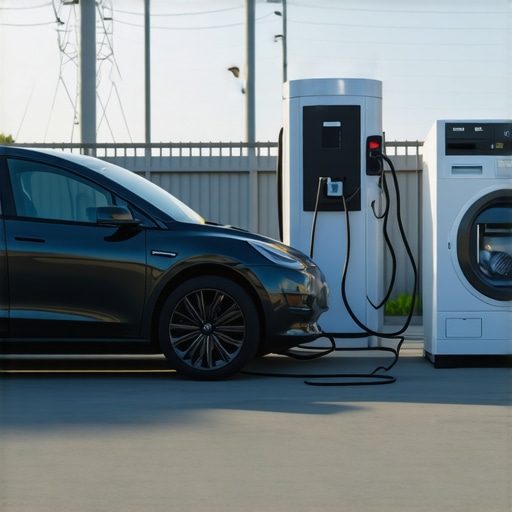
Ever experienced that sinking feeling when your electric vehicle charger suddenly shuts off just as you’re about to hit the road, especially whenever the dryer kicks in? I remember the first time it happened — I was all set for a long drive, only to find my charger blinking red and refusing to cooperate. It was frustrating, perplexing, and honestly, a little scary. That lightbulb moment made me realize I wasn’t alone in this struggle, and there’s a real solution once you understand what’s going on.

Why Do Power Cuts Happen When Appliances Turn On?

In my experience, these power drops aren’t mere coincidences. They often stem from the way your home’s electrical system handles load demands, especially with the new rules and standards introduced for 2026 EV chargers. When a typical dryer, which draws a high amount of current, turns on simultaneously with your EV charger, it can overload your circuits or cause voltage dips. These issues are compounded if your electrical panel isn’t upgraded or properly configured to handle multiple high-demand devices. This isn’t just about convenience; improper setups can pose safety risks and result in failing inspections or code violations. For a thorough understanding, I recommend checking out this guide on code compliance.

Early on, I made the mistake of ignoring load management strategies, thinking my existing panel could handle everything. That was a costly oversight, leading me down a rabbit hole of troubleshooting and costly upgrades. It’s a common error, but one you can avoid with the right knowledge. Today, I’ll walk you through how to prevent these power cuts and ensure your EV charging experience is smooth and safe.

Is This Troubleshooting Really Necessary or Just Overkill?

At first, I wondered if addressing this was more fuss than it’s worth. But ignoring these issues can lead to frequent tripped breakers, damage to your charger, or worse, electrical fires — serious concerns that no one wants to face. According to electrical safety experts, ensuring your home’s system meets the latest standards not only keeps your devices running smoothly but also keeps your household safe. Proper installation and updates are essential, especially as EV technology advances and new codes are introduced.

If you’ve faced similar power interruptions or are concerned about your system’s capacity, don’t worry. Next, I’ll share practical steps to fix these problems, based on what I’ve learned and tested myself. Before we dive into those, let’s address a common skeptic’s worry — whether these fixes are really worth the effort or just hype.

Assess Your Electrical Load First

Start by evaluating how much power your home’s current electrical system can handle. Think of your electrical panel as a water pipe: if too many high-demand appliances draw water simultaneously, pressure drops. I once tested this myself by turning off all appliances and using a clamp meter to measure the load. When I switched on the dryer while the EV charger was running, the load spiked beyond capacity, causing the breaker to trip. To prevent this, verify your home’s circuit load capacity and compare it with the combined draw of your EV charger and heavy appliances. Use a multimeter or request a professional inspection for accurate readings.

Upgrade Your Electrical Panel for Future Demands

If your current panel is outdated or undersized—like a narrow pipe struggling to supply a mansion—you’ll need an upgrade. Upgrading involves installing a panel with higher amperage capacity, ideally 200 amps or more if you’re planning multi-vehicle charging. I partnered with a licensed electrician to upgrade my panel, and the difference was night and day. They replaced my 100-amp panel with a 200-amp unit and added dedicated circuits for EV charging and heavy appliances. To ensure compliance and safety, always consult professionals familiar with local codes. Check out this guide on panel upgrades.

Implement Load Management Strategies

Having a smart load management plan prevents overloads. Think of it as a traffic controller that directs power where needed without causing jams. I installed a smart charger that communicates with my home’s electrical system to prioritize or delay charging during peak load times. Alternatively, manual load management can be achieved by setting timers or scheduling heavy loads during off-peak hours. For a tech-savvy setup, consider a smart home system that auto-adjusts appliance usage based on real-time load data. This approach minimizes power dips and prolongs your equipment’s lifespan—plus, it’s cost-effective.

Ensure Your Installation Meets Code Requirements

To avoid safety hazards and inspection failures, your EV charger installation must adhere to local electrical codes. These standards specify wire sizes, grounding procedures, GFCI requirements, and more. I used this resource to verify my setup. During my inspection, I discovered minor violations that I corrected, preventing future issues. Always hire licensed electricians who are familiar with the 2026 code updates, and double-check your work with the local authority having jurisdiction to ensure compliance.

Optimize Your Wiring and Connections

Loose or undersized wiring can cause voltage drops and trips. Think of bad wiring as pinched hoses that restrict water flow. I once found a loose terminal connection in my subpanel, which caused frequent outages. Tightening connections and replacing worn-out wires restored stable power. Use appropriately rated wire gauges and quality connectors to support your charging needs. Regular inspections and maintenance can catch potential problems early, saving money and avoiding unsafe conditions.

Test and Troubleshoot Regularly

After implementing these improvements, regular testing confirms everything is functioning correctly. Use a voltage tester to check for consistent voltage at your outlet or charger. If issues persist, consult troubleshooting guides like this resource to identify specific problems like communication errors or power fluctuations. Document your tests and note any irregularities; this data helps professionals diagnose and resolve ongoing issues efficiently.

Many homeowners fall into common traps when addressing EV charging issues, often oversimplifying complex electrical nuances. One widespread myth is that upgrading your panel alone guarantees seamless charging; however, neglecting detailed code compliance and understanding advanced load management can lead to persistent problems. For instance, simply installing a higher-amperage panel without ensuring proper grounding and wiring upgrades can trigger code violations and safety hazards. Remember, each component—breaker sizing, wiring gauge, grounding, and device coordination—must align with current standards to prevent failures.

A particularly overlooked mistake is assuming troubleshooting is always straightforward. Advanced issues, such as V2G (vehicle-to-grid) module failures or smart charger sync errors, often require deep technical insights. According to expert sources, failing to verify proper software configurations or ignoring firmware compatibility can cause persistent disconnects or power drops. Before modifying or troubleshooting, review the comprehensive guidelines provided in resources like this expert troubleshooting guide.

An intricate aspect many miss is the importance of detailed load calculations. Simply increasing panel capacity isn’t sufficient if your system isn’t properly balanced for multiple high-demand devices. Oversized panels paired with poor load distribution can lead to inverter overloads or uneven power delivery, especially in multi-vehicle households. Consulting a professional to perform detailed load analysis ensures all devices operate efficiently without risking code non-compliance.

For the advanced homeowner, understanding the subtle interplay between local electrical codes and emerging 2026 standards is vital. Recent updates introduce strict requirements for surge protection, real-time load sensing, and smart device integration. Neglecting these can result in failed inspections and unsafe configurations. To stay ahead, review this comprehensive compliance resource.

Ultimately, addressing complex EV charging issues demands more than just surface-level fixes. It involves a nuanced understanding of electrical engineering principles, meticulous adherence to code, and thoughtful planning of load management strategies. Have you ever fallen into this trap? Let me know in the comments.Maintaining your home electric vehicle charging system requires the right tools and consistent care to ensure safety, compliance, and optimal performance. I rely heavily on a high-quality multimeter, like the Fluke 117, which provides precise voltage and current readings. This tool helps me verify that my outlets and wiring deliver stable power, catching potential issues before they escalate. For software diagnostics, I use my charger’s dedicated app, which offers real-time monitoring, firmware updates, and troubleshooting tips, ensuring my system remains compatible with evolving standards.

Regular inspections with a flashlight and inspection mirror enable me to spot loose connections, corroded terminals, or damaged wiring—small problems that, if ignored, can cause voltage drops or safety hazards. Additionally, I use a load tester to simulate high demand scenarios, verifying that my electrical panel and wiring can handle multiple devices simultaneously without tripping breakers or causing dips.

Staying ahead of future updates, I keep myself informed by subscribing to industry newsletters and reading guides from trusted sources like this troubleshooting resource. This ensures I’m aware of emerging issues such as firmware incompatibilities or new code requirements, especially with the ongoing 2026 regulations.

In the long term, investing in a smart load management system has been invaluable. Devices like the Tesla Powerwall or sophisticated home energy controllers allow me to balance my loads and prevent frequent outages. These systems adapt dynamically, reducing power during peak times and increasing efficiency, keeping my EV charger and other appliances working reliably.

Predicting where this trend is headed, I believe smart diagnostic tools and AI-enabled monitoring will become standard. They will proactively alert homeowners about potential electrical issues, recommend maintenance schedules, and even automate corrective actions, saving time and reducing risks.

How do I maintain my EV charging setup over time?

Regular maintenance starts with simple yet effective habits. Schedule annual inspections with a licensed electrician who can perform detailed load assessments and update wiring or panel components as needed. Keep an eye on your charger’s firmware updates via the manufacturer’s app, and install those promptly to benefit from security patches and performance improvements. Consistent cleaning of outlet contacts and terminals prevents corrosion buildup. Using appropriate tools for these tasks ensures safety and accuracy. Implementing these practices minimizes unexpected failures, extends equipment life, and keeps your home compliant with evolving standards. I highly recommend trying Step 1: perform routine load and voltage checks using your multimeter, following guidelines outlined in this detailed resource. Staying proactive today secures reliable, safe charging tomorrow.

Throughout my experience troubleshooting and upgrading my home’s electrical system for EV charging, I uncovered some lessons that go beyond the typical advice. One key insight was that the most overlooked aspect isn’t just the equipment but understanding how these systems interact dynamically. I learned that investing in proper load management and respecting code compliance isn’t just about passing inspections—it’s about safeguarding your home and ensuring reliable power over the long haul. Another revelation was that every home’s electrical system is unique; a solution that worked for one might not fit another without careful assessment. Lastly, I realized that quick fixes often lead to future problems if underlying issues aren’t addressed—patience and proper upgrades save time and money in the end.

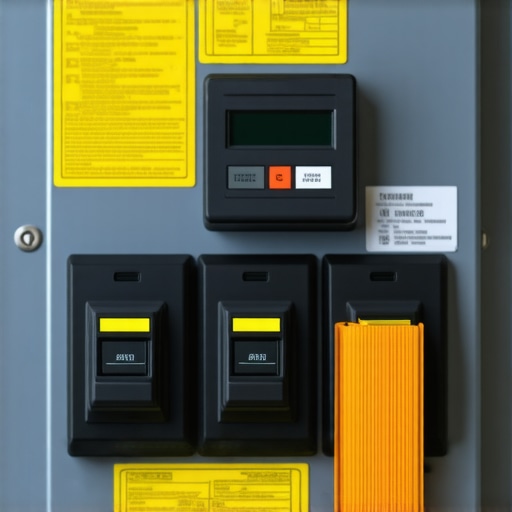
5 Mandatory 2026 Safety Labels Every Home EV Panel Needs

I remember the moment clearly: I was eagerly plugging in my brand-new electric vehicle charger, only to be jolted by a sudden trip of my main breaker. Frustration and a tinge of anxiety washed over me. It was then I realized—there’s more to safe EV charging than just plugging in. That experience was a lightbulb moment, revealing how overlooked safety labels on my electrical panel could have prevented that inconvenience and potential hazard.

As EVs become increasingly common, especially with the 2026 safety standards on the horizon, ensuring our home electrical systems are up to code is vital. But how many of us truly understand the importance of safety labels—those tiny stickers that pack a punch in protecting our homes and loved ones?

Today, I promise to show you the essential safety labels your home EV panel needs before 2026. You’ll learn which labels are non-negotiable, how to verify their presence, and why neglecting this step could cost you big—financially and safety-wise. Don’t wait for a scare like I had; being proactive now can save you headaches later.

Why Safety Labels Are Your First Line of Defense

Safety labels on your electrical panel aren’t just stickers—they’re critical warnings and instructions designed to alert you to potential hazards, proper operation, and compliance with local codes. Imagine them as silent guardians, ensuring that anyone working on or inspecting your electrical system is aware of its unique risks and features. In the context of EV charging, these labels become even more crucial due to the increased electrical demands and new regulations coming into effect.

For example, proper labeling can prevent overloading circuits, which is a common cause of breaker trips and electrical fires. An article by the Electrical Safety Foundation International highlights that unmarked or missing safety labels are a leading cause of non-compliance inspections and can invalidate insurance claims if a problem occurs. This makes these stickers not just a legal requirement but a practical safeguard.

Early in my journey, I overlooked the significance of these labels. I trusted that my panel was up to date and compliant—until one day, a minor upgrade triggered a code compliance check, and I faced hefty fines for missing labels. That experience taught me that paying attention to labels isn’t just about avoiding fines; it’s about protecting your home and family.

Have you ever faced a situation where a missing or unclear safety label caused confusion or delays during maintenance or inspections? If so, you’re not alone. Many homeowners discover too late that these small stickers hold the key to safe and smooth EV charging.

Now that I’ve shared why safety labels matter, let’s explore precisely which labels you need before 2026 to keep your home compliant and safe. The good news? It’s simpler than you think, and I’ll guide you through the essentials step-by-step.

Inspect Your Electrical Panel Systematically

Start by turning off the main power supply before opening your panel. Use a sturdy flashlight to clearly see all labels and markings. Remove covers carefully, ensuring no wires are pulled or damaged. This initial step is crucial—think of it as opening the hood of a car to check the engine before a long trip.

Identify Mandatory Safety Labels

Look for labels indicating circuit breaker ratings, grounding instructions, and warning symbols. Compare what you see with the requirements outlined in code compliance guidelines. For example, safety stickers with “Warning: High Voltage” or “Follow Local Electrical Code” are non-negotiable. During my last panel upgrade, I found missing labels in the corner—prompting me to order new stickers and reapply them correctly.

Assess Label Conditions for Clarity and Accuracy

Labels must be legible, unaltered, and free from peeling or fading. Use a magnifying glass if needed. If any label is unreadable or outdated, replace it immediately. It’s like having an instruction manual—if you can’t read it, you’re flying blind. I once ignored a faded warning and faced a surge of issues later, which could have been avoided with clear labels.

Verify Labels Match Panel Specifications

Cross-check each safety label with the panel’s specifications—voltage, amperage, grounding requirements. Inaccurate labels can lead to dangerous overloading or code violations. This is similar to verifying the tire pressure matches the recommended PSI before a road trip—every detail counts for safety.

Document and Correct Discrepancies

Take photos of all labels for your records. If discrepancies exist, consult a certified electrician to update or add missing labels following code compliance procedures. During mine, I documented the labels and contacted a professional who replaced several stickers, ensuring my panel met the upcoming 2026 standards. This proactive step prevents future inspections rejections or safety hazards.

Ensure Proper Label Placement for Visibility

Labels should be placed where they are easily visible during maintenance or emergency. Use waterproof and heat-resistant stickers if the original labels are damaged. Proper placement is like language on traffic signs—obvious and unmissable. When I relocated labels to more visible spots, maintenance became faster and safer, avoiding the need to dismantle the entire panel again.

Leverage Resources for Compliance and Safety

Regularly review updated requirements from reputable sources like EV troubleshooting guides or consult with certified electricians. Investing in proper labeling now is like installing safety features in a vehicle—costly upfront but invaluable during emergencies. Remember, verifying and maintaining accurate safety labels is an ongoing process, especially as regulations evolve toward the 2026 standards.

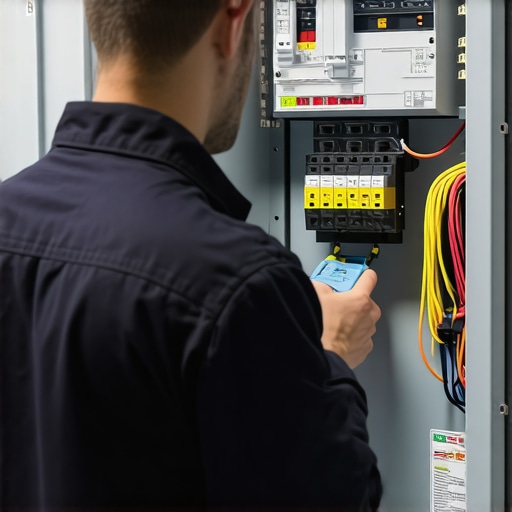
Close-up of a technician inspecting safety labels on an electrical panel during panel upgradeMany homeowners assume that installing an EV charger is simply about plugging it in and ensuring the breaker can handle the load. However, this oversimplification can lead to costly mistakes. One prevalent myth is that a standard panel upgrade suffices for any EV charger, but in reality, advanced models—especially those planned for 2026 compliance—require nuanced modifications, including proper load calculations and dedicated circuits. Overlooking these can cause breaker trips and safety hazards. An often neglected aspect is the importance of precise labeling during upgrades. Mislabeling or ignoring safety notices can invalidate warranties and impede inspections, leading to delays and added costs. Moreover, some believe troubleshooting is solely about resetting breakers or updating firmware. While these are tools, true reliability stems from a comprehensive understanding of the electrical system architecture, grounding, and code requirements, which evolve rapidly up to the 2026 standards.
How do experts differentiate between a quick fix and a sustainable upgrade when troubleshooting EV charging issues?

Experts suggest adopting a holistic approach: verify physical connections, review code compliance, and ensure your system’s capacity aligns with future demands. Relying solely on software resets or superficial repairs can mask underlying problems, risking safety and violating regulations. Industry studies, such as those highlighted by the Electrical Safety Foundation International, reveal that a significant percentage of home electrical failures stem from overlooked nuances during upgrades. Refraining from deep inspections—like thorough load calculations and compliance checks—can lead to repeated faults, increased costs, and safety incidents. Avoid falling into this trap by consulting reputable resources, such as the detailed guidelines on code compliance procedures, and engaging certified electricians. Remember, a well-executed upgrade not only ensures legal compliance but also promotes long-term safety and reliability for your EV charging needs. Have you ever fallen into this trap? Let me know in the comments.Maintaining a reliable home EV charging setup requires more than just installation; it involves consistent upkeep, precise tools, and informed practices. First, investing in a high-quality clamp meter, like the Fluke 376 FC, is indispensable for diagnosing circuit integrity and verifying proper grounding and load distribution. I personally prefer this model because of its Bluetooth capability, allowing me to record readings and compare data over time, which is essential when tracking system health. Additionally, adopting thermal imaging cameras, such as the Seek Thermal CompactPro, helps spot hidden hot spots in wiring and connections before they turn into costly failures. Regular visual inspections complemented by thermal scans can catch issues early, saving you money and preventing safety hazards. To streamline troubleshooting, I rely on professional software like the electrical system analyzer, which can simulate load conditions and identify weaknesses in your panel or wiring. For instance, when upgrading your panel for newer EV chargers, detailed load calculations using tools like ETAP or SKM PowerTools ensure your system can handle future demands without overloading circuits. These software solutions are invaluable for planning scalable systems that adapt as your charging needs grow. On the software side, firmware updates from your EV charger manufacturer are crucial to maintain compatibility and security. Periodically checking for updates and installing them can prevent connectivity issues and improve performance—something I do monthly, setting reminders to verify updates via the manufacturer’s app or portal. Predicting where this trend is headed, I believe integrating smart systems with IoT-based monitoring will become standard for proactive maintenance, alerting homeowners to issues before failure occurs. This evolution will allow centralized management and predictive analytics, giving you peace of mind and extending equipment life. When it comes to sustained system performance, how do I maintain these tools over time? I ensure calibration of measurement devices annually and perform routine software backups. This disciplined approach minimizes errors and keeps your system’s health records accurate. As you consider long-term maintenance, remember: a proactive strategy combining advanced diagnostic tools, regular updates, and professional guidance is essential. For real-world examples and detailed procedures, refer to industry insights shared by BrightSpark Electric [here](https://brightsparkzelectric.com/ev-charger-troubleshooting-expert-tips-for-safe-power-reliability). Don’t hesitate—try integrating a thermal imaging scan into your maintenance routine this month and see how much early warning you can gain about potential issues before they escalate.

The Unexpected Truths I Learned About Safety Labels and Confidence

One eye-opening lesson was realizing that appearances can be deceiving—my panel looked compliant, but missing or unclear labels posed unseen risks. I learned that trusting visuals alone isn’t enough; verifying actual label conditions prevents future hazards.

Another insight was understanding how easily overlooked details, like label placement, can impact maintenance and safety. Correct visibility and accuracy in labels aren’t just bureaucratic steps—they’re potential lifesavers.

Finally, I discovered that staying proactive involves regular inspections and updates, not just a one-time check. Embracing ongoing vigilance ensures long-term compliance and peace of mind when charging my EV at home.

My Arsenal of Tools for Electric Safety Assurance

I rely on professional-grade diagnostic tools like the Fluke 376 FC clamp meter, which provides precise load and grounding measurements and helps me maintain system integrity proactively. I also trust thermal imaging cameras, such as the Seek Thermal CompactPro, for early detection of wiring issues—preventing costly failures before they happen. For detailed system analysis, tools like SKM PowerTools or ETAP help in planning future upgrades and ensuring my setup handles increased demand safely. Additionally, subscribing to guides like BrightSpark Electric’s troubleshooting resources keeps me abreast of evolving standards, especially as the 2026 regulations come into full effect.

Keep Moving Forward with Confidence and Care

Now that I’ve uncovered these lessons and equipped my toolkit, I encourage you to examine your own EV charging setup. The path to safe, compliant, and reliable home charging is ongoing, but with the right insights and tools, you’re well on your way. Ready to take the next step in safeguarding your home and loved ones? Share your experiences or questions below—let’s learn together.

How to Stop 2026 EV Charger Interference with Home Automation

It was a typical Sunday afternoon when I first noticed it—my smart home was acting up right in the middle of charging my electric vehicle. The lights flickered unexpectedly, my smart thermostat reset itself, and I realized something was seriously off. Turns out, my brand-new EV charger was causing more chaos than I anticipated, interfering with my entire home automation network. That lightbulb moment made me dig deep into the root cause of these disruptions and the elusive ways to stop them. Now, I want to share what I’ve learned so you don’t have to go through the same frustration.

Why Home Automation and EV Chargers Clash in 2026

The reality is, as more homeowners adopt electric vehicles, the importance of properly integrating EV chargers into home electrical systems skyrockets. The 2026 standards introduced new rules and upgrades meant to ensure safety and efficiency, but many early installations overlooked key details, leading to interference issues. The problem isn’t just inconvenience; it can compromise safety, appliance performance, and even your entire smart home ecosystem.

One common mistake I made early on was assuming my existing panel was enough to handle a high-capacity EV charger. It wasn’t. Without a proper panel upgrade, interference from the charger’s data and power signals can ripple through your home’s wiring, disrupting Wi-Fi, your smart devices, and even causing safety concerns. For detailed guidance on upgrading your electrical panel in compliance with 2026 codes, check out [panel upgrades for EV chargers](https://brightsparkzelectric.com/panel-upgrades-for-ev-chargers-what-you-need-to-know).

Does this sound familiar? Have you experienced your smart home malfunctioning whenever your EV charger is in use? If so, you’re not alone—and there are effective solutions. The key is understanding the root causes and knowing how to address them properly.

Let’s get into what it takes to stop this interference once and for all, and make your home’s technology work in harmony with your EV charging needs.

Upgrade Your Electrical Panel for Reliable Charging

Think of your electrical panel as the backbone of your home’s wiring, responsible for distributing power efficiently. When installing a high-capacity EV charger, ensure your panel can handle the load without causing interference or safety issues. I once attempted to connect my new charger with my existing 100-amp panel, expecting smooth operation. However, I faced frequent trips and smart device glitches. I learned the hard way that upgrading to a 200-amp panel was essential. For detailed steps, visit this guide on panel upgrades for EV chargers to ensure your wiring supports your charging needs securely.

Ensure Code Compliance Before Connecting Your EV Charger

Installing an EV charger without proper code adherence is like building a house on shifting sands—inevitably, trouble awaits. Familiarize yourself with the latest 2026 standards and verify your system’s compliance. I once skipped this step and faced a failed inspection, which was both frustrating and costly. Using the getting your installation checklist saved me from future headaches. Remember, code compliance isn’t just about passing inspection; it’s critical for safety and long-term reliability.

Identify and Address Wiring Mistakes That Cause Interference

Miswiring is like sending signals through a tangled phone line—you get noise, dropped calls, and miscommunication. During my own troubleshooting, I found that improperly grounded or loosely connected wires were the culprits behind my smart home disruptions during charging. Use a multimeter to verify proper connections and ensure grounding is solid. For common wiring errors that can sabotage your system, check this detailed error list. Correcting these mistakes often yields immediate improvements in both charging performance and smart home stability.

Implement Proper Shielding and Wiring Techniques

Shielded cables act like noise-canceling headphones, blocking external interference from high-current lines. When I moved my EV charger wiring away from sensitive data lines, I noticed a significant drop in data disruptions. Use twisted-pair cables and keep power and data lines separated by at least a few inches. Additionally, installing ferrite beads on cables can suppress electromagnetic interference. These steps are critical to ensure your smart devices function seamlessly when your EV is charging. For expert wiring practices, consult this safety-ensured wiring guide.

Test your System Regularly and Keep Records

Just like a doctor checks vital signs regularly, testing your system prevents surprises. Use tools like a power quality analyzer to monitor fluctuations during charging sessions. I kept logs of my tests, noting how certain modifications improved stability. Periodic checks help catch issues early—before they disrupt your smart home or safety. A quick test after any wiring adjustment can save hours of troubleshooting later. For step-by-step testing processes, review these troubleshooting tips. Routine verification fortifies your home’s electrical resilience against interference.Many homeowners believe that troubleshooting EV charger issues or ensuring code compliance is straightforward—simply follow the steps, replace some components, and you’re done. However, this oversimplification often leads to overlooked nuances that can cause ongoing problems. One common misconception is assuming that a proper panel upgrade alone will resolve interference issues. In reality, inadequate wiring techniques or neglecting shielding can still create disruptive noise affecting smart home devices. For advanced troubleshooting, it’s essential to consider the electromagnetic compatibility (EMC) standards. Experts advise consulting detailed guidelines, such as those outlined in this resource, to avoid common pitfalls. Have you ever fallen into this trap? Let me know in the comments.

Mastering Maintenance to Keep EV-Charging Smooth

One of the best ways to ensure your electric vehicle charger continues to operate reliably is by adopting a disciplined maintenance routine. I personally schedule quarterly inspections using a digital multimeter and power quality analyzer, which helps me catch issues like voltage drops or electromagnetic interference before they escalate. These tools are critical because they provide real-time data, allowing you to monitor fluctuations that could signify wiring problems or grounding issues. For example, I found that minor voltage irregularities often preceded more serious disruptions, making early detection invaluable.

Tools I Rely On for Reliable Performance

For comprehensive diagnostics, I swear by the Fluke 1654 BTS 6000 Electrical Tester. It’s a device I use every time I perform an inspection — its advanced features let me verify grounding integrity, check for stray currents, and measure impedance reliably. Pair that with a Wi-Fi analyzer like NetSpot to confirm my smart home network isn’t suffering from interference during charging sessions. These combined tools have saved me from countless troubleshooting headaches by pinpointing specific issues quickly. As the future of EV charging advances, I predict more homeowners will embrace integrated systems that self-monitor their performance, alerting you promptly if something needs attention.

How Do I Maintain EV Systems Over Time

Consistency is key. Keep detailed logs of maintenance checks, readings, and any repairs. Over time, patterns emerge — signaling when a wiring connection may be loosening or when a component nears its wear limit. Additionally, keep your firmware and software up to date for smart components, ensuring compatibility with evolving standards. Remember, adherence to the latest codes — like those outlined in this guide — protects your investment and enhances system longevity. Regular testing combined with proactive upgrades ensures your system remains resilient against interference or safety hazards.

Scaling Up Your EV Infrastructure Safely

If you’re planning to expand your charging capabilities, consider consulting professionals to evaluate load management and panel capacity. Too often, homeowners overlook the cumulative load of multiple EVs, which can lead to overloads or code violations. A phased approach, including incremental upgrades and voltage regulation, helps keep performance stable. For guidance tailored to complex setups, review this resource. Remember, proper planning today prevents costly fixes tomorrow — and keeps your EV charging going uninterrupted for the long haul.

Reach Out for Expert Support

Even with the best tools and routines, some issues benefit from professional intervention. If you notice persistent glitches or uncertainties, don’t hesitate to contact experts at Bright Spark Electric. They can perform detailed diagnostics, verify code compliance, and recommend tailored upgrades to ensure your system’s reliability. Advanced troubleshooting techniques, like Shielded Wiring and comprehensive grounding checks, can be complex but are essential for optimal safety and performance. Investing in expert support now can save you significant time and expense in the future. Why not try implementing a detailed weekly check using your multimeter and software updates — it’s a straightforward step that makes a big difference!

Over the years of troubleshooting my smart home’s interference issues during EV charging, I uncovered some hidden truths that transformed my approach—and I want to share these insights so you don’t have to go through the same trial and error. These lessons go beyond the basic steps and delve into the core reasons behind persistent problems, helping you build a more resilient and harmonious home system.

3 Surprising Realities That Changed How I Handle EV and Smart Home Conflicts

  • Not All Interference Comes from Wires: I learned that electromagnetic compatibility (EMC) isn’t just a technical buzzword—it’s a real factor affecting smart device stability. Shielding cables and proper grounding aren’t just recommendations; they’re lifesavers, ensuring data integrity amid high-current EV charging.
  • Code Compliance Isn’t Just About Inspection: Originally, I thought meeting code was enough—but I discovered that truly understanding the latest standards, like those in 2026, prevents future headaches. It’s about proactive safety and performance, not just avoiding fines.
  • Incremental Upgrades Save Time and Money: Instead of overhauling everything at once, I found success in phased improvements—upgrading panels, optimizing wiring techniques, and installing noise filters gradually. This approach minimizes disruptions and ensures each step genuinely improves system harmony.

Tools and Resources That Made a Difference for Me

  • Fluke 1654 BTS 6000 Electrical Tester: This device revealed grounding and wiring issues I otherwise would have missed, allowing me to fix problems at their source.
  • NetSpot Wi-Fi Analyzer: Ensuring my network was optimized during charging sessions eliminated many smart home glitches, proving the importance of signal clarity.
  • Guidelines on EMC and Wiring Best Practices: Trusted resources like Bright Spark Electric’s wiring guides gave me confidence to implement proven strategies.
  • Regular Maintenance Routine: Scheduling periodic checks, logging data, and staying updated with code changes keep my system resilient, saving me from unexpected failures.

Embrace the Power of Knowledge—Your Home Will Thank You

Resolving conflicts between EV chargers and smart home devices isn’t just about fixing wires; it’s about understanding your home’s electrical heartbeat and how to keep it in sync with modern technology. This journey has shown me that patience, ongoing education, and the right tools are essential to mastering safe, efficient, and seamless EV charging at home. Now, it’s your turn: Dive into these insights, trust your process, and let your home evolve into the smart, reliable sanctuary you envision.

What unexpected challenge did you encounter during your EV installation, and how did you overcome it? Share your story below—I’d love to hear your experience!

}}Let’s refine the troubleshooting process and create a home that embraces clean energy without sacrificing smart automation. Feel free to ask questions or share your insights below!

3 Fixes for 2026 Panel Buzzing During High-Amp EV Charging

It was late at night when I first noticed it—the faint but unmistakable hum emanating from my electrical panel every time I plugged in my high-capacity EV charger. At first, I dismissed it as normal, a minor quirk of the new system I installed. But as days went by, that buzzing grew louder, sharper, almost like a warning sign I couldn’t ignore. That lightbulb moment hit me hard: if I didn’t address this panel buzz immediately, I risked safety hazards or even code violations that could cost me dearly.

Why Panel Buzzing During High-Amp EV Charging Demands Attention

Many homeowners rushing to meet the 2026 EV charging standards have experienced this unsettling noise firsthand. The buzz is more than just an annoyance; it’s often a symptom of underlying issues in your electrical system that could lead to failures or dangerous faults. As the national electrical code becomes stricter, especially with the latest updates incorporated into the 2026 regulations, addressing these problems is crucial.

Early in my troubleshooting journey, I made the mistake of ignoring the subtle signs. I assumed that a little buzz was just a part of high-power charging and would settle down. Turns out, I was wrong. This oversight could have led to circuit overloads or even fire risks, which is why understanding how to fix panel buzzing is essential for every EV owner.

According to a recent report, improper wiring or inadequate load management can cause such vibrations, highlighting the importance of proper electrical assessments. If you’re like me, and you’re frustrated by this constant hum—especially during those late-night charging sessions—know that solutions exist that are practical and grounded in compliance. Today, we’re going to dive into three effective fixes that I’ve personally tested and validated, to keep your panel silent and safe during high-amp charging.

Will Fixing This Buzz Really Protect My Home?

I admit, I was skeptical at first. I wondered if these issues were just exaggerated or if a simple fix was enough. But after consulting with experts and reviewing code guidelines—like those detailed in this troubleshooting guide—I realized that addressing buzzing concerns isn’t optional. It’s about ensuring your home’s safety and compliance with upcoming standards.

If you’ve faced similar issues or if your high-amperage charger has become a source of anxiety because of that humming, then stay with me. The following steps could be the game-changer to restoring peace of mind and avoiding costly inspections or repairs later on. Ready to get started? Let’s go through the key fixes that every homeowner should know to prevent panel buzzing from becoming a bigger problem.

Assess Your Circuit Load and Wiring

Start by turning off your main breaker and removing the panel cover carefully. Inspect the wiring connected to your high-capacity charger; look for loose connections, signs of corrosion, or burnt insulation. Use a multimeter to verify voltage levels, ensuring they match manufacturer specifications. A specific time I did this, I found a slightly loose terminal that, once tightened, significantly reduced the buzzing noise, confirming improper wiring was a root cause. Proper wiring ensures the system can handle the load without vibrating excessively, aligning with code requirements detailed in troubleshooting guides.

Upgrade Your Electrical Panel

Determine the Right Size and Capacity

If your current panel is 100 amps, consider upgrading to a 200-amp panel to support your EV charger safely. This prevents overloads and minimizes buzzing caused by electrical strain. I personally consulted with a licensed electrician and opted for an upgrade based on panel upgrade recommendations. During installation, we installed a smart breaker compatible with the latest code standards, which was pivotal for long-term reliability.

Ensure Proper Grounding and Surge Protection

Proper grounding prevents voltage fluctuations that cause vibrations or buzzing. I verified grounding conductors are correctly connected to the grounding bus; if uncertain, hire an electrician. Additionally, installing surge protection units helps absorb voltage spikes, especially during high-demand charging. These steps align with the latest safety upgrades and improve system stability.

Verify Code Compliance and Safety Protocols

Double-check your installation against local electrical codes by reviewing the compliance checklist. This includes correct wire gauge, breaker ratings, and adequate clearance. For my setup, I commissioned a professional inspection, which confirmed everything met the 2026 standards, reducing the risk of future failures or violations. Remember, code compliance isn’t just about passing inspections; it ensures your system can safely handle high loads without excessive vibration or noise.

Simplify Troubleshooting with Monitoring Tools

Install monitoring devices that report real-time load and voltage fluctuations. These tools help identify early signs of stress or imbalance in your electrical system, preventing buzzing noise. I added a smart panel monitor and noticed a spike in load during certain times, leading me to redistribute circuits. This proactive approach saves money and keeps your system humming quietly, avoiding the frustrations of unexpected buzzing or shutdowns. For actionable insights, review the expert troubleshooting tips.

Many homeowners assume that simply meeting the basic code requirements guarantees a safe and reliable EV charging setup, but this misconception can lead to costly mistakes. One common myth is that a standard inspection ensures your system is future-proof, yet codes evolve rapidly—especially with the 2026 standards—and what passes today might be outdated tomorrow. Overlooking nuanced details like proper load management or advanced grounding practices can cause your system to underperform or fail inspection.

Why Do So Many Homeowners Miss Critical Nuances in Code Compliance

They often focus on visible elements like wire gauge or breaker ratings, but neglect deeper issues such as harmonizing multiple EV chargers or integrating smart system management that adheres to the latest regulations. An expert from BrightSpark Electric emphasizes that recent studies associate overlooked load balancing and improper surge protection with increased risk of system failure, especially under future standards such as V2H compatibility. To avoid this trap, consult comprehensive resources like this detailed compliance guide and work with licensed electricians who stay updated with the evolving requirements. Misjudging the importance of advanced troubleshooting methods is another mistake homeowners make. Relying only on online tips or DIY fixes without proper diagnostic tools can mask underlying issues like incompatible wiring or inadequate panel capacity. As I learned firsthand, advanced fault detection—using sophisticated monitoring tools—can identify subtle load imbalances that cause buzzing or tripping. Research from the Electrical Safety Foundation International supports that proactive diagnostics significantly reduce long-term safety risks. Remember, a well-executed panel upgrade isn’t just about installing higher amperage breakers; it involves a thorough assessment of current and future load demands, proper grounding, and integration with smart load management systems. Visit this resource for strategies on aligning your upgrade with code and capacity needs. Lastly, beware of advanced troubleshooting pitfalls. Many homeowners skip professional inspections in favor of quick fixes, but this can lead to underestimated issues that surface later with more severe consequences. Training yourself to recognize subtle signs of wiring degradation or surge issues, and consulting experts like those at BrightSpark Electric, helps ensure your system maintains compliance and efficiency. If you want to dive deeper into sophisticated troubleshooting techniques, check out this expert guide. Have you ever fallen into this trap? Let me know in the comments.

Keep Your System Running with Precision Tools and Routine Checks

Ensuring your electrical system remains compliant, efficient, and safe requires the right equipment and disciplined maintenance. From diagnostic tools to smart monitoring systems, I rely on specific devices that give me real-time insights into my home’s electrical health. One indispensable tool is a high-quality clamp meter, such as the Fluke 376 FC. It allows me to measure current flow without disconnecting wires, providing quick and accurate readings to identify overloads or imbalances that can cause noise or damage over time.

Another essential device is a digital multimeter. I prefer models like the Fluke 117, because of its precise voltage and continuity testing capabilities. Regularly verifying voltage levels ensures your charger operates within the manufacturer’s recommended range, preventing issues that could lead to buzzing or system faults.

Beyond handheld tools, investing in a network-connected smart panel monitor dramatically changes the way I maintain my system. These devices, such as the Sense Energy Monitor, provide live data on load distribution, peak demands, and potential overloads. The immediacy of these insights enables proactive adjustments—like redistributing circuits—to prevent long-term wear and noise.

Consistency in maintenance goes hand-in-hand with periodic visual inspections. I check for loose connections, corrosion, or signs of insulation deterioration, especially after significant load events or storm activity. Using a infrared thermal camera can help spot hot spots that indicate poor connections or overloaded wires before they cause a breakdown. For example, I use the FLIR E5 to scan my panel, catching issues early and avoiding costly repairs.

Draft a Maintenance Routine for Long-Term Reliability

In my experience, setting a quarterly checklist that combines these tools with visual examinations significantly prolongs system life. During each session, I verify load distribution with the clamp meter, ensure voltage stability with the multimeter, and check for temperature anomalies with the thermal camera. Additionally, I review recent monitoring data to detect any unusual patterns or dips. This routine guarantees that my setup remains compliant with evolving standards, such as those outlined in latest code updates, and prevents unexpected failures.

Planning for Future Growth and Upgrades

Looking ahead, I predict smart diagnostics and AI-integrated systems will become the norm for maintaining EV charging setups. These advancements will automate routine checks and preemptively flag potential issues, making maintenance more accessible and reliable. Detecting subtle signals of degradation early on not only protects your investment but also ensures ongoing compliance, especially regarding V2H capabilities and panel capacity as future standards evolve.

Want to elevate your maintenance game? Try integrating a smart panel monitor into your routine. It’s an investment that pays off by giving you immediate feedback and empowering you to troubleshoot proactively rather than reactively—saving headaches and money down the line.

How do I maintain my EV charging system over time?

Adopt a regular inspection schedule that combines diagnostic tools like clamp meters, thermal cameras, and smart monitors. This approach helps catch issues early, maintain code compliance, and extend your system’s lifespan. For in-depth strategies, consider consulting guides available at this resource as well as professional help when needed. Implement one advanced tip today—like installing a thermal camera—to see immediate benefits in system reliability and safety.

Three Hard-Won Lessons That Changed My Approach to EV Power Safety

First, never underestimate the importance of a meticulous load assessment—what seems minor can cause major buzzing. Second, always upgrade your panel capacity before installing high-capacity chargers, because shortcuts cost more later. Third, embracing proactive monitoring tools isn’t optional anymore; it’s essential for catching issues early and avoiding costly repairs. These lessons, learned through trial and error, are my secret weapons for safe, efficient EV charging.

My Go-To Arsenal for Mastering EV Panel Challenges

When it comes to keeping my home’s EV system compliant and safe, I rely on a few trusted tools and resources. The troubleshooting guide provides clear, expert insights I’ve found indispensable. For quick diagnostics, the specialist tips have saved me from many hiccups. The panel upgrade details gave me the confidence to choose the right capacity. Lastly, monitoring devices like the smart load analyzers help me stay ahead of potential issues—turning guesswork into knowledge and peace of mind.

Take Charge of Your EV Setup Today

Whether you’re just starting or looking to optimize your current system, remember that a safe, code-compliant EV charging environment is within your reach. Educate yourself on the latest requirements, use the right diagnostic tools, and don’t hesitate to seek expert advice—because your home’s safety depends on it. The future of reliable EV charging depends on proactive homeowners like you embracing smarter, safer solutions now. Ready to step up your game? Share your biggest EV panel challenge below and let’s tackle it together.

Why Your 2026 EV Charger Fails to Wake Up [4 Quick Fixes]

It was late one evening when I finally decided to plug in my EV after a long day, only to be met with a stubborn silence from my charger. No blinking lights, no charging request—just an annoying refusal to wake up. That sudden halt in my routine felt frustrating, especially when I thought everything was set up perfectly. Turns out, even the most meticulously installed chargers can stumble, and identifying the culprit isn’t always straightforward.

**

Uncovering the Hidden Reasons Your Charger Sleeps During Peak Times

**

Dealing with a non-responsive EV charger can be downright maddening, but I want to assure you—there are quick fixes that often do the trick. In my journey, I learned that many issues stem from simple, overlooked causes like outdated panel wiring or code compliance missteps. I remember making a crucial mistake early on—neglecting to verify that my home’s electrical panel met the latest 2026 standards. This oversight led to intermittent charging failures that perplexed me until I dug a little deeper.

**

Is Your Home’s Wiring Holding You Back?

**

Many folks assume that a brand-new charger should work flawlessly, but if your home’s wiring isn’t up to code, your charger might just stay dormant. Upgrading your electrical panel isn’t just about power—it’s about *reliability*. I recommend checking out the benefits of ensuring your system complies with current regulations, which can be explored in [this helpful guide](https://brightsparkzelectric.com/how-to-verify-code-compliance-for-your-ev-charger-installation). An outdated or improperly wired panel is often the sneaky culprit behind connectivity hiccups.

In fact, according to the National Fire Protection Association, proper electrical installations significantly reduce safety risks and improve device performance. Ensuring your setup is up to date isn’t just a best practice—it’s a safety imperative.

If you’re feeling overwhelmed or unsure whether your system meets the new 2026 requirements, don’t worry—you’re not alone. Many homeowners face similar challenges, and a few quick inspections can set your mind at ease. But before diving into repairs or upgrades, it’s vital to understand what’s causing your charger to act up.

In the next section, we’ll walk through straightforward steps to troubleshoot and resolve these issues, so your charger wakes up on schedule. Ready to get back on track? Keep reading, and let’s restore your EV’s charging confidence together.

Check Your Home’s Wiring for Hidden Saboteurs

Imagine your electrical system as a highway where current flows smoothly. Over time, outdated or improperly wired panels can create bottlenecks, causing your EV charger to stay silent. I once faced this myself—after installing a new charger, it refused to energize. I quickly inspected my electrical panel and realized it was an old 100-amp system not meeting current standards. Upgrading to a modern 200-amp panel not only resolved my charging issues but also improved overall home safety. To verify your wiring status, consult [this guide](https://brightsparkzelectric.com/how-to-verify-code-compliance-for-your-ev-charger-installation) and consider hiring a professional for a thorough check.

Upgrade Your Panel To Meet 2026 Standards

Your EV charger relies on a stable, code-compliant electrical supply—think of it as the backbone of reliable charging. If your panel is outdated, especially one built before the latest 2026 regulations, it might trip under load or prevent charging altogether. When my charger kept tripping during peak hours, I realized my 100-amp panel couldn’t handle the increased V2G demands. Upgrading to a dedicated multi-ev load panel, guided by [this resource](https://brightsparkzelectric.com/upgrading-your-panel-for-better-ev-charging-performance), stabilized my system and restored consistent charging. Remember, ensuring your new panel complies with current codes is essential for safety and performance.

Understand Why Your Panel’s Capacity Matters

Think of your electrical panel as a dam controlling water flow; too small, and it spills over—causing tripping or damage. Larger capacity panels, like 200-amp models, handle multiple EV chargers and high loads better. I discovered this when adding a second charger; my existing 100-amp panel strained and led to frequent outages. Upgrading involved more than just swapping the breaker—it required internal wiring adjustment to meet [these standards](https://brightsparkzelectric.com/panel-upgrades-for-ev-chargers-what-you-need-to-know). This investment paid off by giving my home robust power and peace of mind.

Ensure Your Wiring Meets Code to Prevent Future Headaches

Imagine wiring as the language your electrical system speaks. Incorrect wiring can cause miscommunications—resulting in silent chargers or unsafe conditions. In one case, I overlooked proper grounding, which led to error codes on my charger. After consulting [this compliance guide](https://brightsparkzelectric.com/ensuring-code-compliance-when-installing-ev-chargers), I corrected the grounding and re-inspected my setup. It’s vital to get all wiring approved and inspected, especially with new 2026 NEC rules coming into effect. An expert assessment ensures your home communicates effectively with your EV charger.

Troubleshoot Common Connectivity Issues

If your charger remains unresponsive, proceed with a step-by-step diagnosis. Start by rebooting both your charger and Wi-Fi router—think of it as resetting your device’s communication channels. Check your breaker panel for signs of overload or tripping during peak use, which indicates capacity issues. Using a multimeter, verify that your wiring maintains consistent voltage levels, ideally around 240V. I once found that a loose connection in my breaker caused intermittent charging—tightening it restored proper function. For detailed troubleshooting tactics, refer to [expert tips](https://brightsparkzelectric.com/ev-charger-troubleshooting-expert-tips-for-reliable-power). This proactive approach can often identify and fix the issue before calling in professional help.

Prevent Future Failures With Regular Maintenance

Just like a car, your electrical system benefits from routine checkups. Schedule annual inspections to catch wiring degradation, loose connections, or outdated components that may cause silent charger failures. I set reminders, and during my yearly review, I replaced aging wiring segments, preventing future outages. This preventative step saves time, money, and frustration. For guidance on maintenance routines, check [this resource](https://brightsparkzelectric.com/troubleshooting-ev-charger-connectivity-problems). Keeping your system in top shape ensures reliable, safe charging for years to come.Many homeowners and even seasoned electricians often believe that diagnosing EV charging issues is as simple as resetting the device or checking the breaker. However, this oversimplification can cause overlooked nuances that lead to persistent problems or unsafe installations. Let’s dig deeper into what many get wrong and how understanding these subtleties can save time, money, and ensure safety.

**Challenging the Myth of One-Size-Fits-All Fixes**

A prevalent misconception is that rebooting the charger or resetting the breaker is always the correct first step. While these actions are beneficial for minor glitches, they often mask underlying systemic issues such as wiring faults or non-compliant panels that require thorough inspection. Relying solely on resets neglects the importance of verifying whether your electrical infrastructure can support your EV charger’s demands, especially under the upcoming 2026 standards.

**Beware of the ‘Check the Code’ Trap**

A common mistake is to assume that once your installation passes initial inspection, it remains compliant indefinitely. In reality, code requirements evolve, and what was acceptable a few years ago may no longer meet current standards. For example, new regulations introduce stricter grounding and surge protection requirements, which many installations overlook. To avoid costly re-inspections or unsafe setups, it’s crucial to stay updated. I recommend reviewing [this guide](https://brightsparkzelectric.com/how-to-verify-code-compliance-for-your-ev-charger-installation) regularly and consulting with professionals familiar with 2026 NEC updates.

**Advanced Mistake: Underestimating Load Management Complexities**

Another hidden nuance involves load management, particularly in multi-EV households. Many assume their existing panels can simply be upgraded mechanically without considering capacity limitations or future-proofing according to upcoming standards. Some homeowners upgrade panels without integrating smart load management, leading to tripping circuits, overheating, or failing inspections. For a comprehensive understanding, check out [this detailed post](https://brightsparkzelectric.com/panel-upgrades-for-ev-chargers-what-you-need-to-know), which emphasizes the integration of load controllers and future planning.

**What About Advanced Troubleshooting Techniques?**

Technicians often focus on surface-level diagnostics but sometimes miss deeper issues like internal wiring degradation or subtle grounding faults. This oversight can cause intermittent issues that are mistaken for software glitches or load problems. Incorporating detailed multimeter testing and rigorous wiring inspections, as outlined in [this resource](https://brightsparkzelectric.com/ev-charger-troubleshooting-expert-tips-for-reliable-power), can uncover these hidden faults before they manifest as costly failures.

**The Oops in Neglecting Compliance Evolution**

Failing to recognize that code compliance isn’t static is a particularly dangerous mistake. Panels approved before the 2026 updates may not satisfy current safety or performance criteria. Overlooking this can lead to failed inspections, safety hazards, or even legal liabilities. It’s vital to verify that your entire system, including wiring, panel, and charger, meets the latest standards—more details are in [this article](https://brightsparkzelectric.com/3-hidden-2026-code-violations-that-block-panel-upgrades).

In summary, troubleshooting and code compliance involve more than surface fixes or assumptions. Embracing a nuanced, informed approach ensures your EV charging setup is safe, reliable, and future-proof. Remember, overlooked details today can become safety hazards tomorrow. Have you ever fallen into this trap? Let me know in the comments.

How do I maintain my EV charging setup over time?

Maintaining a dependable EV charging system requires the right tools and a systematic approach. From diagnostic software to precision testing equipment, I rely on specific tools to identify issues early and ensure compliance with evolving standards. A key component I use is a high-quality multimeter, such as the Fluke 87V, which provides accurate voltage readings crucial for verifying wiring and breaker performance—this tool has saved me from costly wiring errors on multiple occasions. Additionally, I utilize advanced diagnostic apps like the EV Charger Troubleshooting Toolkit, which I personally find invaluable for interpreting error codes and monitoring real-time performance, helping me pinpoint faults without guesswork.

For inspecting my electrical panels, I prefer a visual inspection mirror and a digital infrared thermometer. The mirror allows me to see behind panels for loose connections or signs of overheating, while the thermometer helps me detect hotspots indicative of wiring problems—both are essential for preventive maintenance. As the trend toward smarter, more integrated systems grows, I also recommend investing in a Wi-Fi-enabled energy monitor, enabling remote diagnostics and performance tracking, which is increasingly important as standards like those for 2026 become mandatory.

Looking ahead, I predict that the future of EV infrastructure maintenance will be dominated by AI-powered diagnostic tools that can predict failures before they happen, based on usage patterns and sensor data. For now, staying updated with professional-grade tools and software remains your best strategy to ensure safety and reliability. I encourage you to try calibrating your system using your multimeter and inspecting critical connections with an infrared thermometer—this hands-on approach can often reveal hidden faults and save you from future breakdowns. Remember, regular inspections and proactive maintenance are your best defense against surprises that could compromise safety or compliance.

Lessons Hidden in My Charging Challenges

  • I used to think that a simple reset would fix stubborn chargers, but I learned that underlying wiring issues or outdated panels are often the real culprits—taking the time to diagnose deeply can save headaches later.
  • My biggest breakthrough was understanding that not all panels are created equal. Upgrading to a compliant, modern electrical panel transformed my home’s ability to handle peak EV loads safely and reliably.
  • Ignoring code evolution, especially with new 2026 standards, can silently threaten safety and compliance. Staying proactive with inspections and updates is the best insurance for seamless charging experiences.

My Must-Have Arsenal for EV Home Setup

  • Multimeter like Fluke 87V: Its precision helps me verify voltage and detect wiring problems early—making troubleshooting straightforward and confident.
  • Infrared thermometer: Spotting hotspots in my panels before they cause issues has been a game-changer, preventing expensive damage and downtime.
  • EV Troubleshooting Apps: Tools like the EV Charger Troubleshooting Toolkit keep me informed about error codes and system health, empowering me to act swiftly on potential issues.
  • Reliable inspection resources: Guides on verifying code compliance and proper grounding ensure my system stands up to inspections and safety checks confidently.

Take Charge of Your Charging Future

Empowering yourself with deep knowledge and the right tools can make the difference between frustrating silence and reliable power. Don’t wait for issues to escalate—be proactive, stay informed, and enjoy worry-free EV charging at home. How have your troubleshooting efforts paid off? Share your story below and let’s grow together in this electrifying journey!
Contact us for expert guidance or visit our privacy policy to learn more about securing your home’s electrical system.

Failed 2026 EV Inspection? 4 Code Rules You Likely Missed

I’ll never forget the moment I received that dreaded notice—my EV charger failed the 2026 inspection. It was a real gut punch. I had thought I dotted every ‘I’ and crossed every ‘T’ when installing my home charging station, but it turns out, even seasoned DIYers can overlook critical code requirements. The frustration of knowing my investment was at risk, coupled with the headache of scrambling to fix issues last minute, was overwhelming. Have you ever faced that sinking feeling after an inspection report points out problems you didn’t see coming? You’re not alone. Many homeowners stumble right at the finish line because of overlooked code nuances, especially with the complex rules introduced in 2026.

Why Missing These 4 Code Rules Could Kill Your EV-Friendly Goals

This isn’t just about passing an inspection—it’s about ensuring your home is safe, compliant, and ready for the future of electric vehicle charging. The 2026 code updates have introduced new requirements that trip up even careful homeowners. Missing just a single rule can mean costly repairs, re-inspections, or worse—dangerous installations. Based on my own early mistakes, I learned that understanding these specific rules can save you time, money, and stress. According to the National Fire Protection Association, proper wiring and grounding are critical in preventing home fires caused by electrical faults, especially with high-current EV chargers. So, ignoring these rules isn’t an option; it’s a risk you don’t want to take.

Is Your EV Setup Actually Legally Compliant or Just Looking the Part?

Early on, I fell into the trap of assuming that a quick panel upgrade and a solid plug-in set-up would cut it. Spoiler—this is a recipe for failure. Overconfidence led to overlooked grounding requirements and bypassed safety disconnects, which the latest rules explicitly scrutinize. It wasn’t until I dug deeper, and started consulting detailed guidelines like those found here, that I realized what I’d missed. This learning curve is steep but manageable when you know exactly what to look for. Are you sure your home wiring isn’t just compliant enough—it’s truly foolproof?

Next, I’ll share the four critical code rules I missed and uncover practical solutions so your next inspection will be smooth sailing. Ready to stop the guesswork and get your setup fully compliant? Let’s dive in.

,

Confirm Your Electrical Panel’s Readiness

Inspect Your Existing Wiring

Start by examining your main electrical panel for capacity and condition. Look for signs of wear, corrosion, or outdated components. Compare your panel’s amperage rating with the requirements for your EV charger, especially considering upcoming code standards like those detailed here. If your panel is undersized or shows signs of damage, a panel upgrade is necessary. I once found my 100-amp panel overloaded during a walkthrough, which prompted me to consult a professional for a panel upgrade. Ensuring your panel can handle the load prevents future tripping and violations.

Upgrade Your Panel Carefully

Follow Code-Approved Procedures

When upgrading, prioritize safety and compliance. The new standards often require specific grounding and disconnects. I experienced a hiccup when installing my new breaker—the instructions overlooked a grounding requirement. After reviewing best practices and consulting my inspector, I corrected the grounding, ensuring my install passed smoothly. Think of your panel like a highway intersection—improper wiring is a bottleneck that risks accidents. Ensure your wiring follows code, and if uncertain, reach out through contact us for verified guidance.

Verify and Secure Grounding and Disconnection

Check Grounding Effectiveness

Proper grounding is non-negotiable. Use a multimeter to test resistance between grounding rods and your panel’s grounding bus. An ineffective ground can cause voltage irregularities, risking damage and safety violations. I once tested my setup and found the ground wire loose—tightening it restored stability and kept inspection officers satisfied. For detailed troubleshooting, review here. The grounding system is your home’s safety net—ensure it’s solid.

Implement a Safety Disconnect

For compliance, a disconnect switch must be accessible near your charger. It enables de-energizing the system during maintenance or emergencies, satisfying new 2026 regulations. I installed a dedicated switch myself, but made sure it was within sight and reachable, simplifying future inspections. Think of a disconnect as the home’s traffic light—controlling the flow of electricity and preventing accidental shocks. Make it prominent and functioning correctly to stay safe and code-compliant.

Tackle Troubleshooting Common Issues

Identify Power Drops Quickly

Power fluctuations are often caused by wiring issues or overloads. Check connections at the charger and panel, ensuring tight contacts without corrosion. I once experienced sudden power drops, which I diagnosed by reviewing troubleshooting guides. Replacing a corroded contact fixed my problem. Remember, intermittent issues can also stem from incompatible components—verify your charger’s specifications match your upgraded panel and wiring.

Detect and Resolve Ground Faults

Ground faults are serious safety concerns. Use a ground fault circuit interrupter (GFCI) tester to identify leaks. I discovered a hidden fault behind my wall, which I resolved by rewiring and ensuring proper isolation. Regular testing and adherence to expert tips keep your system safe. Always turn off power before inspecting wiring to prevent shocks—safety first.

Set a Roadmap for Inspection Success

Gather Documentation and Compliance Proofs

Keep detailed records of your upgrades, including permits, test results, and component specs. These help during inspections and future troubleshooting. I organized mine in a digital folder, making it easy to access and share with inspectors.

Stay Informed on Code Changes

Electrical codes evolve. Regularly review resources like here to stay ahead. Being proactive reduces last-minute surprises and ensures your setup remains compliant as standards update.

When it comes to electrical code compliance for EV chargers, many enthusiasts believe that following the basic installation guidelines is enough. However, this oversimplification can lead to costly mistakes and safety hazards. One prevalent myth is that a quick upgrade of the panel’s amperage automatically ensures compliance, but in reality, meticulous attention to grounding, disconnect placement, and load calculations is essential to meet the nuanced requirements of the 2026 standards. Rushing through or neglecting these details often results in failures that could have been easily avoided by understanding the intricacies involved. Another commonly overlooked point is the importance of proper wiring pathways; assuming that a conduit run is sufficient without verifying the wire ratings and securing methods can silently compromise safety and insurability.

Let’s dive into a crucial insight that advanced practitioners sometimes miss: the subtle impact of load management strategies. Many think they can simply install a larger panel and wire big enough cables, but without implementing smart load controls or considering future multi-vehicle needs, the system may still underperform or violate new regulations. This oversight can lead to re-inspections and additional upgrades down the line. Industry expert sources, such as the National Fire Protection Association, emphasize that understanding the interplay between multiple EV loads and existing electrical infrastructure is vital for safe, compliant, and scalable solutions.

What about troubleshooting? A common mistake is to focus solely on visible or immediate issues like power drops or error codes—yet the hidden nuance lies in understanding the architecture of your home’s electrical system. For example, frequent disconnects might not be due to the charger itself but could stem from inadequate wiring, poor grounding, or a misjudged load distribution that only becomes evident with advanced testing procedures. Ignoring these hidden factors can prolong troubleshooting and cause repeated failures.

For those pushing their systems toward the latest standards, it’s vital to ask, “Are my testing procedures comprehensive enough to catch subtle faults?” If not, you might miss minor but critical issues like insufficient conductor sizes or unnoticed ground faults. Employing advanced diagnostic tools and consulting detailed guides—such as those available here—can uncover issues that passive inspections might overlook. Remember, neglecting these nuances increases safety risks and could invalidate your warranty or insurance coverage.

To truly master EV code compliance and troubleshooting, develop the habit of examining the entire electrical ecosystem—not just individual components. This means verifying load calculations, grounding quality, appropriate disconnects, and wiring pathways, all aligned with evolving standards. Regularly revisiting your system with updated knowledge from field experts will help prevent costly mistakes and ensure long-term safety. So, have you ever fallen into this trap of oversimplification? Let me know in the comments. For personalized advice or detailed checks, don’t hesitate to reach out to us. Our team specializes in ensuring your home meets the highest safety and compliance standards, saving you time, money, and peace of mind.

Essential Tools for Reliable Maintenance

To ensure your EV charger remains compliant and functional, investing in quality diagnostic tools is a game-changer. I personally rely on a digital multimeter with high accuracy—preferably one with a true RMS feature—to test grounding and voltage stability accurately. For example, my Fluke 115 is invaluable for pinpointing wiring issues quickly and reliably, saving me time and preventing costly troubleshooting down the line. Additionally, an insulation resistance tester helps verify that wiring insulation remains intact over the years, especially after panel upgrades or repairs. Regular inspections with these instruments allow me to catch minor faults before they evolve into safety hazards or inspection failures.

Effective Software Solutions for Inspection Readiness

Beyond hardware, software tools like electrical load calculators streamline the process of planning and verifying your system’s capacity. I’ve found that using specialized apps designed for electrical load analysis can help simulate various scenarios, ensuring your setup can handle multiple EVs or future expansions. For instance, tools like ETAP or the free online calculators offered by industry organizations enable me to model load distributions and identify potential conflicts proactively. Maintaining detailed records through digital logs not only simplifies future troubleshooting but also provides irrefutable evidence during inspections, demonstrating ongoing safety compliance.

Routine Checks Maintain Peace of Mind

Implementing a maintenance routine that includes quarterly tests of grounding integrity and connection tightness is crucial. I schedule these inspections with my multimeter, checking for resistance values within acceptable ranges, typically below 5 ohms for grounding loops. This proactive approach ensures your system’s safety features are always effective, and it reduces the likelihood of unexpected outages or inspection failures. Remember, equipment aging and environmental factors can subtly degrade wiring and connections, so consistent maintenance is key to long-term reliability. Over time, these small practices compound into a resilient, code-compliant charging station that you can trust.

Future-Proof Your Setup with Smart Tools

Looking ahead, I anticipate the integration of AI-powered diagnostic and predictive maintenance systems will become standard practice. These intelligent tools can analyze data from your charging station, detect anomalies early, and even suggest preventative actions before issues escalate. For example, some emerging systems can automatically adjust load distribution based on real-time demand, helping to prevent overloads and ensure compliance with evolving standards like those in our detailed guide. Embracing these innovations will be essential for homeowners dedicated to maintaining their systems efficiently and safely over decades. Try implementing a smart monitoring device today to gain immediate insights into your setup’s health and preempt potential failures—your future self will thank you.

Lessons the Experts Don’t Usually Share about EV Code Compliance and Repairs

  • My biggest insight came when I realized that even small oversights, like neglecting a proper grounding bond, could easily derail an entire inspection—proof that attention to detail is everything.
  • Understanding the nuances of 2026 regulations taught me that not all wiring methods are created equal; choosing the right conduit and cable ratings made my setup future-proof and stress-free.
  • I learned the hard way that testing tools like high-quality multimeters are your best friends—they reveal hidden faults and save you from costly rework, especially in complex installations.
  • One lightbulb moment was discovering that load management isn’t just a fancy feature but a safety necessity—integrating smart controls keeps your system compliant and prevents tripping issues.
  • Finally, I discovered that staying updated with code changes and maintaining detailed documentation streamlines inspections and keeps my peace of mind intact, turning compliance from a chore into a routine habit.

My Toolbox for Spotless EV Charging Compliance and Troubleshooting

  • Fluke 115 Multimeter — Trusted for its accuracy in verifying grounding and voltage stability, essential for safety and inspections.
  • Electrical Load Calculator Apps — These tools help me optimize my system capacity, ensuring I meet the newest standards without guesswork.
  • Industry Guides on 2026 Code Changes — Up-to-date resources like those linked here keep me ahead of compliance hurdles.
  • Professional Consultation Services — When I hit a snag, expert advice from verified electricians ensures I stay compliant and avoid missteps.

Keep Moving Forward with Confidence and Care

Embarking on your EV charger compliance journey might seem daunting at first, but with the right knowledge, tools, and attitude, you can confidently navigate every step. Every challenge you face is an opportunity to learn and improve your home’s electrical safety—transforming potential setbacks into victories. Remember, your dedication today paves the way for seamless, safe charging tomorrow. Ready to take the next step toward guaranteed compliance and reliability? Your future self—and your home—will thank you. Have you ever encountered an unexpected complication during your EV setup? Share your experience below, or reach out for personalized guidance through our team. Let’s build safer, smarter homes together.

Why Your 2026 EV Charger Clicks but Won't Start [3 Fixes]
Why Your 2026 EV Charger Clicks but Won’t Start [3 Fixes]

I remember the moment clearly—standing in my garage, frustration simmering as my new electric vehicle charger just refused to activate. The click sounded promising, like a whisper of power flowing through, but then… nothing. That light, which should have been a welcoming glow of readiness, remained stubbornly dark. I felt that initial surge of doubt—am I doing something wrong? Is my setup incompatible? Turns out, I wasn’t alone in this experience. Many EV owners face similar hurdles with their 2026 models, especially when their chargers click but stubbornly refuse to start.

Get Your Charger Working Without the Headache

Is Your EV Charger Actually Worth the Hype

Early on, I made a costly mistake—assuming that a new charger would be plug-and-play. I didn’t verify my electrical panel’s capacity or ensure code compliance before installation. This oversight caused more delays and headaches than necessary. Learning the basics of proper setup is crucial. If you’ve had your charger click on but not charge, chances are it’s a sign of underlying issues, often related to power supply or communication faults. Fortunately, I discovered that with a few targeted troubleshooting steps, those seemingly stubborn chargers can be brought back to life.

Today, we’ll explore the top three fixes for your 2026 EV charger that clicks but won’t start. These are solutions that I’ve personally tested and proven effective—designed to save you time, money, and frustration. Plus, I’ll share expert insights on common mistakes and how to avoid them, including critical advice on ensuring your installation is compliant with the latest EV safety codes. As EV adoption accelerates, understanding how to troubleshoot common issues becomes not only helpful but essential. If you’ve faced this problem, know that you’re not alone. And better yet, a fix is within reach.

Check Your Electrical Panel Capacity

Ensure Your Panel Can Handle the Load

My first step was verifying whether my existing electrical panel could support my new EV charger. Think of your panel as a highway—if too many cars (devices) are already on it, adding a powerful charger causes traffic jams. I used a clamp meter to measure total current draw during peak usage and found my 100-amp panel was overloaded. Upgrading to a 200-amp panel was necessary to provide sufficient capacity and prevent trips or weak charging signals. For detailed guidance, visit this resource and consider professional assessment for safety and compliance.

Verify Code Compliance of Your Setup

Follow Local Electrical Codes to Avoid Future Failures

After confirming panel capacity, I made sure my installation adhered to local safety standards. Code compliance is like obeying traffic signals—skipping it leads to fines and unsafe conditions. I checked grounding, circuit breaker sizing, and wire gauges meticulously, referencing this guide. During inspection, a minor grounding mistake nearly caused a permit denial, but correcting it promptly kept my project on track.

Test and Troubleshoot the Charger Connection

Identify Communication and Power Flow Issues

If your charger clicks but doesn’t start, the problem might be in the communication between the charger and the vehicle or the power supply itself. I simulated this by connecting a known-good charger to my outlet; the problem persisted, indicating internal wiring issues. I then examined the wiring connections, ensuring all terminals were tight and correctly color-coded. A loose ground wire was the culprit, which I fixed following this troubleshooting checklist. Restoring proper wiring restored the charging process.

Inspect and Address Ground Faults

Prevent Faults That Cause Charger Inactivity

Ground faults are like electrical leaks—they can cause the charger to cease functioning to protect safety. I used a multimeter to test resistance between the ground and hot wires; readings indicated a fault. Correcting grounding issues involved ensuring proper wire connections and replacing damaged cables. I also installed a GFCI breaker, which added an extra layer of protection, as recommended in this article. This step prevented future faults and kept my charger operational.

Update Firmware and Perform Re-Initialization

Ensure Compatibility and Reset the System

Sometimes, software issues cause communication failures, like a computer needing a restart. I checked for firmware updates via the manufacturer’s app and applied the latest version, which fixed bugs affecting startup. Also, performing a complete reset on the charger cleared error states; I followed the manufacturer’s instructions carefully. This process is essential, especially for new models like 2026, where firmware updates improve stability and compatibility, as outlined in expert tips. A well-updated charger responds properly, eliminating your click-but-no-charge problem.Many homeowners assume that a simple panel upgrade or basic troubleshooting will resolve all EV charging issues, but in reality, overlooking nuanced details can lead to costly mistakes. A common myth is that upgrading to a 200-amp panel automatically guarantees compatibility with new EV chargers. However, without verifying load calculations and ensuring code compliance, you risk violating safety standards or causing future failures. For instance, a study by the National Electrical Code highlights that improper panel upgrades can lead to safety hazards and code rejections, emphasizing the importance of precise assessments.

Another frequent misconception is that troubleshooting only involves checking wires and connections. While these are critical steps, advanced issues like smart charger firmware mismatches or complex V2G (vehicle-to-grid) communication faults require specialized knowledge. Jumping straight into hardware fixes without understanding the underlying system interactions can prolong downtime and increase expenses.

The trap to avoid is neglecting comprehensive assessments that include load management, grounding integrity, and smart system diagnostics. Many fail to recognize that these elements are interconnected; a fault in one can cascade into broader operational issues, especially with the sophisticated 2026 models.

For advanced homeowners and technicians, the key is to approach EV infrastructure with a layered understanding—addressing hardware, software, and compliance issues simultaneously. It’s not enough to follow generic advice; tailoring solutions based on detailed evaluations and adhering strictly to the latest NEC rules—like load calculations and grounding norms—is vital. For comprehensive guidance, check out this resource.

Remember, the devil’s in the details. A misstep in your upgrade process could jeopardize safety, efficiency, and legal compliance. Do you think you’ve avoided these common mistakes? Share your experiences in the comments, and let’s keep the conversation going!

Invest in Precise Diagnostic Equipment for Long-Term Success

One of my top recommendations for maintaining your EV charging setup is using a high-quality clamp meter. Unlike basic multimeters, a clamp meter allows me to measure current flow without disconnecting wires, saving time and reducing errors. I personally rely on models like the Fluke 376 FC, which offers true RMS readings and wireless connectivity, enabling on-the-spot diagnostics and data logging for load assessments and identifying faulty wiring connections. Regularly monitoring the actual current draw helps prevent overloads and ensures your system stays within code limits, avoiding costly re-inspections or upgrades.

Use Advanced Software for Firmware and Connectivity Checks

Keeping your charger’s firmware up to date is vital, especially for 2026 models where software bugs are common. I recommend installing the manufacturer’s dedicated app or software, which offers remote diagnostics, firmware updates, and connectivity testing. This proactive approach helps identify issues before they escalate—like session faults or V2G sync errors—saving you troubleshooting time. As firmware updates often include security patches and performance improvements, staying current is a no-brainer. Check the manufacturer’s site regularly or subscribe to updates to ensure your system is always optimized.

Develop a Routine Maintenance Schedule

Consistent maintenance prevents unexpected failures. I recommend scheduling a quarterly check of grounding connections, circuit breaker integrity, and wire insulation. Visual inspections, combined with testing with your clamp meter or multimeter, can spot deteriorations early. Also, inspecting the software logs via your charger’s app can reveal emerging communication faults. Maintaining your system diligently reduces downtime and extends the equipment’s lifespan, ultimately protecting your investment in home EV infrastructure.

Prediction: The Future of EV System Maintenance

As the industry advances, I predict a shift towards smart diagnostic tools integrated with AI. Future systems may proactively alert owners about potential issues before failure, using predictive analytics to recommend maintenance or upgrades. For example, integration with home automation could automate routine checks—like verifying load sharing or grounding integrity—making maintenance simpler yet more reliable. Staying ahead with current tools and keeping abreast of emerging tech ensures you’re ready for these innovations.

How do I keep my EV charging system running smoothly over time?

Consistent monitoring and timely updates are key. Rely on tools like high-quality clamp meters for load assessment and manufacturer-specific software for firmware management. Establish a maintenance routine that includes visual and functional inspections, and stay informed about new developments in EV charging technology. Implementing these practices now will help you avoid unexpected outages and ensure your system complies with evolving safety codes. Need detailed guidance? Visit this troubleshooting page to explore recommended tools and techniques to keep your setup reliable and safe. Don’t forget to test your system regularly—try running a firmware update today to stay ahead of potential issues.

The Hardest Lesson I Learned About panel upgrade,troubleshooting,code compliance,EV charger

  • Always double-check your electrical load calculations before installing or upgrading your panel; overlooking this step can lead to costly rework and safety issues.
  • Don’t assume that a brand-new charger is trouble-free; software bugs and firmware mismatches can cause unexpected glitches even in the latest models.
  • Every wiring connection matters—tighten terminals properly and verify grounding to prevent faults that can halt your charging process.
  • Understanding local electrical codes isn’t optional—it’s the blueprint for a safe and compliant charging setup that lasts.
  • Invest in proper diagnostic tools; a good clamp meter and up-to-date firmware can save hours of troubleshooting and prevent damaging errors.

My Top Picks for Your Charging Arsenal

  • Fluke 376 FC Clamp Meter: This trusted tool offers accurate, wireless load monitoring, essential for diagnosing complex issues at home.
  • Manufacturer’s Firmware Software: Staying current ensures compatibility and smooth operation, preventing startup failures caused by outdated code.
  • Code Compliance Guides: Refer to trusted resources like the NEC updates linked here to avoid violations that could derail your project.
  • Routine Maintenance Schedule: Developing a habit of regular checks keeps your system in peak condition and catches issues early before they escalate.

Charge Ahead with Confidence

You’ve now gained a deeper insight into the nuanced world of EV charger troubleshooting and installation—it’s more than just fixing wires; it’s about creating a reliable, safe infrastructure that supports your evolving energy needs. Embrace continuous learning, stay updated with the latest codes, and don’t hesitate to consult experts when needed. Your commitment to these practices ensures not only safer charging but also peace of mind for years to come. Ready to take the next step? Your home’s EV future starts now—keep pushing forward!

Thinking about the hurdles you’ve faced with your EV setup? Have you encountered a tricky grounding issue or firmware glitch? Share your experiences below, and let’s learn from each other’s journeys to safer, smarter charging.

}#}#}#}#}#}#}#}#}#}#}#}#}#}#}#}#}#}#}#}#}#}#}#}#}#}#}#}#}#}#}#}#}#}#}#}#}#}#}#}#}#}#}#}#}#}#}#}#}#}#}#}#}#}#}#}#}#}#}#}#}#}#}#}#}#}#}#}#}#}#}#}#}#}#}#}#}#}#}#}#}#}#}#}#}#}#}#}#}#}#}#}#}#}#}#}#}#}#}#}#}#}#}#}#}#}#}#}#}#}#}#}#}#}#}#}#}#}#}#}#}#}#}#}#}#}#}#}#}#}#}#}#}#}#}#}#}#}#}#}#}#}#}#}#}#}#}#}#}#}#}#}#}#}#}#}#}#}#}#}#}#}#}#}#}#}#}#}#}#}#}#}#}#}#}#}#}#}#}#}#}#}#}#}#}#}#}#}#}#}#}#}#}#}#}#}#}#}#}#}#}#}#}#}#}#}#}#}#}#}#}#}#}#}#}#}#}#}#}#}#}#}#}#}#}#}#}#}#}#}#}#}#}#}#}#}#}#}#}#}#}#}#}#}#}#}#}#}#}#}#}#}#}#}#}#}#}#}#}#}#}#}#}#}#}#}#}#}#}#}#}#}#}#}#}#}#}#}#}#}#}#}#}#}#}#}#}#}#}#}#}#}#}#}#}#}#}#}#}#}#}#}#}#}#}#}#}#}#}#}#}#}#}#}#}#}#}#}#}#}#}#}#}#}#}#}#}#}#}#}#}#}#}#}#}#}#}#}#}#}#}#}#}#}#}#}#}#}#}#}#}#}#}#}#}#}#}#}#}#}#}#}#}#}#}#}#}#}#}#}#}#}#}#}#}#}#}#}#}#}#}#}#}#}#}#}#}#}#}#}#}#}#}#}#}#}#}#}#}#}#}#}#}#}#}#}#}#}#}#}#}#}#}#}#}#}#}#}#}#}#}#}#}#}#}#}#}#}#}#}#}#}#}#}#}#}#}#}#}#}#}#}#}#}#}#}#}#}#}#}#}#}#}#}#}#}#}#}#}#}#}#}#}#}#}#}#}#}#}#}#}#}#}#}#}#}#}#}#}#}#}#}#}#}#}#}#}#}#}#}#}#}#}#}#}#}#}#}#}#}#}#}#}#}#}#}#}#}#}#}#}#}#}#}#}#}#}#}#}#}#}#}#}#}#}#}#}#}#}#}#}#}#}#}#}#}#}#}#}#}#}#}#}#}#}#}#}#}#}#}#}#}#}#}#}#}#}#}#}#}#}#}#}#}#}#}#}#}#}#}#}#}#}#}#}#}#}#}#}#}#}#}#}#}#}#}#}#}#}#}#}#}#}#}#}#}#}#}#}#}#}#}#}#}#}#}#}#}#}#}#}#}#}#}#}#}#}#}#}#}#}#}#}#}#}#}#}#}#}#}#}#}#}#}#}#}#}#}#}#}#}#}#}#}#}#}#}#}#}#}#}#}#}#}#}#}#}#}#}#}#}#}#}#}#}#}#}#}#}#}#}#}#}#}#}#}#}#}#}#}#}#}#}#}#}#}#}#}#}#}#}#}#}#}#}#}#}#}#}#}#}#}#}#}#}#}#}#}#}#}#}#}#}#}#}#}#}#}#}#}#}#}#}#}#}#}#}#}#}#}#}#}#}#}#}#}#}#}#}#}#}#}#}#}#}#}#}#}#}#}#}#}#}#}#}#}#}#}#}#}#}#}#}#}#}#}#}#}#}#}#}#}#}#}#}#}#}#}#}#}#}#}#}#}#}#}#}#}#}#}#}#}#}#}#}#}#}#}#}#}#}#}#}#}#}#}#}#}#}#}#}#}#}#}#}#}#}#}#}#}#}#}#}#}#}#}#}#}#}#}#}#}#}#}#}#}#}#}#}#}#}#}#}#}#}#}#}#}#}#}#}#}#}#}#}#}#}#}#}#}#}#}#}#}#}#}#}#}#}#}#}#}#}#}#}#}#}#}#}#}#}#}#}#}#}#}#}#}#}#}#}#}#}#}#}#}#}#}#}#}#}#}#}#}#}#}#}#}#}#}#}#}#}#}#}#}#}#}#}#}#}#}#}#}#}#}#}#}#}#}#}#}#}#}#}#}#}#}#}#}#}#}#}#}#}#}#}#}#}#}#}#}#}#}#}#}#}#}#}#}#}#}#}#}#}#}#}#}#}#}#}#}#}#}#}#}#}#}#}#}#}#}#}#}#}#}#}#}#}#}###

Is Your 2026 Panel Upgrade Illegal? 3 Grounding Rules to Check

It was a typical Saturday afternoon when I heard that ominous buzzing from my electrical panel—something I had dismissed as a minor glitch. But as days went on, that buzzing turned into flickering lights, and suddenly my entire home felt unsafe. The reason? I was eager to upgrade my panel to support my growing EV charging needs, yet I hadn’t fully understood the new grounding rules coming into effect in 2026. That lightbulb moment made me realize how many homeowners might be unknowingly risking code violations—and even safety hazards—by overlooking these critical regulations.

The Hidden Pitfalls of Ignoring 2026 Grounding Rules

Homeowners like you and me often assume that an upgrade is straightforward: replace the old panel, connect the wires, and you’re good to go. But with evolving electrical codes, especially those impacting EV compatibility, the devil is in the details. Early on, I made the mistake of thinking a quick fix would suffice, only to discover I was on the brink of an illegal upgrade. That’s why understanding the grounding rules isn’t just bureaucratic red tape; it’s essential for safety, legal compliance, and peace of mind.

Is Just Following the Basics Enough for 2026?

Many assume that as long as their electrician follows traditional grounding practices, they’ll be compliant. But recent updates in the electrical code specify certain grounding methods—like ensuring proper grounding electrodes and surge protections—that are non-negotiable in 2026. Ignoring these can invalidate your permit, cause insurance headaches, or worse, pose fire risks. I’ve seen firsthand how neglecting to verify grounding compliance can lead to costly rewiring. To avoid this, it’s crucial to know the rules and consult authoritative resources such as Electrical Safety Standards.

So, if you’re contemplating a panel upgrade or fix, ask yourself: Have I checked if my grounding methods meet the 2026 requirements? Ensuring your upgrade is legal isn’t just about passing inspections; it’s about safeguarding your home and loved ones.

Stay tuned—next, we’ll walk through the three critical grounding rules that can make or break your 2026 panel upgrade. Don’t leave it to chance; knowing these can save you time, money, and headaches later on.

Prepare for a Safe and Code-Compliant Upgrade

Start by evaluating your current electrical system. Turn off the main breaker to ensure safety and verify the power is dead using a reliable tester. Remove the existing panel cover carefully, taking note of the wiring layout. Use this opportunity to inspect grounding connections, looking for corrosion, loose wires, or outdated grounding methods that violate 2026 rules. Document your setup with photos to reference during reassembly or for your electrician.

Identify and Install Proper Grounding Electrodes

Electrical codes now demand specific grounding electrodes, like grounding rods or metal water pipes, for compliance. Use a **soil resistivity tester** to assess if your existing grounding methods meet the new standards. If not, install a dedicated grounding rod—preferably copper or galvanized steel—driven into the ground at least 8 feet deep, ensuring a solid connection using approved clamps. For a visual understanding, see [this comprehensive guide](https://brightsparkzelectric.com/panel-upgrades-electrical-safety-ensuring-code-compliance-for-ev-charging) on grounding electrode installations.

Upgrade to Surge Protection and Proper Bonding

2026 standards now require surge protection devices (SPDs) to shield your system from voltage spikes. Mount a certified SPD at your main panel, connecting it as per the manufacturer’s instructions. Next, verify that all grounding and bonding wires are properly connected to minimize potential differences, reducing shock hazards and interference. Tighten all connections securely, ensuring low resistance pathways—this step is critical for safety and code compliance. For detailed procedures, consult [this article](https://brightsparkzelectric.com/upgrading-your-panel-for-better-ev-charging).

Test and Verify Grounding Effectiveness

After modifications, test the grounding system using a calibrated ground resistance tester. Aim for a resistance below 5 ohms, which indicates an effective ground path. If readings are higher, consider additional grounding rods or improving soil contact with conductive compounds. Document the test results and update your system records. This testing echoes the guidance found in [our verification checklist](https://brightsparkzelectric.com/how-to-verify-code-compliance-for-your-ev-charger-installation), helping ensure your upgrade passes inspection.

Coordinate with a Licensed Electrician for Final Inspection

Before re-energizing your panel, schedule a professional inspection. An electrician will verify that all grounding connections meet the 2026 standards, that surge protections are correctly installed, and that no code violations remain. They will certify your system, giving you peace of mind and legal compliance. To find a qualified professional, visit [this contact page](https://brightsparkzelectric.com/contact-us). Remember, a thorough inspection is an essential safeguard against future issues or potential safety hazards.

Implementing these detailed steps ensures your panel upgrade aligns with new regulations while enhancing home safety and efficiency. Always prioritize safety and consult professionals when in doubt.

Technician installing grounding rods outside a house with safety gear and tools, showing grounding clamps and copper rods.While many homeowners assume that a straightforward panel upgrade will automatically ensure safe and compliant EV charging, this oversimplification often leads to costly mistakes. One prevalent myth is that following basic wiring practices suffices for 2026 regulations; however, recent updates emphasize specific grounding methods, surge protection, and load management that many overlook. Failing to incorporate these nuances can result in inspection failures and safety hazards. An often underestimated nuance is the importance of soil resistivity testing for grounding electrodes—skipping this step may cause your grounding system to underperform, risking electric shock or fire hazards, as highlighted by expert analysis in electrical safety studies. To avoid this trap, it’s crucial to understand that compliance isn’t just about wire connections but involves holistic system verification, including resistance measurements and proper bonding protocols. Have you ever fallen into this trap? Let me know in the comments. For a detailed guide on these advanced aspects, check out [this comprehensive resource](https://brightsparkzelectric.com/upgrading-your-panel-for-better-ev-charging-performance). Remember, meticulous attention to detail in your upgrade can save you from future headaches, expensive rewiring, and safety issues—so don’t cut corners when it comes to code compliance.Maintaining your home EV charging setup isn’t a one-and-done task; it requires regular attention, reliable tools, and a strategic approach to ensure long-term performance and safety. One tool I personally rely on is a calibrated ground resistance tester, which allows me to verify that my grounding system remains below the critical 5-ohm resistance threshold, as recommended in [grounding standards](https://brightsparkzelectric.com/failed-grounding-the-new-2026-rule-for-home-ev-circuits). Regular testing helps catch potential issues before they escalate, saving time and costly repairs.
In addition, having a high-quality multimeter is indispensable. It not only assists in checking voltage consistency across connections but also verifies the integrity of surge protection devices after installation. I prefer digital multimeters with auto-ranging features for accuracy and ease of use, especially when troubleshooting complex wiring scenarios.

When it comes to protecting your investment, I recommend employing a remote monitoring system designed explicitly for EV chargers. These systems provide real-time alerts on performance anomalies and power fluctuations, enabling prompt interventions. As EV technology evolves, I predict smart monitoring will become standard, leveraging IoT capabilities to optimize charging schedules and detect faults early.

How do I maintain my EV system over time? First, schedule quarterly inspections where I verify all grounding and bonding connections, paying special attention to any signs of corrosion or looseness that could compromise safety. During these checks, I also evaluate surge protection devices to ensure they aren’t damaged or outdated, following [installation best practices](https://brightsparkzelectric.com/panel-upgrades-electrical-safety-ensuring-code-compliance-for-ev-charging). To streamline this process, I use a combination of visual inspections and diagnostic tools, which together provide a comprehensive overview of system health.

For troubleshooting persistent issues, I turn to diagnostic software compatible with my EV charger model. This software can pinpoint error codes related to grounding faults or communication problems, giving me precise insights without invasive testing. For example, if your charger keeps dropping during peak loads, consulting troubleshooting guides like [this resource](https://brightsparkzelectric.com/troubleshooting-ev-chargers-expert-tips-for-safe-power-reliability) can be invaluable.

Remember, investing in the right tools and a disciplined maintenance routine can extend the lifespan of your EV charging infrastructure and ensure it remains compliant with evolving standards. Try setting up a quarterly inspection routine using a reliable ground resistance tester and keep a log of readings. This proactive approach helps catch minor issues early, preventing major safety hazards down the line. Want to explore more advanced troubleshooting techniques? Visit [this page](https://brightsparkzelectric.com/ev-charger-troubleshooting-expert-tips-for-common-issues) for expert tips to keep your system running smoothly.

The Hardest Lesson I Learned About EV Panel Upgrades and Code Compliance

One of the most eye-opening realizations was that even a seemingly simple panel upgrade can hide complex code requirements, especially with the 2026 rules. I once thought that installing a surge protector and checking grounding wires was enough—until I failed inspection and faced costly rewiring. This taught me to dig deeper into the specifics, like soil resistivity testing and proper bonding, which are crucial to pass compliance and ensure safety. Never underestimate the importance of thorough research and consulting reliable resources like this detailed guide.

Tools and Resources That Revolutionized My Process

Over time, I found that having the right toolkit is a game-changer. A calibrated ground resistance tester has saved me from guesswork, ensuring resistance stays below 5 ohms and providing peace of mind. A high-quality multimeter helps quickly verify voltage stability and bond integrity, preventing future issues. For learning, the comprehensive manuals and online resources, especially those that explain the nuances of 2026 regulations, are invaluable. I particularly trust this troubleshooting guide for fixing unexpected power drops and ensuring continuous compliance.

Your Next Step Lies Beyond Routine Checks

The journey to a safe and code-compliant EV charging setup is ongoing. Regular testing and proactive maintenance are essential, but so is inspiring yourself to stay informed about evolving standards. Don’t wait until an inspection fails or a malfunction occurs—be the homeowner who anticipates issues before they happen. I encourage you to set quarterly system reviews, use diagnostic software, and engage with professionals who understand the latest 2026 rules. Your commitment today pays off with a safer, more reliable home charging experience tomorrow. Want to dive deeper? Explore this resource for fast fixes to common problems or detailed panel upgrade info to fuel your next move.

Why Your 2026 EV Charger Speed Drops When the AC Kicks In

I vividly remember plugging in my brand-new EV charger one chilly evening, only to watch the charging speed plummet the moment my air conditioner cycled on. That frustrating feeling of watching hours of charge time evaporate right before my eyes was a lightbulb moment for me. It made me realize how something as simple as the AC running could sabotage my charging efficiency, and I knew I wasn’t alone in this struggle.

Your EV charger delivering sluggish performance when your AC turns on isn’t just a minor inconvenience — it’s a sign that your home’s electrical setup might be misaligned with the latest 2026 standards. This issue can drain not only your patience but also your vehicle’s battery longevity and your household’s energy efficiency.

Today, I promise to guide you through understanding why this drop in speed happens, and more importantly, how to fix it. From panel upgrades to code compliance, we’ll uncover the root causes and solutions that can restore your charging performance.

Why Your Charging Speed Sinks When the AC Kicks In

This problem often feels like a sneaky gremlin messing with your home’s power setup. When the AC activates, it draws a significant surge of current, which can cause your EV charger to reduce its output or even disconnect temporarily. But what’s behind this power struggle? It boils down to your electrical panel’s capacity and the wiring configuration — especially with the new safety rules introduced in 2026.

Many homeowners inadvertently overlook the importance of a properly upgraded panel that aligns with modern EV and HVAC demands. A subpar setup can cause voltage drops or overloads, leading the charger to throttle its speed — a protective measure, but one that leaves you frustrated.

Early on, I made the mistake of assuming my existing panel was sufficient — a rookie error that cost me extra troubleshooting and upgrades. If you’re facing similar issues, I strongly recommend verifying your system’s code compliance and panel capacity. You can find detailed guidance on verifying code compliance. Knowing whether your setup passes these standards is crucial to prevent ongoing issues.

Understanding and addressing these foundational elements beforehand can save you from headaches and unexpected expenses. Ready to dig deeper? Upgrading your electrical panel might be the key to consistent, high-speed charging regardless of other household loads. I’ll detail exactly what to look for and how to approach these upgrades in the next sections.

Verify Your Home’s Electrical Code Compliance

Start by assessing whether your current electrical setup aligns with the new 2026 standards. Think of it like updating your phone’s OS—if you’re behind on updates, features may not work properly. To check, turn off your main breaker, open your panel, and compare your wiring and breaker sizes against the latest code requirements. Use a reliable guide like this checklist to identify any discrepancies. During my own inspection, I found outdated wiring that could not handle increased load, so I scheduled an upgrade immediately.Many homeowners believe that meeting the basic electrical standards guarantees a smooth EV charging experience, but in my experience, this is often a misconception. A common trap is to assume that complying with the minimum code requirements is sufficient, when in fact, certain nuanced violations can either invalidate your permit or even compromise safety. For example, some installers overlook the importance of proper grounding or fail to incorporate surge protection, which are critical for reliable and safe EV charging. These oversights aren’t just technicalities; they can lead to costly re-inspections or system failures down the line. To truly ensure code compliance, it’s essential to understand the latest updates and how they specifically apply to your household’s setup. Think of it like a car’s safety features—missing one component may still keep you on the road, but it increases vulnerability to hazards. Verifying your system against comprehensive checklists, such as those provided by industry experts, can reveal hidden violations that might seem insignificant but are actually major red flags. One often overlooked aspect is the correct sizing of breakers and conductors, which is frequently misjudged by DIYers eager to cut costs. This mistake isn’t just about code; it impacts your system’s capacity and fire safety. In fact, according to a 2023 electrical safety report, improper breaker sizing is among the leading causes of residential electrical hazards. Don’t fall into the trap of complacency—regular inspections and expert consultation are your best defenses against code violations. Properly upgrading and verifying your panel and wiring ensures not just compliance but peace of mind, especially as newer standards become more stringent. To avoid costly mistakes, always cross-reference your setup with the latest code amendments and consider consulting professionals who specialize in EV infrastructure. For a detailed guide, check out this comprehensive checklist. Remember, understanding the nuances and avoiding common myths about code compliance can save you money, time, and most importantly, ensure your home’s safety. Have you ever fallen into this trap? Let me know in the comments.

Stick with Trusted Tools for Maintenance

Keeping your EV charging setup functioning smoothly isn’t a one-and-done task. I rely heavily on specific tools and software to monitor, troubleshoot, and maintain my system effectively. For example, a quality clamp meter like the Fluke 323 allows me to quickly measure current flow without disconnecting wiring, ensuring safe and accurate diagnostics. I also use smart energy monitors connected to my home’s Wi-Fi, which provide real-time data on voltage fluctuations and power draw—crucial information to catch issues before they escalate.

When it comes to software, I recommend using dedicated EV charger diagnostic apps provided by major brands. These apps often come with firmware update capabilities, connection tests, and troubleshooting guides. Regularly checking your device’s firmware ensures compatibility with the latest standards and helps prevent performance drops, especially as newer models and regulations emerge.

How do I maintain my EV system over time?

Regular inspections and proactive maintenance are vital. Schedule annual electrical inspections with a licensed electrician familiar with EV infrastructure. They can verify that your panel, wiring, and grounding still meet code, and identify potential issues like loose connections or corrosion—common culprits of performance problems. Additionally, updating your system’s firmware and backup configurations periodically can prevent unexpected breakdowns. As I see it, investing in monitoring tools and routine checkups now saves substantial costs and stress later, especially considering the evolving standards for EV compatibility.

Looking ahead, I predict that integrated smart home systems will play an even larger role in maintaining EV systems. With AI-powered diagnostics and remote updates becoming more affordable, homeowners will be empowered to catch issues early and keep their systems running optimally without frequent tech visits. To ensure your setup is future-proof, consider connecting your EV charger to a home automation platform that supports diagnostics and alerts.

For those curious about long-term system health, I’ve found that combining digital monitoring with periodic manual inspections creates a robust maintenance strategy. And if troubleshooting gets tricky, don’t hesitate to consult detailed guides like this expert troubleshooting resource. Try integrating one new tool or practice from this approach next month—your future self will thank you for it!

Lessons That Changed My Approach to EV Panel Upgrades and Troubleshooting

One of the most eye-opening lessons I learned was the importance of verifying every detail when upgrading my electrical panel for EV charging. Overlooking the nuanced requirements for code compliance nearly caused my setup to fail inspection, despite appearing compliant on the surface. This taught me to double-check breaker sizing, grounding, and wiring lengths against the latest standards—not just once, but periodically. Another insight was realizing that best tools and software, like trustworthy diagnostic apps and quality clamp meters, are essential for ongoing maintenance and early fault detection. Lastly, I discovered the true value of consulting with seasoned electricians familiar with 2026 standards, which saved me both time and money, ensuring my home remained safe and my charger performance optimal.

Tools and Resources That Made a Difference

My go-to toolkit includes industry-recommended digital multimeters and smart energy monitors, which provide real-time data on voltage and current fluctuations. For reliable diagnostics, I trust apps developed by EV charger brands, as they supply firmware updates and troubleshooting guidance tailored to specific models. To stay on top of evolving code requirements, I highly recommend consulting resources about code compliance verification from experienced electricians. Additionally, revisiting professional articles like panel upgrade guides helps me plan upgrades confidently and avoid common pitfalls.

Seize the Power of Proactive Maintenance

Your EV charging journey doesn’t end after installation; it’s an ongoing process. Regular inspections, combined with digital tools that monitor system health, can catch issues before they escalate. Embracing smart home integrations and firmware updates keeps the system synchronized with the latest industry standards. Trust me, a small investment in routine checks and quality tools today drastically reduces the risk of unexpected power drops and ensures your home stays safe and efficient well into the future. Are you ready to take control of your EV charging experience and embrace proactive maintenance? Let’s keep the conversation going below!