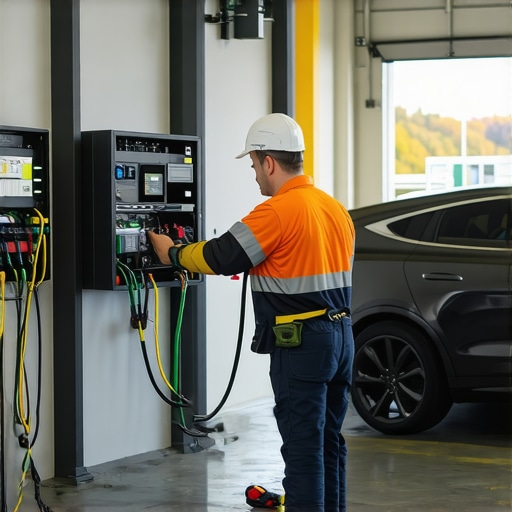

5 Costly Wiring Errors That Fail 2026 EV Code Inspections
I remember the moment clearly—firing up my upgraded EV charger only to be greeted by an inspection failure notice. It was a lightbulb moment for me: even small wiring errors can lead to costly setbacks, especially with the upcoming 2026 code changes. That headache wasn’t unique; many homeowners and professionals are finding their installations failing inspection not because of major oversights, but because of overlooked wiring mistakes.
Why Getting Your Wiring Right Matters More Than Ever
As electric vehicles become increasingly mainstream, the standards for safe and compliant wiring are tightening. The 2026 EV code updates aim to improve safety and reliability, but they also mean that errors previously overlooked can now cause major issues. If you’re planning to upgrade your panel or install a new EV charger, understanding these common wiring pitfalls can save you time, money, and the frustration of failed inspections.
Early in my journey, I made the mistake of assuming that standard wiring practices would suffice. I didn’t pay enough attention to specific code amendments designed for 2026—an oversight that nearly cost me my permit. According to a recent study, improper wiring is among the leading causes of electrical fires, underscoring how crucial correct installations are for safety (NFPA).
Are Wiring Mistakes Actually That Critical?
I know what you’re thinking—”It’s just wiring, right? How bad can it be?” Well, I learned the hard way that even minor errors, like improper grounding or outdated connectors, can lead to code violations and system failures. The 2026 rules are designed to catch these issues early, but only if your wiring is up to date and correctly executed. To help you avoid my misstep, I’ll walk you through the five most common wiring errors that will get you flunked in 2026, along with practical tips to stay compliant and safe. Want to make sure your setup passes with flying colors? Keep reading, and you’ll be ready to tackle your upgrade confidently.
Begin by inspecting your current wiring setup, ensuring all connections match the latest 2026 code requirements. Use a multimeter to check voltage levels and continuity, verifying grounding and proper circuit separation. Remember, a faulty connection here can cause inspection failures or dangerous faults later. For detailed steps, visit this guide. This initial check is like examining the foundations of a building—crucial for a safe install.
Assess whether your existing panel can handle the new load. If you have a 100-amp panel, consider upgrading to 200 amps to meet 2026 standards, avoiding overloading. Remove any outdated circuit breakers and replace them with new, code-compliant models. I once replaced a stubborn breaker that kept tripping during testing, ultimately resolving my issues and passing inspection. For detailed upgrade procedures, check this resource.
Ensure all grounding electrodes are correctly connected and bonded in accordance with the new code. Use proper gauge conductors and verify connections are tight and corrosion-free. During one upgrade, I found a loose ground wire that would have failed inspection, so I tightened it and reapplied the anti-corrosion compound. Proper grounding is your safety net against faults and violations.
Switch to 6 AWG or larger conductors for high-current circuits and use approved fittings to prevent moisture ingress. Replace any outdated connectors or terminal lugs that don’t meet 2026 standards. Think of connectors as the handshake between parts—firm, corrosion-resistant, and reliable make all the difference. For specific connector tips, review this article.
Keep cables neatly bundled and secured with clamps, avoiding sharp bends that can damage insulation. Plan your routes to minimize crossing high-traffic areas and interference. I once ran a cable improperly, causing wear and eventual failure. After rerouting and securing, I noticed a significant improvement in system stability and inspection approval. Proper cable management is like city planning—organized routes prevent chaos.
Stay vigilant against the five most frequent pitfalls: missing AFCI breakers, inadequate wire sizing, lack of proper labeling, loose terminations, and improper grounding. For example, I once failed to label my circuits clearly, delaying inspection. After that, I adopted a labeling system that made troubleshooting and future upgrades straightforward. Precise labeling and documentation streamline your process and keep your setup compliant.
Power down the system and double-check all wiring against your plan. Use a dedicated tester to simulate load conditions. Look for loose connections, signs of overheating, or corrosion. Remember, safety and compliance go hand-in-hand. Once satisfied, schedule your inspection and prepare to demonstrate your adherence to all relevant standards, ensuring your EV charger operates safely for years to come.When it comes to upgrading your electrical panel or installing an EV charger, many assume that following the basic code requirements and hiring a certified electrician are enough. However, beneath these surface-level steps lie nuanced pitfalls that even seasoned homeowners often overlook, risking costly mistakes or compliance failures. Let’s analyze some common misconceptions and advanced traps to watch out for. First, many believe that the newest code updates automatically make older equipment obsolete, but in reality, understanding compatibility nuances and load calculations is critical. Oversimplifying this process can lead to overestimating your panel’s capacity, particularly if your existing wiring hasn’t been evaluated thoroughly, risking future damage or inspection rejection. For example, assuming a 100-amp panel can handle a high-demand EV charger without additional upgrades ignores subtle load distribution issues that could trip breakers unexpectedly or violate safety standards. Diving into troubleshooting, there’s a widespread myth that circuit breakers are foolproof; however, subtle wiring faults or miswired components can cause intermittent faults that are hard to detect without expert testing. Proper diagnostics, such as verifying proper grounding and conductor sizing, are often underestimated, leading to system failures that appear as ‘random’ outages. For advanced homeowners or technicians, the real challenge is recognizing when a system’s complexity exceeds baseline inspections. A common mistake is neglecting the importance of load management strategies in multi-vehicle households, which can result in overloads despite compliant wiring—underscoring the need for sophisticated planning beyond code checklists. Why do so many get caught in these pitfalls? Often, it’s because of a focus on confirming compliance rather than understanding the underlying principles, which can lead to critical oversight. To truly master safe and reliable upgrades, it’s essential to go beyond the basics—study detailed guidelines, verify compatibility comprehensively, and perform advanced troubleshooting. For a deeper dive into verifying your setup against the latest standards, check out this guide. Remember, safety and code compliance aren’t just about ticking boxes—they’re about understanding the nuances that protect your property and loved ones. Have you ever fallen into this trap? Let me know in the comments.
Maintain Your System with Precision Tools
To ensure your EV charger continues operating reliably, investing in the right tools is essential. I personally rely on a high-quality digital multimeter, like the Fluke 117, which offers precise voltage and continuity testing. It’s indispensable for verifying circuit accuracy and catching wiring issues before they cause problems. Additionally, a non-contact voltage tester provides quick checks during installation or troubleshooting, saving time and preventing accidents.
Another critical piece is a reliable clamp meter, such as the Amprobe AMP-530, which helps measure current without disconnecting wiring. This tool enables me to monitor load conditions in real-time, ensuring circuits aren’t overloaded and are functioning within safe parameters. When testing ground connections, I use a dedicated ground resistance tester to confirm proper bonding—an often overlooked aspect that is vital for safety and code compliance.
Streamline Troubleshooting with Modern Software
Beyond hardware, I recommend leveraging specialized software for diagnosing EV charger issues. Programs like the Fluke Connect suite allow you to sync test results wirelessly to your smartphone, enabling detailed analysis and record-keeping. For example, consistent voltage fluctuations can be identified over time, helping predict potential failures before they happen. Staying ahead with data-driven insights reduces downtime and extends the lifespan of your system.
Firmware updates for your charger and panel controllers are another technological advance I find invaluable. Manufacturers frequently release patches to enhance performance and address known bugs. Regularly checking for these updates, especially after major code changes, keeps your setup compliant and operational. Many equipment vendors now offer remote update features, simplifying maintenance routines significantly.
Adopt Routine Checks and Long-Term Strategies
Regular inspections using a combination of these tools form the backbone of effective maintenance. Schedule quarterly diagnostics, verifying circuit connections, grounding, and load distribution. Keep logs of these tests; over time, you’ll notice patterns indicating wear or impending faults, allowing you to act proactively. Remember, the goal isn’t just to fix problems but to anticipate and prevent them.
Looking ahead, I believe the trend will shift toward integrated smart monitoring systems for EV infrastructure. These systems could alert homeowners via smartphone apps about irregular voltage, temperature spikes, or potential faults—making maintenance even more automated and reliable.
How do I keep my EV charging system working over time?
The key is a combination of the right tools, regular maintenance routines, and staying up-to-date with firmware. For detailed guidance on verifying your setup’s compliance, check this article. Focus on establishing a schedule for routine diagnostics—using your multimeter and clamp meter regularly—so issues are caught early. As a tip, always verify grounding connections during each maintenance session to uphold safety standards.
Three Mistakes I Only Learned the Hard Way
One of the most powerful lessons I discovered was that even seemingly minor wiring shortcuts can derail an entire upgrade project. I once overlooked the importance of verifying circuit grounding thoroughly, which caused intermittent faults until I revisited and corrected my wiring. This taught me to perform comprehensive inspections before proceeding, ensuring no small detail becomes a future headache.
Tools That Save Time and Sanity
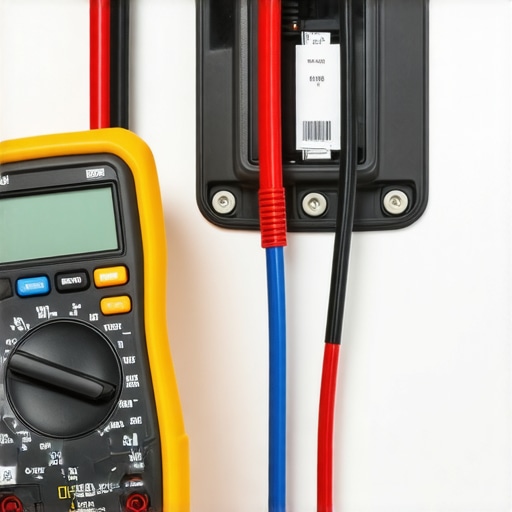
Investing in quality testing equipment, like a digital multimeter and proper voltage tester, proved invaluable for my success. These tools allowed me to catch wiring issues early and avoid expensive rework or failed inspections. Personally trusting reliable brands like Fluke helped me stay confident that my system was safe and code-compliant, making the entire process smoother.
Your Path to Confident Installation Starts Now
Getting your EV charger wiring right is about more than just passing inspection—it’s about ensuring safety and peace of mind for years to come. Don’t wait until problems appear; proactively educate yourself, utilize the right tools, and stay current with the 2026 standards. Your journey toward a compliant and reliable setup begins with taking that first step today. Have you faced an unexpected wiring challenge during your upgrade? Share your experience below, and let’s learn together.