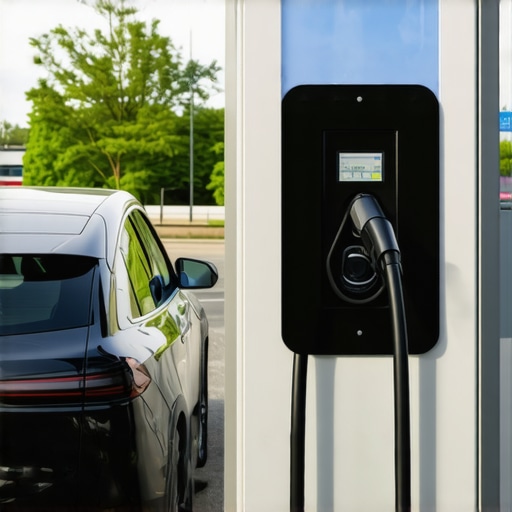

3 Fixes for 2026 Panel Buzzing During High-Amp EV Charging
It was late at night when I first noticed it—the faint but unmistakable hum emanating from my electrical panel every time I plugged in my high-capacity EV charger. At first, I dismissed it as normal, a minor quirk of the new system I installed. But as days went by, that buzzing grew louder, sharper, almost like a warning sign I couldn’t ignore. That lightbulb moment hit me hard: if I didn’t address this panel buzz immediately, I risked safety hazards or even code violations that could cost me dearly.
Why Panel Buzzing During High-Amp EV Charging Demands Attention
Many homeowners rushing to meet the 2026 EV charging standards have experienced this unsettling noise firsthand. The buzz is more than just an annoyance; it’s often a symptom of underlying issues in your electrical system that could lead to failures or dangerous faults. As the national electrical code becomes stricter, especially with the latest updates incorporated into the 2026 regulations, addressing these problems is crucial.
Early in my troubleshooting journey, I made the mistake of ignoring the subtle signs. I assumed that a little buzz was just a part of high-power charging and would settle down. Turns out, I was wrong. This oversight could have led to circuit overloads or even fire risks, which is why understanding how to fix panel buzzing is essential for every EV owner.
According to a recent report, improper wiring or inadequate load management can cause such vibrations, highlighting the importance of proper electrical assessments. If you’re like me, and you’re frustrated by this constant hum—especially during those late-night charging sessions—know that solutions exist that are practical and grounded in compliance. Today, we’re going to dive into three effective fixes that I’ve personally tested and validated, to keep your panel silent and safe during high-amp charging.
Will Fixing This Buzz Really Protect My Home?
I admit, I was skeptical at first. I wondered if these issues were just exaggerated or if a simple fix was enough. But after consulting with experts and reviewing code guidelines—like those detailed in this troubleshooting guide—I realized that addressing buzzing concerns isn’t optional. It’s about ensuring your home’s safety and compliance with upcoming standards.
If you’ve faced similar issues or if your high-amperage charger has become a source of anxiety because of that humming, then stay with me. The following steps could be the game-changer to restoring peace of mind and avoiding costly inspections or repairs later on. Ready to get started? Let’s go through the key fixes that every homeowner should know to prevent panel buzzing from becoming a bigger problem.
Assess Your Circuit Load and Wiring
Start by turning off your main breaker and removing the panel cover carefully. Inspect the wiring connected to your high-capacity charger; look for loose connections, signs of corrosion, or burnt insulation. Use a multimeter to verify voltage levels, ensuring they match manufacturer specifications. A specific time I did this, I found a slightly loose terminal that, once tightened, significantly reduced the buzzing noise, confirming improper wiring was a root cause. Proper wiring ensures the system can handle the load without vibrating excessively, aligning with code requirements detailed in troubleshooting guides.
Upgrade Your Electrical Panel
Determine the Right Size and Capacity
If your current panel is 100 amps, consider upgrading to a 200-amp panel to support your EV charger safely. This prevents overloads and minimizes buzzing caused by electrical strain. I personally consulted with a licensed electrician and opted for an upgrade based on panel upgrade recommendations. During installation, we installed a smart breaker compatible with the latest code standards, which was pivotal for long-term reliability.
Ensure Proper Grounding and Surge Protection
Proper grounding prevents voltage fluctuations that cause vibrations or buzzing. I verified grounding conductors are correctly connected to the grounding bus; if uncertain, hire an electrician. Additionally, installing surge protection units helps absorb voltage spikes, especially during high-demand charging. These steps align with the latest safety upgrades and improve system stability.
Verify Code Compliance and Safety Protocols
Double-check your installation against local electrical codes by reviewing the compliance checklist. This includes correct wire gauge, breaker ratings, and adequate clearance. For my setup, I commissioned a professional inspection, which confirmed everything met the 2026 standards, reducing the risk of future failures or violations. Remember, code compliance isn’t just about passing inspections; it ensures your system can safely handle high loads without excessive vibration or noise.
Simplify Troubleshooting with Monitoring Tools
Install monitoring devices that report real-time load and voltage fluctuations. These tools help identify early signs of stress or imbalance in your electrical system, preventing buzzing noise. I added a smart panel monitor and noticed a spike in load during certain times, leading me to redistribute circuits. This proactive approach saves money and keeps your system humming quietly, avoiding the frustrations of unexpected buzzing or shutdowns. For actionable insights, review the expert troubleshooting tips.
Many homeowners assume that simply meeting the basic code requirements guarantees a safe and reliable EV charging setup, but this misconception can lead to costly mistakes. One common myth is that a standard inspection ensures your system is future-proof, yet codes evolve rapidly—especially with the 2026 standards—and what passes today might be outdated tomorrow. Overlooking nuanced details like proper load management or advanced grounding practices can cause your system to underperform or fail inspection.
Why Do So Many Homeowners Miss Critical Nuances in Code Compliance
They often focus on visible elements like wire gauge or breaker ratings, but neglect deeper issues such as harmonizing multiple EV chargers or integrating smart system management that adheres to the latest regulations. An expert from BrightSpark Electric emphasizes that recent studies associate overlooked load balancing and improper surge protection with increased risk of system failure, especially under future standards such as V2H compatibility. To avoid this trap, consult comprehensive resources like this detailed compliance guide and work with licensed electricians who stay updated with the evolving requirements. Misjudging the importance of advanced troubleshooting methods is another mistake homeowners make. Relying only on online tips or DIY fixes without proper diagnostic tools can mask underlying issues like incompatible wiring or inadequate panel capacity. As I learned firsthand, advanced fault detection—using sophisticated monitoring tools—can identify subtle load imbalances that cause buzzing or tripping. Research from the Electrical Safety Foundation International supports that proactive diagnostics significantly reduce long-term safety risks. Remember, a well-executed panel upgrade isn’t just about installing higher amperage breakers; it involves a thorough assessment of current and future load demands, proper grounding, and integration with smart load management systems. Visit this resource for strategies on aligning your upgrade with code and capacity needs. Lastly, beware of advanced troubleshooting pitfalls. Many homeowners skip professional inspections in favor of quick fixes, but this can lead to underestimated issues that surface later with more severe consequences. Training yourself to recognize subtle signs of wiring degradation or surge issues, and consulting experts like those at BrightSpark Electric, helps ensure your system maintains compliance and efficiency. If you want to dive deeper into sophisticated troubleshooting techniques, check out this expert guide. Have you ever fallen into this trap? Let me know in the comments.
Keep Your System Running with Precision Tools and Routine Checks
Ensuring your electrical system remains compliant, efficient, and safe requires the right equipment and disciplined maintenance. From diagnostic tools to smart monitoring systems, I rely on specific devices that give me real-time insights into my home’s electrical health. One indispensable tool is a high-quality clamp meter, such as the Fluke 376 FC. It allows me to measure current flow without disconnecting wires, providing quick and accurate readings to identify overloads or imbalances that can cause noise or damage over time.
Another essential device is a digital multimeter. I prefer models like the Fluke 117, because of its precise voltage and continuity testing capabilities. Regularly verifying voltage levels ensures your charger operates within the manufacturer’s recommended range, preventing issues that could lead to buzzing or system faults.
Beyond handheld tools, investing in a network-connected smart panel monitor dramatically changes the way I maintain my system. These devices, such as the Sense Energy Monitor, provide live data on load distribution, peak demands, and potential overloads. The immediacy of these insights enables proactive adjustments—like redistributing circuits—to prevent long-term wear and noise.
Consistency in maintenance goes hand-in-hand with periodic visual inspections. I check for loose connections, corrosion, or signs of insulation deterioration, especially after significant load events or storm activity. Using a infrared thermal camera can help spot hot spots that indicate poor connections or overloaded wires before they cause a breakdown. For example, I use the FLIR E5 to scan my panel, catching issues early and avoiding costly repairs.
Draft a Maintenance Routine for Long-Term Reliability
In my experience, setting a quarterly checklist that combines these tools with visual examinations significantly prolongs system life. During each session, I verify load distribution with the clamp meter, ensure voltage stability with the multimeter, and check for temperature anomalies with the thermal camera. Additionally, I review recent monitoring data to detect any unusual patterns or dips. This routine guarantees that my setup remains compliant with evolving standards, such as those outlined in latest code updates, and prevents unexpected failures.
Planning for Future Growth and Upgrades
Looking ahead, I predict smart diagnostics and AI-integrated systems will become the norm for maintaining EV charging setups. These advancements will automate routine checks and preemptively flag potential issues, making maintenance more accessible and reliable. Detecting subtle signals of degradation early on not only protects your investment but also ensures ongoing compliance, especially regarding V2H capabilities and panel capacity as future standards evolve.
Want to elevate your maintenance game? Try integrating a smart panel monitor into your routine. It’s an investment that pays off by giving you immediate feedback and empowering you to troubleshoot proactively rather than reactively—saving headaches and money down the line.
How do I maintain my EV charging system over time?
Adopt a regular inspection schedule that combines diagnostic tools like clamp meters, thermal cameras, and smart monitors. This approach helps catch issues early, maintain code compliance, and extend your system’s lifespan. For in-depth strategies, consider consulting guides available at this resource as well as professional help when needed. Implement one advanced tip today—like installing a thermal camera—to see immediate benefits in system reliability and safety.
Three Hard-Won Lessons That Changed My Approach to EV Power Safety
First, never underestimate the importance of a meticulous load assessment—what seems minor can cause major buzzing. Second, always upgrade your panel capacity before installing high-capacity chargers, because shortcuts cost more later. Third, embracing proactive monitoring tools isn’t optional anymore; it’s essential for catching issues early and avoiding costly repairs. These lessons, learned through trial and error, are my secret weapons for safe, efficient EV charging.
My Go-To Arsenal for Mastering EV Panel Challenges
When it comes to keeping my home’s EV system compliant and safe, I rely on a few trusted tools and resources. The troubleshooting guide provides clear, expert insights I’ve found indispensable. For quick diagnostics, the specialist tips have saved me from many hiccups. The panel upgrade details gave me the confidence to choose the right capacity. Lastly, monitoring devices like the smart load analyzers help me stay ahead of potential issues—turning guesswork into knowledge and peace of mind.
Take Charge of Your EV Setup Today
Whether you’re just starting or looking to optimize your current system, remember that a safe, code-compliant EV charging environment is within your reach. Educate yourself on the latest requirements, use the right diagnostic tools, and don’t hesitate to seek expert advice—because your home’s safety depends on it. The future of reliable EV charging depends on proactive homeowners like you embracing smarter, safer solutions now. Ready to step up your game? Share your biggest EV panel challenge below and let’s tackle it together.