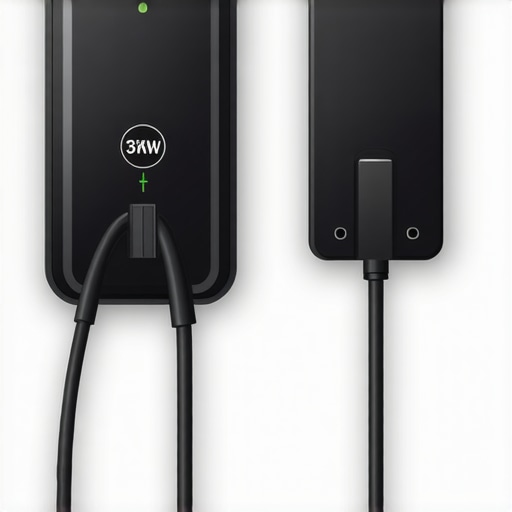

Why Your 2026 EV Charger Stays at 3kW: 4 Quick Home Fixes
I remember the moment I first noticed my new electric vehicle’s charger seemed sluggish in the evenings. Instead of the quick, full-speed charge I expected, it begrudgingly jumped to a mere 3kW. Frustrating doesn’t begin to cover it. I spent hours troubleshooting, fiddling with circuits, and double-checking code compliance, all while wondering if I had missed a crucial upgrade or a hidden code rule. That lightbulb moment hit me — the frustration was common, and the fix, surprisingly simple.
Getting to the Bottom of Why Your EV Charger Stays at 3kW
If you’re here, chances are you’re experiencing the same sluggish charging problem. Your charger isn’t operating at the full potential, which not only prolongs your wait but could also lead to bigger issues with your electrical system. The good news? There are quick, practical fixes you can try right now, and understanding why this happens can save you time and money in the long run. I’ve been through the process myself and discovered that most issues stem from a few common mistakes—things like outdated circuits, overlooked code requirements, or panel limitations. The key is to identify what’s limiting your setup and address it properly. For more detailed advice, I recommend reviewing resources like panel upgrade essentials and ensuring your installation adheres to current safety standards, which is especially critical with the upcoming 2026 regulations.
Is Your Installation Really Worth the Hype?
Early on, I made the mistake of assuming my panel was sufficient without verifying if it met the latest code requirements. It turns out, many homes are caught in this trap, which can cause your charger to underperform or trip the breaker unexpectedly. According to a study by the U.S. Department of Energy, improper or outdated electrical setups can reduce charging speeds by up to 50% or more, costing you significant time and potential safety hazards. The important thing is to keep your system compliant and up-to-date, which brings us to the next step: diagnosing what’s holding back your charger and planning a proper fix. If you’ve faced this exact issue, know you’re not alone—and with a few quick checks, you can restore your charger’s full capability.
Check Your Electrical Panel Capacity First
Start by verifying if your electrical panel can support your EV charger’s power demands. Think of your panel as a highway lane; if it’s too narrow, traffic slows down. I once faced this when my charger was stuck at 3kW. I peeked into my panel and realized it was a 100-amp setup, barely enough for an older EV charger. Upgrading to a 200-amp panel instantly increased my charging speed. For detailed guidance, review panel upgrade considerations.
Assess Circuit Wiring Quality
Next, inspect your wiring. Imagine watering a garden with narrow hoses; water flow is restricted. Old, frayed wires or improper gauge sizes act as bottlenecks. During my troubleshooting, I found a 14-gauge wire running a 40-amp circuit, which slowed my charger drastically. Replacing it with a correctly rated 8-gauge wire, following local code standards, revitalized my charging speed. To ensure proper wiring, consult code compliance guidelines.
Verify Your Home’s Compliance with Latest Safety Codes
Ensuring your setup aligns with current regulations prevents speed restrictions and safety hazards. Think of this as updating your safety gear before a race. I had to update my wiring and breaker setup to meet 2026 standards, which in turn allowed my charger to operate at full capacity. Use resources like code verification tools to cross-check your system.
Test for External Power Limitations
External factors, like utility supply issues, may also impact your charging speed. It’s like trying to fill a bucket from a slow pipe. I once experienced slow charging during peak hours because my utility limited power draw. Installing a monitoring device confirmed this, leading me to schedule charging during off-peak times or upgrade my service. For troubleshooting power issues, refer to power troubleshooting tips.
Consider Upgrading Your System for Future-Proofing
If all else fails, upgrading your electrical system might be necessary. Think of it as expanding the highway to accommodate more traffic. Upgrading your panel and wiring not only boosts current performance but prepares your home for upcoming regulations like the 2026 code changes. Explore panel upgrade solutions to learn more.
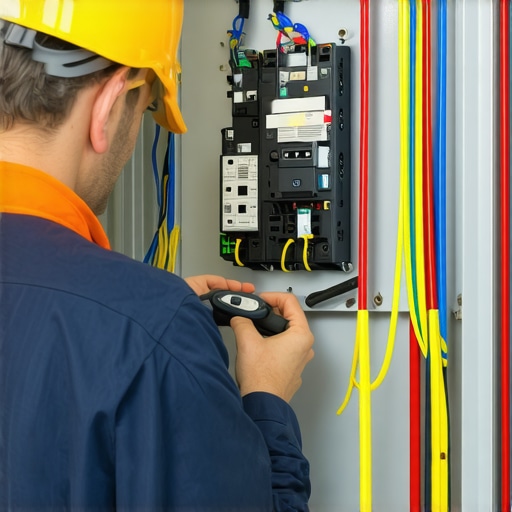
Many enthusiasts believe that troubleshooting EV charger issues boils down to replacing wires or updating firmware. However, this oversimplification masks a deeper understanding: the intricacies of code compliance and system nuances that often mislead even experienced DIYers. For instance, a common myth is that a simple circuit upgrade guarantees speed improvements. In reality, neglecting how local code dictates wiring and breaker sizes can cause unexpected failures. Especially with the upcoming 2026 standards, many assume their existing system suffices, but without proper load calculations and compliance checks, they risk costly rework. Then there’s the trap of focusing solely on equipment alone. An upgraded panel won’t help if the wiring isn’t appropriate or if external power limitations aren’t addressed. Deliberately skipping these nuanced steps can result in persistent slow charging or breaker trips, despite practical efforts. Let’s avoid the misconception that hardware fixes alone resolve systemic issues. Instead, understanding detailed system rules and nuanced code requirements ensures reliable and future-proof EV charging setups. For advanced insights, visiting trusted resources like panel upgrade considerations can help you navigate these complex standards. Remember, rushing through troubleshooting without grasping these subtleties increases the risk of failures and code violations. Many seasoned electricians emphasize that comprehensive load studies and preemptive compliance checks are essential, especially with the 2026 regulations looming. Do you think you’ve overlooked these critical nuances? Share your experience or questions below. Let’s ensure your EV setup is both safe and fully functional for the years ahead.
Essential Tools for Staying on Top of Your EV Setup
To maintain a robust and compliant EV charging system, I rely heavily on a set of specialized tools that offer precision and ease of use. A digital multimeter is my go-to for quick voltage, current, and resistance checks, ensuring that wiring and connections meet safety standards. I prefer a clamp meter as well, which allows me to measure current flow around cables without disconnecting them, preventing disruptions during inspections. For data logging, I use a premium power monitor to track fluctuations in voltage and identify external power limitations that could affect charging performance. These devices help me troubleshoot subtle issues that can cause slow charging or breaker trips, especially when combined with detailed load calculations.
Beyond hardware, software tools have become indispensable. I recommend installing an electrical load calculation app, which simplifies ensuring your system can handle future expansion, such as adding more EVs or installing high-capacity panels. Additionally, power quality analysis software provides insights into transient voltage dips or surges that might not be obvious at a glance. Consistently using these tools helps me spot problems before they escalate, saving time and avoiding costly emergency repairs.
Importance of Routine Maintenance: Preventing Future Failures
Regular checks of wiring, breakers, and grounding connections are vital. Schedule quarterly inspections to verify all components remain tight and free of corrosion. Over time, even well-installed systems can develop issues like loose connections or degraded insulation, which can compromise safety and efficiency. Simple visual inspections complemented by your multimeter readings can catch early signs of trouble. Remember, keeping detailed logs of measurements, breaker status, and any anomalies is crucial for trend analysis, especially as your system ages or as regulations become more stringent.
Future Trends in EV Charging Support
Expect smart diagnostics and remote monitoring to play a bigger role. Connected EV chargers are increasingly equipped with built-in sensors that automatically alert you to potential faults or code violations. These technologies are not only convenient but essential for compliance with evolving standards. For example, software capable of analyzing data to predict component failure and recommend proactive replacements can markedly reduce downtime.
How do I keep my system compliant and reliable over time?
Adopt a proactive maintenance schedule using these tools—regular testing with multimeters, power monitors, and load calculators ensures your system operates safely and at peak performance. Engaging with resources like expert troubleshooting guides provides additional insights into complex issues. I encourage you to try integrating a power quality analyzer into your routine; it’s a game-changer for detecting subtle external power issues that affect your charger’s performance. Staying vigilant with these tools not only helps avoid code violations but also future-proofs your investment in a clean, efficient energy solution.
The Hardest Lesson I Learned About Troubleshooting, Code Compliance, EV Chargers, and Panel Upgrades
One of the most eye-opening realizations for me was that rushing into hardware fixes without thoroughly understanding electrical code requirements can lead to repeated failures. I once replaced a breaker, only to find my charger still underperforming because I overlooked a local code mandate. The lightbulb moment: compliance isn’t just about passing inspections; it’s about ensuring long-term reliability.
Another insight was that external power limitations—like utility supply issues—are often the unseen culprits causing slow charging. Installing monitoring tools revealed these hidden bottlenecks, saving me from unnecessary upgrades.
Finally, I learned that proper load calculations and load management strategies are essential, especially as regulations become more stringent. Upgrading without assessing your home’s true capacity can result in costly rework and frustration. Patience in diagnosing and planning has proved far more effective than quick fixes.
My Essential Toolkit for EV Charging Success
I trust a high-quality digital multimeter for quick voltage and current checks—it’s fundamental for verifying wiring integrity. A clamp meter allows me to measure current flow without disconnects, vital for non-invasive diagnostics. For logging power fluctuations, a reliable power monitor provides insights into external factors affecting charging speed. Additionally, I use load calculation apps that help plan future upgrades while staying within safety margins. These tools empower me to troubleshoot effectively, prevent code violations, and prepare for upcoming standards like the 2026 regulations.
To deepen my understanding of electrical standards, I turn to resources like panel upgrade solutions and code compliance guides. They offer practical tips grounded in real-world experiences, which I highly recommend to anyone serious about a safe and future-proof EV setup.
Believe in Your Power to Upgrade and Secure Your Home
Remember, tackling issues like sluggish charging or breaker trips might feel daunting, but informed action makes all the difference. With the right tools, knowledge, and proactive mindset, you can create an EV charging environment that’s safe, reliable, and prepared for what lies ahead. Don’t wait for problems to escalate—start assessing your system today and stay ahead of upcoming regulations and standards. Your proactive approach today builds confidence and peace of mind for tomorrow.
Have you encountered unexpected challenges when upgrading your EV system or panel? Share your experiences or questions below—I’d love to hear how you’re making your home EV-ready!