
Is Your 2026 Panel Upgrade Illegal? 3 Grounding Rules to Check
It was a typical Saturday afternoon when I heard that ominous buzzing from my electrical panel—something I had dismissed as a minor glitch. But as days went on, that buzzing turned into flickering lights, and suddenly my entire home felt unsafe. The reason? I was eager to upgrade my panel to support my growing EV charging needs, yet I hadn’t fully understood the new grounding rules coming into effect in 2026. That lightbulb moment made me realize how many homeowners might be unknowingly risking code violations—and even safety hazards—by overlooking these critical regulations.
The Hidden Pitfalls of Ignoring 2026 Grounding Rules
Homeowners like you and me often assume that an upgrade is straightforward: replace the old panel, connect the wires, and you’re good to go. But with evolving electrical codes, especially those impacting EV compatibility, the devil is in the details. Early on, I made the mistake of thinking a quick fix would suffice, only to discover I was on the brink of an illegal upgrade. That’s why understanding the grounding rules isn’t just bureaucratic red tape; it’s essential for safety, legal compliance, and peace of mind.
Is Just Following the Basics Enough for 2026?
Many assume that as long as their electrician follows traditional grounding practices, they’ll be compliant. But recent updates in the electrical code specify certain grounding methods—like ensuring proper grounding electrodes and surge protections—that are non-negotiable in 2026. Ignoring these can invalidate your permit, cause insurance headaches, or worse, pose fire risks. I’ve seen firsthand how neglecting to verify grounding compliance can lead to costly rewiring. To avoid this, it’s crucial to know the rules and consult authoritative resources such as Electrical Safety Standards.
So, if you’re contemplating a panel upgrade or fix, ask yourself: Have I checked if my grounding methods meet the 2026 requirements? Ensuring your upgrade is legal isn’t just about passing inspections; it’s about safeguarding your home and loved ones.
Stay tuned—next, we’ll walk through the three critical grounding rules that can make or break your 2026 panel upgrade. Don’t leave it to chance; knowing these can save you time, money, and headaches later on.
Prepare for a Safe and Code-Compliant Upgrade
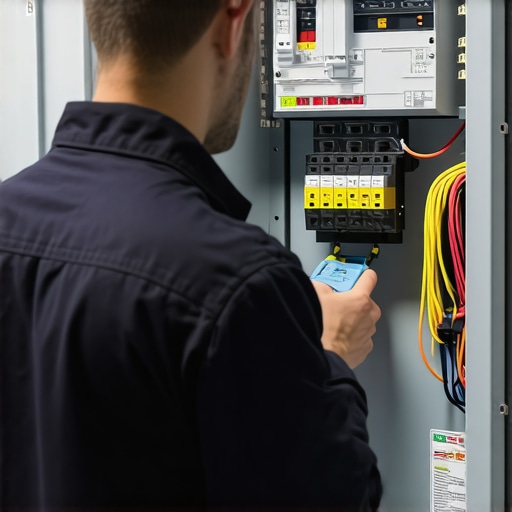
Start by evaluating your current electrical system. Turn off the main breaker to ensure safety and verify the power is dead using a reliable tester. Remove the existing panel cover carefully, taking note of the wiring layout. Use this opportunity to inspect grounding connections, looking for corrosion, loose wires, or outdated grounding methods that violate 2026 rules. Document your setup with photos to reference during reassembly or for your electrician.
Identify and Install Proper Grounding Electrodes
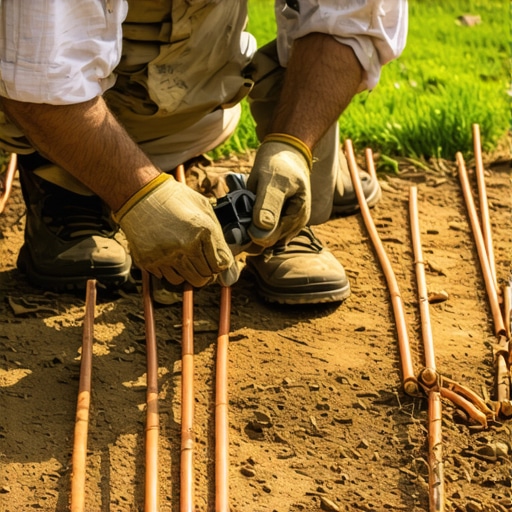
Electrical codes now demand specific grounding electrodes, like grounding rods or metal water pipes, for compliance. Use a **soil resistivity tester** to assess if your existing grounding methods meet the new standards. If not, install a dedicated grounding rod—preferably copper or galvanized steel—driven into the ground at least 8 feet deep, ensuring a solid connection using approved clamps. For a visual understanding, see [this comprehensive guide](https://brightsparkzelectric.com/panel-upgrades-electrical-safety-ensuring-code-compliance-for-ev-charging) on grounding electrode installations.
Upgrade to Surge Protection and Proper Bonding
2026 standards now require surge protection devices (SPDs) to shield your system from voltage spikes. Mount a certified SPD at your main panel, connecting it as per the manufacturer’s instructions. Next, verify that all grounding and bonding wires are properly connected to minimize potential differences, reducing shock hazards and interference. Tighten all connections securely, ensuring low resistance pathways—this step is critical for safety and code compliance. For detailed procedures, consult [this article](https://brightsparkzelectric.com/upgrading-your-panel-for-better-ev-charging).
Test and Verify Grounding Effectiveness
After modifications, test the grounding system using a calibrated ground resistance tester. Aim for a resistance below 5 ohms, which indicates an effective ground path. If readings are higher, consider additional grounding rods or improving soil contact with conductive compounds. Document the test results and update your system records. This testing echoes the guidance found in [our verification checklist](https://brightsparkzelectric.com/how-to-verify-code-compliance-for-your-ev-charger-installation), helping ensure your upgrade passes inspection.
Coordinate with a Licensed Electrician for Final Inspection
Before re-energizing your panel, schedule a professional inspection. An electrician will verify that all grounding connections meet the 2026 standards, that surge protections are correctly installed, and that no code violations remain. They will certify your system, giving you peace of mind and legal compliance. To find a qualified professional, visit [this contact page](https://brightsparkzelectric.com/contact-us). Remember, a thorough inspection is an essential safeguard against future issues or potential safety hazards.
Implementing these detailed steps ensures your panel upgrade aligns with new regulations while enhancing home safety and efficiency. Always prioritize safety and consult professionals when in doubt.
 While many homeowners assume that a straightforward panel upgrade will automatically ensure safe and compliant EV charging, this oversimplification often leads to costly mistakes. One prevalent myth is that following basic wiring practices suffices for 2026 regulations; however, recent updates emphasize specific grounding methods, surge protection, and load management that many overlook. Failing to incorporate these nuances can result in inspection failures and safety hazards. An often underestimated nuance is the importance of soil resistivity testing for grounding electrodes—skipping this step may cause your grounding system to underperform, risking electric shock or fire hazards, as highlighted by expert analysis in electrical safety studies. To avoid this trap, it’s crucial to understand that compliance isn’t just about wire connections but involves holistic system verification, including resistance measurements and proper bonding protocols. Have you ever fallen into this trap? Let me know in the comments. For a detailed guide on these advanced aspects, check out [this comprehensive resource](https://brightsparkzelectric.com/upgrading-your-panel-for-better-ev-charging-performance). Remember, meticulous attention to detail in your upgrade can save you from future headaches, expensive rewiring, and safety issues—so don’t cut corners when it comes to code compliance.Maintaining your home EV charging setup isn’t a one-and-done task; it requires regular attention, reliable tools, and a strategic approach to ensure long-term performance and safety. One tool I personally rely on is a calibrated ground resistance tester, which allows me to verify that my grounding system remains below the critical 5-ohm resistance threshold, as recommended in [grounding standards](https://brightsparkzelectric.com/failed-grounding-the-new-2026-rule-for-home-ev-circuits). Regular testing helps catch potential issues before they escalate, saving time and costly repairs.
In addition, having a high-quality multimeter is indispensable. It not only assists in checking voltage consistency across connections but also verifies the integrity of surge protection devices after installation. I prefer digital multimeters with auto-ranging features for accuracy and ease of use, especially when troubleshooting complex wiring scenarios.
When it comes to protecting your investment, I recommend employing a remote monitoring system designed explicitly for EV chargers. These systems provide real-time alerts on performance anomalies and power fluctuations, enabling prompt interventions. As EV technology evolves, I predict smart monitoring will become standard, leveraging IoT capabilities to optimize charging schedules and detect faults early.
How do I maintain my EV system over time? First, schedule quarterly inspections where I verify all grounding and bonding connections, paying special attention to any signs of corrosion or looseness that could compromise safety. During these checks, I also evaluate surge protection devices to ensure they aren’t damaged or outdated, following [installation best practices](https://brightsparkzelectric.com/panel-upgrades-electrical-safety-ensuring-code-compliance-for-ev-charging). To streamline this process, I use a combination of visual inspections and diagnostic tools, which together provide a comprehensive overview of system health.
For troubleshooting persistent issues, I turn to diagnostic software compatible with my EV charger model. This software can pinpoint error codes related to grounding faults or communication problems, giving me precise insights without invasive testing. For example, if your charger keeps dropping during peak loads, consulting troubleshooting guides like [this resource](https://brightsparkzelectric.com/troubleshooting-ev-chargers-expert-tips-for-safe-power-reliability) can be invaluable.
Remember, investing in the right tools and a disciplined maintenance routine can extend the lifespan of your EV charging infrastructure and ensure it remains compliant with evolving standards. Try setting up a quarterly inspection routine using a reliable ground resistance tester and keep a log of readings. This proactive approach helps catch minor issues early, preventing major safety hazards down the line. Want to explore more advanced troubleshooting techniques? Visit [this page](https://brightsparkzelectric.com/ev-charger-troubleshooting-expert-tips-for-common-issues) for expert tips to keep your system running smoothly.
The Hardest Lesson I Learned About EV Panel Upgrades and Code Compliance
One of the most eye-opening realizations was that even a seemingly simple panel upgrade can hide complex code requirements, especially with the 2026 rules. I once thought that installing a surge protector and checking grounding wires was enough—until I failed inspection and faced costly rewiring. This taught me to dig deeper into the specifics, like soil resistivity testing and proper bonding, which are crucial to pass compliance and ensure safety. Never underestimate the importance of thorough research and consulting reliable resources like this detailed guide.
Tools and Resources That Revolutionized My Process
Over time, I found that having the right toolkit is a game-changer. A calibrated ground resistance tester has saved me from guesswork, ensuring resistance stays below 5 ohms and providing peace of mind. A high-quality multimeter helps quickly verify voltage stability and bond integrity, preventing future issues. For learning, the comprehensive manuals and online resources, especially those that explain the nuances of 2026 regulations, are invaluable. I particularly trust this troubleshooting guide for fixing unexpected power drops and ensuring continuous compliance.
Your Next Step Lies Beyond Routine Checks
The journey to a safe and code-compliant EV charging setup is ongoing. Regular testing and proactive maintenance are essential, but so is inspiring yourself to stay informed about evolving standards. Don’t wait until an inspection fails or a malfunction occurs—be the homeowner who anticipates issues before they happen. I encourage you to set quarterly system reviews, use diagnostic software, and engage with professionals who understand the latest 2026 rules. Your commitment today pays off with a safer, more reliable home charging experience tomorrow. Want to dive deeper? Explore this resource for fast fixes to common problems or detailed panel upgrade info to fuel your next move.