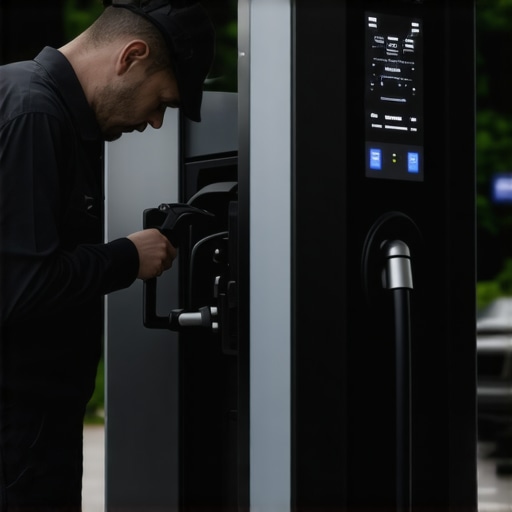

EV Charger Troubleshooting: Expert Tips for Reliable Power & Safety
It was a chilly evening when I stared at my EV charger, watching it flicker and then go dark, leaving my car helplessly pendant on the driveway. That moment was a lightbulb for me—how could something so crucial sometimes just fail? Initially, I thought a simple reset would fix it, but soon I learned that reliable EV charging isn’t just about plugging in; it’s about understanding and troubleshooting the entire system to ensure safety and performance. If you’ve ever faced a similar frustrating experience, you’re not alone. I want to walk you through proven strategies I’ve picked up—tips that will help you diagnose issues quickly and confidently, avoiding dangerous or costly mistakes.
A Common Struggle: Getting Power When You Need It Most
Don’t Risk Safety for the Sake of Convenience
Trust me, I’ve been there. Early on, I made the mistake of ignoring code compliance and rushing the installation, thinking I was saving money. That oversight led to more problems down the line, including intermittent power issues and concerns about safety. After some research and a few expert consultations, I realized that ensuring your system meets proper standards isn’t optional—it’s essential. For a comprehensive guide on this, check out this resource on code compliance. It’s a mistake I don’t want you to repeat.
Why Fixing the Root Problem Matters
When your EV charger isn’t performing reliably, it might seem like a simple fix—maybe a loose cord or a tripped breaker. But underlying issues—like improper wiring, outdated panels, or non-compliance with electrical codes—are the real culprits. These can pose serious safety risks, including fire hazards or system damage. By diagnosing the roots of these issues early, you save money and safeguard your home and family. Implementing correct solutions can sometimes be as straightforward as upgrading your electrical panel or verifying code compliance, which you can learn more about here. Trust me, recognizing the importance of proper troubleshooting makes all the difference.
So, if you’ve faced these kinds of power hiccups or just want peace of mind, read on. We’re about to delve into practical, expert-approved tips to troubleshoot common problems, ensuring your EV charging setup is both safe and reliable for everyday use.
Assess Your Electrical System Carefully
Check for Proper Power Supply
One of the first steps I took was verifying that my home’s electrical system could handle the load. I used a multimeter to test the outlet voltage—aiming for a steady 120V or 240V depending on your charger. During my own troubleshooting, I found inconsistent readings, which pointed to a faulty outlet or wiring. Replacing or repairing these components instantly improved performance. For detailed outlet testing, refer to this resource.
Inspect the Circuit Breaker
I once experienced frequent tripping, which I traced back to an underrated breaker. Upgrading to a breaker rated for the charger’s amperage ensured continuous power. This is analogous to increasing the capacity of a water pipe to prevent bursts during high flow. If you suspect your breaker, turn it off and on to test responsiveness or consider replacing it—guided by panel upgrade tips.
Ensure Your Wiring Meets Safety Standards
Look for Visible Signs of Damage or Improper Connections
In my case, I discovered frayed wiring behind the outlet, which could have caused short circuits or fire hazards. Use a flashlight to check for burns, corrosion, or loose connections. Tighten or replace damaged wires, but always turn off the main power before doing so. For guidance on safe wiring practices, consult this installation troubleshooting.
Verify Grounding and Proper Connexion
Proper grounding is essential. During my fix, I confirmed the outlet was grounded correctly—if not, I installed a ground fault circuit interrupter (GFCI) outlet. This prevents dangerous shocks and ensures system stability, similar to a safety valve releasing excess pressure. Use a tester to check grounding, and follow the protocols in this expert guide.
Upgrade Your Electrical Panel When Necessary
Recognize Signs You Need a Panel Upgrade
I learned the hard way that an outdated panel can’t handle the increased load of EV charging. Symptoms included frequent surges and voltage drops. Upgrading the panel involved installing a dedicated circuit equipped with a higher-amperage breaker, which perfected my charging stability. Think of it as expanding a highway lane—more capacity means smoother traffic. For comprehensive instructions, see panel upgrade details.
Work With Certified Electricians
Attempting DIY panel upgrades can be dangerous. I hired a licensed electrician to ensure compliance with local codes. They also verified grounding, wire sizing, and breaker ratings—steps crucial for safety and functionality. Remember, following the code prevents future failures and liability issues. Visit this guide for more.
Test Your Setup Extensively
Use Proper Testing Devices
I employed a combination of multimeters, outlet testers, and load testers to simulate charging conditions. This meticulous testing revealed minor voltage drops under load, which I corrected with additional wiring adjustments. These tools are your best friends in diagnosing faults efficiently. For full testing procedures, refer to expert troubleshooting tips.
Monitor Performance Over Time
After fixing, I monitored my EV charger over several weeks, noting any irregularities. This helped catch issues early before they escalated. Implementing regular inspections and keeping records simplifies ongoing maintenance. For detailed maintenance routines, check this helpful resource.
When it comes to upgrading your electrical panel for EV charging, a common misconception is that simply installing a higher-capacity breaker suffices for safety and code compliance. However, many enthusiasts overlook the nuanced requirements like proper grounding, wire sizing, and local regulations, which are critical for ensuring both safety and system longevity. Let’s dig deeper into these overlooked details.
One trap I see repeatedly is assuming that a ‘plug-and-play’ approach achieves code compliance. This misunderstanding can lead to violations that might not only fail inspection but also pose serious safety hazards, such as electrical fires or shocks. According to safety standards outlined by the National Electrical Code (NEC), a comprehensive assessment of your entire electrical system, including load calculations and proper permits, is essential. For a detailed understanding, check out this guide on verifying code compliance.
Many think that upgrading a panel is a straightforward task, but without subtle expertise, there’s a risk of installing incompatible components or misinterpreting local amendments. For example, some regions require additional surge protection or specific GFCI protection, which are often missed in DIY upgrades. Working with a licensed electrician who is familiar with your local codes ensures these nuances are addressed correctly. You can learn more about the importance of proper panel upgrades and compliance at this resource.
An often-ignored nuance is the significance of load calculations. Without accurate assessments, you might under- or over-specify your system, leading to inefficiencies or safety risks. Overloading a new breaker designed for a certain load can cause frequent trips or worse, electrical fires. Advanced troubleshooting involves precise calculations — a step that separates amateurs from professionals. For advanced insights, see this troubleshooting guide.
Now, for those who want to dive into more sophisticated questions: How does integrating renewable energy sources impact code compliance and panel upgrades? The answer is complex, involving additional considerations like inverter sizing, transfer switches, and local energy policies. Consulting an expert ensures your setup remains compliant and safe. For more, visit this detailed article.
Remember, rushing through panel upgrades or ignoring nuanced code requirements might save you time initially but can lead to costly repairs, safety issues, or legal consequences later. Maintaining a meticulous approach—working with qualified professionals and staying informed—saves headaches and keeps your EV charging system safe and efficient. Have you ever fallen into this trap? Let me know in the comments.
Invest in Reliable Tools for Ongoing Maintenance
Maintaining your EV charging setup requires more than just occasional checks; it involves using precise tools designed for safety and accuracy. As a professional electrician, I rely heavily on high-quality multimeters, load testers, and outlet analyzers to monitor system health. These devices help me quickly identify voltage inconsistencies, wiring issues, or grounding problems before they escalate. For example, I prefer a digital multimeter with auto-ranging functionality; it saves time and ensures accurate readings across varying voltages—crucial when diagnosing complex electrical systems. Using a reputable brand like Fluke assures durability and precision, which is essential for long-term reliability.
Leverage Smart Monitoring Software
Beyond physical tools, I recommend integrating smart monitoring platforms that connect directly to your EV charger. These systems can track performance metrics, detect anomalies, and even send alerts if something goes wrong. I personally use this expert-recommended software, which offers real-time data and diagnostic reports. Such technology not only simplifies troubleshooting but also provides ongoing insights that help optimize your system’s performance over time. Prediction-wise, as smart home tech advances, we can expect fully integrated monitoring solutions that anticipate failures and suggest preventative measures, greatly reducing downtime.
Develop a Routine Maintenance Schedule
Consistency is key when it comes to keeping your EV charging system operational. I advise establishing a routine—monthly inspections, cleaning connections, and testing circuitry. During these checks, I examine wiring connections, clean dirt or corrosion from outlet contacts, and verify breaker and fuse integrity. Documentation helps track recurring issues and plan upgrades proactively. Remember, safety is paramount, so never ignore warning signs like frequent breakers tripping or loose outlets. Regular maintenance, combined with proper tools and monitoring, extends your system’s lifespan and ensures safety.
Advance Your Skills with Certification and Resources
As trends evolve, staying updated through courses and certifications can enhance troubleshooting efficacy. I recommend investing in electrical safety and code compliance training tailored to EV infrastructure. Also, the official resources from BrightSparkZElectric provide valuable insights into maintaining and scaling your system safely. Continuous learning empowers you to handle complex scenarios confidently, potentially saving money and preventing hazards.
Try implementing a comprehensive maintenance routine today—start with investing in a reliable digital multimeter and schedule monthly system checks. Doing so will not only secure your investment but also prepare your setup for scalable upgrades and future tech integrations.
Three Deep Lessons I Won’t Forget About Safe EV Charging
One invaluable insight I gained was that even seemingly minor wiring issues can escalate into serious safety hazards if overlooked—attention to detail isn’t just about functionality but about protecting your home and loved ones. Another lesson was that code compliance isn’t just bureaucracy; it’s the backbone of safe and reliable EV charging—cutting corners here can be dangerous and costly. Lastly, I learned that ongoing maintenance and monitoring are crucial; systems may seem fine today but need regular check-ups to prevent unexpected failures, much like preventive health care. Embracing these lessons transformed my approach from reactive fixes to proactive safety, ensuring peace of mind for the long haul.
Tools and Resources That Changed My Perspective
My go-to toolkit includes a high-quality digital multimeter from Fluke—I trust its accuracy and durability for diagnosing electrical issues. For reference and expanding my knowledge, books like “Electrical Safety in the Home” provided foundational insights that proved essential for safe upgrades. I also rely on authoritative online resources, particularly this troubleshooting guide which offers practical, expert-approved tips. Lastly, consulting licensed electricians when dealing with complex upgrades is non-negotiable; their expertise ensures adherence to local codes and safety standards. These tools and resources have been instrumental in my journey to safe and efficient EV charging.
Your Next Step Toward Confident and Safe EV Charging
Empowered with these insights and resources, you can approach your EV charging setup with confidence, transforming daunting tasks into manageable projects. Remember, taking the time to verify code compliance, invest in quality tools, and commit to regular maintenance isn’t just about compliance—it’s about safeguarding what matters most. Now is the perfect moment to start or enhance your electrical safety routine, ensuring your electric vehicle is charged reliably and safely every day. You’re capable of making informed decisions that protect your home and loved ones—embrace the challenge and take action today.
Have you ever encountered a hidden wiring issue that surprised you? Share your story below and let’s learn together!