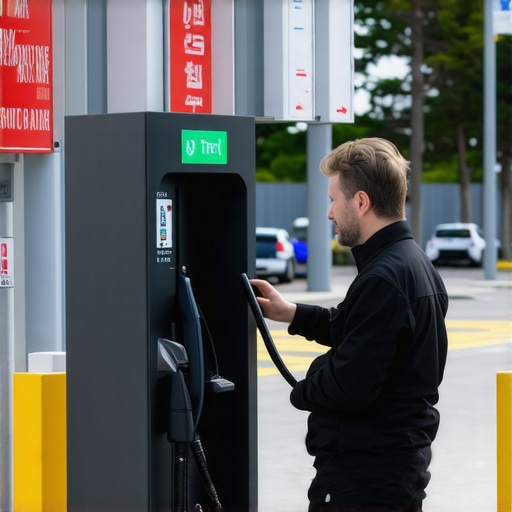

Troubleshooting EV Chargers: Expert Tips for Safe Power and Reliability
I vividly remember plugging in my EV charger one chilly evening, expecting a quick charge before heading out. Instead, I was met with silence—the charger refused to turn on, and my frustration bubbled up. It dawned on me then that I’d overlooked something crucial: making sure my setup was truly safe and code-compliant. That lightbulb moment taught me a tough lesson: even small mistakes can compromise your safety and the reliability of your EV charging experience.
Why Getting Your EV Charger Setup Right Matters More Than You Think
There’s no denying that electric vehicle adoption is skyrocketing. With the push for greener transportation, more homeowners are installing chargers at home. But here’s the catch—many skip the vital step of proper troubleshooting and code compliance checks. A wrongly wired or non-compliant setup isn’t just an inconvenience; it poses real safety hazards, from electrical fires to damage that can void your warranty.
Research shows that nearly 20% of home electrical fires are caused by improper installations or faulty wiring—a stark reminder of the importance of doing it right the first time. Trust me, ignoring these details can turn a simple charge into a serious safety issue.
If you’ve ever faced unexpected charger failures or wondered why your unit keeps disconnecting, you’re not alone. Troubleshooting might seem intimidating, but with the right approach, you can diagnose and fix issues efficiently. And more importantly, ensure your setup meets all safety standards.
Now, I want to ask—have you ever experienced an EV charging problem that left you scratching your head? If so, stick around. I’ll show you how to tackle the most common issues and make sure your charging system is both safe and reliable. And if you’re unsure whether your installation follows all necessary codes, I highly recommend checking out this trusted resource on [ensuring code compliance during EV charger installation](https://brightsparkzelectric.com/ensuring-code-compliance-when-installing-ev-chargers). It’s crucial to get those basics right to avoid costly repairs or hazardous situations down the line.
So, let’s dive into the practical steps that will help you troubleshoot effectively, maintain safety, and keep your EV charging experience smooth and worry-free.
Think of your electrical panel as the backbone of your home’s power system, like a highway junction managing traffic flow. If the junction is overburdened, it causes congestion, leading to issues with your EV charger. I learned this the hard way when my EV charger kept tripping despite proper wiring. I opened the panel and found it was near capacity. Upgrading my panel proved essential, which you can read about in this guide on panel upgrades.Many homeowners believe that a straightforward, plug-and-play approach suffices when installing or troubleshooting their EV chargers. However, this misconception can lead to serious safety pitfalls. A prevalent myth is that if the charger powers on, it must be properly installed per code—nothing could be farther from the truth. In reality, compliance encompasses a range of nuanced details, from wiring practices to panel capacity that even seasoned DIYers often overlook. For instance, some assume that upgrading their electrical panel automatically ensures code compliance, but without verifying proper wiring methods and adherence to local standards, risk remains.
One critical trap to avoid is ignoring the importance of detailed inspection during troubleshooting. Many think that readouts or simple tests will suffice, yet subtle wiring issues or component faults often require advanced diagnostics. Overlooking this can lead to recurring problems or safety hazards. For those seeking a deeper understanding, reviewing expert resources such as [this article on ensuring code compliance](https://brightsparkzelectric.com/ensuring-code-compliance-when-installing-ev-chargers) can provide detailed guidance.
Why Do Many Experts Emphasize the Details Over Surface-Level Checks?
It’s tempting to trust initial impressions—if the charger turns on, everything’s fine, right? Not necessarily. According to a study by the Electrical Safety Foundation International, nearly 20% of home electrical fires are linked to improper wiring or non-compliant installations, emphasizing the importance of comprehensive inspections. Advanced troubleshooting involves verifying wiring integrity, ensuring panel capacity, and confirming that all connections meet the latest electrical codes.
A common oversight involves neglecting the specific requirements for load calculations and panel upgrades. Many assume existing panels can handle additional loads without proper assessment. Upgrading your panel properly, with expert guidance, not only avoids overloads but also aligns your setup with safety standards. For detailed steps, check out [this guide on panel upgrades](https://brightsparkzelectric.com/panel-upgrades-for-better-ev-charging-performance).
Furthermore, even a correctly wired system can fall into non-compliance if local codes have evolved. Regularly reviewing your installation against updated standards is crucial. Collaborating with licensed electricians and familiarizing yourself with reputable resources ensures that your EV charging setup remains safe and efficient.
Have you ever fallen into this trap of assuming compliance based on surface checks? Let me know in the comments. Remember, thorough inspection and adherence to nuanced standards are key to safe, reliable EV charging at home.Maintaining your EV charging setup over time requires the right tools and consistent attention to detail. From specialized testing equipment to software diagnostics, having the proper gear ensures your system remains safe, reliable, and compliant with evolving electrical standards.
One indispensable tool I personally rely on is a high-quality multimeter. I prefer a digital model with true RMS capability because it provides accurate readings of voltage, current, and resistance, helping me quickly identify wiring issues or voltage drops that could compromise safety. For instance, measuring the voltage at the charger’s outlet ensures it’s within the recommended range, preventing potential damage.
Complementing this, I use a clamp meter for more efficient current testing, especially when diagnosing amperage flow during high loads. This tool allows me to verify that the circuits aren’t overloaded, which is vital when upgrading panels or adding new chargers. For more precise diagnostics, I utilize a circuit tester with a GFCI (ground fault circuit interrupter) feature to confirm outlets are properly grounded, aligning with **[electrical safety guidelines](https://brightsparkzelectric.com/ev-charger-troubleshooting-expert-tips-for-reliable-power-safety)**.
On the software side, modern diagnostic apps compatible with smart electrical panels have become invaluable. These apps enable remote monitoring of your system’s status, alerting you to any anomalies before they escalate. If you’ve recently upgraded your electrical panel, I recommend using an app that can verify proper load distribution and ensure your upgrade meets the latest codes.
Long-term reliability hinges on scheduled inspections and firmware updates for any connected smart components. Check manufacturer websites periodically for updates that patch vulnerabilities or improve performance. Regular visual inspections of wiring and connectors can prevent minor issues from becoming serious hazards.
Looking ahead, the trend points toward integrating AI-driven diagnostics that predict failures before they happen, reducing downtime and safety risks. As these technologies mature, investing in compatible, future-proof tools will be a game-changer.
**How do I keep my EV charging system in top shape over time?** I recommend establishing a routine inspection schedule that includes testing with multimeters, verifying software updates, and consulting trusted resources to stay informed about safety standards.
Don’t hesitate to try these advanced diagnostics tools — they’re essential for anyone serious about safe and efficient EV charging. For comprehensive guidance, check out the detailed resource on [ensuring code compliance during installation](https://brightsparkzelectric.com/ensuring-code-compliance-when-installing-ev-chargers). Staying proactive with your maintenance not only prolongs equipment life but also provides peace of mind knowing your setup is safe for long-term use.Throughout my journey into EV charger troubleshooting and panel upgrades, I realized that the most valuable lessons often come from tough experiences and intentional learning. One key insight is that even seemingly minor wiring details can dramatically impact safety and system performance—trust me, overlooking these can turn a convenient home upgrade into a hazard. Another lesson is that code compliance isn’t just a checkbox; it’s a comprehensive practice that safeguards your home and vehicle, requiring ongoing diligence and expert guidance. Lastly, investing in the right diagnostic tools and staying updated with the latest standards can transform your troubleshooting from guesswork into precise problem-solving, ultimately ensuring a smooth, safe EV charging experience for years to come.