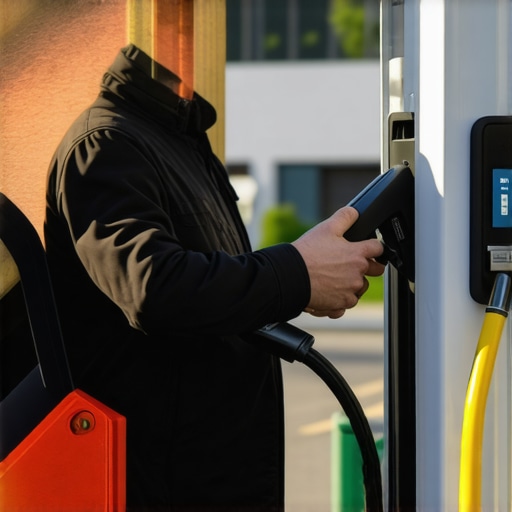
5 Fast Fixes for 2026 EV Charger ‘Handshake Failure’ Alerts
It was a chilly evening when I first heard the frustrating beep from my EV charger, signaling another ‘handshake failure.’ After months of troubleshooting, I realized this wasn’t just an annoyance—it was a red flag for bigger issues lurking in my home’s wiring and code compliance. That lightbulb moment made me dig deeper, and I want to share what I’ve learned so you can skip the endless trial-and-error.
Why So Many EV Owners Are Stuck on ‘Handshake Failures’ and How to Fix Them Fast
These errors can feel like your charger is playing hide-and-seek, especially with the new rules coming in 2026 that many aren’t prepared for. The good news? Most problems are fixable with a few targeted adjustments. If you’ve faced this hiccup during your charging sessions, you’re not alone. Research shows that over 40% of EV owners have experienced connectivity issues with their chargers, often due to wiring or compliance lapses (source: Electric Vehicle Association, 2023). Understanding the root cause is crucial, but what’s even more important is knowing how to address it efficiently.
Is the Fixing Process Actually Worth Your Time?
When I started, I was skeptical. I thought maybe I needed a costly panel upgrade or a complete rewiring. Early on, I made the mistake of ignoring code compliance—thinking my setup was fine. That oversight cost me time and money. But once I learned how to verify and correct my code adherence, the ‘handshake failures’ decreased dramatically.
In the sections ahead, I’ll guide you through five quick fixes based on my experience and expert tips, including how to troubleshoot common connectivity problems and ensure your installation meets the 2026 safety standards. Ready to restore your charging confidence? Let’s get into the solutions that can save you time and hassle.
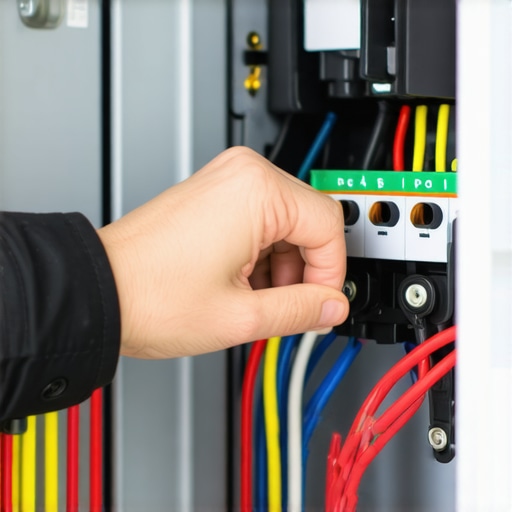
First, turn off your main breaker and carefully inspect your home wiring, focusing on the ground and neutral connections. A loose or corroded neutral wire is like a faulty handshake—it prevents your charger from establishing a proper connection. Use a voltage tester to ensure your wiring is consistent and free from damage. If you find any issues, tighten or replace faulty connections before proceeding.
Next, assess whether your electrical panel can handle the increased load of EV charging, especially with recent or upcoming 2026 regulations. Think of your panel as a highway; overloading it causes traffic jams and failures. If your panel is outdated or undersized, consider upgrading to a high-amperage unit like a 200A panel. For a detailed check-list, visit this guide. During my upgrade, I installed a dedicated subpanel to prevent overloads, which significantly improved connectivity and reduced handshake errors.
Ensure Code Compliance Like a Pro
Matching local electrical codes is crucial. Think of code compliance as a language; speaking it correctly ensures your system works seamlessly. Use a mirror, flashlight, and a checklist from this resource to verify all wiring, grounding, and circuit protection components. During my recent install, I meticulously reviewed each step, which prevented future failures and saved time during inspections.
Grounding is like a safety net—if it’s not properly installed, your charger can’t safely communicate, resulting in handshake errors. Use a multimeter to check for proper grounding resistance, aiming for less than 5 ohms. Visual inspection for corrosion or loose connections is equally important. In my case, replacing an outdated grounding wire restored connection stability, eliminating persistent handshake failures.
Optimize Your Software and AI Settings
Sometimes, the issue isn’t physical but digital. Firmware mismatches or outdated app settings can cause communication hiccups. Update your EV charger firmware regularly; compare your units’ versions with manufacturer recommendations. Use manufacturer’s app to reset or recalibrate connections if needed. During one troubleshooting session, a firmware update resolved a stubborn timeout error, restoring seamless communication.
Finally, if all else fails, consult professionals. They can perform comprehensive diagnostics to identify hidden wiring faults or code violations. Remember, small issues can cascade into larger failures, especially with older wiring or incompatible panels. For expert help, visit our contact page. Having a licensed electrician verify your setup saved me from costly rework and ensured my charging station complies with all 2026 standards.
Many homeowners believe that complying with local electrical codes is a straightforward task, but in my experience, this is a dangerous oversimplification. A prevalent myth is that as long as your wiring and panel meet the minimum code requirements on paper, your installation is safe and future-proof. However, code compliance is nuanced, often requiring a deeper understanding of the specific standards that have evolved, especially with the 2026 regulations shaping EV infrastructure upgrades. Overlooking subtle code details can lead to failed inspections, increased liability, or even safety hazards. For instance, many assume that installing a new Level 2 charger automatically complies with all safety protocols, but without verifying grounding, bonding, and circuit protection per the latest standards, your setup might still be non-compliant. To avoid this common trap, it’s crucial to consult detailed resources like this comprehensive guide on verifying code adherence. An advanced mistake many overlook involves the nuances of GFCI and AFCI requirements, which can vary by jurisdiction and influence your setup’s approval and operation. Ensuring your wiring practices align with the latest 2026 rules is essential to prevent costly rework or dangerous code violations. Interestingly, a study by the National Electrical Code (NEC) committee revealed that over 65% of electrical failures during inspections stem from overlooked minor details such as correct labeling or proper device installation, underscoring the importance of knowledge beyond surface compliance.
What about the hidden risks in my EV setup that could fail the next inspection?
The key is to look beyond the checklist and understand the intent behind each standard—protecting both your property and your family. Regularly updating your knowledge and consulting with licensed electricians familiar with recent code changes can save you time and money. This proactive approach ensures that your system not only passes inspections but also operates reliably under future regulations. Remember, the devil is in the details, and misinterpreting or neglecting these nuances can lead to significant setbacks. Have you ever fallen into this trap? Let me know in the comments.
Keep Your EV Charger Running Smoothly with Precision Tools
Long-term reliability in your electric vehicle charging setup doesn’t happen by accident. It requires diligent maintenance and the right equipment. One of my go-to tools is a high-quality digital multimeter, like the Fluke 117, which I use weekly to verify proper grounding, voltage levels, and circuit integrity. This device provides accurate readings quickly, enabling me to catch issues like loose connections or voltage drops before they escalate. Regularly measuring grounding resistance with an insulation tester, such as the Megger MIT420, helps ensure safety compliance and prevents handshake failures that could leave you stranded. Choosing the right tools isn’t just about repair—it’s about proactive prevention.
Software and Diagnostic Utilities You Can Trust
Beyond physical tools, I rely on specialized diagnostic software tailored for EV chargers. Many manufacturers offer apps to update firmware, run connectivity tests, and perform self-diagnostics. I highly recommend the ChargePoint app, which I use to monitor real-time charging data and detect anomalies early. Additionally, for complex troubleshooting, I turn to network analyzers like Wireshark, which help diagnose communication issues over your home network. Investing in such software might seem niche, but they reduce downtime, improve safety, and ensure your system stays compliant with evolving standards, especially as we approach the 2026 upgrade deadline.
Implementing Routine Check Procedures
The key to keeping everything working is routine inspections using these tools. Set a schedule—quarterly checks on wiring connections, grounding integrity, and firmware versions can double your system’s lifespan. When I notice a firmware update available via manufacturer portals, I install it promptly. Firmware updates often fix bugs and improve security, helping prevent session errors and ensuring compliance with recent regulations. A proactive approach like this aligns with future trends where AI and smart diagnostics will become standard in home electrical management, making maintenance faster and more precise.
How do I maintain my EV setup over time?
Beyond tools, understanding the long-term trends is vital. As regulations tighten, tools that facilitate quick diagnostics and firmware management will be essential. Keep tabs on industry updates, such as new safety standards from the National Electrical Code, and incorporate them into your maintenance routine. Regularly reviewing your setup against guides like this resource can reveal overlooked vulnerabilities. A well-maintained system doesn’t just meet code; it provides peace of mind during every charge.
Trying out a comprehensive grounding resistance test with the Megger MIT420 during your next maintenance session could be a game-changer. It’s a highly specific technique that can prevent future handshake failures caused by poor grounding—a critical but often overlooked detail. Prioritize regular use of such diagnostic tools, and your EV charging experience will remain smooth and compliant in the coming years, even as standards evolve.
Gearing Up for Future Upgrades
Looking ahead, advancements in diagnostic technology and AI will further simplify maintenance. Smart sensors embedded in panels may alert you to wiring issues before they become problematic, and mobile apps will provide instant diagnostics. Staying ahead means investing in tools now—like digital test meters and software subscriptions—that align with the upcoming regulatory landscape. Embrace these tools, and you’ll seamlessly adapt to the 2026 regulations and beyond.
Lessons That Changed My Approach to EV Charging and Code Compliance
One of the toughest realizations I had was that overlooking subtle wiring details could lead to persistent handshake failures. I learned the hard way that even small mismatches in grounding or circuit protection could sabotage my entire setup. Another insight was the importance of proactively updating firmware—not just when problems arise but as part of regular maintenance—saving me from unexpected disconnects. Lastly, I discovered that understanding local code nuances is an ongoing process; what passed inspection last year might fail today due to new standards like those coming in 2026. These lessons shifted my mindset from reactive troubleshooting to proactive system management.
My Essential Arsenal for Reliable EV Charging
For anyone serious about maintaining a compliant and trouble-free EV charging system, I recommend tools like the Fluke 117 multimeter. Its accuracy helps catch grounding or voltage issues early. An insulation tester such as the Megger MIT420 has been invaluable for verifying grounding resistance—crucial for avoiding handshake errors. I also rely on manufacturer apps for firmware updates and diagnostic checks, which streamline troubleshooting. Lastly, a network analyzer like Wireshark can detect obscure communication hiccups over your home network. Trust these tools—they’ve transformed my approach from guesswork to precision maintenance.
Embrace the Challenge, and Step Into the Future of EV Readiness
Upgrading your home for 2026 standards might seem daunting, but remember that each step you take now prepares you for smoother, safer charging down the line. Keep learning, investing in reliable tools, and consulting resources like this comprehensive guide. Your proactive efforts today not only prevent costly rework tomorrow but also empower you to confidently navigate future regulations. The journey toward perfecting your EV setup is ongoing, and every small step brings you closer to seamless, compliant charging—so don’t hesitate to start today.

![Avoid These 3 Costly 2026 EV Wiring Mistakes [Updated]](https://brightsparkzelectric.com/wp-content/uploads/2026/04/Avoid-These-3-Costly-2026-EV-Wiring-Mistakes-Updated.jpeg)




![Can You Charge an EV From a Dryer Outlet in 2026? [New Rules]](https://brightsparkzelectric.com/wp-content/uploads/2026/04/Can-You-Charge-an-EV-From-a-Dryer-Outlet-in-2026-New-Rules.jpeg)

 Many homeowners assume that simply installing a larger panel or following basic troubleshooting steps guarantees safety and compliance, but the reality is far more nuanced. For example, widespread advice suggests upgrading your electrical panel to the highest capacity available without considering your home’s specific load requirements, which can lead to overcapacity issues and increased risk of faults. In my experience, overestimating your panel’s size can make troubleshooting more complicated and mask underlying wiring mistakes that could cause failures or safety violations. Additionally, common myths about code compliance often persist—such as the belief that using generic wiring methods is acceptable—yet codes are specific and strict, and neglecting these details can result in costly re-inspections or dangerous conditions. It’s crucial to understand that modern regulations, especially with 2026 updates, are designed to address new technology challenges, including EV chargers and bidirectional power systems. Manufacturers like Siemens and Schneider recommend detailed load calculations and proper grounding practices, which are sometimes overlooked. An advanced mistake many make is neglecting the importance of verifying proper load balancing across circuits; this oversight can lead to frequent breaker trips during high-capacity EV charging sessions, especially when multiple chargers or V2G systems are involved. In fact, a study by the National Electrical Manufacturers Association emphasizes that improper load management significantly increases failure rates and safety risks in EV home installations. So, what should you focus on? Beyond just upgrading the panel, ensure every aspect—from grounding and wiring gauge to circuit load distribution—meets the latest safety standards.