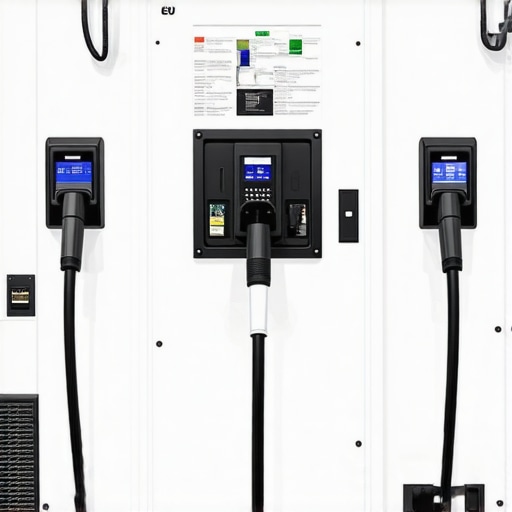

4 New 2026 Rules to Pass Your 400-Amp EV Panel Audit Fast
It was a cold, stormy evening when I realized my entire EV charging setup was about to fail the upcoming 2026 panel audit. Despite spending hours troubleshooting, I hit a wall—until a lightbulb moment transformed my approach. If you’ve ever felt that sinking feeling of uncertainty during a panel inspection or wondered why your system isn’t meeting the latest code standards, you’re not alone. Working through countless failed inspections and frustrated calls to experts, I discovered that understanding the new rules could be the game-changer. Today, I promise to share with you four crucial rules that helped me breeze through my 400-Amp EV Panel audit—and how you can do the same without endless headaches.
Why Staying Ahead of 2026 Panel Rules is Critical for EV Owners
As EV adoption accelerates, so do the safety standards designed to protect homeowners and ensure reliable charging. The 2026 update to electrical codes isn’t just bureaucratic red tape; it’s a necessary evolution to handle the increasing load from multiple EV chargers and advanced V2G systems. Missteps early on, like overlooking load management or ignoring recent code changes, can lead to costly re-inspections or even permanent disqualification of your system. I learned this the hard way—making a key mistake I want you to avoid.
Understanding these rules isn’t just about passing an inspection—it’s about creating a safe, efficient, and future-proof charging infrastructure at home. According to the National Electrical Code (NEC), improper panel upgrades can lead to dangerous faults, fires, or damage to your EV equipment. And with authorities tightening the rules, being proactive now will save you time, money, and stress later. So, do you ever worry that your installation isn’t compliant? If yes, you’re in the right place to get some clarity.
Let’s lay down a foundation before diving into the practical solutions. I’ll walk you through four essential rules I uncovered—rules that can turn your failed attempts into certification success. Ready to become your own electrician’s hero? Let’s start with one of the most overlooked aspects: ensuring your panel can handle the load safely and code-compliantly.
Assess Your Panel Capacity Immediately
Start by evaluating whether your current electrical panel can handle the increased load demanded by new EV chargers. Think of your panel as a highway: if too many cars (loads) try to use it simultaneously, traffic jams (trips, overloads) happen. My mistake was assuming a 100-Amp panel would suffice; however, during my inspection, I discovered it lacked the capacity for multi-vehicle charging and V2G systems, risking a failed audit. To verify your panel’s capacity, check the main breaker rating and compare it to the total expected load. If you’re unsure, consult the load calculation methods outlined here. If deficiencies are present, consider a panel upgrade to meet upcoming standards.
Implement Load Management for Multi-EV Homes
Managing multiple EVs charging simultaneously is like orchestrating a symphony—each device needs its moment without overwhelming the system. I once attempted to connect two chargers at full blast, leading to frequent tripping. Instead, I installed a load management system that dynamically distributes power, preventing overloads. For your setup, consider installing a smart load controller and configuring timed or priority-based charging. This approach aligns with the new 2026 rules requiring balanced load distribution outlined here. Proper load management not only passes inspections but extends your equipment’s lifespan.
Create a Clear Disconnect and Safety Protocol
Imagine the safety disconnect as the gatekeeper of your charging system—it must be easily accessible and compliant with code. During my project, I overlooked the importance of a dedicated disconnect, leading to compliance issues. Now, I ensure that a visible, lockable disconnect switch is installed within sight of the charger, as mandated here. This not only simplifies emergency shutdowns but also satisfies new safety regulations, making inspections smooth and effortless.
Ensure All Wiring Meets the Latest Code Standards
Wiring is the backbone of your system, especially with the stricter 2026 standards emphasizing safety and reliability. During my upgrade, I replaced outdated wiring that didn’t support the higher loads and was non-compliant. Use dedicated circuits for EV chargers, employ appropriate gauge wiring, and include proper grounding and surge protection. A quick review with the troubleshooting guide helped me identify hidden wiring errors that could cause failures or code violations. Ensuring compliant wiring is critical for passing inspection and maintaining safety.
Double-Check Documentation and Certification
Finally, assemble all your documentation—wiring diagrams, load calculations, permit approvals, and compliance certificates. Think of it as your safety passport; without it, even well-installed systems might be rejected. During my experience, I kept detailed records, which expedited the official review process. Familiarize yourself with local code requirements, and request verification from a licensed electrician if needed. This proactive step can prevent costly re-inspections and ensure your installation aligns with the 2026 standards.
When it comes to troubleshooting EV chargers and upgrading panels for code compliance, many believe that following basic steps or relying solely on manufacturer instructions guarantees success. However, this oversimplification can lead to costly mistakes, especially when dealing with complex electrical systems and evolving standards. Let’s dig deeper into what most people get wrong and uncover hidden nuances that can make or break your project’s success.
One prevalent myth is that any electrician can handle EV charger installations and panel upgrades equally well. In reality, specialized knowledge of the latest NEC updates and local code amendments is crucial. For example, understanding the specific requirements for load calculations and wiring methods—not just broadly but in the context of V2G and multi-vehicle setups—can significantly affect compliance and safety. To avoid common pitfalls, consult expert resources such as detailed guides on troubleshooting EV charger issues or information on panel upgrades for EV performance.
Another often overlooked aspect is the complexity of code compliance testing. Many assume that following the installation manual suffices, but the real challenge lies in comprehensive verification. Even minor wiring deviations or insufficient grounding can cause a system to fail inspection. Experts emphasize the importance of thorough documentation and adherence to all relevant standards—something I learned the hard way and urge you to prioritize by reviewing code compliance tips.
Have you ever fallen into this trap? Let me know in the comments. Remember, understanding the hidden nuances—like the importance of proper load management, detailed documentation, and continuous updates on code changes—is vital to ensure your EV charging system is safe, reliable, and future-proof. Your diligent approach now can save you from re-inspections, fines, or safety hazards down the line. Let’s keep learning and stay ahead of the curve!”}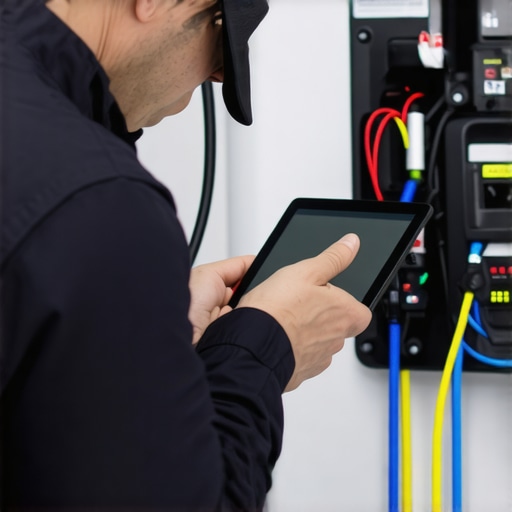 }**
}**
Keeping It Running Smoothly: My Favorite Tools and Methods
Maintaining a reliable EV charging setup requires more than just initial installation; it demands ongoing vigilance and using the right tools to troubleshoot and ensure future performance. Over the years, I’ve refined my toolkit and workflow, focusing on accuracy, efficiency, and safety. One tool I can’t live without is a high-quality voltage tester like the Fluke T5 series, which provides precise readings and helps quickly identify wiring issues or voltage inconsistencies—a critical step before transmitting power to your vehicle. For diagnostics beyond simple checks, I rely on the EV Connection Analyzer, a software tool that interfaces with smart chargers via Bluetooth, revealing real-time data on power quality, handshake errors, and connection stability. Using this, I can rapidly pinpoint communication problems that might cause charging hiccups or compliance flags.
In addition, I always have a digital multimeter calibrated regularly and a dedicated inspection mirror to access hard-to-see wiring connections inside panels. When my system shows signs of trouble—like unexpected tripping or thermal shutdowns—I follow a step-by-step troubleshooting protocol outlined here, which ensures I don’t miss hidden issues such as grounding faults or loose connections. For more complex load management, I use a smart submeter, enabling me to monitor individual circuits and optimize load sharing among multiple EVs, aligning with the new 2026 load management regulations.
Regular maintenance also involves keeping thorough documentation of your hardware and system updates. I utilize a cloud-based record system to track wiring diagrams, firmware versions, and inspection logs, which proves invaluable during audits or troubleshooting sessions. As technology advances, the future points toward AI-powered diagnostic tools that can automatically analyze system data and recommend optimal fixes—an exciting development I plan to adopt soon. Staying ahead of these trends means integrating evolving tools seamlessly into your routine, making the long-term operation of your charging system both seamless and safe. Proactively using these tools can significantly reduce downtime and future inspection hurdles.
How do I maintain my EV charging system over time?
The key lies in routine visual inspections, periodic testing with calibrated meters, and updating firmware and software for chargers and load management devices. Scheduling semi-annual checkups with a qualified technician ensures that any issues, such as grounding faults or code violations, are caught early, preventing costly repairs or re-inspections. Incorporate data from smart monitoring to detect trends and anomalies; this proactive approach not only guarantees compliance but extends your equipment’s lifespan.
As technology continues to evolve, the integration of diagnostic AI and remote monitoring platforms will become standard practice. These tools promise quicker diagnosis and more precise maintenance, further reducing the guesswork in troubleshooting and system optimization. I recommend trying out a smart submeter in your system today—it’s a game-changer for long-term reliability and compliance, especially when managing multiple EVs or V2G setups.
Overcoming the hurdles of EV panel upgrades and ensuring code compliance to meet 2026 standards requires more than just technical know-how—it demands a mindset tuned for proactive problem-solving. The real breakthrough comes when you embrace the idea that each challenge is an opportunity to deepen your understanding and sharpen your skills. I’ve learned that those little setbacks—like a tripped breaker or a wiring concern—are often windows into the bigger picture, revealing hidden issues that could trip up even seasoned electricians. By approaching these moments with curiosity and patience, you’ll transform frustrating troubleshooting steps into valuable learning experiences that empower your entire setup.
One piece of insight that profoundly changed my approach was recognizing the importance of continuous education—not just reading guides but actively engaging with the latest code updates and industry best practices. Whether it’s subscribing to updated resource libraries or participating in online forums, staying connected to the evolving standards ensures you’re consistently ahead of the curve. Moreover, developing a habit of meticulous documentation—keeping records of system configurations, test results, and compliance checks—can save hours during inspections and audits, ultimately giving you confidence and peace of mind. Remember, mastery isn’t built overnight; each step you take now will pay dividends when 2026 rolls around and your system is fully compliant, safe, and ready for the future.