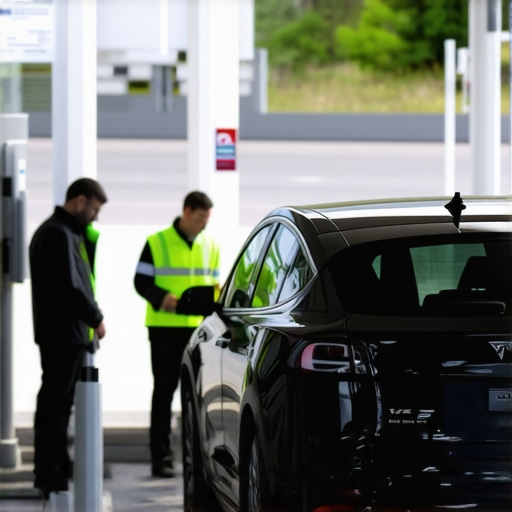

How to Pass the New 2026 EV Load Side Safety Audit
I vividly remember the moment I realized my EV charging setup was not going to pass the upcoming 2026 safety audit. It was late on a quiet Saturday evening when my charger suddenly tripped, and I scrambled to troubleshoot, feeling overwhelmed and uncertain. I’ve been there—standing in my garage, unsure if my home’s wiring could meet the new regulations, and desperately searching for a clear path forward. If you’re feeling the same pinch, you’re not alone.
Why the 2026 EV Load Side Safety Audit Should Be on Your Radar
With the upcoming 2026 regulations, the stakes are higher than ever for homeowners and professionals alike. The government is cracking down on safety standards, ensuring that every vehicle charger and electrical panel not only performs efficiently but also meets rigorous safety benchmarks. Missing these standards could mean failed inspections, costly reworks, or even safety hazards that are better left unignored. Early in my journey, I underestimated the complexity of the new rules, assuming standard upgrades would suffice—until I learned that many common wiring and grounding mistakes could cause my entire system to fail the audit. According to a recent NRCAN report, electrical fires related to EV charging installations have risen significantly, emphasizing the importance of compliance for safety and peace of mind. This realization motivated me to dig deeper, learn the nuances, and ensure my setup was audit-ready.
Is It Really Worth the Hassle or Just More Red Tape?
I used to think that compliance was just a bureaucratic hoop to jump through. My first mistake was trying to expedite my panel upgrade without fully understanding the new grounding or load management rules—lessons I now wish I had learned earlier to avoid costly re-inspections. If you’ve faced similar frustrations, I can relate, but the good news is that with the right guidance, passing the 2026 safety audit becomes manageable instead of nerve-wracking. Let’s explore what steps can empower you to get compliant quickly and confidently, saving you time, money, and stress. Ready to stop guessing and start winning at this compliance game? Then, let’s dive in.
Assess Your Existing Electrical System Immediately
Start by thoroughly inspecting your current electrical panel and wiring. Use a voltmeter to check for proper grounding and load capacity. If you’re unsure, schedule a professional assessment. For example, I once found my panel’s grounding was inadequate, risking failure during the audit. Quickly upgrading grounding connections was my first step, and it saved me future headaches. Visit this troubleshooting guide to understand common wiring issues.
Upgrade Your Home’s Electrical Panel Effectively
Select the Right Panel for 2026 Standards
Choose a panel rated for at least 200 amps with advanced load management features. Consider panels with integrated surge protection and appropriate circuit breakers. When I upgraded mine, I made sure it supported multi-ev load balancing; this prevented trips during simultaneous charging. Review panel upgrade tips to avoid costly mistakes.
Follow the Code to the Letter
Ensure all wiring complies with the latest Canadian Electrical Code (CEC) standards. Pay close attention to new rules concerning outdoor receptacles and conduit routing. I once missed a new outdoor wiring rule, resulting in a failed inspection; correcting this involved rerouting conduit and updating labels. Familiarize yourself with code compliance essentials for a smoother process.
Troubleshoot Your Charging Setup Systematically
If your charger trips or displays errors, approach troubleshooting step-by-step. Start by checking for loose connections, then verify circuit breaker functionality. I encountered frequent power drops due to a loose terminal, which I fixed by tightening it—saving me from repeated failures. Use the comprehensive troubleshooting tips to identify issues quickly.
Document Everything for Inspection Preparedness
Keep detailed records of upgrades, inspections, and compliance checks. Photos of installed wiring, receipts for panels and breakers, and calibration reports are valuable during audit reviews. When I organized my documentation beforehand, I avoided last-minute stress and delays. Review verification tips to ensure your paperwork is audit-ready.
Myth of Simple Compliance: Why Overconfidence Can Backfire
Many homeowners assume that following a checklist guarantees code compliance, but the reality is more nuanced. Overconfidence in your understanding can lead to overlooking subtle code violations, especially with 2026 standards becoming more complex. For example, a common oversight is neglecting the updated grounding requirements, which can cause your system to fail inspection. Experts recommend examining the detailed regulations on verifying code compliance carefully rather than relying solely on memory or assumptions.
The Danger of Overlooking Load Management in Panel Upgrades
It’s a widespread misconception that upgrading to a bigger panel alone will resolve all EV charging issues. However, without proper load management, new panels can still trip or overheat under simultaneous loads. An advanced mistake is assuming that a standard 200-amp panel suffices for multiple EVs without implementing load balancing strategies. To truly future-proof your setup, consider integrating load management systems, as discussed in these guidelines. Overlooking this can lead to frequent nuisance trips and potential safety hazards, ultimately requiring further costly upgrades.
Why Common Troubleshooting Practices Fail Experts
Many DIYers jump straight into replacing breakers or resetting chargers when facing issues, believing these actions are sufficient. This approach ignores the system’s broader context, risking misdiagnosis. Common pitfalls include misinterpreting error codes or ignoring grounding issues, which can cause persistent faults even after multiple resets. Advanced troubleshooting involves systematic testing of wiring, grounding, and load capacity, and is supported by resources like expert troubleshooting tips. Neglecting these nuances can prolong problems and increase safety risks.
Are Your Installation Checks Missing Key Details
Many believe that a quick visual inspection is enough to ensure safety and compliance; this couldn’t be further from the truth. Critical details such as proper conduit routing, surge protection, and labeling often get overlooked. Failing to recognize these subtle requirements can lead to failed inspections or safety hazards. Experts stress the importance of comprehensive audits, including verifying that outdoor receptacles meet the latest rules, as outlined in inspection standards. Don’t let overlooked nuances trip you up—let’s dig deeper into these intricate details.
Understanding these common pitfalls and advanced nuances is key to ensuring your EV charging setup not only passes inspection but operates safely and efficiently. Have you ever fallen into this trap? Let me know in the comments.
How do I keep my EV charging system functioning smoothly over time?
Maintaining a reliable and compliant EV charging setup involves more than just initial installation. I personally rely on a combination of precise diagnostic tools, software, and routine practices to ensure everything remains in top shape. One essential tool I recommend is a high-quality clamp meter, such as the Fluke 376 FC. Its ability to measure AC/DC current accurately without direct contact allows me to monitor current flow during charging sessions and spot anomalies early. Using this device, I can verify load balancing effectiveness and detect potential overloads before they cause trips or safety issues. Regularly checking the grounding integrity is equally critical; I use a dedicated ground resistance tester to ensure compliance with updated grounding standards, like those outlined in this article. These tools help me preempt failures, save time, and avoid costly re-inspections.
Additionally, software tools play a pivotal role in ongoing maintenance. I utilize a network monitoring app compatible with my smart charger to receive real-time alerts about connection issues or errors. These alerts prompt me to perform targeted troubleshooting without needless guesswork, which is especially useful considering the more intricate compliance requirements introduced in 2026. To keep detailed records, I log all measurements, maintenance activities, and software alerts, creating an audit trail that simplifies inspections and guarantees long-term compliance.
Prediction indicates that future trends will involve more integrated, smart diagnostic systems capable of predictive maintenance. These systems will leverage AI and machine learning to forecast component failures before they happen, reducing downtime and maintaining optimal safety standards. Embracing these upcoming technologies now can provide significant advantages, especially for those scaling their EV infrastructure efficiently.
What are effective ways to keep your tools calibrated and functioning?
To ensure the accuracy of your diagnostic tools over time, establish a routine calibration schedule. For example, I calibrate my clamp meter biannually using a known current source, which prevents measurement drift that could compromise safety assessments or compliance checks. Regular calibration and maintenance of testing equipment safeguard against false positives or overlooked issues, ensuring that your troubleshooting efforts remain reliable. Additionally, keep software and firmware up to date— manufacturers frequently release updates that improve functionality and security. Consistent upkeep of your tools and software minimizes unexpected failures and helps you stay ahead of the complex standards evolving with the 2026 regulations.
What I Wish I Knew Before the Inspection Brushed Me Off
One of my biggest lightbulb moments was realizing that code compliance isn’t just about ticking boxes; it’s about understanding the nuances behind each regulation. I once assumed that a simple panel upgrade would suffice, but missing subtle grounding details cost me time and money. These overlooked aspects, like proper conduit routing and surge protection, can make or break your audit success. Now, I approach each upgrade with a deeper appreciation for the intricate standards involved.
The Hardcore Truth About DIY Safety Checks
Initially, I relied on quick visual inspections and online guides, thinking I was covered. That confidence was my downfall — small details like tight terminal connections and correct labeling matter immensely. I learned that systematic testing of load capacity and grounding provides a true picture of your system’s health. Trusting comprehensive diagnostics over guesswork saves headaches and ensures your EV setup is truly audit-ready.
Why Overconfidence Can Sabotage Your Progress
I’ve seen many homeowners assume their initial research means they’ve mastered the requirements. This overconfidence often leads to critical oversights, especially with the 2026 standards evolving quickly. For example, neglecting load balancing strategies can cause trips and safety hazards, even with a new panel. Staying humble and continuously verifying your setup against credible resources, like verified compliance checks, keeps you on the right path.
To Stay Ahead, Know Your Common Pitfalls
Facing my wrong assumptions taught me the importance of avoiding common traps: ignoring load management, overlooking grounding nuances, or misinterpreting error codes. These mistakes, while seemingly minor, can derail your entire compliance process. I now proactively incorporate advanced troubleshooting tips found in resources like expert troubleshooting guides to stay prepared and confident with my EV system.
Where My Confidence Turned Into Strategy
After experiencing setbacks, I adopted a strategic mindset—regular diagnostics, detailed documentation, and staying informed about evolving standards. Using tools like the grounding testers and monitoring apps helped me catch issues early and maintain compliance effortlessly. This shift in approach transformed my frustrations into a systematic routine that I now recommend to fellow EV owners eager to nail their safety audits.
Curated Arsenal for Your EV Journey
Having the right tools makes all the difference. I trust the Fluke 376 FC clamp meter for accurate current measurements, crucial for load balancing. The smart diagnostic apps I use streamline troubleshooting and keep detailed logs of maintenance activities. For authoritative standards, I regularly consult resources like inspection guidelines to stay ahead in compliance. These essentials empower me to handle my EV infrastructure confidently.
Your Move Toward Safer Charging Starts Now
Embracing these lessons and tools has transformed my approach from reactive to proactive. Your EV setup has immense potential, but it’s vital to stay vigilant and informed. Investing in proper upgrades, diagnostics, and continuous learning not only ensures passing the 2026 safety audit but also guarantees safety and efficiency for your family. Remember, the journey toward compliant and reliable EV charging is ongoing — and you’re fully capable of mastering it.
What’s the biggest challenge you’ve faced in preparing your EV system for 2026 safety standards? Share your experiences below — your story might just help someone else avoid the same pitfalls!
,