I remember the exact moment my stomach dropped. It was 3:15 PM on a Tuesday, and my small commercial property went completely dark. No lights, no computers, and definitely no coffee machine. In my eager rush to attract premium EV-driving customers, I had just flipped the switch on a shiny new Level 3 DC Fast Charger. What I did not realize was that our building’s modest electrical setup was about to scream for mercy. I made a classic rookie mistake: I assumed that if I had the physical space for a fast charger, the grid would simply handle the rest. Boy, was I wrong. Today, I want to save you from that same expensive, stressful headache by sharing the real, unvarnished truths about the hidden costs of ultra-fast commercial charging.
The Day My Business Went Dark
It turns out that plugging a Level 3 charger into a standard commercial property without proper preparation is like trying to run a fire hose through a garden straw. That afternoon, my building’s main breaker did not just trip; it practically melted. When the utility representative arrived, he gently explained that we had pulled three times the maximum capacity of our existing electrical service. My oversight cost us two days of lost business and a massive emergency electrician bill. To truly understand why this happens, you need to look at panel upgrades for ev chargers before you even think about ordering hardware.
Is Level 3 charging actually worth the financial pain for a small shop?
It is a fair question. According to a study by the National Renewable Energy Laboratory (NREL), DC fast charging infrastructure can cost anywhere from $20,000 to over $50,000 per port just for installation and utility upgrades, long before you buy the actual machine. For a Fortune 500 company, that is pocket change. For us, it is a make-or-break investment. The secret to surviving this transition lies in smart planning. You must evaluate your current electrical service and learn how to read the load calculation your electrician sent you. Have you ever had a routine building upgrade spiral into a multi-thousand-dollar utility nightmare? Let me know, because I would love to hear how you handled it.
Map Out Your Actual Power Reserve
To keep your business from going dark like mine did, you have to find out exactly how many amps are currently up for grabs in your electrical panel. This is not about guessing; it is about cold, hard math. Think of your electrical panel as a financial budget. If your total income is 200 amps, and your existing lighting, air conditioning, and equipment already spend 150 amps, you only have 50 amps left to play with. You cannot plug in a 60-amp fast charger and hope for the best. First, you must execute a formal load calculation. To get a clear picture of your starting point, read through how to read the load calculation your electrician sent you. This will show you your historical peak demand. When I finally sat down with my electrician after our building went dark, we looked at our historical utility bills to find our highest peak demand hour over the previous year. We discovered we were already operating at 85% capacity during hot summer afternoons. Attempting to add any high-powered charger without addressing this bottleneck was electrical suicide.
Run the 125 Percent Continuous Load Rule
The National Electrical Code (NEC) treats EV chargers as continuous loads because they draw full power for hours at a time. This means you must size your circuit breaker and wiring at 125% of the charger’s rated output. For example, if you install a 48-amp Level 2 charger, you cannot put it on a 48-amp breaker. You multiply 48 by 1.25, which equals 60. You need a dedicated 60-amp breaker and wiring that can safely handle that load without overheating. This is where many DIY installations fail inspection immediately. Check the wire gauge mistake that fails 40 percent of inspections to ensure your contractor is using the correct heavy-duty conductors for this continuous demand.
Implement Dynamic Load Management to Save Your Budget
If your load calculation shows your panel is maxed out, you do not always have to spend tens of thousands of dollars on a massive utility service upgrade. You can use technology to bypass the physical limits of your panel. Dynamic load management acts like an intelligent traffic cop for your electricity. When your building’s HVAC and machinery are running at full tilt, the system automatically throttles down the power sent to the EV chargers. Once the office closes and the building’s energy usage drops, the system ramps the chargers back up to full speed. 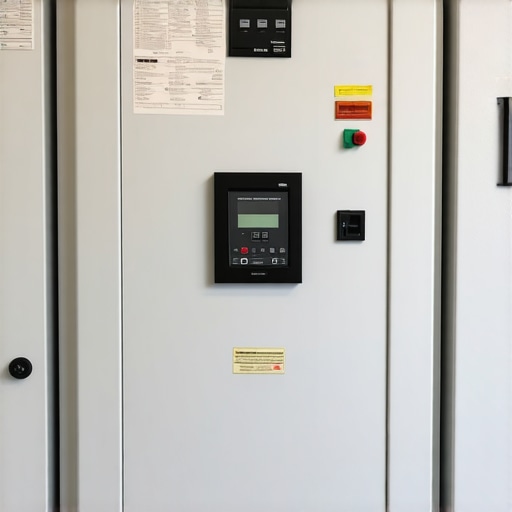
Balance Your Fleet Without Tripping the Main Feed
For businesses managing more than one charger, manual scheduling is a recipe for disaster. Someone will inevitably plug in at the wrong time and trip the main breaker. I learned this the hard way when we tried to charge two delivery vans simultaneously on a shared subpanel. The breaker tripped instantly, leaving us with dead batteries the next morning. Now, we use software to handle this balance. To prevent these frustrating outages, look into how to load balance your fleet without tripping the main feed. It distributes the available amperage evenly among all active vehicles.
Verify Every Detail Before the Inspector Arrives
Do not make the mistake of assuming your job is done once the charger is mounted on the wall and the lights turn on. Municipal inspectors will scrutinize every inch of your conduit, grounding, and connections. They want to ensure your installation meets the latest safety standards. If you do not prepare, you risk costly delays. To make sure you pass your evaluation on the very first try, read our field guide on how to pass your garage electrical inspection on the first try. Paying close attention to torque specifications, conduit depth, and proper labeling will save you weeks of back-and-forth negotiations with the local permit office.
The Great Torque Lie That Fails Inspections
Let’s dig deeper into what actually happens behind the drywall when inspectors show up to sign off on your expensive commercial hardware. Most business owners—and even some general electricians—believe that code compliance is purely about using thick enough wires and a shiny new distribution panel. In my experience, this is dead wrong. You can buy the most expensive copper conductors on the market, but if your contractor didn’t use a calibrated torque screwdriver on the terminal blocks, your system is a ticking time bomb. The National Electrical Code (NEC) enforces strict torque requirements because loose connections under the high, continuous draw of an EV charger expand and contract, eventually leading to arcing and catastrophic failure. I learned this the hard way when our first installation flickered constantly under load, a classic symptom you can read about in our guide on 3 signs your main lug is loose and causing power flickers.
Why do so many commercial EV chargers experience nuisance tripping in wet weather?
This is a sophisticated question that puzzles many fleet managers. Standard outdoor electrical installations rely on generic ground fault protection, but EV chargers are highly sensitive pieces of digital equipment. According to technical reports from the Electrical Safety Foundation International (ESFI), high humidity and heavy rain can introduce micro-leakage currents across the charging coupler. If your installer didn’t use the exact specialized hardware required, a standard breaker will interpret this minor moisture as a dead short. To stop this from ruining your morning deliveries, you need to understand why your outdoor charger needs a specific type of gfci that can distinguish between harmless dampness and a true electrical hazard.
The Hidden Trap of Shared Neutral Lines
Another massive compliance trap is the ‘shared neutral’ shortcut. Some technicians trying to save time in congested conduits will attempt to share neutral wires across multiple circuits. While this might pass for basic commercial lighting, doing it with continuous EV loads will quickly fry delicate vehicle motherboards due to harmonic distortion and voltage spikes. Before you sign off on any electrical work, make sure your contractor has performed a dedicated run for every single port. If your system is already experiencing weird communication dropouts or won’t initiate a charge cycle, you should review our walkthrough on troubleshooting ev chargers common compliance pitfalls and fixes. We spent hours tracking down a phantom grounding error that turned out to be a simple wiring oversight. 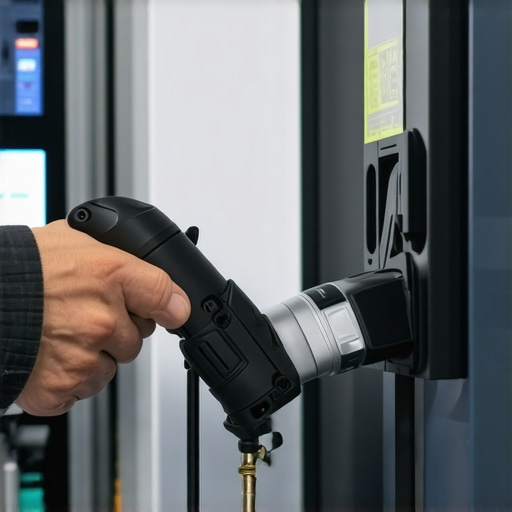
Avoid the Expensive Utility Bottleneck Completely
If you find your existing commercial panel is simply out of physical space, do not immediately panic and order a $15,000 service entrance upgrade from your local utility. Many businesses can bypass this massive capital expense by deploying modern energy management systems. By using smart control strategies, you can safely squeeze more performance out of your current infrastructure. To see how this works in practice, explore our detailed guide on how load management modules prevent expensive panel upgrades. Have you ever fallen into this trap of over-specifying your utility connection, or did you manage to resolve a compliance nightmare with a clever software fix? Let me know in the comments below! If you are currently facing an inspection deadline and need professional help, don’t hesitate to reach out to us directly through our contact us page.
Maintain Your Hardware to Protect Your Investment
Once you survive the initial installation hurdle, the real work of asset management begins. I used to think that electrical infrastructure was set-and-forget, but high-amperage continuous loads change the rules completely. Commercial chargers are subject to physical stress, weather extremes, and constant thermal cycling that can loosen terminals over time. To ensure everything stays safe and operational, I personally conduct a quarterly inspection sweep. I use a thermal imaging camera to scan the breaker panel under full load, checking for hot spots that indicate a loose connection before it turns into a fire hazard. By staying proactive, you can avoid the sudden downtime that ruins business operations. If you are experiencing mysterious power drops, read about ev charger troubleshooting expert tips for common issues to catch failures early.
How do I maintain my EV charger over time?
The key is a structured preventative maintenance schedule that covers both physical components and electrical integrity. Every six months, you should have a technician re-torque the terminal blocks to their exact specifications. According to a technical bulletin by the Electrical Safety Foundation International (ESFI), over 30% of commercial electrical failures in high-draw systems are directly related to loose connections caused by thermal expansion. Additionally, you must inspect the charging cables for wear and tear. If you operate in cold climates, you know how stiff and fragile these cables get. Learn why your charging cable gets stiff in the winter and how to fix it so you can prevent physical damage to the internal copper conductors.
My Top Recommended Diagnostics Tools
I do not go anywhere near our charging bays without three essential tools in my kit: a high-quality infrared thermometer, a true-RMS clamp meter, and a dedicated EVSE (Electric Vehicle Supply Equipment) adapter. The EVSE adapter allows you to simulate a vehicle connection safely, letting you test the state-logic of the charger without needing to park a real car in the bay. This is incredibly useful for isolating whether a charging fault lies in the station itself or in the vehicle’s onboard computer. If your diagnostic tests point to a deeper issue in your distribution setup, check out troubleshooting ev chargers common compliance pitfalls and fixes.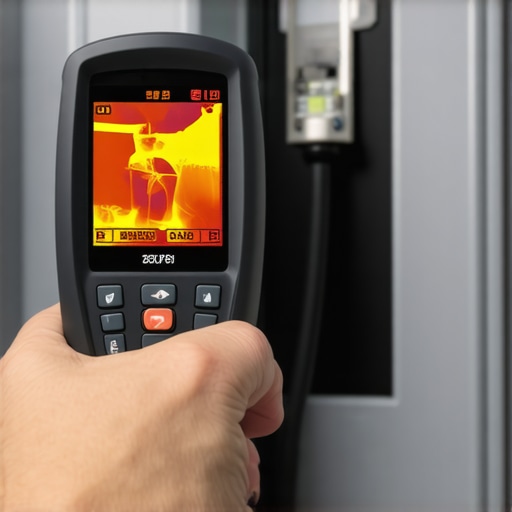
The Future of Smart Commercial Power Delivery
Looking ahead, the next five years will completely change how we think about grid capacity. We are moving away from brute-force physical infrastructure upgrades and heading toward highly sophisticated software orchestration. Bidirectional charging, or Vehicle-to-Grid (V2G) technology, will soon allow your fleet to act as a giant battery backup for your entire building during peak utility pricing windows. Preparing your infrastructure today with smart, network-connected hardware ensures you will be ready for this shift. If you are planning your next steps or trying to resolve a current inspection setback, I highly recommend implementing a dynamic load manager right now. Don’t wait for your utility company to force your hand; explore our contact us-2 page to get expert guidance on streamlining your commercial charging setup today.
What Experts Won’t Tell You About EV Infrastructure Code Compliance
When you dive into the world of high-voltage commercial electrical installations, you quickly realize that the official codebooks only tell half the story. The biggest hidden hurdle isn’t the physical wire run; it is the unexpected paperwork and shifting local amendments that catch even seasoned builders off guard. If you want to keep your project on schedule, you must design for future-proof capacity from day one. To make sure you do not get caught in an endless cycle of red-handed inspection failures, study how to navigate ensuring code compliance when installing ev chargers safely. Getting this right early on prevents you from having to strip out expensive copper conduit later.
Another hard truth is that your local utility company operates on its own timeline. You can have a pristine, fully compliant panel ready to accept power, but if you didn’t file your service capacity requests months in advance, your shiny new chargers will sit dark and idle. Always verify your regional capacity thresholds early. Learn how to draft your plans by looking at code compliance essentials for ev charger installations in 2025 to stay ahead of the regulatory curve.
My Essential Toolkit for EV Charger Diagnostics
You cannot troubleshoot modern digital charging hardware with a simple hardware-store test light. After years of chasing down phantom ground faults and communication drops, I have refined my field kit to three absolute essentials that save hours of frustration. First, a true-RMS clamp meter is non-negotiable for reading unbalanced loads. Second, a dedicated thermal imaging camera lets you spot loose terminal lugs under continuous load before they can cause a fire. Finally, you need a reliable diagnostic protocol for testing digital signaling. When your stations drop offline or refuse to communicate with the vehicle, rely on our comprehensive guide for troubleshooting ev charger connectivity problems to pinpoint the exact failure point quickly.
Take Control of Your Commercial Power Grid Today
Upgrading your commercial property with high-speed charging doesn’t have to trigger an expensive and overwhelming utility nightmare. By understanding the real math behind your electrical load, applying active dynamic power management, and holding your contractors to exact torque specifications, you can build a highly efficient charging hub that operates safely for years. Taking charge of your energy infrastructure today protects your bottom line and positions your business as a leader in the green transition. If you are preparing to pull permits or need to verify your layout, explore how to verify code compliance for your ev charger installation to ensure a smooth, worry-free sign-off. Have you ever run into an unexpected bottleneck or a tricky inspection failure while upgrading your commercial panel? Let me know in the comments below!