I’ll never forget the sound—that dull, metallic *thunk* echoing through my garage at midnight. I had just plugged in my brand-new EV, dreaming of a full battery by sunrise. Instead, I was standing in the dark with a lukewarm cup of tea, staring at a dead wall connector. My breaker had tripped. Again. It wasn’t a short circuit or a lightning strike. It was just a standard breaker that simply couldn’t handle the relentless, thirsty pull of a fast-charging car. If you’ve spent your morning wondering why your high-speed setup is moving at a snail’s pace—or not moving at all—you aren’t alone. Today, I’m going to help you identify why your hardware is quitting on you and how to fix it for good.
Stop Blaming Your Car for a Tired Electrical Panel
We often assume the car or the charger is the culprit, but the reality is usually hidden inside that grey metal box in your basement or garage. Most household breakers were designed for intermittent loads—a toaster here, a vacuum there. An EV, however, is basically like running four clothes dryers at once for eight hours straight. I learned the hard way that the specific breaker brands that hate constant EV loads are more common than you’d think. Early in my journey, I made the classic rookie error of just swapping a 40-amp breaker for a 50-amp without checking the bus bar’s condition or the brand’s reputation for heat dissipation. It didn’t solve a thing; it just made the panel hotter and led to more EV charger troubleshooting sessions than I care to admit. To get a reliable charge, you need to understand how continuous load works.
Is My Current Panel Actually a Fire Hazard?
It’s the question that keeps most new EV owners up at night, and honestly, it’s a healthy skepticism to have. The short answer? If you’re seeing 5 signs your main breaker is overwhelmed by a new level 2 charger, you need to take it seriously. Continuous loads generate significant heat. According to the National Fire Protection Association (NFPA) in their latest electrical safety reports, sustained high-amperage draws are exactly where weak points in old hardware or poor-quality brands show up. We aren’t just looking for a fix that keeps the lights on; we are looking for a setup that is ensuring code compliance when installing EV chargers so you can sleep soundly while your car tops off. Have you ever walked out to your garage only to find your car hasn’t gained a single mile of range because the power cut out an hour after you went to bed? Today, we are going to look at why upgrading your panel for better EV charging performance is the only real way to stop the nuisance tripping.
Stop Guessing and Start Calculating Your Load Capacity
Think of your electrical panel like a dinner table. You can only fit so many plates before things start falling off the edge. An EV charger isn’t just another plate; it’s a massive Thanksgiving turkey that takes up half the space. Most people assume that if they have an empty slot in their breaker box, they are good to go. That’s a dangerous myth. You need to perform a formal load calculation to ensure your total household draw doesn’t exceed 80% of your main breaker’s rating. If you skip this, you’ll quickly notice 5 signs your old electrical panel is a charging bottleneck, such as flickering lights or a humming sound coming from the basement. I remember helping a neighbor who insisted his 100-amp service was plenty for his new Tesla and a hot tub. We ran the numbers and found he was pulling 95 amps every time his AC kicked in. He was lucky he didn’t start a fire before we looked into panel upgrade strategies to meet ev charging code requirements in 2025.
Why Thinner Wire is a Silent Performance Killer
When it comes to high-amperage, continuous loads, wire gauge is non-negotiable. I’ve seen homeowners try to save fifty bucks by using 8-gauge wire for a 50-amp circuit because the run was ‘short.’ Within a month, that wire was so hot you could practically cook an egg on the conduit. Heat creates resistance, and resistance drops your voltage, which means your car charges slower and your utility bill climbs. You have to watch for 4 signs your electrician used the wrong gauge wire to protect your investment. Using the correct, heavy-duty copper isn’t just about speed; it’s about ensuring code compliance when installing EV chargers so your insurance company doesn’t have a reason to deny a claim later.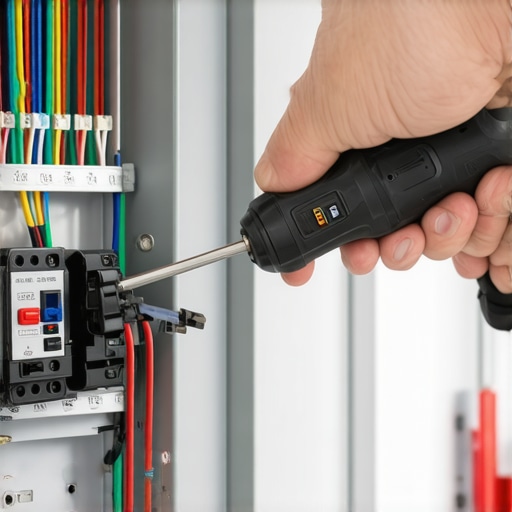
The Torque Test Most People Forget
One of the most common reasons for a ‘ghost’ charging failure—where everything looks fine but the power cuts out—is a loose connection at the breaker. Electricity flowing through a wire causes it to vibrate slightly and expand with heat. If those lugs aren’t tightened to the manufacturer’s exact specifications, they will wiggle loose over time. I once spent three hours performing EV charger troubleshooting on a unit that kept throwing a ground fault error. The culprit? A single lug on the neutral bar that was just a quarter-turn too loose. Now, I never close a panel without using the specific torque wrench settings for a wall connector. It’s a five-minute check that prevents a lifetime of headaches.
Solve the Space Issue with a Dedicated Subpanel
If your main panel looks like a bird’s nest of wires, don’t try to squeeze in one more twin-breaker. ‘Breaker Tetris’ is how panels overheat. If you are out of physical space or capacity, why your garage needs a subpanel for that second EV becomes a very relevant question. A subpanel allows you to run one large set of feeders to the garage and then branch off for your charger, shop lights, and tools. This isolation makes troubleshooting EV chargers much simpler because you aren’t hunting through the whole house’s circuitry to find a fault. It’s also the cleanest way to handle how to properly size a subpanel for your ev workshop if you plan on adding more gadgets down the road.Everyone tells you the first step to a Level 2 setup is a massive 200-amp service upgrade. I’ve seen homeowners drop $5,000 on a service change they didn’t actually need because they followed generic advice. In my experience, a ‘dumb’ panel upgrade is often the most expensive and least efficient way to solve a capacity problem. Instead of physically expanding the box, many modern homes are better served by smart load management devices. These systems monitor your home’s total draw and temporarily throttle the charger if you turn on the oven and the dryer at the same time. It’s the secret to getting faster charging without a new panel that most electricians—who are happy to charge for a full service swap—won’t mention. A study by the Electric Power Research Institute (EPRI) highlights that residential load management is the key to preventing grid and home infrastructure failure as EV adoption scales. Have you ever fallen into this trap or been told you *had* to upgrade your service? Let me know in the comments.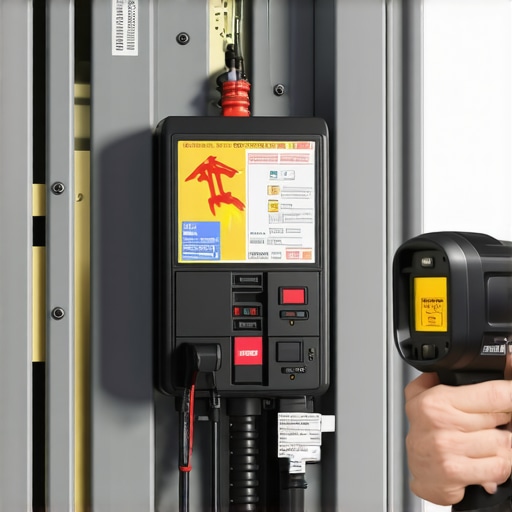
Why a Passed Inspection Doesn’t Guarantee Your House Won’t Burn
Here is the uncomfortable truth: code compliance is the minimum safety standard, not the gold standard. I’ve walked onto jobs where the permit was signed off, yet the charger was failing because the inspector didn’t check the thermal limits of the specific breaker brand used. Some older panels can technically hold a 50-amp breaker, but they weren’t designed for the 100% duty cycle an EV demands. This is why how to verify code compliance for your ev charger installation goes beyond just looking for a sticker on the box. You need to look for signs of ‘thermal creep’—discoloration on the plastic or a faint ozone smell. Even if you are ensuring code compliance when installing EV chargers, you must account for the reality that heat is a cumulative enemy.
Does Your Local Inspector Actually Understand EV Heat Loads?
Most inspectors are generalists. They check the wire gauge and the breaker size, but they rarely look at the environmental factors like ambient garage temperature or humidity levels. If you live in a swampy climate, you should be looking into 6 ways to stop nuisance tripping during high humidity charging because moisture increases resistance at the connection points. I once dealt with a ‘phantom’ tripping issue that only happened on rainy Tuesday nights. It wasn’t a faulty car; it was microscopic corrosion on a terminal that passed the initial inspection but failed under real-world stress.
The Grounding Rod Mistake That Voids Your Warranty
The biggest ‘oops’ factor I see with DIY or budget installs involves the grounding system. Many people assume the existing house ground is sufficient. However, modern chargers are incredibly sensitive to ‘dirty’ power and ground loops. If your charger keeps throwing a red light, you might need to how to fix the grounding fail that ruins ev permits and your hardware’s lifespan. I’ve seen $1,000 wall connectors fried because a surge had no path to escape. It’s an advanced level of EV charger troubleshooting that involves testing the soil resistivity—something your average handyman simply isn’t equipped to do. Don’t let a $50 grounding rod be the reason your $50,000 car refuses to wake up in the morning.But once you have the grounding and the panel sorted, the job isn’t actually over. To keep your system running efficiently for years, you need to transition from the installation mindset to a maintenance mindset. I personally swear by using a small thermal imaging camera—like a FLIR One—to inspect my panel every few months while the car is charging. It’s the easiest way to see heat build-up before it becomes a smell or a fire. If you see a glowing ‘hot spot’ on a single breaker lug, you’ve likely found a loose connection. This is why the forgotten torque test that prevents panel fires is the most critical maintenance step you can perform. Catching these thermal anomalies early is exactly how to spot arc faults before they kill your charging session and potentially save your home from a catastrophe. 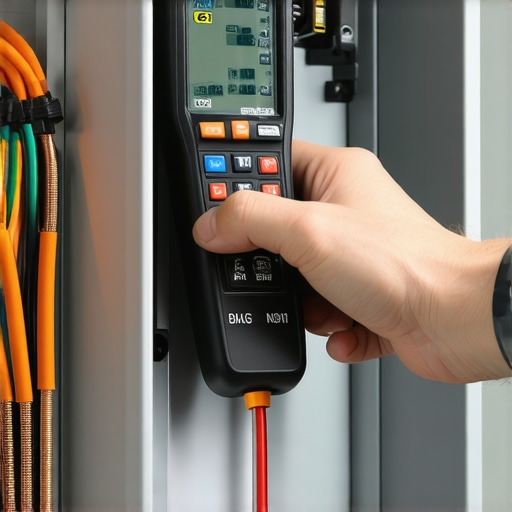
How do I maintain my home charging infrastructure long-term?
It’s not just about the internal wiring; the physical hardware in your garage takes a beating too. I recommend a monthly inspection of the charging handle and the cable. Dust, pet hair, and even spider webs can get into the pins, creating high resistance and heat. Knowing how to clean your charger ports without damaging them is a skill every owner needs. Beyond cleaning, keep an eye on the cable’s flexibility. If you live in a cold climate, you’ll notice the insulation can get brittle, so always coil it loosely. And if you’re parking outside, don’t forget to check for pests; I’ve seen many owners search for how to prevent squirrels from chewing your charging cable after a very expensive morning surprise.
Scaling Your Setup for a Two-Car Household
If you are planning to add a second EV, don’t just assume you can slap another breaker into the panel. This is where why your garage needs a subpanel for that second EV becomes the central focus of your strategy. A subpanel allows you to manage loads locally and is often the first step in upgrading your panel for better EV charging performance. As we look toward 2025, the trend is shifting toward bidirectional charging (V2H). According to Section 625.42 of the National Electrical Code (NEC), modern systems can now use adjustable amperage settings to stay within the limits of your existing service, but you must ensure you are following the latest code compliance essentials for ev charger installations in 2025. I predict that in the next three years, your car will stop being a ‘load’ and start being your home’s primary backup battery. To get ready for that, start by ensuring your current connections are rock solid. My best advice? Go grab a torque wrench and verify your breaker lugs this weekend—it’s the ultimate peace of mind.
The Hardest Lessons I Learned Managing My Own Panel
After that midnight breaker failure, I realized that 3 small mistakes that turn your garage panel into a fire hazard usually start with the assumption that ‘good enough’ works for an EV. It doesn’t. One massive lightbulb moment was discovering what your electrician didn’t tell you about fast home charging: standard residential components aren’t always built for the 100% duty cycle of an electric vehicle. I also found that the voltage drop secret that’s ruining your morning charge is often the result of wire runs that are technically legal but practically inefficient. Don’t let your installation be a ‘bare minimum’ job. #IMAGE_PLACEHOLDER_E#
Gear That Actually Belongs in Your Garage
I don’t recommend a single piece of equipment unless it has saved me from a service call. First, invest in a quality torque wrench; you will need it to verify the specific torque wrench settings for a wall connector and ensure your lugs stay tight. Second, keep a digital copy of your local guidelines on hand, specifically focusing on code compliance essentials for ev charger installations in 2025 to stay ahead of the curve. Finally, check your local utility website for rebate forms—I’ve seen neighbors miss out on thousands because they didn’t know how to get your utility to pay for your panel upgrade before the work started.
Take the First Step Toward a Stress-Free Morning
The transition to electric driving should be about freedom, not worrying if your house can handle the load. By upgrading your panel for better EV charging performance and following a strict maintenance routine, you ensure that every morning starts with a full ‘tank’ and zero anxiety. The future of home energy is here, and it’s surprisingly manageable once you respect the heat. Have you ever opened your electrical panel and felt completely overwhelmed by the maze of wires? Let me know in the comments below.