It was 2:00 AM on a Tuesday when the sky over my house decided to stage a hostile takeover. I remember the exact moment it happened: a crack of thunder so loud it vibrated the glass in my bedroom window. I did what most of us do—I rolled over, thankful the power stayed on. But the next morning, my car was sitting at 12% battery, and my expensive Level 2 charger was staring back at me with a blank, lifeless screen. No lights. No clicking. Just the faint, sickly-sweet smell of burnt plastic and ozone. I’d made a rookie mistake that cost me $700 in hardware, and today, I’m going to make sure you don’t do the same.
Your Breaker Won’t Save the Motherboard
When I first started installing chargers, I honestly thought a standard circuit breaker was all the protection I needed. I was wrong. Dead wrong. Breakers are designed to protect your house from burning down by stopping sustained overcurrents; they are far too slow to catch a millisecond-long high-voltage spike from a nearby lightning strike. My “lightbulb moment” came when I opened up my fried unit and saw the charred remains of the logic board. It wasn’t a slow burn; it was a high-speed execution. Many people still believe common myths about charging during a thunderstorm, thinking that if the car is “off,” it’s safe. In reality, that motherboard is always listening for a signal, making it a sitting duck for surges.
Is a dedicated surge protector actually worth the extra money?
I get the skepticism. When you’re already looking at the costs of a panel upgrade and the charger itself, adding another $100 for a small plastic box feels like an upsell from a pushy electrician. But here is the reality: according to the National Electrical Manufacturers Association (NEMA), up to 80% of surges are generated internally, and external surges from storms are the ones that deliver the “death blow” to sensitive electronics. If you don’t have a Type 1 or Type 2 surge protective device (SPD) installed, you are essentially gambling the life of your charger every time the clouds turn grey. This is why your EV charger needs a surge protector in the panel as a primary line of defense.
I learned the hard way that “hoping for the best” isn’t a maintenance strategy. If you’ve been putting this off, ask yourself: have you ever seen your lights flicker during a storm and wondered if your car was okay? If so, you’re already feeling that gut instinct that something is missing. We’re going to walk through exactly how to bridge that gap and why troubleshooting these issues after the fact is a nightmare you want to avoid. Let’s look at the specific wiring gap that causes most of these failures.
Pick a Protector That Actually Stops the Spike
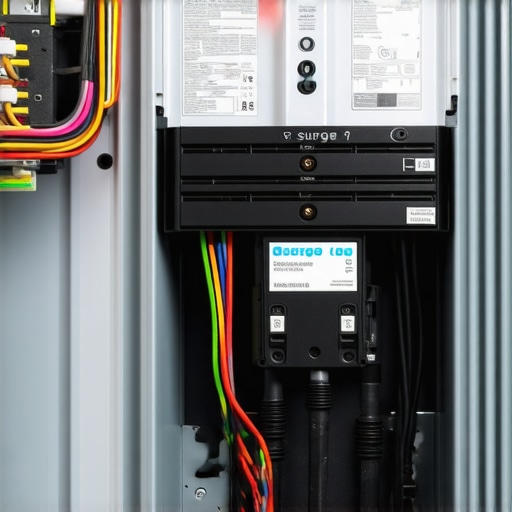
The first thing you need to realize is that not all surge protectors are created equal. For an EV setup, you are looking for a Type 2 Surge Protective Device (SPD) that mounts directly inside your main electrical panel. Think of this as your first line of defense. While many people think they can just get away with a standard surge-only power strip for their electronics, your charger is pulling 32 to 48 amps of continuous load, which changes the physics of how heat and surges interact. When you are looking for parts, check for 3 signs you need a whole house surge protector for your EV, such as living in a high-lightning area or having an older electrical service. This device is your ‘bodyguard’—it sits there doing nothing until it detects a voltage spike, at which point it shunts that excess energy safely to the ground before it reaches the sensitive logic board of your Level 2 charger.
Trim the Leads or Lose the Protection
This is where most DIYers and even some general electricians mess up. The wires (leads) coming off the surge protector need to be as short and straight as possible. I once walked into a garage where the owner had installed a beautiful SPD but left the 18-inch wires coiled up in a neat little circle. Surges move at incredible speeds, and every inch of wire adds ‘impedance’—basically, resistance to the surge. If those wires are too long, the surge will find it easier to go through your charger than through the protector. You want to how to ground your ev charger according to the latest standards by keeping those SPD leads under six inches if possible. Straight lines are your best friend here; avoid 90-degree bends which can act like a roadblock for the high-frequency energy of a lightning strike.
Grounding is Your Only Real Escape Hatch
If your electrical system doesn’t have a solid path to the earth, even the best surge protector is just a paperweight. I’ve seen chargers throw ‘Ground Fault’ errors for months, which people ignore by restarting the unit. Don’t do that. You need to perform the simple test to see if your garage outlet is truly grounded to ensure the electricity has a place to go. In a recent installation for a neighbor, we found that their older garage circuit was using the metal conduit as a ground, but the conduit had rusted through at a joint under the house. The charger ‘felt’ safe, but in a surge event, that energy would have had nowhere to go but back into the car’s battery management system. This is a critical part of ensuring code compliance when installing ev chargers because a faulty ground is a fire hazard, plain and simple.
Tighten Every Screw to a Specific Number
Heat is the silent killer of EV circuits. Because these chargers run for hours at a time, any loose connection will expand and contract, eventually arcing and melting the plastic. You cannot just ‘hand-tighten’ these lugs and call it a day. You must use a torque screwdriver to hit the specific torque settings that prevent panel fires during high-load charging as specified by the manufacturer. I remember a service call where the owner complained that why your breaker gets hot to the touch during charging was a nightly occurrence. It turned out the installer hadn’t torqued the breaker lugs, and the heat was so intense it had started to warp the busbar. When you’re dealing with code compliance essentials for ev charger installations in 2025, proper torque isn’t just a suggestion; it’s a requirement that inspectors are looking for with a keen eye.
Panel Space and Smart Upgrades
Adding a surge protector and a 50-amp breaker takes up ‘real estate’ in your panel. If your box is already stuffed, you might feel tempted to use ‘tandem’ breakers to save space, but many local codes forbid this for high-continuous loads. This is why panel upgrade strategies to meet ev charging code requirements in 2025 often involve adding a subpanel or a service upgrade. I worked on a house last month where we couldn’t even fit the SPD because the previous owner had double-tapped every circuit. We had to clean up the mess before we could even think about protection. By following how to verify code compliance for your ev charger installation, you ensure that you aren’t just adding a charger, but you are actually making the house safer. If you notice things like how to stop your garage lights from flickering when the car starts charging, it’s a red flag that your current panel is struggling to keep up with the demand and needs a professional look.
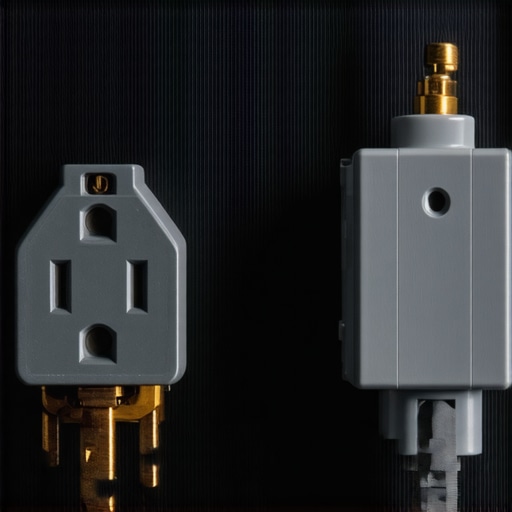
Most people will tell you that hardwiring your charger is the only way to go if you want a professional setup. While it’s true that hardwiring eliminates a point of failure, I’ve found that many homeowners actually prefer the flexibility of a plug-in unit. However, the biggest ‘trap’ I see isn’t the choice of charger; it’s the quality of the outlet itself. If you head to a big-box hardware store and buy a standard $10 range outlet for your EV, you are asking for a fire. These outlets are designed for an oven that cycles on and off, not a car that pulls 40 amps of continuous load for eight hours straight. This is exactly how to pick a Nema 14-50 outlet that won’t melt under pressure—you need a commercial-grade (often $50+) receptacle that can handle the thermal stress. In my professional experience, choosing a plug-in charger over hardwired can actually save you money and simplify future upgrades, provided you don’t skimp on the outlet quality.
Can you avoid a $3,000 panel upgrade with load shedding?
The most common advanced question I get is whether a 100-amp service can handle an EV without a full overhaul. Everyone says you need a 200-amp service, but that is a half-truth. By using load shedding devices to avoid a full service upgrade, you can install a smart controller that pauses your car’s charging when your electric dryer or oven kicks on. This is a game-changer for older homes. According to a study by the Electrical Safety Foundation International (ESFI), residential fires caused by electrical malfunctions often stem from overloaded circuits that weren’t properly assessed for continuous demand. This makes upgrading your panel for better EV charging performance a nuanced decision rather than a mandatory one. Have you ever fallen into this trap of being told you need a full upgrade? Let me know in the comments.
Another nuance that often escapes even seasoned DIYers is the material of the wire. I cannot stress this enough: check the difference between copper and aluminum for EV wiring before you pull a single foot of cable. While aluminum is cheaper, it expands and contracts significantly more than copper. In a high-vibration environment or a high-load EV circuit, those aluminum connections can loosen over time, leading to arcing. If your charger terminals aren’t specifically rated for AL/CU (aluminum/copper), using aluminum is a code violation that could void your insurance. This is a huge part of troubleshooting EV chargers and avoiding common compliance pitfalls.
Finally, let’s talk about the ‘phantom trip.’ I’ve seen cases where a charger works fine during the day but trips the breaker at 3:00 AM. This is often because the circuit breaker trips at 90 percent charge due to the cumulative heat in the panel when the house is closed up and the ambient temperature rises. If you find yourself troubleshooting these issues, look at the thermal rating of your breaker. A cheap breaker might lose its tension over time, which is how to spot a dying breaker before it fails completely. Always refer to code compliance essentials for EV charger installations in 2025 to ensure your setup meets the latest safety standards, especially regarding GFCI protection and dedicated circuits.
Once you have navigated the labyrinth of wiring and code inspections, you might think your job is done. But an EV charger is more like a high-performance computer than a standard kitchen appliance. If you treat it like a ‘set it and forget it’ device, you are inviting failure. I have seen chargers that looked pristine on the outside but were slowly rotting on the inside because the owner didn’t understand the long-term physics of high-amperage electricity.
Don’t Ignore the Software in Your Wall
Most modern Level 2 units are ‘smart’ chargers, which means they are constantly communicating with the manufacturer’s servers. I once spent three hours trying to fix a ‘dead’ unit for a client, only to realize the charger had missed three consecutive security patches and had effectively locked itself out for safety. You need to know how to update the firmware on your smart charging station just as often as you update your phone. This isn’t just about new features; it’s about the communication protocol between the car and the grid. If you start seeing handshake failures, it is time to start troubleshooting a communication error between your car and charger before you blame the hardware. In many cases, troubleshooting ev charger connectivity problems is a simple matter of a router reboot or a signal booster, but it’s the first thing that goes wrong.
How do I keep my home charging station running for a decade?
Maintenance isn’t just about software; it’s about physical wear. Every time you plug and unplug that handle, you are stressing the pins. I recommend a monthly inspection of the ‘jaws’ inside the charging handle. If you see any blackening or green oxidation, stop immediately. You can prevent the most common mechanical failures by following 3 maintenance tasks that keep your outdoor charger running through winter, such as applying a tiny amount of dielectric grease to the handle’s locking mechanism to ensure you know how to stop your charger handle from sticking in the port during a freeze.
Check Your Connections with Heat, Not Just Your Eyes
If you really want to be a pro, stop relying on your eyes and start relying on infrared. I personally use a FLIR thermal camera once every six months to ‘scan’ my electrical panel while the car is charging at full power. Why? Because the National Electrical Code (NEC) 2023 Article 625 emphasizes that EV systems are continuous loads, and even a slightly loose screw that looks fine to the eye will glow like a lightbulb under an IR lens. If you see a breaker that is significantly hotter than its neighbors, you are looking at how to spot a dying breaker before it shuts down your charging session permanently. This type of preventative maintenance is the only way to ensure your upgrading your panel for better ev charging performance actually lasts its intended lifespan.

Looking toward the future, the trend is moving toward bidirectional charging (V2H). Soon, your charger won’t just take power; it will give it back to your house during a blackout. This makes ensuring code compliance when installing ev chargers even more critical today, because your wiring needs to be ready for two-way traffic. I predict that within five years, a ‘standard’ install will require a specialized gateway for home backup as a baseline. For now, your best move is to grab a torque wrench and verify your lugs are tight. I challenge you to open your panel today (carefully!) and just look for any signs of discoloration on the EV breaker—it’s the easiest ‘early warning system’ you have.
Lessons Bought with a Fried Logic Board
If I could go back to that 2:00 AM storm, I’d have done things differently. Here are the hard-won insights I’ve gathered from years of ev charger troubleshooting and professional field work:
- Cheap parts are expensive: That $10 outlet I mentioned earlier? It’s a liability. Spending the extra money on a commercial-grade receptacle is the cheapest insurance you’ll ever buy to avoid burnt plastic smells.
- Software is the new screwdriver: If your charger isn’t working, check the Wi-Fi signal before you grab the multimeter. Modern troubleshooting ev charger connectivity problems often solves half of all reported hardware failures.
- Inspect every six months: Heat is a slow-motion disaster. Taking ten minutes twice a year to look for discoloration in your panel can prevent a multi-thousand-dollar repair or a failing breaker.
#IMAGE_PLACE_HOLDER_E#
The Gear That Keeps My Garage Safe
I’m often asked what I carry in my own tool bag when I’m checking a new install for ensuring code compliance when installing ev chargers. Here is my short list of essentials:
First, a reliable torque screwdriver is non-negotiable. I personally use an insulated model to ensure every lug is set to the manufacturer’s exact spec, preventing arc faults. Second, a smartphone-linked thermal camera has saved more panels from melting than any other tool I own. Finally, if you’re hitting the limits of your electrical service, look into load shedding devices to avoid a full service upgrade. It’s the smartest way to manage power in a 100-amp home without tearing open the walls.
Peace of Mind is the Best Accessory
Transitioning to an electric vehicle is a massive shift in how you interact with your home’s energy. It can feel overwhelming to juggle panel upgrades for ev chargers and strict safety regulations, but remember: you’re building a system that will power your life for the next decade. By focusing on how to verify code compliance for your ev charger installation and staying proactive with maintenance, you aren’t just following rules—you’re protecting your family and your investment. If you ever feel stuck or see a red warning light you can’t explain, don’t hesitate to contact us for a professional perspective on your setup. Have you noticed your breaker getting warm or your garage lights flickering while your car charges? Let me know in the comments below!