I’ll never forget the morning my phone blew up at 6:00 AM because a frustrated driver couldn’t get a charge at our main hub. I had spent thousands on the hardware, but I tried to save a few bucks a month by piggybacking off the warehouse Wi-Fi. Big mistake. The signal dropped the moment a thick-walled delivery truck parked in the wrong spot, and just like that, our ‘smart’ chargers became very expensive paperweights. If you’re managing a fleet or offering charging to customers, you’ve likely felt that same knot in your stomach when the dashboard shows a sea of red ‘offline’ icons.
Wi-Fi is Great for Netflix but Terrible for Business Charging
When I first started out, I assumed that if my phone had two bars of Wi-Fi near the charger, everything was fine. I was wrong. Commercial units aren’t just sipping power; they are constantly talking to a central server to authorize payments, manage loads, and report health. Local Wi-Fi is notoriously fickle, especially in industrial settings where metal siding and heavy machinery create a chaotic environment for radio waves. I’ve spent more hours troubleshooting EV charger connectivity problems caused by a simple router reboot than I care to admit. Moving to a dedicated cellular connection changed everything. It bypasses the local network entirely, meaning your chargers stay online even if your building’s internet goes down. This is crucial because the real cost of running a commercial charging site isn’t just the electricity; it’s the lost productivity and reputation damage when the system fails.
Does a Cellular Plan Really Justify the Monthly Cost?
You might be skeptical about adding another monthly subscription to your ledger. I was too. But here is the reality: a cellular connection provides a level of ‘always-on’ reliability that standard broadband can’t touch. According to data from the National Renewable Energy Laboratory (NREL), network uptime is a primary driver of user satisfaction in public and commercial charging. If your charger is down, you aren’t just losing a few cents on the kilowatt-hour; you’re failing a driver who depends on that juice to get home or finish a route. I learned the hard way that why your commercial charger needs a dedicated cellular connection isn’t a sales pitch—it’s a redundancy requirement. It also helps when you are diagnosing why a charger is delivering half power, as you can access real-time diagnostics without begging the IT department for firewall permissions. Have you ever had a customer walk into your office frustrated because the ‘smart’ charger wouldn’t recognize their app?
Is Your Electrical Panel Prepared for the Heavy Lifting?
Before you even touch a cellular SIM card, you have to ensure your infrastructure isn’t the bottleneck. Think of your electrical panel like a heart; if it’s already struggling to pump blood to the rest of the building, adding a high-speed EV charger is like asking it to run a marathon. I’ve seen businesses try to squeeze a 48-amp charger into a packed 100-amp service, only to wonder why the main breaker hums like a beehive. You need to start by upgrading your panel for better EV charging performance to handle the sustained thermal load. Commercial charging isn’t a temporary spike; it’s a constant, heavy draw that can last for eight hours straight. If your hardware is older, you’re looking at more than just a capacity issue. You’re looking at a safety risk. This is why panel upgrades for EV chargers are usually the first line item on a professional quote. I once ignored a slight discoloration on a busbar during a ‘quick’ install, and three months later, the whole unit melted because of a loose connection. Since then, I always use the specific torque settings that prevent panel fires during high load charging to ensure every lug is seated perfectly. 
Hardware That Actually Stays Connected
When choosing your charger, you’ll find two types of cellular setups: integrated modems and external gateways. Integrated modems are sleek, but if the signal is weak inside the charger’s metal skin, you’re stuck. I prefer using an external industrial cellular router mounted in a NEMA-rated enclosure with a high-gain antenna. This allows you to place the antenna where the signal is strongest, even if the charger is buried in a concrete corner. If you find your unit is ‘ghosting’ your management software, start with ev charger troubleshooting expert tips for common issues before you start replacing expensive components. Often, it’s just a matter of a pinched antenna cable or a SIM card that hasn’t been activated for roaming. I remember a project in a subterranean parking garage where the signal was nonexistent. We thought the charger was a dud, but it was just the thick concrete acting as a Faraday cage. We ran a 20-foot coax cable to a weatherproof antenna near the entrance, and the dashboard lit up green instantly.
Pass the Inspector the First Time Around
Code compliance isn’t just red tape; it’s your shield against liability. In 2025, the rules for commercial installations have tightened significantly. You must stay on top of code compliance essentials for ev charger installations in 2025, particularly regarding load management and labeling. If you miss a single required warning label, you’re looking at a failed inspection and another two-week delay. I always double-check how to pass your electrical inspection on the first visit by pre-printing my circuit schedules and ensuring the disconnect is within sight of the charger. It saves hours of back-and-forth with the city. Also, make sure your groundings are up to date; I’ve seen many pros get tripped up because they didn’t follow the latest how to ground your ev charger according to the latest standards, leading to intermittent communication errors that are a nightmare to track down.
Speaking of nightmares, many people think the only solution to a crowded panel is a full-blown, $5,000 service upgrade. I disagree. Most contractors will push for a 400-amp service the moment they see a few dual-pole breakers, but in my experience, you can often skip the massive bill by learning how to load balance your home electrical system without a full panel swap. The industry secret that many aren’t talking about is ‘Active Load Management.’ Instead of throwing more raw power at the building, you use smart controllers to throttle the chargers when the HVAC or industrial pumps are peaking. It’s the difference between building a bigger bridge and simply timing the traffic lights more efficiently.
The Dangerous Truth About Budget Outlets
The biggest ‘oops’ factor I see isn’t in the panel itself, but in the receptacle. Many installers treat an EV outlet like a dryer plug, but there is a massive difference. An EV charger is a ‘continuous load,’ meaning it pulls its maximum rated current for hours on end without a break. According to the Electrical Safety Foundation International (ESFI), continuous loads create sustained thermal stress that can cause standard-grade hardware to fail. If you’re using a plug-in model, you must know how to pick a nema 14-50 outlet that wont melt under pressure. Residential-grade outlets are held together with plastic that can soften under 40 amps of sustained heat. Always insist on industrial-grade components with specialized internal contacts designed for high-heat cycles.
Can You Safely Charge Two EVs on a Single 100-Amp Service?
This is where sophisticated fleet managers get tripped up. On paper, two 48-amp chargers exceed a 100-amp service once you factor in the NEC-required 125% safety margin. However, by using chargers that support ‘circuit sharing,’ you can daisy-chain two units on a single breaker. This is a vital part of troubleshooting ev chargers common compliance pitfalls and fixes because it allows you to scale your infrastructure without digging new trenches. But beware: if your electrician doesn’t use the specific torque settings that prevent panel fires during high load charging, the constant expansion and contraction of the wires will eventually loosen the connection, causing your breaker to trip or, worse, arc and burn.
Stop Blindly Trusting Your Breaker Rating
I’ve walked into dozens of sites where the manager is confused because a 50-amp breaker keeps tripping even though the charger is set to 40 amps. They think the breaker is faulty. The reality? Ambient temperature matters. If your panel is in a hot utility room or direct sunlight, the thermal-magnetic trip element inside the breaker gets a ‘head start’ on its trip curve. You might notice why your breaker gets hot to the touch during charging and assume it’s normal, but it’s often a sign of poor airflow or an undersized wire acting as a heat sink. Have you ever fallen into this trap where the hardware seemed fine on paper but failed in the real-world heat? Let me know in the comments. Digging into these thermal dynamics is what separates a basic install from a system that actually lasts a decade.
Stop Letting Dust Kill Your High-Voltage Hardware
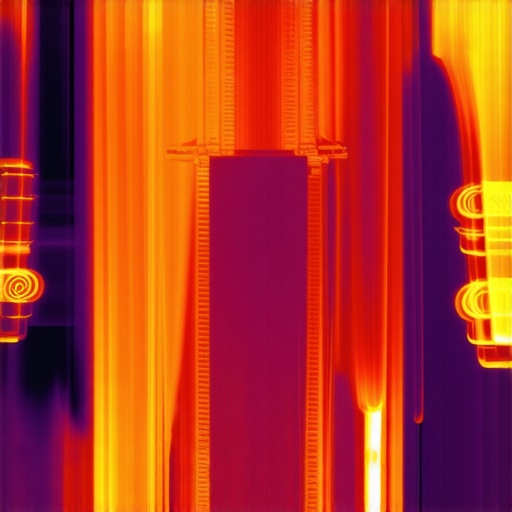
Maintaining these units isn’t a ‘set it and forget it’ deal. I’ve seen pins get so corroded from road salt and grime that they actually fused to the car’s port during a session. To avoid a multi-thousand dollar repair bill, you need to know how to clean the pins on your charging handle safely using non-conductive contact cleaners and specialized swabs. Especially for those of us in harsher climates, you have to follow 3 maintenance tasks that keep your outdoor charger running through winter, such as inspecting the cable jacket for cracks and checking the gasket seals on your enclosures. According to the NFPA 70B ‘Standard for Electrical Equipment Maintenance,’ infrared thermography is no longer just a luxury—it’s a critical component of preventing system failure in high-load environments.
How can I make my charging setup last ten years?
It comes down to a strict, proactive schedule. Every six months, I perform a physical walkthrough with a focus on heat. I’m looking for how to spot a dying breaker before it shuts down your charging session, which usually involves checking for slight discoloration on the plastic casing. If you are managing multiple units, the maintenance guide for commercial fleet charging stations should be your bible. You aren’t just checking wires; you’re looking for ev charger troubleshooting expert tips for common issues like firmware hanging or handle-lock sensor failures before they become 2 AM phone calls from a stranded driver.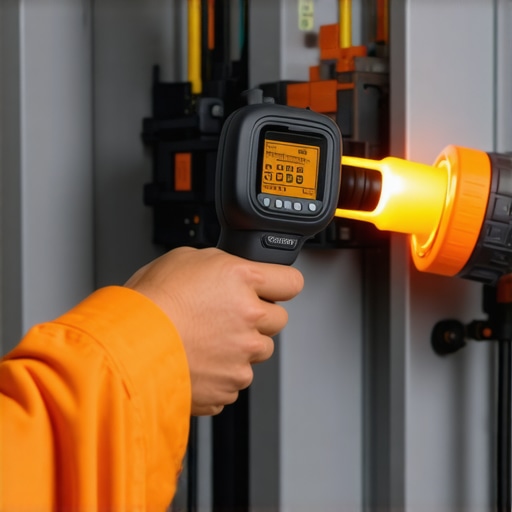
Invest in a Thermal Camera or Pay the Price Later
The single best investment I ever made wasn’t a new charger, it was a mid-range thermal imaging camera. Once a month, I scan the panel while the chargers are at full draw. If I see a lug glowing at 160°F while the others are at 110°F, I know that connection is loose and potentially dangerous. This is a key part of how to verify code compliance for your ev charger installation over the long term. You might also find how to troubleshoot a communication error between your car and charger is often related to thermal expansion pulling on those tiny signal wires.
Prepare for the 2025 Power Crunch
As we look toward the next year, the regulatory landscape is shifting. You should already be looking into panel upgrade strategies to meet ev charging code requirements in 2025. We are moving away from simple ‘dumb’ breakers toward integrated energy management systems. The trend is clear: the grid can’t handle everyone charging at max speed simultaneously, so ensuring code compliance when installing ev chargers will soon require bidirectional capability or automated shedding. My advanced tip for you today? Don’t wait for a failure. Go buy a thermal imaging attachment for your smartphone and scan your panel tonight while the car is charging; it is the most eye-opening 10 minutes you will spend as a site manager.
The Brutal Lessons I Learned Managing High-Voltage Fleets
Building a reliable charging network isn’t just about the hardware you buy; it is about the thermal reality of your building. One of the biggest lightbulb moments for me was realizing that your electrical system is a living, breathing entity that reacts to heat. If you haven’t yet mastered ev charger troubleshooting expert tips for common issues, start with your connections. A loose wire is a resistance heater, and resistance is what kills ‘uptime.’ I also learned that ensuring code compliance when installing ev chargers isn’t just for the inspector; it’s a blueprint for preventing literal fires. Finally, never assume your Wi-Fi will hold up when the building is full of activity; if it is for business, it has to be cellular or hardwired.
The Tools That Keep My Dashboard Green
To avoid those 2:00 AM emergency calls, I have a few non-negotiables in my truck at all times. First, a high-quality torque screwdriver is mandatory to follow the specific torque settings that prevent panel fires during high load charging. Second, I keep a bottle of non-conductive contact cleaner to handle how to clean the pins on your charging handle safely, which prevents intermittent communication errors. Lastly, I always have the latest NEC handbook open to the section on code compliance essentials for ev charger installations in 2025. These resources are what separate a hobbyist from a professional fleet manager.
#IMAGE_PLACEHOLDER_E#
Your Path to a Future-Proof Fleet
Stepping into the world of commercial charging can feel like a steep climb, but you don’t have to do it blindly. By prioritizing panel upgrades for ev chargers and staying ahead of the regulatory curve, you are building a system that provides value for a decade, not just a few months. Remember, every great charging site started with a single well-planned circuit. You have the tools, the knowledge, and now the strategy to make it happen. Have you ever had a commercial charger fail at the worst possible moment? Let me know your horror stories—or your wins—in the comments below.