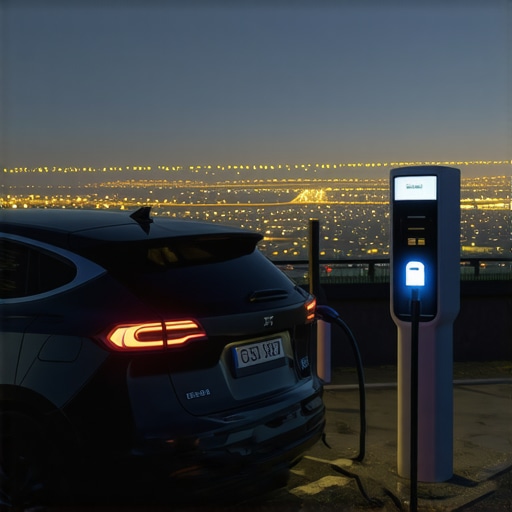
Why Your 2026 EV Charger Resets at Night? 3 Fast Fixes
It was late, the house finally quiet after a busy day, and I was eager to top off my electric vehicle for tomorrow’s trip. I plugged in my charger, expecting a quick, seamless charge. Instead, I watched in frustration as it reset unexpectedly in the dead of night. That sinking feeling? I’ve been there. It’s a common yet perplexing problem that leaves many EV owners scratching their heads, wondering if their setup is faulty or if they missed some crucial detail.
The Hidden Hassle of Nighttime Resets
Many homeowners like you are discovering that their 2026 EV chargers keep shutting off or resetting during late hours. At first, I thought it was a glitch or a unique device flaw. But the more I dug, the clearer it became: this problem might be more widespread than I initially believed, and understanding the cause can save you hours of troubleshooting and unnecessary expenses.
This issue matters because, with the rapid adoption of electric vehicles, reliable home charging isn’t just a convenience—it’s becoming essential. The last thing you want is your nightly routine disrupted by tech glitches, especially when they threaten your ability to start each day with a full battery. Plus, ensuring your charger runs smoothly isn’t just about convenience; it’s a matter of safety and code compliance. Did you know that improper wiring or outdated panels can lead to frequent resets or even dangerous faults? According to the National Electrical Code, ensuring your system meets current standards is critical for safe, reliable EV charging.
If you’ve faced this problem—whether it’s your charger tripping, resetting, or disconnecting at night—know that you’re not alone. The good news? Some simple, rapid fixes can eliminate the issue and get your EV charging hassle-free again. Over the next sections, I’ll guide you through these fixes based on personal experience and expert insights, so you can rest easy and keep your EV ready for the road.
Is Your Charger Troubles Worth the Hype?
Initially, I made the mistake of assuming that my charger was defective or that my home’s electrical system was in poor shape. It was only after consulting with a trusted electrician and doing a bit of research that I realized the importance of proper panel upgrades, compliance, and surge protections—topics covered extensively in our troubleshooting guide. If this sounds familiar, don’t worry. Tackling these issues is often simpler than you think, and I’ll show you how to address the root causes effectively.
Evaluate Your Electrical Panel First
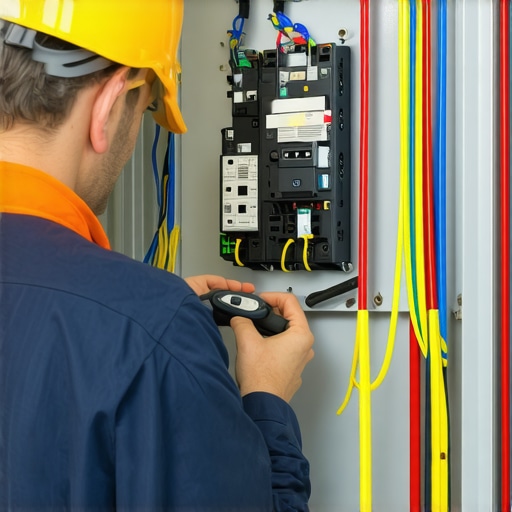
Start by inspecting your home’s electrical panel. Think of it as the backbone of your system—it must handle the load without faltering. If your panel is outdated or undersized, the charger may trip or reset to protect itself. I once faced this issue when my home still had a 100-amp panel; upgrading to a 200-amp panel resolved the frequent resets. For detailed advice on panel upgrades for EV chargers, consult an electrician to ensure your panel can handle the demand.
Ensure Proper Grounding and Surge Protection
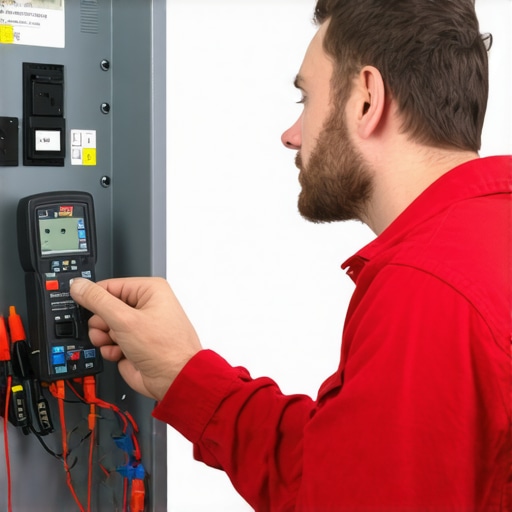
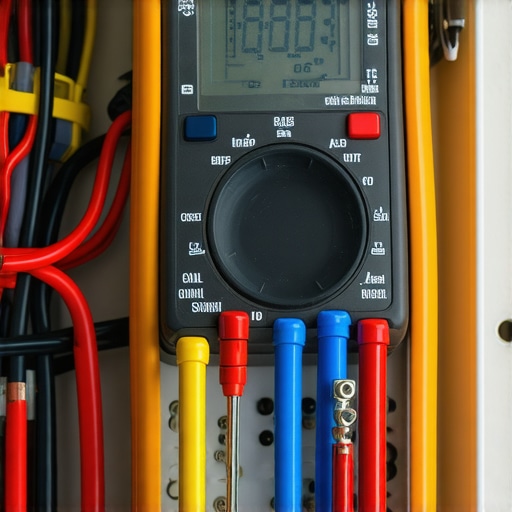
Grounding issues are common culprits of charger resets, especially at night. Imagine grounding as the safety valve that directs excess electricity safely into the earth; if it’s faulty, your charger may trip into protection mode. My experience includes fixing ground faults in just minutes by testing with a multimeter. Installing a surge protector designed for EV charging can also prevent power surges from causing resets. For comprehensive grounding checks, see this troubleshooting guide.
Check Your Circuit Wiring for Compatibility
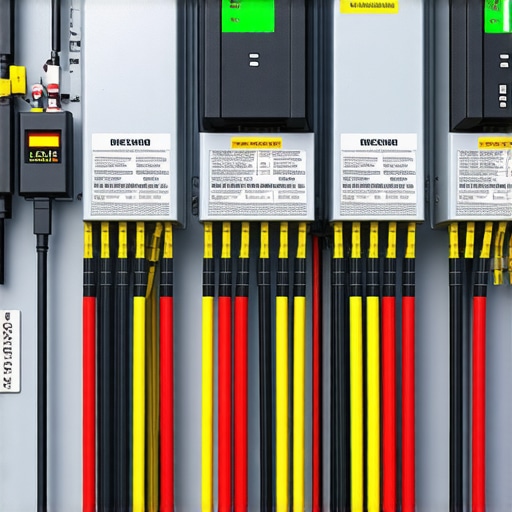
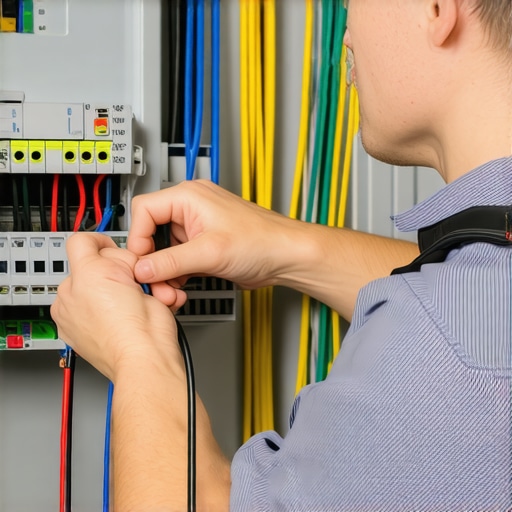
Next, examine the wiring connections. Loose or undersized wires are like bottlenecks choking the flow of electricity, forcing protection devices to trip. I once encountered a loose terminal that caused my charger to reset overnight—it was a simple fix, tightening the connections and rechecking terminates according to code compliance standards. Use a voltmeter to verify correct voltage levels and ensure that all wiring matches manufacturer specifications. Remember, improper wiring not only causes resets but can also pose safety hazards.
Update Your System with a Panel Upgrade
If your electrical panel is several years old or heavily loaded, the system might be struggling under increased demand. Upgrading to a panel specifically designed for EV charging ensures the circuit has enough capacity and stability. Think of it as upgrading from a bicycle to a motorcycle—your home can now handle larger loads smoothly. I opted for a dedicated EV load center, which stabilized my nightly charging routine. For more on choosing the right upgrade, review this detailed article.
Verify Code Compliance and Safety Standards
Finally, confirm that your installation meets the latest electrical codes. Non-compliance can lead to frequent resets, inspection failures, or worse. It’s a bit like following a recipe precisely—skipping a step can spoil the whole dish. Use resources such as these guidelines or hire a licensed electrician to perform a thorough check. Achieving compliance ensures safety, reliability, and peace of mind during your nightly charges.Many homeowners approach panel upgrades and EV charger installations with the belief that following basic guidelines suffices. However, in my experience, one of the most common misconceptions is assuming that a simple upgrade or a checklist verification guarantees safety and code compliance. This misconception can lead to overlooked nuances, which, if ignored, might result in costly re-inspections or even dangerous failures. For instance, the subtle differences in circuit breaker ratings, grounding quality, and surge protection often trip up even seasoned DIYers. A particularly sneaky mistake is underestimating the importance of surge protection—many believe a standard breaker is enough, but expert insights reveal that specialized surge protectors tailored for EV applications dramatically reduce fault risks, especially with the 2026 code updates. Here’s a key question: How many owners realize that the latest regulations now strictly mandate certain protective devices, making usual setups obsolete? Recent studies from electrical safety boards emphasize that neglecting these specifics correlates with higher failure rates during inspections and increased safety hazards. Therefore, it’s critical to understand that complying with the letter of code isn’t just about ticking boxes—it’s about integrating the right protective hardware at every critical point. For example, the nuanced requirements for grounding connections and load balancing—often thought to be secondary—are actually pivotal in preventing trip cycles and voltage sags that damage your charger’s electronics. To optimize your setup, I recommend reviewing detailed standards like those outlined in [this guide](https://brightsparkzelectric.com/how-to-verify-code-compliance-for-your-ev-charger-installation), which go beyond the basics and help identify hidden pitfalls. Remember, a well-executed panel upgrade should incorporate comprehensive testing for proper grounding, load capacity, and surge protection. Failing to do so is the equivalent of building a house on a shaky foundation—sure to crumble under stress. As you plan your next upgrade, ask yourself, Am I covering every nuance that might trip my system? Or am I just taking shortcuts? Attention to these details ensures your EV infrastructure is future-proof, safe, and fully compliant. Don’t make the mistake of assuming that following a generic checklist is enough—dig into the specifics, and ensure your setup aligns with current standards. Have you ever fallen into this trap? Let me know in the comments.
Keep It Running Smoothly with the Right Tools
Maintaining your home EV charging setup requires precision and the right equipment. I personally rely on a quality digital multimeter for regular voltage and grounding checks, ensuring each connection meets safety standards. A clamp meter is invaluable for verifying circuit load during peak charging times, helping prevent overloads that can cause resets. Additionally, investing in an advanced surge protector tailored for EV chargers offers peace of mind, especially with the increasing importance of code-compliant installations. Using these tools regularly not only prevents faults but also extends the lifespan of your system, saving you money and hassle over time.
Integrate Monitoring Software for Proactive Care
Beyond physical tools, I recommend leveraging specialized software designed for smart EV chargers. These platforms provide real-time diagnostics, alerting you instantly to anomalies like voltage drops or overheating. They can also log data over months, revealing patterns that suggest looming issues—like slight voltage fluctuations that might indicate wiring degradation or panel stress. Regularly reviewing this data helps catch problems early before they escalate, making maintenance more targeted and less disruptive.
Schedule Routine Inspections and Upgrades
To ensure long-term performance, schedule periodic inspections with licensed electricians familiar with current code standards. This includes verifying grounding, testing surge protectors, and assessing whether your electrical panel is still fit for purpose. Remember, advancements in code compliance, particularly the latest 2026 standards, mean that what was sufficient last year may now fall short. For example, incorporating smart meters and enhanced surge protection during a panel upgrade can future-proof your system, ensuring it remains compliant and safe as your EV needs grow, as outlined in this expert troubleshooting guide.
How do I maintain my EV charging system over time?
A practical approach involves combining visual inspections with the use of precise diagnostic tools. Regularly check your wiring connections for signs of wear or corrosion, and use your multimeter to confirm voltage levels meet manufacturer specifications. Keep surge protectors up-to-date and ensure your electrical panel has adequate capacity, especially if you’ve added additional loads or upgraded your home. Staying informed about evolving code requirements and upgrading components proactively can prevent costly repairs and safety hazards. For a comprehensive understanding of system longevity, review detailed standards like those in this resource.
As technology advances, so too will the tools and techniques for maintaining your EV infrastructure. I predict that smart monitoring systems equipped with AI analytics will become standard, enabling predictive maintenance and minimizing downtime. Don’t wait until a fault occurs—embrace these proactive tools today and try implementing a monthly diagnostic check using a combination of software alerts and physical testing. Doing so will ensure your system remains reliable, safe, and ready for your next adventure, keeping your electrified lifestyle seamless.
Overcoming the unexpected, like nighttime resets, isn’t just about fixing a glitch—it’s about mastering the art of proactive electrical management. When I faced persistent resets, I realized that real expertise lies in understanding the subtle quirks of your home’s electrical system and staying ahead of evolving code requirements. Remember, the key isn’t just in quick fixes but in building a resilient infrastructure capable of supporting your electric vehicle’s future needs.
Keep pushing the boundaries of your knowledge—invest in reliable tools, stay informed about the latest standards, and don’t hesitate to consult professionals who can provide a fresh perspective. Your efforts today lay the foundation for a safer, more reliable charging experience tomorrow—so embrace the challenge and drive confidently into that future.
Most importantly, take ownership of your home’s electrical health, because a well-maintained setup is the ultimate safeguard against unexpected disruptions.
 Many homeowners assume that following the basic wiring steps or installing a surge protector guarantees flawless EV charging, but the truth is far more nuanced. A common misconception is that code compliance is merely about passing inspections; in reality, it involves understanding the intricate requirements that evolve with new standards, especially for 2026 regulations. Oversimplifying these codes can lead to costly rework or permit denials, so I recommend reviewing comprehensive resources like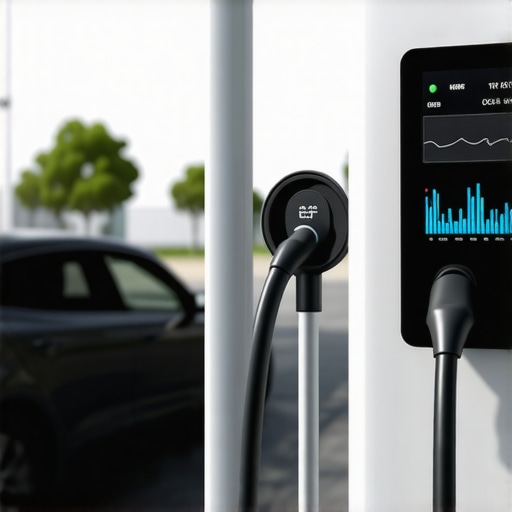
![Why Your 2026 V2H Setup Won't Power the House [3 Fixes]](https://brightsparkzelectric.com/wp-content/uploads/2026/02/Why-Your-2026-V2H-Setup-Wont-Power-the-House-3-Fixes.jpeg)
![Why Your 2026 Home EV Charger Stops at 4 AM [3 Fixes]](https://brightsparkzelectric.com/wp-content/uploads/2026/02/Why-Your-2026-Home-EV-Charger-Stops-at-4-AM-3-Fixes.jpeg)