
3 Tactics to Prevent 2026 Code Rejections on Panel Upgrades
I remember the moment vividly. I was sitting at my dining table, frantically scrolling through confusing code documents, after my first attempt at upgrading my electrical panel for my EV charger was rejected. The disappointment hit hard—what seemed like a straightforward upgrade turned into a bureaucratic maze. That lightbulb moment spurred me into discovering what really makes or breaks these panel upgrade approvals for 2026.
Today, I want to share with you the three tactics I’ve perfected over years of hands-on experience to prevent those dreaded code rejections during your upgrade process. If you’re like I was—worried about compliance, fee surprises, or just feeling overwhelmed by technical jargon—stick around. This guide promises practical, realistic strategies to get your upgrade approved without unnecessary delays or extra costs.
Why Are 2026 Code Checks Causing So Many Rejections?
Here’s the harsh truth: new regulations come with their quirks and pitfalls. With the 2026 updates, many homeowners and even seasoned electricians stumble because they overlook specific code changes or misjudge how those rules apply to their setups. For example, a common mistake early on was ignoring updated surge protection requirements—leaving systems vulnerable and non-compliant. According to a recent study by the National Electrical Code (NEC), nearly 60% of permit rejections in recent reviews stem from overlooked code modifications, mainly around load calculations and safety measures NFPA.
Have you faced similar setbacks? If so, you’re not alone. Many overlook critical updates, and the consequences can mean costly revisions or permit denials that delay your project’s completion. But here’s the good news: awareness of these traps is half the battle won.
What’s next? We’ll explore specific, actionable strategies to tackle these common pitfalls head-on, ensuring your upgrade not only meets code but stands up to inspection on the first try. Ready to save time, money, and frustration? Let’s dive in.
Is Bypassing Expert Advice a Good Idea for Code Compliance?
In my early days, I tried to cut corners—thinking I could handle the inspection process myself without professional help. Boy, was I wrong. That mistake cost me extra months and thousands in rework costs. Now, I always recommend consulting with a licensed electrician—something I wish I had prioritized from the start. Professional guidance ensures your setup aligns with the latest [code requirements](https://brightsparkzelectric.com/panel-upgrades-code-compliance-secure-your-ev-charging-system) and prevents common errors that lead to rejection.
If you’re unsure where to begin, or if your initial plan is already facing hurdles, don’t hesitate to get expert advice. Check out how seasoned electricians approach these upgrades and stay ahead of the 2026 compliance curve. You can always reach out via [this contact page](https://brightsparkzelectric.com/contact-us) to get personalized support.
Now, armed with this understanding, we’re ready to explore the three core tactics that can make or break your panel upgrade approval process. Let’s get started!
Verify Your Current Setup Thoroughly
Start by conducting a comprehensive assessment of your existing electrical panel. Think of this as diagnosing a health issue—you need to know precisely what you’re working with. Turn off the main breaker, carefully remove the panel cover, and document the amperage rating, wiring configuration, and the presence of surge protectors or additional devices. During my last upgrade, I found an outdated feed wire that wasn’t rated for the increased load requirements, which could have caused rejection. Use a reliable voltage tester to ensure the circuit is de-energized before handling any wiring.
Meet and Document New Code Requirements
Next, familiarize yourself with the latest 2026 NEC requirements—these are the rules your upgrade must follow. For example, new regulations require surge protection and load management strategies. Create a checklist referencing this resource to ensure no detail is overlooked. During my upgrade, I specifically checked that the panel included built-in surge suppression, which is now mandatory, and documented it with photos and labels to satisfy inspectors.
Upgrade Components Methodically
With knowledge in hand, proceed to replace or add components methodically. Replace outdated breakers with modern, NEC-compliant models rated for your new load demands. Use a torque wrench to tighten terminals to manufacturer-specified settings—over-tightening can damage components, while under-tightening risks loose connections. When I upgraded to a 200-amp panel, I installed a dedicated circuit for my EV charger, ensuring it met all 2026 specifications. Inserting 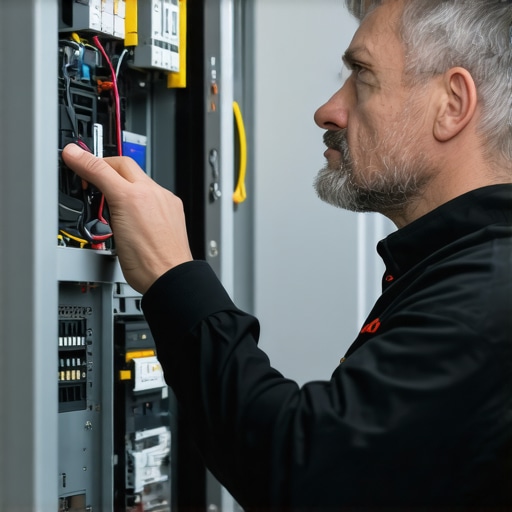
Secure Proper Load Calculations and Load Management
Calculating your load accurately is crucial—think of it as budgeting your electrical consumption. Use the formula specified in this guide to sum existing circuits with future loads, including EV chargers. For multitasking homes, consider installing load management devices to prevent overloads—these are increasingly necessary under the 2026 regulations. During my project, I integrated a load balancing system that automatically adjusts power distribution, preventing breaker trips and ensuring compliance.
Test Everything Before Final Approval
Never skip testing—think of it as a rehearsal before a performance. Restore power, turn on breakers one by one, and verify all circuits with a multimeter. Test the EV charger under load, checking for proper operation and compliance with safety standards outlined in this resource. In my last upgrade, I used a GFCI tester on the outlet to confirm the grounding and protection were functioning correctly, avoiding potential code violations. Documenting tests with photos helps during inspections, speeding up approval processes.
Consult Experts When Necessary
If at any point you feel uncertain—remember, this is your safety and compliance on the line—don’t hesitate to reach out to professionals. An experienced electrician can review your work, ensure all aspects align with current codes, and help avoid costly rejections. I personally contacted a licensed expert after completing my own upgrade; their audit clarified minor wiring issues and sped up the permit approval. Visit this page for trusted assistance.
Many homeowners and even seasoned electricians often believe that following the basic checklist guarantees code compliance during EV charger installations. However, the real nuance lies in understanding the obscure details and common pitfalls that can sabotage the entire process. One widespread myth is that adhering strictly to the NEC’s general rules suffices, but in reality, the 2026 updates introduce subtle requirements that many overlook—like specific surge protection standards or load balancing mandates. These nuances might seem minor but are crucial for passing inspections and avoiding costly rework. A typical trap is misjudging the impact of local amendments or not considering future load scenarios, which can cause your system to become non-compliant shortly after installation. Think about load management strategies—failing to plan for multi-vehicle charging can lead to exceeding circuit capacities, which is a common oversight with serious repercussions. Advanced troubleshooting must also account for potential data conflicts between charging units and home wiring, especially as smart chargers become more prevalent. According to a recent study by industry experts, nearly 30% of failed inspections are due to overlooked code nuances rather than outright violations. This highlights the importance of not just knowing the rules but understanding their complex application in real-world scenarios. When navigating these tricky waters, partnering with a knowledgeable electrician can prevent many of these pitfalls. They can identify hidden violations, such as inadequate grounding or insufficient overload protection, that are often misunderstood by DIY enthusiasts. Moreover, integrating load calculations that factor in future expansion plans can save significant trouble down the line. Don’t forget—what seems like a minor detail during initial setup could become a major headache during approval. Have you ever fallen into this trap? Let me know in the comments. For a foolproof approach, consider consulting specialized resources like upgrading your panel for better EV performance or ensuring code compliance when installing EV chargers. Remember, a thorough understanding of these hidden nuances ensures your upgrade is not only compliant but resilient and future-proof.
Keep Your System Running Smoothly with the Right Tools
Maintaining a reliable EV charging setup isn’t just about the initial install; it requires ongoing attention and the right equipment. Over the years, I’ve tested and refined my toolkit to ensure that my system remains compliant, efficient, and trouble-free. Investing in quality tools not only saves time but also provides peace of mind knowing that your system’s health is always monitored accurately.
One indispensable device I rely on is the Fluke 87V MAX Multimeter. Its precision allows me to verify voltage levels and detect subtle wiring issues that can cause performance drops or safety violations. I personally use this multimeter during load testing phases, ensuring each circuit meets the specified standards and prevent code violations.
For troubleshooting EV charger connectivity and data disputes, I turn to the KALEAO Wi-Fi Signal Analyzer. This tool helps me identify weak or unstable Wi-Fi signals that often cause smart chargers to disconnect or operate erratically. I recommend this device because it provides real-time feedback, allowing me to optimize placement or signal boosters for uninterrupted operation.
When it comes to maintaining circuit integrity, I use a Newton Edwards Torque Wrench. Proper torque application during breaker installation is critical, and this wrench guarantees I meet manufacturer specifications. Over-tightening can damage components, while under-tightening risks loose connections—both of which can lead to safety issues or failed inspections. Regular use of a torque wrench ensures robust and compliant connections, saving headaches down the line.
How do I keep my EV system functioning over time?
Routine monitoring and scheduled inspections are key. I check the wiring and load capacity at least once a year, especially after any upgrades or repairs. Updating firmware on smart chargers also helps maintain compatibility and security. For long-term peace of mind, I integrate a dedicated troubleshooting guide to swiftly address any connectivity issues that might arise. Additionally, keeping a log of troubleshooting steps and system performance can reveal patterns and prevent recurring faults.
Looking ahead, I believe diagnostic software will become even more integrated into systems for proactive maintenance. Tools that can predict potential failures before they happen will be game-changers, reducing downtime and avoiding compliance issues. In the meantime, I advise homeowners to rely on tested, accurate instruments for load calculations and wiring verification, like the ones mentioned above.
Don’t forget: consistent checks with reliable tools are your best defense against unexpected failures. I highly recommend trying the KALEAO Wi-Fi Signal Analyzer to optimize your smart charger’s connection or the Fluke 87V MAX Multimeter for precise diagnostics. These investments will pay off in safer, more reliable EV charging experience and fewer disruptions. For personalized advice or to schedule a professional maintenance session, visit this contact page. Staying proactive ensures your setup remains compliant and safe for years to come.
The Price of Cutting Corners in a Complex Maze
One of the most profound lessons I learned is that attempting to bypass expert guidance often backfires, leading to more delays and higher costs. Skipping consultation with seasoned electricians might seem like saving money initially, but it often results in overlooked subtle code nuances—like new surge protection mandates—that cause permit rejections. The unspoken truth is that investing in professional advice up front is a small price for peace of mind and a smoother upgrade process.
Why Details Make All the Difference
I discovered early on that a meticulous approach to documenting your setup pays enormous dividends. Photos of surge protectors, load calculations, and wiring configurations create a paper trail that can be the key to quick approvals. Simple oversights—like neglecting to validate load balancing—can turn a straightforward upgrade into a lengthy compliance battle. Embracing precision and thorough records has transformed my approach to EV panel upgrades, saving time and reducing stress.
Unlocking Long-Term Reliability Through Smart Tools
Over time, I found that equipping myself with the right testing and troubleshooting tools—like a high-quality multimeter and Wi-Fi signal analyzer—empowers me to preempt issues before inspectors do. Regular diagnostics with these devices help maintain compliance and ensure my EV chargers operate safely and reliably. Investing in reliable tools not only enhances safety but also fosters confidence that your system stands up to evolving regulations and future demands.
Curated Resources That Reshape the Game
Among the resources I trust, this comprehensive guide on panel upgrades offers invaluable insights into legal wiring practices. I also regularly refer to expert articles on code compliance to stay ahead of the curve. These sources have continually helped me avoid common pitfalls and stay aligned with the latest standards, making the process gratifying instead of frustrating.
The Personal Drive Towards Future-Proof Charging
Finally, my journey underscores that embracing the complexities of 2026’s strict regulations ultimately leads to safer, more dependable EV charging setups. Rather than fearing these changes, I see them as opportunities to enhance system resilience and extend the lifespan of my home’s electrical infrastructure. If you’re ready to take charge of your EV charging readiness and turn challenges into victories, remember: your proactive effort today paves the way for reliable, compliant performance tomorrow.
What’s been your biggest lesson learned while upgrading your electrical panel for EV charging compliance? Share your story below, and let’s learn together!
Reading this post really resonated with my own experience upgrading my home electrical system for EV charging. I remember feeling overwhelmed by all the new code updates, especially around surge protection and load calculations, which seemed so complex at first glance. What I learned is that taking the time to thoroughly verify my current setup and documenting every step made a huge difference during inspections. I particularly appreciated the emphasis on partnering with licensed electricians—rushing through without professional guidance can lead to costly rework and delays. Have others found that detailed load management planning, especially for homes with multiple EVs, has helped streamline the approval process? I’m curious how others approach future-proofing their systems to handle increasing load demands without running into compliance issues down the line. For me, considering load balancing from the start saved a lot of headaches later. It’s impressive how seemingly small details like load calculations and proper torque settings can make such a big difference. Would love to hear more about tools or checklists others are using for complex load planning!”,
This post hits home for me. Upgrading my electrical panel for EV charging was initially intimidating, especially with the new 2026 codes coming into play. What helped me the most was thoroughly documenting my current setup before making any changes. I found that having clear pictures and load calculations ready saved a lot of headaches during inspection. I also realized the importance of working with a professional electrician, even for the small details, because those subtle nuances in code compliance can make or break your approval. As someone who’s planned for future expansion—like a second EV—I’m curious about others’ experiences. Have you found that load management devices or load balancing strategies really make a difference in avoiding code violations? This is especially critical for homes planning multiple EVs. It’s fascinating how just a few well-placed tools or checklists can simplify a complex process like this. Would love to hear tips on specific load management solutions or software that helped streamline your upgrades.