

Panel Upgrades & Electrical Safety: Ensuring Code Compliance for EV Chargers
I vividly remember the moment I first tried installing my own EV charger. It was late at night, power flickered, and suddenly, my charger wouldn’t work. After hours of troubleshooting, I realized I had overlooked an essential safety step—checking if my panel upgrade and installation met local code requirements. That experience was a lightbulb moment for me, revealing just how critical proper electrical safety and code compliance are when it comes to EV charging.
Why Missing Out on Proper Panel Upgrades Could Cost You More Than You Think
Installing an EV charger isn’t as simple as plugging in a new device; it’s a complex upgrade to your home’s electrical system. If your panel isn’t properly upgraded to handle the additional load, it can lead to circuit overloads, potential fires, or expensive repairs. Early on, I made the mistake of assuming my existing panel was sufficient because it looked fine to the naked eye. But, as I learned, visual inspection falls short. Properly verifying your panel’s capacity, and ensuring the upgrade complies with local electrical codes, is essential. To get started, I recommend understanding the main requirements and consulting reliable resources like [Bright Spark Electric’s guide on ensuring code compliance](https://brightsparkzelectric.com/ensuring-code-compliance-when-installing-ev-chargers).
Is Electrical Safety Overhyped or Worth the Hassle?
I’ll admit, when I first delved into upgrading my system, I underestimated the importance of strict adherence to electrical codes. I thought a quick upgrade would do, but neglecting proper inspections and permits could have been dangerous. An early mistake I made was skipping a professional consultation, which led to a minor electrical issue that could have been disastrous. For a thorough approach, check out the comprehensive steps outlined in [this article](https://brightsparkzelectric.com/panel-upgrades-electrical-safety-ensuring-code-compliance-for-ev-chargers-4). Remember, ensuring your system’s safety doesn’t just protect your property—it keeps your loved ones safe.
As we explore further, I’ll share actionable tips on how to verify your panel’s capacity, what upgrades are truly necessary, and how to ensure your entire installation adheres to the latest electrical codes. If you’ve faced issues like tripped breakers or slow charging speeds, stay tuned—because solving these problems often ties back to ensuring your system is both upgraded correctly and compliant.
Verify Your Panel Capacity Before You Start
Think of your home’s electrical panel as the engine of a car—it needs to be powerful enough to handle the load. To check if your panel can support an EV charger, turn off all appliances, then switch on the main breaker and examine the labeling for capacity in amperes. If you’re unsure, use a clamp meter to measure current during operation. Make this a priority to avoid overloading, which can cause trips or hazards. For a comprehensive walkthrough, see this guide on verifying code compliance.
Assess Your Electrical Panel’s Condition and Compatibility
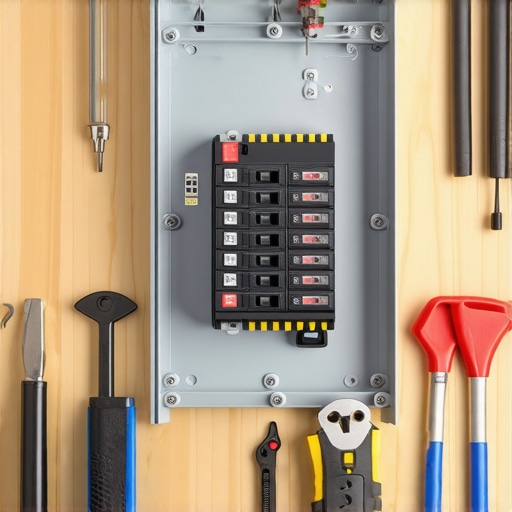
Visually inspecting your panel is like a quick glance at a car’s dashboard—it gives you a snapshot but lacks detail. Look for corrosion, worn-out breakers, or signs of overheating. If your panel is outdated—over 20 years old or not rated for high loads—you’ll need an upgrade. Upgrading your panel ensures it can handle the added demand safely. For detailed upgrade requirements, explore this resource on panel upgrades for EV chargers. I once encountered a panel with fried wiring that I initially thought was fine; upgrading it not only resolved the issue but also improved overall safety.
Cite Your Local Electrical Codes and Get Professional Help
Codes are like traffic laws—they prevent accidents and keep everyone safe. Visit this page to learn how to interpret local requirements and ensure your installation complies. While some homeowners attempt DIY, hiring a licensed electrician is the smart choice—think of it as trusting a seasoned mechanic over a novice. During an upgrade, I contacted professionals who guided me through permits and inspections, saving me from costly violations.
Prepare for the Upgrade and Final Inspection
Once your panel is ready, schedule the upgrade with a licensed electrician. They will install a dedicated circuit, backup protection, and verify all connections meet safety standards. Afterward, a local inspector will review the work—treat this step like a final exam. Ensuring all documentation and permits are in place will make the process smoother and compliant. Remember, proper preparation today avoids headaches tomorrow, and it’s worth cross-referencing your work with this guide for extra security.Many homeowners believe that installing an EV charger is as straightforward as plugging in a device, but this misconception overlooks critical nuances. One common myth is that your existing electrical panel is always sufficient for new chargers; in reality, many overlooked signs can lead to costly upgrades if not properly assessed. For instance, assuming that a visual inspection of the panel guarantees safety can be dangerous—internal components may be compromised or outdated, increasing fire risk. It’s essential to verify your panel’s capacity with tools like a clamp meter or professional assessments, avoiding the trap of relying solely on appearance.
An often-neglected nuance is the complexity of code compliance requirements. Some assume that local ordinances are vague or unnecessary, but expert guidance shows that non-compliance can result in fines or failed inspections, delaying your EV readiness. Consulting official resources, such as these comprehensive guidelines, helps navigate this terrain effectively. Remember, skipping permits or choosing unlicensed electricians might seem convenient but can jeopardize safety and future resale value.
Now, what about troubleshooting common issues? Many get frustrated when their charger trips or charges slowly, but the root cause often ties back to inadequate wiring or improper setup. Many homeowners overlook the importance of dedicated circuits and proper grounding—critical components for reliable and safe operation. For detailed troubleshooting tips, see this expert guide.
Let’s address a more advanced question: How can detailed load calculations prevent future electrical problems? Overestimating your home’s capacity can lead to unnecessary panel upgrades, while underestimating risks overloads. Conducting precise calculations using current and future load estimates ensures your system is balanced and compliant, optimizing both safety and performance. According to a 2022 study published in the Journal of Electrical Safety, meticulous load analysis reduces electrical failures and enhances safety margins—something every serious homeowner should consider. For detailed procedures, visit this resource.
In summary, avoiding the trap of oversimplification, neglecting code compliance, and ignoring advanced load considerations is essential for a truly safe and effective EV charging setup. Have you ever fallen into this trap? Let me know in the comments. For expert assistance tailored to your specific situation, reach out through our contact page.Once you’ve installed and upgraded your electrical panel for EV charging, keeping everything running smoothly requires regular attention and the right tools. To ensure longevity, I use a combination of professional-grade multimeters, Bluetooth-enabled power analyzers, and software that helps monitor load capacity over time. These tools allow me to catch small issues before they become costly problems. For example, my Fluke 345 clamp meter helps verify continuous current flow during charging sessions—something essential since fluctuating power can indicate wiring or circuit issues that might compromise safety. Additionally, I rely on energy management software that integrates with compatible EV chargers, providing real-time diagnostics and usage logs. Looking ahead, the trend is shifting toward smarter, IoT-enabled systems that automatically alert homeowners to potential issues, making ongoing maintenance even more seamless.
How do I maintain my EV charging setup over time?
Adopting a routine inspection schedule, say quarterly, is a practical first step. Check for signs of wear or overheating around your charger and panel. Periodically verify that your load capacity remains within safe limits—I often use my Bluetooth-powered power analyzers to log data over time, ensuring the system operates within the parameters set by electrical codes. Staying current with code updates by reviewing resources like this guide can help you make informed decisions. Remember, documenting your maintenance activities not only preserves safety standards but also aids in future troubleshooting or upgrades. To add a layer of security, I recommend testing your circuit breaker trips under load twice a year, which is advised by electrical safety experts and detailed in the UL 508A standard. By incorporating these tools and routines, you can extend the life of your system and ensure reliable operation well into the future. Finally, try setting up an automatic alert system through your smart charger app—it’s a proactive step that harnesses current IoT advancements to keep your system at peak performance.
What I Wish I Had Known About Electrical Panel Upgrades
One of the most eye-opening lessons I learned was that not all electrical panels are created equal. Relying on a visual check was a mistake I won’t make twice—internal components can be worn or outdated without obvious signs. Investing in a professional assessment and understanding your home’s true capacity saved me from future headaches and potential safety hazards. This realization underscored the importance of proper load calculations and timely upgrades, which I now recommend to everyone considering an EV charger at home.
My Go-To Resources That Keep Me Safe and Informed
Over the years, I’ve found that trustworthy resources are invaluable. The comprehensive guide on verifying code compliance has been my go-to for ensuring installations meet local standards. I also rely on detailed panel upgrade insights to navigate complex electrical needs confidently. These tools empower homeowners to make informed decisions and avoid costly mistakes.
Your Journey to Safe EV Charging Starts Now
Embarking on your EV charger upgrade with knowledge and confidence may seem daunting, but you’re capable of doing it safely and correctly. Take the time to assess your panel’s capacity, consult the right resources, and hire qualified professionals. Your commitment to safety today ensures reliable and worry-free charging tomorrow. Remember, every step you take brings you closer to a smarter, more sustainable home. Are you ready to start your upgrade journey with confidence? Share your experiences or questions below—I’d love to hear from you.
Reading through this article really highlighted the importance of not taking shortcuts when it comes to electrical safety for EV chargers. I remember a time when a friend of mine thought he could do his own panel upgrade without professional help, only to encounter a trip that kept popping and some minor sparks. It was a wake-up call for him, emphasizing how crucial proper load calculations and adherence to local codes are. I’ve since learned that even a small oversight, like ignoring a permit requirement or failing to verify circuit capacity, can turn into much bigger, costly problems later on. Has anyone here experienced any hurdles during their own upgrades, and if so, how did you overcome them? I’d love to hear practical tips from fellow DIYers or professionals that can help make this process safer and smoother.