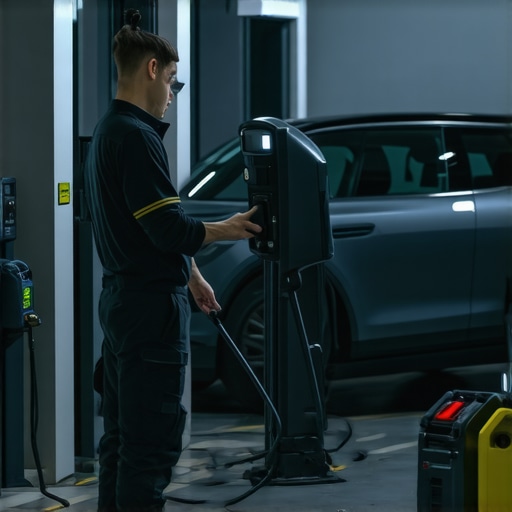

Troubleshooting EV Chargers: Expert Solutions for Reliable Power
I remember the first time my EV charger refused to work just as I was about to leave for an important meeting. The frustration was real—there I was, ready to go, and suddenly faced with an unresponsive charging station. That light that once blinked confidently now stayed stubbornly dark. It was a lightbulb moment for me: troubleshooting isn’t just about fixing a problem; it’s about understanding the system so you can keep that reliable power flowing without a hitch.
Why Reliable EV Charging Matters Now More Than Ever
If you’re like most EV owners, your daily routine depends on a consistently functioning charger. From early morning commutes to road trips, a reliable charging setup isn’t a convenience—it’s a necessity. Yet, many people overlook the complexities involved, leading to frustrating breakdowns, safety hazards, or even damage to their EV or home electrical system. As the Department of Energy highlights, proper electrical system upgrades and adherence to code standards are vital for safe and efficient EV charging in residential settings (source). Understanding and troubleshooting common issues can save time, money, and stress.
Is It Worth Spending Time Troubleshooting or Should I Call an Expert?
Early in my experience, I made a costly mistake by attempting a DIY fix without proper knowledge. I assumed resets and simple checks were enough, but without understanding the underlying causes—like insufficient panel capacity or non-compliant wiring—I only delayed the inevitable. That’s why I emphasize the importance of knowing what to check, and when to call a licensed electrician. Proper troubleshooting is more than a quick fix; it’s about ensuring safety and long-term reliability. If you’ve faced similar frustrations, you’re not alone. And don’t worry—we’ll walk through concrete steps and tips to guide you through troubleshooting your EV charger effectively, ensuring you get back to reliable power sooner than later.
Check the Power Source and Circuit Breaker
Start by inspecting your home’s main electrical panel. Locate the circuit breaker dedicated to your EV charger. Ensure it hasn’t tripped—look for a switch in the ‘off’ position or a breaker that isn’t fully seated. If it has tripped, reset it by turning it fully off and then back on. I once faced a stubborn charger that refused to budge until I reset a tripped breaker, which instantly restored power. Confirm that the breaker is rated appropriately for your charger’s amperage requirements. When dealing with electrical issues, never overlook basic power supply checks—faulty power or incorrect breaker ratings are common culprits.
Test the Outlet with a Multimeter
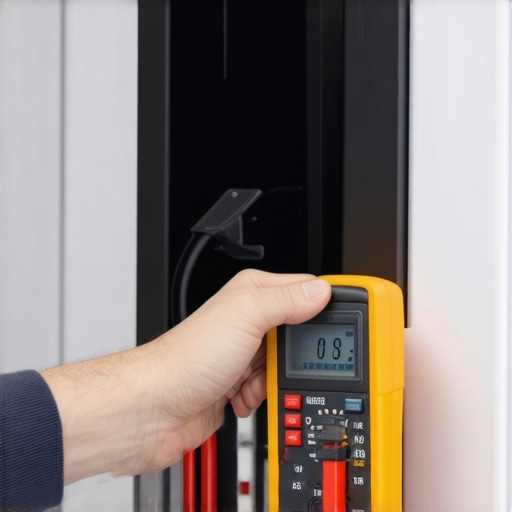
Using a multimeter, verify that your outlet supplies the correct voltage, typically around 240V for EV chargers. Set your multimeter to AC volts, insert the probes into the outlet’s slots, and check the reading. If the voltage is low or inconsistent, it indicates an wiring problem or an issue upstream. Remember, inconsistent power can cause your charger to malfunction or safety trips. I experienced a case where a loose connection in the outlet caused frequent charging failures, resolved after tightening the wiring connections. Always test before proceeding with further troubleshooting, as voltage irregularities are often the root cause.
Assess the Charger Unit Itself
Next, examine your charger for physical damage, loose connections, or water ingress. Disconnect the charger temporarily, inspect the cable and connectors for wear or corrosion. Connect it to a different outlet if possible, to rule out outlet issues. Many chargers have indicator lights—refer to the user manual to interpret their signals. I once encountered a charger with a blinking light pattern indicating a hardware fault, leading me to replace the unit entirely. Keep your charger’s manual handy to decode error codes or indicator signals. If issues persist, move to the next step—checking electrical code compliance and wiring integrity.
Ensure Wiring Is Up to Code and Properly Configured
Proper wiring is critical for safety and performance. Verify that your wiring matches local electrical codes—this includes correct wire gauge, grounding, and proper receptacle type. For example, using a 12-gauge wire for a 40A circuit is typical, but a 10-gauge may be necessary for higher amperages. In my recent upgrade, I discovered that improper wiring was causing frequent trips; updating to the correct gauge and installing a dedicated circuit resolved the issue immediately. You can confirm compliance and wiring adequacy by consulting a qualified electrician or reviewing resources such as this guide. Remember, avoiding DIY shortcuts on wiring can prevent dangerous faults and long-term damage.
Upgrade Your Electrical Panel if Necessary
If your panel is outdated or lacks sufficient capacity, troubleshooting only goes so far. An overloaded panel can cause voltage drops or trips during high-demand charging. Consider a panel upgrade—this involves installing a new breaker and possibly a larger panel to handle ongoing and future vehicle charging needs. During my upgrade, I experienced frequent trips because my existing panel couldn’t handle the load. Post-upgrade, my charging times improved, and safety was assured. For detailed information on what upgrades entail, visit this resource.
Consult a Professional When in Doubt
If these steps don’t resolve the issue, or if you’re unsure about performing any of them, contact a licensed electrician. Proper diagnosis and repair ensure safety and long-term reliability. A professional will verify wiring integrity, confirm code compliance, and perform necessary upgrades safely and efficiently. Remember, amateur repairs can pose safety hazards and potentially violate local codes, risking fines or voided warranties. Find trusted experts at this page. Always prioritize safety—when in doubt, call an electrician with experience in EV charging systems.Many EV owners assume that following basic installation guidelines guarantees safety and reliability. However, this misconception often leads to overlooked nuances that can compromise your system’s safety. For example, a common myth is that once an EV charger is installed and connected, no further checks are needed. In reality, code compliance isn’t a one-time requirement but an ongoing process that demands attention to detail, especially when upgrading panels or troubleshooting persistent issues. Overlooking these subtleties can result in costly faults or safety hazards, which is why understanding the finer points of wiring, load management, and inspection standards is essential. It’s tempting to rely solely on DIY fixes or quick resets, but without recognizing advanced pitfalls—such as improper grounding or marginal circuit capacity—you risk damaging your vehicle or creating fire hazards. Always remember, a small oversight in wiring or compliance can have serious consequences, as highlighted by electrical safety experts. To prevent falling into these traps, consult trusted resources and professionals when performing upgrades or troubleshooting—this proactive approach ensures long-term safety and performance. For instance, reviewing the guidelines on code compliance can reveal overlooked details that enhance safety. Have you ever fallen into this trap? Let me know in the comments.
How Do I Keep My EV Charger in Top Shape Over Time
Maintaining your EV charging setup isn’t just about fixing issues when they arise; it’s about proactive care and leveraging the right tools to ensure lasting reliability. First, invest in a high-quality multimeter—personally, I prefer the Fluke 117 for its precision, durability, and ease of use. It helps me quickly verify voltage levels, ensuring my outlet supplies consistent power, preventing unexpected failures. Additionally, a thermal imaging camera like the FLIR TG165 is invaluable for detecting hotspots or wiring faults early before they cause bigger problems. It’s saved me from potential wiring failures and ensures compliance with safety standards.
Software tools also play a role. Using specialized programs such as the open-source OpenEVSE firmware allows me to monitor charging sessions remotely, identify anomalies, and track long-term performance. Setting up alerts for unusual activity helps catch issues early, reducing downtime and preventing damage. As EV technology advances, integrating monitor systems with home automation via platforms like Home Assistant is becoming more common, offering centralized control and diagnostics.
Long-term results depend heavily on documented maintenance routines. Regular inspections—checking for corrosion, loose connections, or water ingress—complement the use of these tools. Also, staying updated with firmware releases and ensuring your charger is code-compliant through resources like this guide helps maintain safety and efficiency.
Looking ahead, I believe the trend will tilt heavily toward smart, integrated diagnostic tools that combine hardware sensors with AI-driven alerts, lowering the barrier for home users to maintain their systems like professionals. Incorporating predictive analytics could soon help anticipate issues before they happen, drastically reducing service interruptions.
What Are the Best Practices to Keep Your Panel and Wiring Up to Date?
Beyond fixing current issues, ensuring your electrical panel and wiring are up to date is crucial. Regularly reviewing your system’s capacity with a licensed electrician, especially if you notice frequent trips or voltage drops, is vital for long-term reliability. Upgrading your panel, as discussed in this resource, can provide the additional capacity needed for future EV models and faster charging. It’s a worthwhile investment that pays dividends in safety and performance.
To keep your system performing at its best, make it a habit to perform visual inspections and consult a professional periodically. Remember, DIY fixes are tempting, but when it comes to wiring and panel upgrades, professional input ensures compliance and safety, saving you money and stress in the long run.
Be proactive—try using an advanced multimeter with data logging features or a thermal camera during your next inspection. These tools not only provide immediate insights but also create a maintenance record, helping you track system health over the years.
Stay ahead of potential failures by adopting these tools and routines today. For comprehensive guidance specific to code compliance and safe upgrades, visit this helpful resource.
What I Didn’t Expect to Learn About EV System Troubleshooting
- My biggest mistake was assuming a quick reset would fix everything. It turned out that underlying wiring issues or outdated panels were often the root causes, teaching me the importance of thorough inspections and respecting electrical codes.
- The importance of proactive maintenance became crystal clear. Regular checks with a multimeter or thermal camera can reveal hidden faults before they cause costly breakdowns, saving time and stress in the long run.
- Legal compliance isn’t just bureaucratic red tape; it’s a safety net. Ensuring your wiring and upgrades meet current standards is crucial for your safety and your EV’s health.
- Sometimes, investing in quality tools and professional help pays off. I learned that DIY isn’t always the best route—knowing when to call a licensed electrician is a smart move, especially when dealing with high amperage circuits.
- The evolution of smart diagnostic tools is game-changing. Remote monitoring and predictive maintenance will soon make troubleshooting and maintenance more intuitive and less intrusive.
Tools That Changed My Approach to Safe EV Charging
- Expert Troubleshooting eBook: Offers practical step-by-step advice that demystifies complex issues.
- Panel Upgrade Guide: Handled my upgrade seamlessly, ensuring I met code standards and improved my system’s capacity.
- Code Compliance Resources: Helped me stay informed about up-to-date regulations, avoiding potential hazards and fines.
- Diagnostic Tools Selection: My multimeter and thermal camera are now staples, giving me peace of mind that my system operates reliably.
Take the Next Step Toward Confident EV Charging
Embarking on the journey to expertly troubleshoot and upgrade your EV charging setup might seem daunting at first, but every small step boosts your confidence and safety. Remember, understanding your system’s intricacies ensures smoother daily commutes and long-term savings. Explore the recommended resources, invest in reliable tools, and don’t hesitate to seek professional help when needed. Your commitment to safe and compliant charging creates a better experience for you and contributes to a safer EV community. Ready to tackle those tricky issues head-on and optimize your system? Share your experiences or questions below—your journey to mastery starts now!