I remember standing in the drizzle three years ago, staring at a beat-up 120V outlet on the side of our community clubhouse. My neighbor, Mrs. Gable, was tapping her foot because my Chevy Bolt was trickling juice at a snail’s pace, and she needed to plug in her leaf blower. It was awkward, inefficient, and honestly, a little embarrassing. That was my enough-is-enough moment. I realized that if we didn’t figure out a way to build a real community charging hub, our neighborhood was going to be stuck in the prehistoric age of automotive transport. You shouldn’t have to choose between a full battery and a good relationship with your neighbors.
Stop Fighting Over That One Dirty Garage Outlet
The problem is rarely the technology itself; it is the sheer intimidation of the price tag. Most people think putting in four or five Level 2 chargers is a million-dollar project that requires a second mortgage on every unit. I thought so too. In fact, my first attempt at a grant application was a total train wreck because I ignored the most common error on home ev charger rebate applications. I just filled out the forms with my eyes half-closed and expected a check to appear. It did not. I learned that local governments and utilities actually want to give you this money, but they need you to prove you know how to ensure code compliance when installing ev chargers. Today, we are going to fix that. I will show you how to stack incentives and navigate the maze of paperwork so you can build a hub that actually works. Have you ever been stuck in a charger standoff with a neighbor over a shared plug? I want to hear your horror stories.
Does the Government Really Hand Out Free Money for This?
It sounds like a late-night infomercial, but the funding is real. According to the U.S. Department of Energy, the Alternative Fuel Infrastructure Tax Credit can cover up to 30% of the cost for hardware and installation in specific areas. When you combine that with 7 utility rebates that pay for your charger installation costs, the out-of-pocket expense for a community often drops to almost nothing. However, the catch is in the details. You cannot just slap a charger on a wall and call it a day. I made the mistake of not realizing the specific permits required for multi-unit dwelling chargers are vastly different from a simple residential garage setup. If you do not have your ducks in a row regarding code compliance essentials for ev charger installations in 2025, your grant money will vanish faster than a Tesla in Ludicrous mode. We are going to look at why apartment complexes are choosing managed charging over individual meters to keep things fair and funded.
Stop Guessing and Audit Your Building Power
Before you even browse for hardware, you need to know if your building electrical heart can take the strain. Think of your main service panel like a single-lane bridge; you cannot force a convoy of semi-trucks across it all at once without something collapsing. I learned this the hard way when I tried to add a second station to our clubhouse without checking the total load. The main breaker did not just trip; it sang a low, ominous tune. If you have ever wondered why your main breaker hums when the ev is plugged in, it is usually because you are pushing the physical limits of the copper. You need to implement panel upgrade strategies to meet ev charging code requirements in 2025 before you start drilling holes. Knowing your capacity is the difference between a successful hub and a dark building.
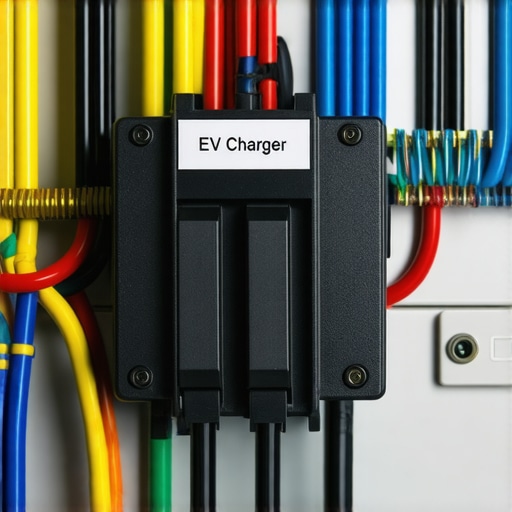
How We Squeezed Four Chargers onto One Small Panel
In our case, a full service upgrade was quoted at twelve thousand dollars. The community board laughed me out of the room. That is when I discovered the magic of load management. Instead of giving every car 40 amps of raw power, we used managed charging. It is like a smart waiter who distributes food to the hungriest people first. By learning how to load balance your home electrical system without a full panel swap, we shared a single 100-amp sub-panel among four stations. When only one car is plugged in, it gets the full firehose. When four plug in, they all get a steady, smaller sip. It is the smartest way to bypass expensive infrastructure overhauls while keeping everyone happy.
Pass Your Inspection Without a Second Visit
The fastest way to kill a project momentum is a Failed sticker from the city inspector. I remember my first solo install; I was so proud of the neat wiring until the inspector asked why my trench was only twelve inches deep. I had completely ignored the conduit depth rule that fails more garage inspections than anything else. It cost me two days of re-digging in the mud. To keep the city happy, you must understand how to verify code compliance for your ev charger installation before the drywall goes back up. This includes using the specific torque settings that prevent panel fires during high load charging. Hand-tightening with a standard screwdriver is not enough when you are pulling 48 amps for ten hours straight; you need a calibrated torque wrench or you are building a fire hazard. If you are struggling with tight infrastructure, look into how to use a 100 amp panel for ev charging without a costly upgrade to save the project budget and keep the lights on.
The Dangerous Convenience of the NEMA Plug
Most homeowners and property managers believe that installing a NEMA 14-50 outlet is the safest, most flexible bet for a community hub. After all, it is the industry standard, right? I used to think so until I saw a ‘heavy-duty’ outlet melt into a puddle of black goo after six months of daily use. Everyone says plugs are easier, but in my experience, the hardwired approach is the only way to sleep at night. A residential-grade outlet is often not designed for the punishing, continuous thermal load of an EV pulling 40 amps for ten hours straight. When you look at the benefit of a hardwired charger over a nema plug, you realize you are eliminating a massive point of failure. According to a study by the Electrical Safety Foundation International (ESFI), electrical distribution components not specifically rated for continuous high-amperage duty are significantly more prone to thermal fatigue. If you are building a hub that people rely on, skip the ‘dryer outlet’ and go for a permanent connection. Have you ever fallen into this trap where a ‘standard’ setup failed you? Let me know in the comments.
Why Your Advanced Safety Breaker Keeps Quitting on You
One of the most frustrating phone calls I get from neighbors involves ‘nuisance tripping.’ You have a brand-new charger and a brand-new GFCI breaker, yet the car stops charging at 2:00 AM for no reason. This usually happens because of a ‘double GFCI’ conflict. Most modern Level 2 chargers have built-in ground-fault protection. When you pair that with a GFCI breaker in the panel—which is often required by local code for outlets—the two systems can literally get into an argument, causing the breaker to pop. This is why the specific breaker brand that keeps tripping on level 2 chargers is such a hot topic in electrical forums. To fix this, you often need to look at upgrading your panel for better ev charging performance with components that are specifically compatible with EVSE (Electric Vehicle Supply Equipment) loads.
Spot the Hidden Heat Before the Smoke Starts
If you are managing a multi-car hub, you need to be obsessed with your termination points. I have seen panels where the installer used aluminum wire to save money but didn’t use the correct anti-oxidant paste or torque settings. Over time, that connection loosens, resistance builds, and you get a fire hazard. You must understand the hidden danger of loose neutral wires in your electrical panel, as they can cause voltage swings that fry your car’s expensive onboard inverter. Before you sign off on a project, why you should check your panel for double tapped breakers should be your first question to the electrician. Double-tapping is a lazy shortcut that leads to localized overheating. 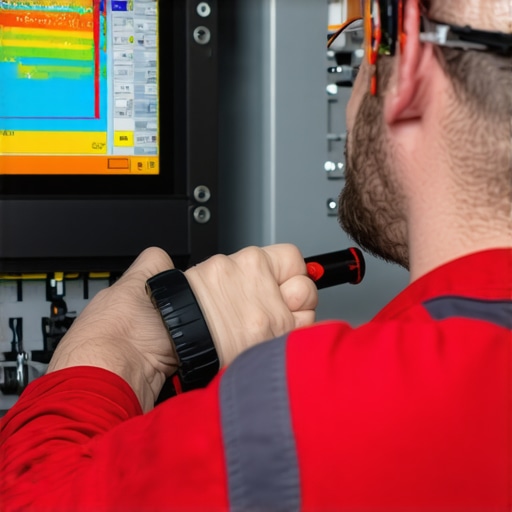
Is Your Smart Charger Actually Too Smart for Its Own Good?
We often pay a premium for ‘smart’ features, but in a community setting, the software is usually the first thing to break. I once spent three hours in the rain because a neighbor’s car wouldn’t release the cable—the ‘smart’ cloud server was down, and the handle was locked. Before you invest in high-tech features, understand the reason your smart charger app keeps losing connection. Often, it is a simple Wi-Fi range issue or a local IP conflict. If you can’t maintain a solid data link, your ‘managed charging’ plan will fall apart, and you’ll be back to square one. You also need to know how to spot a dangerous heat build up in your ev charging cable, because even the smartest software can’t always detect a physical pin failure in the handle. Keep it simple, keep it torqued, and always verify that your hardware is actually rated for the job you’re asking it to do.
Don’t Let Your Investment Rust Away
Building the hub is only the first half of the battle. If you think you can just walk away and let the electrons flow forever without a second look, you are in for a rude awakening. I have seen beautiful, expensive community setups turn into expensive wall art because of simple neglect. Maintenance is not just about keeping the plastic clean; it is about ensuring the internal connections stay tight and the software remains current. I make it a habit to perform a quarterly walkthrough, following the maintenance guide for commercial fleet charging stations even for our small four-unit setup. This proactive approach saves us thousands in emergency repair calls and keeps the neighborhood trust high.
How do I keep my community hub running for the next decade?
Consistency is your best friend here. Every six months, I personally check for firmware updates. You might be surprised to learn how to update your charger software without calling a technician, and it is usually as simple as a phone app sync or a USB stick. If you skip these, you risk running into troubleshooting ev chargers common compliance pitfalls and fixes that could have been avoided with a simple patch. Also, do not ignore the physical components. I always check the mounting brackets and the cable holsters for stress fractures. You should also know how to clean the pins on your charging handle safely to prevent arc-tracking, which is a silent killer of charging ports. One often overlooked task is the forgotten inspection step that voids your charger warranty: checking the internal terminal block for discoloration. If you see browning, you have a loose connection that is generating heat.
The Two Essential Tools in My Maintenance Bag
I do not go anywhere near our charging hub without my FLIR thermal camera and a high-quality torque wrench. Using a thermal camera allows me to see heat before it becomes smoke. I once caught a breaker that was running 40 degrees hotter than its neighbors just by scanning the panel while two cars were charging. This prevented a total shutdown and potentially a fire. If you are serious about ev charger troubleshooting expert tips for common issues, you need to see the invisible. According to the NFPA 70B (Standard for Electrical Equipment Maintenance), infrared thermography is a recommended practice for identifying high-resistance connections in electrical systems under load. I also recommend keeping a log of every session error. If you notice a pattern, you might need to look into how to upgrade your garage sub panel for dual charging stations to better distribute the load. 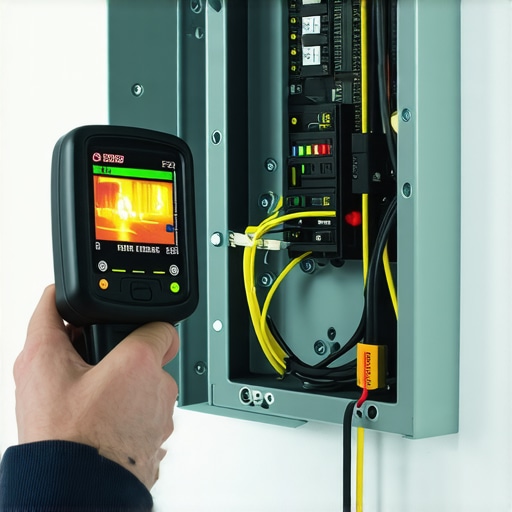
Where This Neighborhood Grid Is Heading
Looking ahead, the next five years are going to be wild. We are moving toward bidirectional charging, where our cars will not just take power from the clubhouse but actually feed it back during peak hours to lower the community’s overall utility bill. It is a massive shift in how we think about energy. To prepare for this, you should focus on ensuring code compliance when installing ev chargers today so your infrastructure is ready for the smart-grid upgrades of tomorrow. If you have not yet, I strongly encourage you to grab a cheap thermal leak detector or an infrared thermometer and scan your panel tonight while the car is charging. It is the single most effective way to spot a problem before it spots you. If you see anything over 140 degrees Fahrenheit, it is time to call a pro and tighten those lugs.
The Hardest Lessons I Learned Wiring Our Clubhouse
When we first started, I thought the technical stuff was the only hurdle. It wasn’t. It was the tiny details I missed because I was too focused on the finished product. First, never underestimate the value of a pre-inspection walk-through. I saved our neighborhood from a major headache by double-checking how to verify code compliance for your ev charger installation before the city official even stepped onto the property. Second, the social dynamics are as important as the copper wires. A community hub fails if it isn’t fair, which is why smart load management is a non-negotiable for shared spaces. Third, always buy equipment that is easy to service. If a proprietary part breaks and you can’t find a local replacement, that expensive station becomes a glorified mounting post.
My Essential Kit for a Reliable Neighborhood Grid
To keep our four-car hub humming, I rely on a few specific resources and tools. For a deeper dive into the hardware side, I always keep a copy of the latest NEC updates and review panel upgrades for ev chargers what you need to know to ensure we haven’t outgrown our supply. I personally trust a thermal imager for spotting high-resistance connections and a calibrated torque wrench to ensure every lug meets the manufacturer’s exact spec. These aren’t just gadgets; they are real-world insurance against fire hazards. If you’re looking for more advanced fixes on the fly, I highly recommend keeping a shortcut to ev charger troubleshooting expert tips for common issues on your phone for those unexpected weekend outages.
#IMAGE_PLACE_HOLDER_E#
Your Community is Ready for the Electric Shift
The transition to electric transport doesn’t have to be a source of stress or neighborhood feuds. By taking the lead and ensuring code compliance when installing ev chargers, you are building something that lasts. You’re creating a blueprint for other developments to follow. It takes a bit of paperwork and some careful planning, but seeing your neighbors charge up reliably is worth every minute of the effort. Don’t let the fear of technical jargon stop you; use the resources available, follow the guides for how to pass your electrical inspection on the first visit, and get those stations live. Have you ever had a neighbor offer to ‘help’ with the electrical work, only to realize they didn’t know a ground from a neutral? Let me know your close-call stories in the comments below!