I still remember the chilly Tuesday morning I walked out to my garage, steaming mug of coffee in hand, expecting a fully topped-off battery. Instead, I greeted a dashboard glowing with a measly 52% charge. My trusty Level 1 charger, which usually hummed along reliably overnight, had suddenly crawled to a snail’s pace. It felt like trying to fill a swimming pool with a cocktail straw. I was late for work, stressed, and completely baffled by why my charging speeds had suddenly cut in half without me changing a single setting.
The Overnight Slowdown That Ruins Your Morning
When your standard 120V outlet suddenly decides to trickle feed your car at half its normal speed, it is easy to assume your battery is dying. I made that exact mistake early on, panicked, and almost spent a small fortune on a diagnostic fee at the dealership. Luckily, I took a breath, grabbed my multimeter, and started investigating. What I discovered is that a sudden drop in Level 1 charging speed is rarely a dead car battery; instead, it is usually your home’s electrical infrastructure fighting a quiet, losing battle behind the drywall.
Today, we are going to unpack exactly why your standard wall plug is suddenly dragging its feet and how you can pinpoint the bottleneck before it leaves you stranded again. Often, these sneaky speed drops are early warnings of voltage drop or even serious thermal issues inside your electrical panel. If you are starting to suspect your home electrical setup just cannot keep up with your daily commute, it might be time to look into upgrading your panel for better ev charging performance.
Is my standard wall outlet actually safe for overnight charging?
It is easy to be skeptical. After all, you plug your phone, your toaster, and your vacuum into these same outlets without a second thought. But none of those household appliances pull a continuous, heavy electrical load for ten to twelve hours straight. Standard household outlets deteriorate over time. According to research by the National Fire Protection Association, continuous high-current loads on degraded or back-wired receptacles are a leading cause of localized electrical overheating. When an outlet gets hot, resistance skyrockets, causing a severe drop in voltage that forces your car’s onboard charger to throttle its intake to prevent a fire. If your charger detects this heat or the resulting voltage drop secret, it cuts your charging speed in half as a safety defense mechanism.
Have you ever walked out to your car in the morning only to find the green status light blinking a warning, or your dashboard showing half the range you expected? Let me know in the comments below! If you are tired of playing the guessing game with a standard wall plug, we can help you figure out the next step when you contact us to evaluate your home’s electrical capacity.
Diagnosing the Electrical Bottleneck in Your Garage
When my charging rate first plummeted, I did what most people do: I unplugged the cord, blew on the connector pins like an old Nintendo cartridge, and plugged it back in. Nothing changed. To actually solve this, you have to systematically rule out where the power is getting choked. Think of your home electrical system like a garden hose. If you pinch the hose at the spigot, the sprinkler at the end barely mists. In your garage, that pinch is usually high resistance causing a silent voltage drop. To find it, you need to test the circuit while it is actively drawing power, not when it is sitting idle.
I remember pulling out my digital multimeter on that cold Tuesday morning, determined to find the leak. With the car unplugged, the outlet read a healthy 121 volts. But the moment I plugged the car in and the charger kicked on, the reading at the receptacle face plummeted to 103 volts. That 18-volt drop was the smoking gun. If you want to replicate this diagnostic step safely, you can learn how to measure voltage drop during a peak charging session to see if your wiring is choking your current flow.
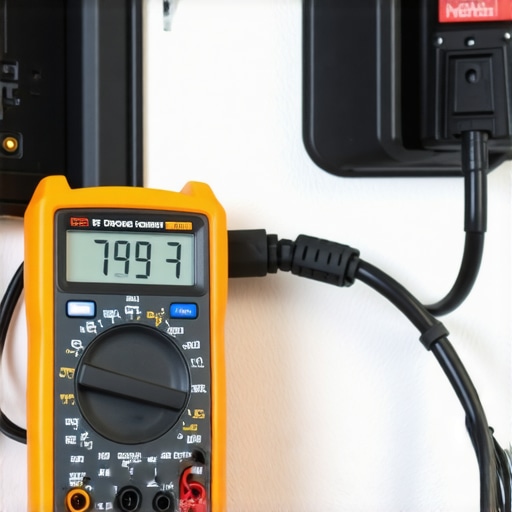
Inspect the Receptacle for Physical Degradation
Before you blame the car or the utility company, kill the breaker and pull the outlet out of its wall box. Look closely at the termination points on the back. Many builder-grade outlets use push-in back connections rather than secure side terminals. Over time, the constant, heavy draw of an EV charger heats those tiny spring clips, weakening their grip on the copper wire. This weak connection creates a high-resistance point that radiates heat. If you see discoloration on the plastic body, melted wire insulation, or warped screws, you have found your bottleneck. Replacing a cheap outlet with a heavy-duty, commercial-grade receptacle is the immediate fix here.
Calculate Your Total Service Load
Sometimes the issue is not a loose wire, but a panel that is simply maxed out. Your home’s main electrical panel has a finite capacity, usually 100 or 200 amps. If your car is charging at the same time your heat pump kicks on and someone starts the clothes dryer, the overall voltage in your home drops. Modern smart chargers detect this system-wide strain and automatically scale back their amperage to prevent tripping the main breaker. To see if your household demand is pushing your system to its absolute limit, you should learn how to read the load calculation your electrician sent you. This will help you understand if your current panel has the physical headroom to support sustained, high-amperage charging without throttling your speed.
Eliminate High-Resistance Extension Cords
If you are using any kind of extension cord between your wall outlet and your Level 1 charging brick, unplug it immediately. Standard outdoor extension cords are rarely rated for continuous heavy loads and suffer from severe voltage drop over their length. This resistance tricks your car’s sensitive onboard computer into thinking there is a utility grid issue, forcing it to drop the charging speed to its lowest safety setting to prevent a fire. Understanding the danger of using extension cords for your ev will save you from damaged charging equipment and frustratingly slow morning battery levels.
I used to think that electrical code compliance was just boring red tape meant to keep municipal inspectors employed. When I first started troubleshooting my declining charging speeds, I figured as long as my DIY wiring got the car charging, the job was done. That arrogance almost cost me my garage. The hard truth of EV charging is that what works perfectly fine for the first hour of a session can slowly degrade under continuous load, creating a silent hazard behind your drywall.
Why do most homeowners fail their garage inspections on the first attempt?
Many DIYers and cut-rate installers assume that if you size the wire gauge correctly, you are in the clear. But the National Fire Protection Association reports that termination failures, not undersized wires, are the leading cause of overheating in continuous-duty high-amperage circuits. In my experience, the biggest trap is overlooking the exact manufacturer torque specifications on terminal screws. If your connections are even slightly too loose, high resistance develops over months of overnight heat cycles. This is why learning the wire gauge mistake that fails 40 percent of inspections and ensuring correct torque values is so critical to getting certified on your first try.
The Critical Myth of the Simple Out-of-the-Box Swap
The most common contrarian view I hold is that you should almost never install a plug-in Level 2 charger. Everyone online tells you to just buy a NEMA 14-50 outlet and plug your charger in so you can easily take it with you if you move. In my experience, hardwired setups are vastly superior. Every plug-and-receptacle connection introduces an extra point of failure, especially with cheap, builder-grade outlets that simply cannot handle 32 to 40 amps of continuous pull. If you are debating between these two approaches, you should weigh the benefits by exploring how to choose between a hardwired or plug-in station.
Furthermore, swapping out a charger isn’t as simple as swapping a toaster. Local municipalities are cracking down on unpermitted electrical modifications because of the strain they place on neighborhood transformers. Many homeowners do not realize that even a straightforward replacement might require official approval. If you are planning a system change, you should read about why you need a permit for a simple charger swap before you start disconnecting wires.
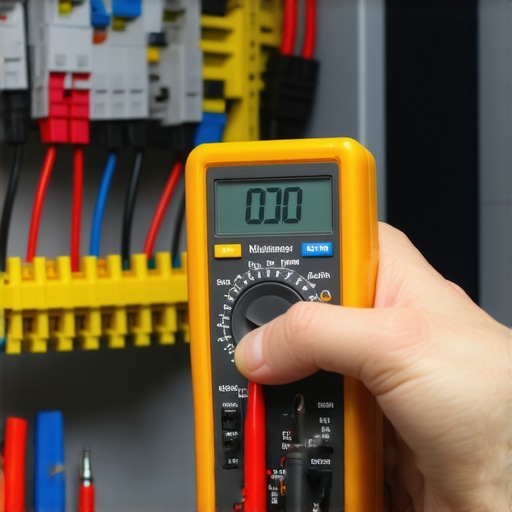
Avoid the Costly Panel Upgrades That Salesmen Push
If an electrician immediately tells you that you need a full 200-amp panel upgrade without conducting a proper 30-day load calculation, find another electrician. The “oops” factor here is spending thousands of dollars on physical service upgrades when smart technology can solve the problem for a fraction of the price. Modern smart energy management systems can dynamically balance the load, throttling your car’s charging speed only when your home’s total demand spikes. To learn how to bypass these unnecessary expenses, check out how load management modules prevent expensive panel upgrades.
Have you ever fallen into this trap or been pressured into a massive panel upgrade you didn’t actually need? Let me know in the comments below! If you want an honest, professional assessment of your current setup, feel free to contact us today.
How do I maintain my home EV charging station over time?
If you want to avoid future headaches, you need to realize that home charging systems are not ‘set and forget’ appliances. Every single month, your electrical system experiences thermal expansion and contraction from cycling heavy currents. To combat this, I personally use a digital infrared thermometer every six months to scan my panel while the car is pulling its maximum load. It takes two minutes. If I see a terminal screw running hotter than its neighbors, I know a loose connection is starting to form. By catching this early, you avoid having to deal with ev charger troubleshooting expert tips for common issues down the road when things actually melt.
For the physical charging plug, keeping the contacts clean is vital. I keep a dedicated can of electronic contact cleaner in my garage cabinet. A quick spray every few months prevents atmospheric oxidation from building up resistance inside the handle. If you do not maintain these contact points, you risk experiencing the frustration of how to clean your charger ports without damaging them after a heavy winter season. According to the manufacturer guidelines from Hubbell Wiring Device-Kellems, commercial-grade electrical contacts suffer a massive spike in resistance when exposed to even minor environmental contamination, making regular physical maintenance non-negotiable for system longevity.
My Personal Tool Arsenal for Safe High-Amperage Charging
You do not need a truck full of professional gear, but having two specific tools will save you thousands of dollars in diagnostic fees. First is a high-quality torque screwdriver. When you are tightening terminal screws on a heavy-duty breaker, hand-tightening with a standard screwdriver is a recipe for disaster. I always reference the exact inch-pounds specified on the side of the breaker housing. Skipping this step is the exact reason many DIY projects fail inspector approvals. If you are preparing for a system check, make sure you understand the details of the wire-gauge mistake that fails 40 percent of inspections before booking your local official.
The second tool is a smart energy monitor installed inside your main panel. These monitors hook around your main service lines and give you real-time data on your household demand. Instead of guessing if your panel is overloaded, the app tells you exactly how many amps you have left. This data is incredibly useful when you need to decide between standard setups or implementing panel upgrade strategies to meet ev charging code requirements in 2025.
Where the Smart Charging Trend is Heading
In the next few years, the standard static breaker will feel like ancient technology. We are rapidly moving toward fully dynamic, software-defined panels where your home automatically negotiates power limits with your vehicle based on grid prices and appliance usage. If you want to future-proof your setup today, focus on installing smart, network-connected equipment that supports local load shedding. I highly recommend trying one advanced tip this weekend: download your utility company’s hourly usage data and match your charger’s schedule precisely to your lowest off-peak rate window. If you run into issues getting your smart features online, you can walk through troubleshooting ev charger connectivity problems to ensure your system is communicating correctly with the grid.
When your Level 1 charging speeds crater, you now know that you do not need to panic. It is simply a physical or safety bottleneck hiding somewhere in your garage’s electrical architecture. By systematically checking your receptacle, verifying your circuit’s thermal limits, and ditching those risky extension cords, you can easily reclaim the fast, predictable overnight charging your routine relies on.
What Experts Won’t Tell You About EV Charging Code Compliance
Over years of diagnosing garage electrical systems, I have noticed three critical insights that the online DIY forums and hardware store salesmen constantly gloss over:
- Code compliance is not about bureaucratic red tape: It is actually about physical thermal management. The safety regulations in place are specifically designed to keep your home from catching fire during a sustained 12-hour continuous draw.
- Your panel’s labeling can lie: Just because a breaker is labeled 20 amps does not mean the wire behind the wall is rated for it. Always physically verify your conductor gauge before assuming your circuit is safe.
- The terminal torque makes or breaks the circuit: Loose connections expand and contract under load, turning tiny microscopic gaps into resistive heaters that throttle your vehicle’s charge rate.
If you want to ensure your installation stands up to both inspector scrutiny and physical wear, take a moment to learn how to verify code compliance for your ev charger installation.
My Essential Toolkit for Safer Home Power Diagnostics
You do not need to hire an expensive electrical contractor just to run basic health checks on your system. If you want to keep your garage safe, I highly recommend stocking these three diagnostic essentials in your cabinet:
1. A Digital Infrared Thermometer: This is the absolute fastest way to spot localized high resistance. Pop your panel cover off safely (or scan the outlet face) while your vehicle is drawing peak current. Any hot spot over 140°F indicates a terminal connection that needs immediate attention.
2. A Dedicated Torque Screwdriver: Never guess on screw tightness. Over-tightening can crush copper strands, while under-tightening causes high-resistance arcs. Using a calibrated tool to match terminal specs is how professionals ensure long-term safety.
3. A Reliable Digital Multimeter: Crucial for measuring active voltage drop under load. It helps you quickly determine if a speed issue is coming from your home wiring or from the utility company’s grid delivery.
If you have run these tests and suspect your current electrical service is simply overwhelmed by your vehicle’s demands, you can learn more about your options by reading about panel upgrades for ev chargers what you need to know.
Stop Guessing and Claim Your Fast Morning Range
You do not have to settle for unpredictable charging sessions or wake up to a half-empty battery. Taking control of your home’s electrical health is an empowering step that protects both your physical property and your vehicle’s longevity. By following these steps and ensuring your setup meets modern safety standards, you can enjoy fast, reliable charging every single morning.
If you are encountering stubborn electrical errors or suspect your main panel needs a professional hand to meet modern safety requirements, we are always here to help. Feel free to contact us today to evaluate your garage’s electrical system.
Have you ever experienced a sudden drop in your charging speed or had an outlet run warm to the touch? Let me know in the comments below!