I will never forget the chilly Tuesday morning I walked into my garage and saw my expensive charging cable hanging at a brutal, strained angle, the outer rubber jacket already beginning to pull away from the connector handle. I had spent weeks researching battery chemistry and tax credits, but when it came time to actually screw the charger to the wall, I just winged it. I mounted it at eye level because that felt natural for a wall-mounted gadget. I was dead wrong. Within weeks, the sheer weight of that heavy-gauge copper was winning a war against gravity, and I was staring at a potential short circuit. Today, I want to help you avoid my ‘eye-level’ blunder by finding the ergonomic sweet spot that keeps your cord healthy and your installation within the bounds of proper electrical standards.
Stop Fighting Your Charger Cable Every Single Morning
Most of us spend hours learning how to find the best spot in your garage for a Level 2 install, yet we completely ignore the physics of the cable itself. Those cords are thick, heavy, and incredibly stubborn, especially when the temperature drops. If you mount your unit too high, you are creating constant tension at the most vulnerable point: where the wire enters the handle. This is easily one of the most common DIY mistakes in home charger installations that I see in my neighborhood. I made the mistake of thinking ‘high is dry and safe,’ but I ended up with a cable that was constantly trying to pull itself out of the car’s port. This tension does not just look bad; it can lead to internal wire fatigue or even heat buildup at the connection points. You want enough slack so the cable hangs in a relaxed ‘U’ shape, never a tight ‘V’.
Does a few inches of mounting height really matter for safety?
You might think I am being a bit of a garage perfectionist, but the industry experts agree that placement is a safety issue. According to the National Electrical Code (NEC) Article 625, indoor chargers should generally be mounted between 18 and 48 inches from the floor to ensure they are accessible but protected. If you go too high, you are fighting the cable’s natural bend radius; go too low, and you risk tripping over the cord or hitting the unit with your car door. Beyond the safety rules, a strained cable can actually warp the internal pins over time. If you have ever had to research how to stop your charger handle from sticking in the port, there is a high chance that poor mounting height and subsequent cord strain were the hidden culprits. Have you ever noticed your charging cable feeling unusually warm or looking like it is being stretched to its limit? It is a sign that your wall unit is in the wrong place. We need to look at how your specific car sits in the garage to find the height that makes plugging in feel like a breeze rather than a wrestling match.
Measure Your Car Port Height Before You Drill
To get this right, you need to treat your charger like a gas pump handle—it needs to reach without being stretched. Start by parking your car in its forever spot. Pull the cable out and see where it naturally wants to land. Last summer, I helped a neighbor, Mike, install his unit. He had a low-slung sedan and a lifted truck sharing the same wall. We originally thought about mounting two units, but instead, we found a height that allowed the cable to drape over the truck bed or reach the sedan’s rear port without dragging on the floor. It took three tries to find that no-tension zone. This is a crucial part of how to verify code compliance for your ev charger installation while ensuring the setup is actually usable. If you are mounting a 60-amp unit, remember that the wire is significantly stiffer. I learned the hard way that a 4-gauge wire does not bend like a garden hose; it is more like a frozen piece of rebar. When you calculate your mounting height, you must account for the stiffness of the exact gauge of wire you need for a 60 amp circuit or you will find yourself fighting the conduit every step of the way.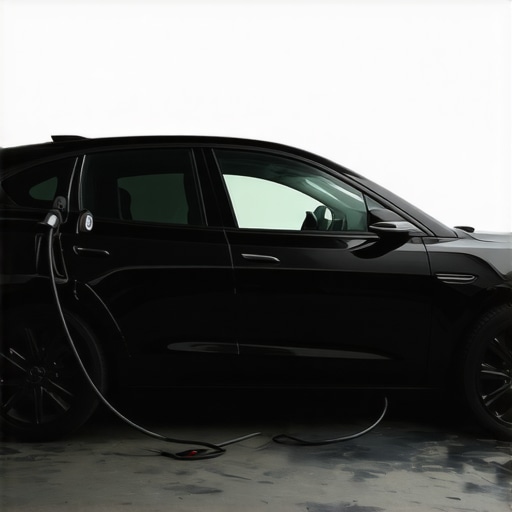
Keep the Cable Off the Dirty Garage Floor
The goal is to have the cable hang in a clean loop that never touches the concrete. Dirt, oil, and road salt on your garage floor will eventually eat through the cable jacket or get transferred into your charging port. Aim for a mounting height of 42 to 48 inches for the main unit. This puts the holster at a height where you can grab it without bending over, yet keeps the ‘U’ loop of the cable about six inches off the ground. When I was first starting out, I mounted a unit at 60 inches to keep it away from kids. The result? The heavy cable pulled so hard on the internal terminals that it caused a minor arc. To prevent this, you must use a torque wrench to meet the specific torque settings that prevent panel fires during high load charging. Hand-tightening just does not cut it when you have the constant physical vibration of plugging and unplugging every single day.
Don’t Ignore the Hidden Electrical Guts
Before you finalize the height, check the internal wiring one last time. Cheap or unverified cables can be a disaster waiting to happen. It is vital to know how to spot a counterfeit charging cable before it melts your port, especially if you bought a third-party unit online. Once you have the unit on the wall, look at the wire entry point. If the wire enters from the bottom, ensure you have a ‘drip loop’ so any moisture runs off the wire rather than into the electronics. Also, pay attention to the thickness. Using undersized wire is a recipe for disaster; the common wire sizing error that causes voltage drops during charging often stems from people trying to save twenty dollars on copper while installing a thousand-dollar charger. Think of it like trying to fill a swimming pool through a cocktail straw; the friction creates heat, and heat is the enemy of your home’s electrical panel. By following ensuring code compliance when installing ev chargers, you are not just checking a box for the inspector—you are ensuring your garage doesn’t become a hazard while you sleep upstairs.Beyond the physical mounting height, the biggest misconception I hear in the garage is that every Level 2 install requires a massive service change. Contractors often push for a $3,000 price tag to swap your panel, but in my experience, how to load balance your home electrical system without a full panel swap is frequently a much more efficient path. Most homeowners assume that if their breaker box is full, they are out of luck. However, by using smart load-shedding devices, you can prioritize your air conditioner or electric dryer and only feed the charger when the rest of the house is sleeping. It is a sophisticated nuance that separates a standard install from the truly clever panel upgrade strategies to meet ev charging code requirements in 2025.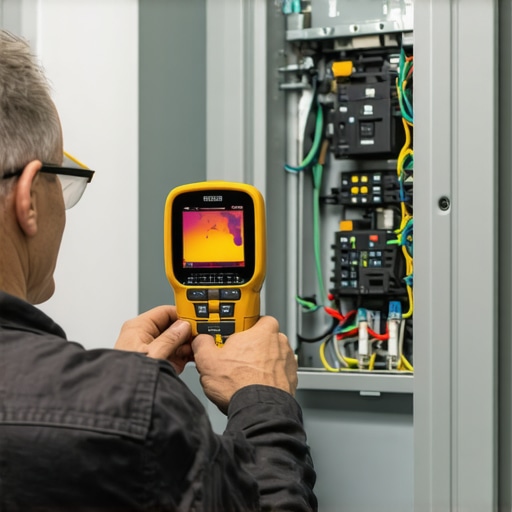
The Silent Killer Hiding Inside Your Breaker Box
There is an even sneakier ‘oops’ factor that most DIYers and even some pros miss: the specific brand and age of the breaker itself. I once spent three days troubleshooting ev charger connectivity problems only to realize the issue was not the WiFi or the car. It was an aging, low-quality breaker that was introducing electrical ‘noise’ into the line, confusing the charger’s internal sensors. If you are noticing that the specific breaker brand that keeps tripping on level 2 chargers is the one currently in your wall, you are fighting a losing battle against physics. This is why ev charger troubleshooting expert tips for common issues always suggest checking the physical breaker temperature before looking at the software.
Can your 100-amp panel actually survive a nightly 48-amp draw?
The short answer is yes, but the math must be flawless. The Electrical Safety Foundation (ESFI) reports that nearly 51,000 home fires annually are caused by electrical malfunctions, often tied to overloaded circuits running at high capacity for hours on end. When you charge an EV, you are running a ‘continuous load,’ meaning your system is under maximum stress for six to ten hours straight. This is where code compliance essentials for ev charger installations in 2025 become your best friend rather than a bureaucratic hurdle. You must perform a formal load calculation. If you skip this step, you might start noticing 3 signs your main breaker is running dangerously hot during overnight charging, which is a massive red flag. Have you ever fallen into the trap of thinking a full panel upgrade was your only option? Let me know in the comments. If you are still on the fence about your capacity, learning how to calculate if your 100 amp service can handle a daily commute is the first real step toward a safe, long-term setup.Beyond the physical installation, the real secret to a trouble-free EV experience is the long-term maintenance that most people ignore. I’ve seen $800 units become expensive wall decorations because owners didn’t realize that high-voltage connections degrade under constant thermal stress. I always keep a can of specialized electronic contact cleaner in my garage. It is the single best way to prevent the oxidation that leads to resistance. If you are curious about how to clean the pins on your charging handle safely, remember that you should never use water or household detergents. A quick blast of non-conductive cleaner every six months keeps the connectivity crisp and prevents that annoying ‘charging interrupted’ notification from popping up on your phone at 3 AM.
Give Your Pins a Quick Scrub
I’ve noticed that many of my friends treat their charger like a ‘set it and forget it’ appliance. But your charging handle is exposed to humidity, dust, and spider webs. If you notice your car’s port flashing amber, don’t panic immediately. Often, it’s just debris. Checking the pins for discoloration is one of the most effective ev charger troubleshooting expert tips for common issues. If the metal looks scorched or dark, you’ve got a high-resistance connection that needs professional eyes. This is especially true if you are managing 3 maintenance tasks that keep your outdoor charger running through winter, where salt and ice can wreak havoc on exposed terminals.
How do I maintain my home charging setup over time?
Consistency is key. Every quarter, I perform a ‘thermal walk-through.’ While the car is charging at full speed, I use a cheap $20 infrared thermometer to scan the face of the circuit breaker and the wall unit. If I see anything over 140°F (60°C), I know something is loose. According to the NFPA 70B Standard for Electrical Equipment Maintenance, regular thermal inspections can identify over 90% of potential electrical failures before they result in a fire. I also take ten minutes to ensure I know how to update your charger software without calling a technician. Manufacturers frequently push ‘over-the-air’ updates that improve thermal management or fix communication bugs with new car models. 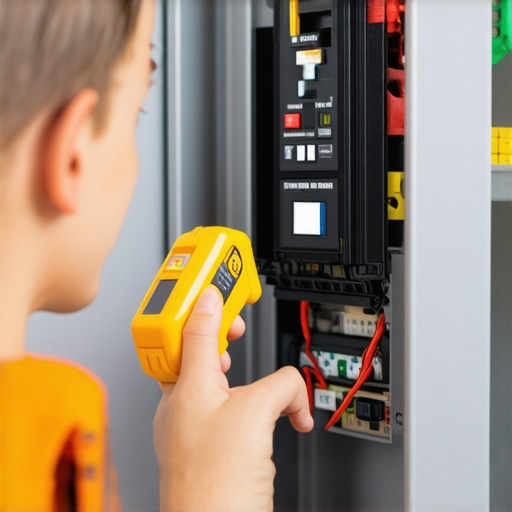
Watch the Heat with an Infrared Gun
If you want to be truly proactive, you need to learn how to spot a dying breaker before it shuts down your charging session. Breakers don’t usually fail instantly; they hum, they smell like ozone, or they run hot for weeks before the final trip. I recommend keeping a log of your typical operating temperatures. It might sound overkill, but when you’re pulling 40+ amps for eight hours straight, ‘overkill’ is just another word for ‘peace of mind.’ This kind of diligence is why troubleshooting ev chargers common compliance pitfalls and fixes often starts with the physical health of the hardware rather than the software.
Software Updates Are Not Just for Your Phone
As we look toward the future, home charging is shifting from simple ‘power delivery’ to ‘grid integration.’ We are moving toward a world where your car will actually feed power back into your house during a blackout. This ‘V2H’ (Vehicle-to-Home) technology is the next big frontier. To prepare for this, your current installation needs to be robust. If you’ve been putting off upgrading your panel for better ev charging performance, you might find yourself locked out of these future features. The trend is moving away from basic chargers toward smart hubs that manage solar, battery storage, and EV charging in one ecosystem. If you haven’t already, I strongly encourage you to try one advanced tip today: grab an infrared thermometer and check your breaker temperature during a peak charging session. If it’s significantly hotter than the breakers around it, contact us to get a professional evaluation before the heat does permanent damage.
The Hard-Won Secrets of a Two-EV Garage
After years of plugging in, I’ve realized that the ‘perfect’ install is less about aesthetics and more about heat management. One lightbulb moment for me was realizing that a stiff 4-gauge wire doesn’t just resist bending; it actually exerts physical leverage on your internal breaker connections. If you do not use the specific torque settings that prevent panel fires during high load charging, that leverage eventually creates a loose connection that builds resistance. Another myth is that you always need a new panel; often, knowing how to load balance your home electrical system without a full panel swap is the real secret to saving thousands while staying safe and functional.
The Essential Kit for Every New EV Owner
I do not just rely on the charger’s app to tell me everything is okay. For true peace of mind, I recommend keeping a few specific tools in your garage. First, a simple infrared thermometer—it is the only way to catch 3 signs your main breaker is running dangerously hot during overnight charging before they become fires. Second, a high-quality electrical contact cleaner to keep your port pins free of oxidation. Finally, I always keep a digital copy of code compliance essentials for ev charger installations in 2025 on my phone. These resources ensure you are not just guessing when a red light starts flashing on your unit.
The Future of Your Garage Starts Today
Setting up your charging station correctly is about more than just convenience; it is about building a foundation for a high-tech home. When you take the time to how to verify code compliance for your ev charger installation and monitor your system’s health, you are protecting your largest investment. If you ever feel overwhelmed by the technicalities or find yourself troubleshooting ev chargers common compliance pitfalls and fixes, do not hesitate to reach out for a professional second opinion. If you want to make sure your home is ready for the next decade of electric travel, contact us today to review your setup. Have you noticed your charging cable or breaker getting warmer than usual during a long session? Let me know in the comments below!