I smelled it before I saw it. That sharp, ozone-heavy scent that tells every homeowner something is very, very wrong behind the drywall. It was late 2019, and I had just finished what I thought was a clever budget-friendly install of my first Level 2 charger. I had reused an old aluminum circuit that once powered a heavy-duty welder in my workshop. Ten minutes into the first charging session, the breaker hummed like a disturbed beehive, and the smell of melting insulation began to drift through the garage. I had made the classic amateur mistake: I treated a high-load, continuous EV charging circuit like any other household appliance. It is not. If you are standing in your garage right now, staring at a coil of thick silver wire and wondering if you can save a few hundred bucks over copper, I need you to put the wire strippers down for a second. We are going to talk about why the metal you choose for your high-load circuits is the difference between a cool, efficient charge and a midnight call to the fire department. I will show you how to navigate the [panel upgrades for EV chargers](https://brightsparkzelectric.com/panel-upgrades-for-ev-chargers-what-you-need-to-know) without sacrificing safety for a few dollars.
Why Copper Still Wins the Heavy Lifting Contest
I have spent plenty of nights [troubleshooting EV charger connectivity problems](https://brightsparkzelectric.com/troubleshooting-ev-charger-connectivity-problems), but the real danger isn’t a dropped Wi-Fi signal; it is the physical connection at the lug. Copper is less brittle and expands far less under heat than aluminum does. When you are pulling 40 or 48 amps for eight hours straight, that thermal cycling causes aluminum to expand and contract significantly. If you have not accounted for this with specific terminal ratings, those connections loosen over time, creating high resistance and fire-starting heat levels. I learned this the hard way when I found my [main breaker running dangerously hot](https://brightsparkzelectric.com/3-signs-your-main-breaker-is-running-dangerously-hot-during-overnight-charging) during an overnight session. The Copper Development Association notes that copper has the highest electrical conductivity of any non-precious metal, making it roughly 60% more efficient than aluminum for the same cross-sectional area, which is vital when space in your conduit is tight.
Is Aluminum Wiring Actually a Fire Hazard?
The skepticism is fair. You will hear folks say that the power lines on the street are aluminum, so why can’t your garage be? The truth is, aluminum can be safe, but it is incredibly unforgiving. Unlike copper, which is a set-it-and-forget-it metal, aluminum requires specific anti-oxidant pastes and very precise torque settings to prevent oxidation at the contact points. One minor slip-up when determining the [exact gauge of wire you need for a 60-amp circuit](https://brightsparkzelectric.com/the-exact-gauge-of-wire-you-need-for-a-60-amp-circuit) and you have created a ticking clock. I want to help you avoid the expensive mistake of having to rip out your drywall twice because you skimped on the initial materials. Have you ever opened your electrical panel and felt a wave of heat, or heard a strange clicking when your car starts charging? Let me know in the comments, because catching those [common wire sizing errors](https://brightsparkzelectric.com/3-common-wire-sizing-errors-that-melt-breakers-during-long-charging-sessions) early is the only way to stay safe.
Stop Guessing if Your Panel Can Handle the Load
Think of your electrical panel like a highway. During the day, cars (your lights, TV, and fridge) move in and out freely. But when you plug in an EV at night, it is like a massive semi-truck merging into traffic and staying there for eight hours. Before you even touch a wire, you have to determine if that semi-truck will cause a massive pile-up. I always tell friends that knowing how to calculate if your 100-amp service can handle a daily commute is the first step to staying within safety margins. If your total load exceeds 80% of your main breaker’s capacity for more than three hours, you are flirting with a thermal trip.
Copper is the Insurance Policy You Cannot Afford to Skip
While aluminum is cheaper, copper is the king of consistency. In my years of tinkering, I have seen far too many aluminum connections fail because the installer did not use the right antioxidant paste or skipped the wire brushing. When you use copper, you are getting a metal that handles the ‘thump’ of a 48-amp draw without the dramatic thermal expansion that plagues aluminum. This is a critical part of upgrading your panel for better EV charging performance. If you are pulling #6 AWG copper for a 60-amp breaker, you have a buffer. If you do the same with aluminum, you are right on the edge of the thermal limit once the garage hits 90 degrees in July.
Tighten Every Lug Like Your Garage Depends on It
Precision is the difference between a successful install and a melted breaker. Back in 2021, I was rushing an install for a neighbor. I hand-tightened the lugs on his new 50-amp breaker and thought, ‘That feels about right.’ Two months later, he called me because his charger was throwing a ground fault error. When I opened the panel, the insulation on the hot wire was bubbling. The lug had loosened just a fraction of a millimeter due to heat cycles. Now, I never touch a panel without a calibrated torque wrench. Checking the manufacturer’s specs—usually between 25 to 45 inch-pounds—is vital for ensuring code compliance when installing EV chargers. A loose connection creates resistance, resistance creates heat, and heat creates fires.
Clear the Clutter to Avoid Inspection Failure
It is not just about what is inside the panel, but how much room you have around it. I have seen perfectly wired systems get rejected because the homeowner built a shelving unit right in front of the service entrance. This is the working space violation that fails more EV panel inspections than anything else. You need a 30-inch wide, 36-inch deep, and 78-inch high clear zone. If you have to squeeze past a lawnmower to flip your breaker, you are not just failing a code check; you are creating a hazard during an emergency. Make sure your conduit runs are straight and secured every few feet to avoid the dreaded ‘spaghetti’ look that makes inspectors look closer at your work than they otherwise would.
The 200-Amp Myth That Could Fry Your Busbar
Let’s dig deeper into the nuances that usually only surface after the inspector has left and you are staring at a ‘Fault’ light at 2 AM. Most homeowners assume that if their main breaker is rated for 200 amps, they have an unlimited buffet of power. That is the first big mistake. In my experience, it is not the total amperage that kills a panel; it is the lack of phase balance. If your EV charger is on the same ‘leg’ of the panel as your electric oven and your dryer, you are creating an internal heat pocket that can warp the busbar even if you never hit that 200-amp limit. I have seen this lead to [troubleshooting EV chargers’ common compliance pitfalls and fixes](https://brightsparkzelectric.com/troubleshooting-ev-chargers-common-compliance-pitfalls-and-fixes) more times than I can count. You have to learn [how to balance your household loads to avoid tripping the main breaker](https://brightsparkzelectric.com/how-to-balance-your-household-loads-to-avoid-tripping-the-main-breaker) to ensure the heat is distributed evenly across both phases of your service. 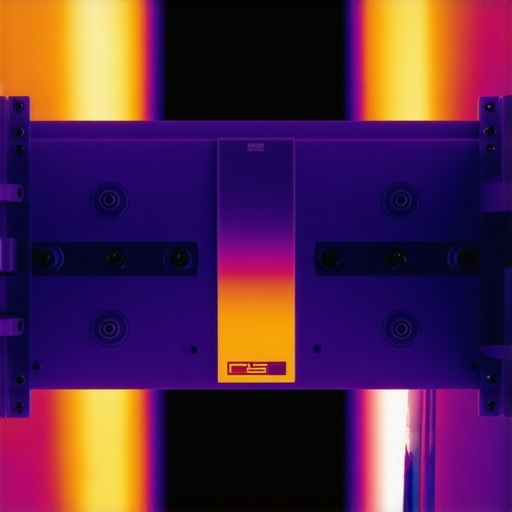
Why Does Your GFCI Breaker Trip Even When There Is No Ground Fault?
This is the ‘nuisance trip’ nightmare. Many newer chargers have built-in ground-fault protection. When you pair that with a code-mandated GFCI breaker in your panel, the two systems can actually ‘fight’ each other. According to a study by the *Electric Power Research Institute (EPRI)*, these dual-protection setups can cause intermittent outages because high-frequency noise from the car’s inverter interacts with the breaker’s sensitive sensors. This is a classic example of [ensuring code compliance when installing EV chargers](https://brightsparkzelectric.com/ensuring-code-compliance-when-installing-ev-chargers) but failing the ‘real-world usability’ test. If you are stuck in this loop, you might need to look at [ev charger troubleshooting expert tips for common issues](https://brightsparkzelectric.com/ev-charger-troubleshooting-expert-tips-for-common-issues) before you start replacing expensive hardware.
Industrial Breakers vs. Big Box Bargains
The biggest trap I see is the ‘cheap breaker’ gamble. Not all 60-amp breakers are created equal. Some residential-grade breakers are simply not designed for the 100% duty cycle that an EV requires. This often results in a ‘ghost trip’—where the breaker trips not because of an overcurrent, but because the heat from its own internal components exceeds its rating. I have a list of [the specific breaker brand that keeps tripping on Level 2 chargers](https://brightsparkzelectric.com/the-specific-breaker-brand-that-keeps-tripping-on-level-2-chargers), and swapping it for a heavy-duty alternative is a key part of [panel upgrade strategies to meet EV charging code requirements in 2025](https://brightsparkzelectric.com/panel-upgrade-strategies-to-meet-ev-charging-code-requirements-in-2025). Before you commit to a full service change, you should [how to verify code compliance for your EV charger installation](https://brightsparkzelectric.com/how-to-verify-code-compliance-for-your-ev-charger-installation) by checking the thermal ratings of your existing equipment. Have you ever fallen into this trap where you followed the code but the charger still failed? Let me know in the comments.If you really want to sleep soundly while your car gulps down electricity at 3 AM, you need to stop relying on your sense of smell. I personally swear by my Fluke thermal imaging camera for peace of mind. Every six months, I pop the cover off my panel while the car is charging at full blast. I am looking for ‘hot spots’—those bright purple and white flares on the screen that indicate a high-resistance connection. The NFPA 70B Standard for Electrical Equipment Maintenance recently transitioned from a recommended practice to a mandatory standard for many industries, and for good reason: infrared thermography catches failures before they become catastrophes. You do not need a $2,000 rig; even a basic infrared thermometer can tell you if a breaker is hitting 150°F, which is a clear sign you have got a problem. This is a level of how to upgrade your garage sub-panel for dual charging stations that goes beyond just bolting hardware to the wall.
How do I keep my charging setup running safely for years?
The secret is not a one-time install; it is a routine. I treat my home setup with the same rigor found in the maintenance guide for commercial fleet charging stations. First, check your firmware. Most people forget that modern chargers are basically computers with high-voltage relays. Learning how to update your charger software without calling a technician can fix ‘handshake’ bugs that cause charging to stop mid-session. Second, look at the physical port. Dust, spider webs, or oxidation on the pins can increase resistance. I use a can of compressed air and a non-conductive contact cleaner to keep things pristine, making sure I know how to clean the pins on your charging handle safely without bending the delicate connectors. If you notice why your charging cable gets warm and when you should actually worry, it is usually time to check those pins or the internal wiring of the handle itself.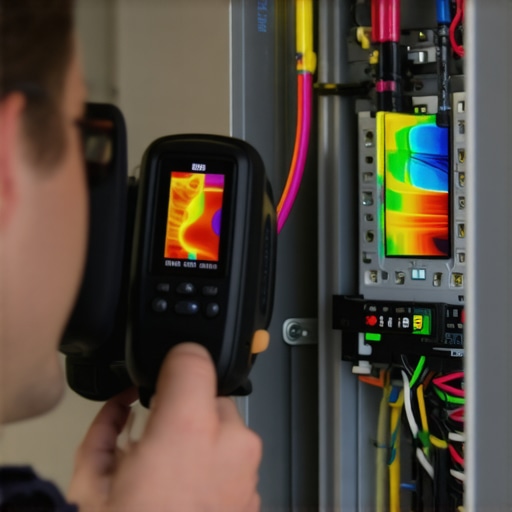
The Shift Toward Dynamic Load Shedding
Looking ahead, the days of just ‘adding a bigger breaker’ are ending. We are moving toward a world of intelligent energy management. Instead of a $5,000 service upgrade, we are seeing ‘smart’ panels that can automatically pause the EV charger if the AC and the clothes dryer both kick on at the same time. This is the ultimate way of how to load balance your home electrical system without a full panel swap. It is efficient, code-compliant, and significantly cheaper than digging up your front yard to run new utility lines. My advanced tip for you this week: Buy an inexpensive infrared thermometer (the ‘point and shoot’ kind) and check your EV breaker’s temperature after it has been charging for two hours. If it is over 140°F, you need to tighten those lugs or call a pro before things get melty.
Hard Lessons I Learned After One Too Many Melted Lugs
Electricity is invisible until it is not. One of my biggest lightbulb moments was realizing that over-engineering is not just about bigger wires; it is about better connections. I used to think a 100-amp panel was plenty, but after learning how to verify code compliance for your EV charger installation, I realized my load balance was a mess. Here are a few things I will never skip again. First, never trust a ‘hand-tightened’ lug; use a torque wrench to meet the exact specs of the manufacturer. Second, heat is the enemy, and physical space in the panel is your best defense against ‘ghost trips.’ Third, labeling your breakers correctly is the first step in troubleshooting EV charger connectivity problems because if you cannot identify the circuit, you cannot fix it safely.
My Personal Tech Stack for a Safe Setup
You do not need a professional lab to keep your home safe, but you do need a few key pieces of gear. I personally swear by my digital torque wrench—it is the only way to be 100% sure you are following the code compliance essentials for EV charger installations in 2025. I also keep a cheap infrared thermometer in my toolbox. Checking the temperature of your breaker while the car is pulling 48 amps tells you more than any visual inspection ever could. Finally, I always have a tube of antioxidant paste handy for those moments when I have to work with legacy aluminum circuits in older workshops. #IMAGE_PLACEHOLDER_E#
Build a Setup That Grows With Your Driveway
The goal is not just to get through today’s charging session; it is to build a system that works for your next three cars. When you invest in high-quality materials and professional panel upgrades for EV chargers, you are buying peace of mind. Do not be afraid to pull the trigger on copper or a slightly larger sub-panel now; you will thank yourself five years from now when you are not staring at a charred busbar in the middle of the night. Stay safe, stay curious, and keep that charger humming.
Have you ever found a loose wire or a hot breaker that gave you a scare? Let me know in the comments below!