I’ll never forget the feeling of staring at a $2,400 quote for a ‘simple’ home charger installation. I had just signed the papers for my dream car, and suddenly, my bank account was staring down the barrel of a major electrical project I hadn’t budgeted for. I felt like a complete amateur. I had spent months comparing battery capacities and torque specs, yet I completely ignored the fact that my 1970s electrical panel looked like a science experiment gone wrong. I nearly pulled the plug on the whole thing right then and there. I was sitting in my garage, looking at the tiny 100-amp service, realizing I didn’t even have enough space for a new breaker. It was a visceral moment of total panic. I spent three hours on the phone with a utility rep who didn’t know an amp from an onion, and I almost gave up. But then I found a hidden rebate portal, and everything changed.
Stop Paying Full Price for Your Home Charging Setup
That feeling of sticker shock is something I hear from my neighbors every single week. We’re told EVs save us money, but nobody mentions the upfront cost of the juice. Here’s the secret I learned the hard way: your utility company is actually desperate for you to charge at home, and they are willing to write you a check to make it happen. Today, I’m going to walk you through the seven utility rebates that can effectively erase your installation costs. We’re going to fix the mistake I made—which was failing to read the fine print on rebate applications before buying my equipment—so you can keep that cash in your pocket. Whether you need a full electrical panel upgrade or just a dedicated circuit, there is almost certainly money sitting on the table. Have you actually checked your last electric bill for ‘EV-specific’ programs yet? If not, you’re likely leaving a thousand dollars or more behind.
Is This Rebate Stuff Actually Worth the Paperwork?
I get it. You’re skeptical. Most ‘government’ or ‘utility’ programs feel like a maze of red tape designed to make you give up. I thought the same thing until I saw a friend get a $1,200 check back just for installing a specific brand of smart charger. According to the U.S. Department of Energy, federal and local incentives can often cover up to 30% of the cost of hardware and installation, but many people miss out because they don’t know how to claim a residential rebate correctly. The reality is that utilities want to manage the load on the grid. By giving you a rebate for a ‘smart’ charger, they gain the ability to incentivize you to charge when the sun is down and demand is low. It’s a win-win, but only if you know which programs exist in your zip code. If you don’t do this right, you might end up wondering why your electric bill tripled because you missed out on the time-of-use rates that usually come bundled with these rebates. I want to make sure you don’t spend a dime more than you have to, starting with the biggest utility programs currently active.
Check Your Zip Code Before You Click Buy
The first thing I did wrong was buying a ‘dumb’ charger off a clearance site because it was $200 cheaper. Big mistake. Most utilities only pay out if the charger is networked, meaning it has Wi-Fi and can talk back to the grid to manage peak demand. To avoid this, you need to learn how to get a residential ev charging rebate from your local city by verifying their Qualified Product List (QPL) before the box even arrives at your door. I’ve seen homeowners lose out on $500 just because they bought the wrong version of a popular brand. This is often the most common error on home ev charger rebate applications—submitting hardware that doesn’t meet the “smart” criteria for utility management. Once you have the right gear, you need to look at where it’s going. I spent a Saturday afternoon realizing I didn’t have the specific panel space requirements for a level 2 install, which led to an expensive realization about my garage’s wiring layout.
Make Your Old Electrical Panel Work for You
You don’t always need a $4,000 service upgrade to join the electric revolution. When I saw my 100-amp panel, I thought I was doomed to Level 1 charging forever. However, there are ways to work around it without tearing out your walls. You can learn how to use a 100-amp panel for ev charging without a costly upgrade by using a load management device. These gadgets act like a traffic cop for your electricity, pausing the car charger if you turn on the oven and the dryer at the same time. I tried to DIY my way through a heavy-load circuit once and nearly caused a fire because I didn’t understand the difference between copper and aluminum wiring for high load circuits. My breaker started humming—a sound you never want to hear—and I realized I had used the wrong torque settings on the lugs.
Don’t Let Code Violations Kill Your Rebate
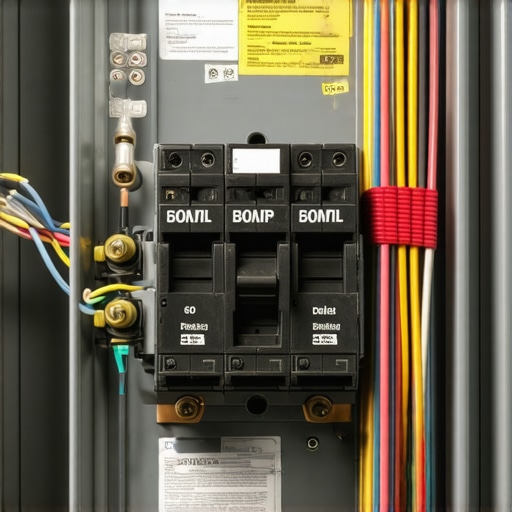
The inspector is the final gatekeeper between you and that rebate check. If your installation isn’t up to snuff, the utility will deny your claim faster than you can say ‘kilowatt.’ I learned this the hard way when I realized my charger was too close to a water source. You must be meticulous about ensuring code compliance when installing ev chargers. This means checking the code-required safety distance between a charger and a sink or gas line. If you’re unsure, it’s always better to over-engineer the safety aspects. For example, knowing how to pass your electrical inspection on the first visit involves more than just tidy wires; it’s about having the right labels on your panel and using the exact gauge of wire you need for a 60-amp circuit to prevent overheating. I’ve seen people use undersized wire to save thirty bucks, only to deal with 3 common wire sizing errors that melt breakers during long charging sessions.
Why Hardwiring Beats a Plug Every Time
Many people want a NEMA 14-50 plug because it feels ‘portable.’ I thought the same until my industrial-grade outlet started showing signs of heat stress after a few weeks of heavy use. When you are pulling 40 or 48 amps for eight hours straight, every connection point is a potential failure. I eventually switched to a hardwired setup. The benefit of a hardwired charger over a nema plug isn’t just about speed; it’s about reducing the number of failure points. It also looks much cleaner and often satisfies stricter local codes that are becoming common in 2025. If your current setup is acting up, you might be dealing with ev charger troubleshooting expert tips for common issues like loose neutral wires, which can be a hidden danger of loose neutral wires in your electrical panel. Always double-check your connections before you seal that panel up for the last time.
Let’s dig deeper into the stuff the sales brochures won’t tell you. Everyone in the EV forums says you absolutely must have a 200-amp service to charge a modern car. I’m here to tell you that’s often expensive, unnecessary advice. In my experience, if you’re smart about it, you can avoid the ‘sticker shock’ of a full service change. Instead of ripping everything out, you can look into how to load balance your home electrical system without a full panel swap. This isn’t just about saving money; it’s about not overloading the grid. According to the National Fire Protection Association (NFPA), EV chargers are classified as ‘continuous loads,’ which means they draw their full rated current for hours on end. This creates a thermal stress that most residential panels from twenty years ago weren’t designed to handle 24/7.
Stop Obsessing Over 200-Amp Upgrades
If you’re being told a $5,000 upgrade is the only way, you might be talking to a contractor who wants a bigger payday. I’ve helped homeowners realize that upgrading your panel for better ev charging performance can sometimes just mean adding a sub-panel or a smart energy manager. This is the nuance that separates an amateur DIY job from a pro setup. You need to understand panel upgrade strategies to meet ev charging code requirements in 2025 before you sign any contracts. The ‘Oops’ factor here is the heat. Standard breakers are only rated for 80% of their capacity for continuous use. If you put a 50-amp charger on a 50-amp breaker, it *will* trip, and eventually, it might melt. 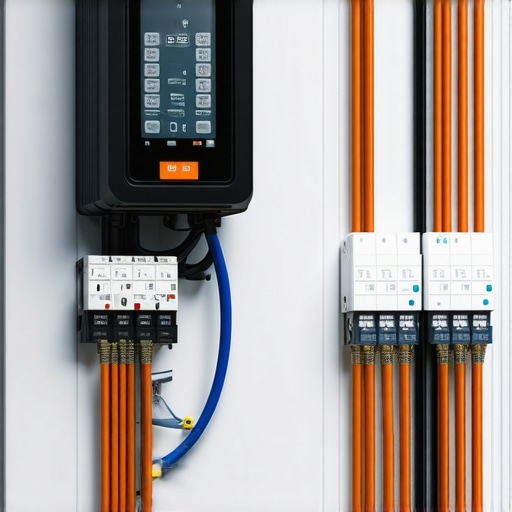
How Do You Balance a Whole House on One Small Breaker?
This is the question I get from the more tech-savvy readers who are worried about their 100-amp main breaker. The secret is automated load shedding. If your HVAC kicks on while the car is pulling 48 amps, you’re in the danger zone. By learning how to balance your household loads to avoid tripping the main breaker, you can ensure your car gets the juice it needs without your fridge losing power in the middle of the night. If you skip this, you’ll end up wondering why your new ev charger keeps shutting down your whole house. It’s not a mystery; it’s physics.
The Tiny Grounding Error That Kills Motherboards
Here is the most common ‘trap’ I see in the field. People spend all their time on wire gauges but ignore the ground. I’ve seen 3 grounding errors that kill ev charger motherboards before they are a year old, and they usually stem from using the wrong grounding rod or a loose bond in the main panel. A high-resistance ground won’t trip a breaker, but it will send sensitive electronics to an early grave. If your charger is acting erratic, start with troubleshooting ev chargers common compliance pitfalls and fixes. Check those lugs! Have you ever fallen into this trap or had a contractor try to sell you more panel than you actually needed? Let me know in the comments. If you’re still stuck, don’t guess—check out our ev charger troubleshooting expert tips for common issues or reach out on our contact us page.
I learned the hard way that a home EV setup isn’t a ‘set it and forget it’ appliance. About six months after my install, I noticed the charging handle felt uncomfortably hot to the touch. It turns out, even the best hardware can degrade if you don’t maintain it. I’ve since invested in two specific tools that I think every EV owner should have: a digital infrared thermometer and a calibrated torque screwdriver. I use the thermometer once a month to scan my breaker and the charging handle while the car is pulling its full load. If I see a jump in temperature, I know I might be dealing with the common wire sizing error that causes voltage drops during charging. Heat is the enemy of your home’s electrical longevity, and catching it early saves you from a melted port or a midnight breaker trip.
How can I keep the hardware healthy for years?
Maintenance is mostly about cleanliness and connection integrity. Dust and moisture are the leading causes of arcing in charging ports. I make it a habit to check the handle for debris every weekend. You should learn how to clean the pins on your charging handle safely using compressed air or specialized electronic cleaners. Never use a metal tool to scrape them! Additionally, the vibrations from your house—everything from the AC kicking on to heavy traffic outside—can actually loosen terminal screws over time. According to the National Electrical Code (NEC) Section 110.14(D), specific torque values are mandatory for a reason. If those screws aren’t tightened to the manufacturer’s exact specifications, you’re inviting resistance and heat. I go back into my panel once a year just to verify that nothing has wiggled loose, ensuring I’m still following code compliance essentials for ev charger installations in 2025.
Software is the New Fuel Filter
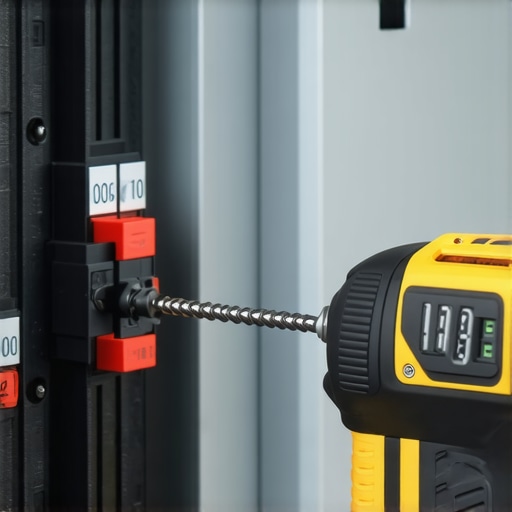
We often forget that these ‘smart’ chargers are essentially computers hanging on our garage walls. I’ve seen dozens of people get frustrated because their car won’t charge, only to realize the charger’s firmware was three versions behind. You need to know how to update your charger software without calling a technician to keep the communication between your car and the grid seamless. This is especially important as we move toward Vehicle-to-Home (V2H) technology, where your car might eventually power your house during a blackout. This trend is accelerating, and keeping your software current ensures your hardware won’t be obsolete by 2027. If you notice your charging speeds fluctuating, it might not be the wires; it could be a software-driven thermal limit. Understanding why your charging cable gets warm and when you should actually worry helps you distinguish between normal operation and a software glitch. My advice? Set a calendar reminder for a ‘quarterly electrical health check.’ Pop the panel, check the temps, and hit that update button. Your future self—and your battery—will thank you. Go grab a cheap infrared thermometer today and scan your handle during its next session; you might be surprised by what you find.
What I Discovered After Three Years of Daily Charging
Reflecting on my journey, the biggest takeaway isn’t about the car—it’s about the infrastructure. I spent so much time worrying about the battery that I neglected the wires feeding it. First, remember that your electrical panel is a living system; heat expands metal, and cool air contracts it. This cycle can loosen connections over time, so an annual check is non-negotiable. Second, don’t let a ‘pro’ talk you into a massive service change until you’ve looked at panel upgrades for ev chargers what you need to know. Often, a smart load manager is all you need. Finally, always learn how to verify code compliance for your ev charger installation yourself. Even the best contractors can miss a local tweak that might void your rebate.
The Essential Gear Hiding in My Toolbox
If you want to keep your system running like new, you need more than just a screwdriver. I swear by my digital infrared thermometer for spotting hot breakers before they fail. I also recommend keeping a copy of your specific utility’s Qualified Product List bookmarked on your phone; it’s the only way to ensure you’re eligible for that sweet cash back. For those moments when things go sideways, I keep a link to ev charger troubleshooting expert tips for common issues handy. These resources have saved me hundreds in service calls. Lastly, if your app is acting up, you should check out these troubleshooting ev charger connectivity problems steps to get back online without a headache.
#IMAGE_PLACEHOLDER_E#
Build a Setup That Lasts a Decade
Transitioning to electric driving is one of the most rewarding changes you can make for your home and the environment. By taking the time to understand your panel, chasing down every rebate dollar, and staying on top of simple maintenance, you’re not just installing a charger; you’re building a personal fueling station that will serve you for years. Don’t be intimidated by the jargon or the initial quotes. With the right knowledge, you can manage your own EV charger installation and troubleshooting like a seasoned pro. You’ve got the tools, the plan, and the resources to make this a success. Have you ever encountered a weird electrical noise or an unexpected heat spike during your charging sessions? Let me know in the comments below—I’d love to help you figure it out!