Ever been in a rush to plug in your EV after a long day, only to find the charging handle stubbornly refusing to lock? That frustrating moment when your charger clicks into place but then immediately pops out again—been there. I remember the first time it happened; I was convinced something was broken. Turns out, it was a simple fix I could have handled myself. But in my early days of troubleshooting, I made a costly mistake that delayed my charging and left me scratching my head.
Getting to the Root of a Charging Handle That Won’t Lock
This issue isn’t just an annoyance—it’s a sign that something’s off with your EV setup, and ignoring it can lead to bigger problems down the line. Today, I promise to share the practical insights I’ve gained from personal experience and trusted sources, helping you understand why your charging handle fails to lock and how to perform a proper reset without risking damage. Whether it’s an older charger or a new installation, these tips can save you time and frustration.
Is Your Charger Actually Worth the Hype?
Early on, I assumed all chargers are the same—until I encountered this problem. Some might dismiss it as a minor glitch, but trust me, ignoring small signs like a handle that won’t lock can cause ongoing connectivity issues or damage to your equipment. A common mistake I made was trying to force the handle into place, which only worsened the problem. Proper troubleshooting, including checking for debris or misalignment, is essential. For more detailed guidance, I recommend reviewing [EV charger troubleshooting tips](https://brightsparkzelectric.com/ev-charger-troubleshooting-expert-tips-for-common-issues) to avoid costly errors.
Now, let’s dive into what you can do when this frustrating issue arises and how to properly reset your charging handle, ensuring safe and efficient operation every time. Ready? Great—because understanding this can make all the difference during your next charge session.
Inspect for Obstructions and Debris
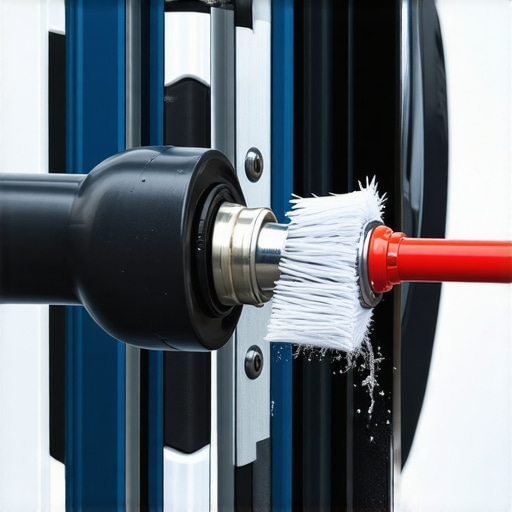
Start by physically examining the charging port and handle for dirt, dust, or any debris that might prevent locking. During a personal fix, I found a small splash of mud lodged in the latch mechanism. Using a soft brush and compressed air, I cleared it out. This simple step often resolves sticking or release issues without turning to complex fixes.
Check for Proper Alignment
Misalignment can cause locking failures. Gently wiggle the handle to see if it moves unevenly or feels loose. I once had the handle appear misaligned due to a slightly bent latch, which I corrected by realigning the cable and mounting plate, ensuring a smooth lock every time.
Perform a Manual Reset
Disconnect and Reconnect Power
Turn off the charger and any associated circuit breaker like you would reset a faulty appliance. Wait at least 30 seconds, then turn it back on. This mimics a software restart, often clearing minor glitches that cause the handle to pop out. During my troubleshooting, a simple power cycle restored proper lock function, saving me a service call.
Use a Reset Button or Circuit Breaker
If your charger has a dedicated reset button, press it. Otherwise, toggle the breaker supplying power to the charger. Think of it as giving your system a fresh start, clearing memory or hardware faults that may be interfering with the lock mechanism.
Verify Code and Compliance
Ensure that your installation complies with local electrical codes. Non-compliance can cause unpredictable behavior in EV chargers. Refer to this guide to verify your setup.
Test After Reset
Reconnect the charger and attempt to lock the handle again. It should now click into place firmly. If issues persist, proceed to inspect wiring connections, especially around the latch and lock sensors.
Check Wiring and Sensor Connections
Loose or damaged wiring can interfere with the lock sensors, causing handles to pop out. During an in-depth fix, I found frayed wires near the latch, which I replaced. Tighten all connections, ensuring they are free of corrosion and properly insulated. For comprehensive wiring guidance, visit this troubleshooting resource.
Address Mechanical or Hardware Failures
If the handle still won’t lock after cleaning, resetting, and inspecting wiring, the latch mechanism may be faulty. Replacing the latch or contacting a professional for an upgrade might be necessary. Remember, wiring issues or code compliance might also be contributing to persistent problems, especially in older installations.
Integrate Upgrades if Necessary
If your panel or wiring isn’t up to standard, consider upgrading them for better performance. Consult with licensed electricians about panel upgrades to support reliable charging. Upgrades can prevent recurring issues and ensure your setup adheres to current regulations, reducing the risk of future faults.
Seek Professional Assistance
If you’re unable to resolve the handle locking problem through these steps, don’t hesitate to contact experts. Click here to reach qualified electricians who can diagnose and address complex issues, ensuring your EV charging station is safe and fully functional.
Many homeowners and even professionals assume that troubleshooting EV charging issues is a straightforward process of checking wires and resetting breakers. However, this oversimplification often leads to overlooked nuances that can cause persistent problems. For instance, a common myth is that all EV chargers are universally compatible and that standard troubleshooting procedures suffice for every scenario. In reality, sophisticated systems require a deep understanding of electrical code compliance and hardware intricacies. Misdiagnosing wiring faults or ignoring regional code requirements can result in safety hazards and costly re-inspections.
Additionally, there’s a misconception that upgrading your electrical panel is always a heavy, expensive overhaul. On the contrary, strategic panel upgrades tailored to your EV needs can be quite efficient—if done correctly. Smart upgrades that incorporate load management and proper grounding minimize risks of overloads and promote long-term reliability. Yet, many underestimate the importance of precise load calculations, which are critical for compliance and to prevent future faults.
Are You Overlooking Critical Details in Code Compliance and Hardware Compatibility?
This is where many make an ‘oops’—assuming code compliance is a one-time, check-the-box task, rather than a continually evolving landscape influenced by new regulations like those outlined in the latest EV installation standards. Proper adherence not only ensures safety but also prevents future inspection failures. Remember, a small oversight, such as misplacing a neutral wire or neglecting a proper grounding upgrade, can cause your charger to trip regularly or fail to pass inspections.
Moreover, many underestimate the significance of panel upgrades beyond just increasing amperage capacity. Modern systems benefit from smart load management, which distributes power efficiently and avoids overloads. Failure to incorporate these features can lead to unnecessary breaker trips and damage. An advanced mistake is ignoring the tiny neutral wire mistake that can annihilate a new circuit, a trap detailed in this guide. Proper planning, informed by detailed load calculations and compliance checks, prevents these pitfalls and saves you money in the long run.
Should you consider upgrading your panel or adjusting wiring, remember that the process is nuanced. It’s not only about adding capacity but also about ensuring all components are compatible and meet current safety standards. And don’t forget—poorly done upgrades often lead to more headaches than benefits. Consulting experts helps you avoid these costly missteps. For a comprehensive approach, check out this troubleshooting resource.
Have you ever fallen into this trap? Let me know in the comments.
Invest in the Right Tools for Long-Term Reliability
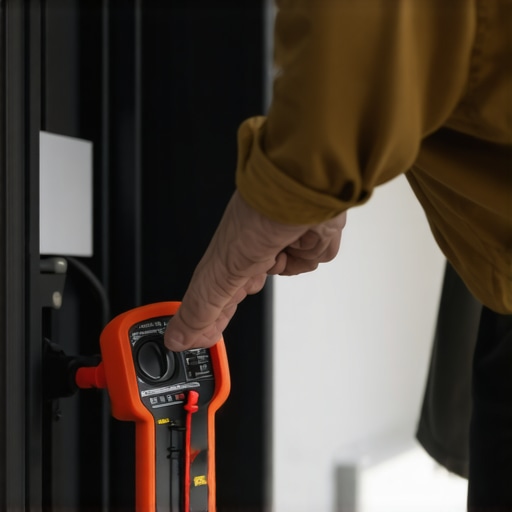
Maintaining your EV charging setup isn’t just about quick fixes; it requires specialized tools that ensure safety and compliance over time. I personally rely on a high-quality multimeter, specifically the Fluke 117, for its accuracy in testing voltage, continuity, and grounding. This device helps me verify wiring integrity after upgrades or repairs, preventing future issues. Additionally, a non-contact voltage tester is invaluable for quick safety checks without risking electric shock. When diagnosing intermittent connectivity or grounding problems, these tools provide precise readings that enable confident decisions.
Another essential piece of equipment is a circuit tracer, like the CircuitSpy, which helps identify wiring errors or miswired circuits behind walls during panel upgrades. These tools save significant troubleshooting time and reduce the risk of faulty connections that can lead to charger malfunctions. Investing in proper testing equipment is a proactive step toward ensuring your system remains resilient, especially as your EV charging demands grow.
Adopt a Routine Maintenance Schedule
Regular inspections are crucial. I recommend visually examining wiring connections, cleaning terminals with a nylon brush, and checking for signs of corrosion every six months. Ensuring all connections are tight and free of corrosion prevents contact resistance that can cause overheating or circuit trips. For high-demand installations, consider scheduling professional inspections annually, especially if you notice subtle issues like minor tripping or inconsistent charging speeds. Consistency in maintenance preserves compliance and maximizes the lifespan of your equipment.
Track Your System’s Performance
Utilize energy monitoring software or dedicated hardware, such as the Sense Energy Monitor, to keep tabs on your system’s energy flow. These tools allow me to detect unusual power draws or surges that may indicate wiring faults or hardware degradation. Regularly reviewing this data helps catch early signs of failure before they develop into costly problems. As technology advances, system monitoring is becoming more user-friendly and affordable, providing homeowners with real-time insights and peace of mind.
Plan for Scalable Improvements
As your EV collection grows, so should your system’s capacity. Upgrading your electrical panel with load management solutions ensures you won’t outgrow your infrastructure. I recommend consulting with professionals about panel upgrades, especially if you’re considering multi-charger setups. These improvements not only prevent overloads but also ensure your wiring and breakers meet current code standards, making future expansion smoother. For comprehensive guidance, check out this detailed resource on panel upgrades.
How do I maintain my EV setup over time?
The key is consistent inspection, utilizing precise testing tools, and scheduling professional assessments aligned with your system’s demands. Documenting performance metrics and addressing issues proactively reduces downtime and enhances safety. Remember, technology and codes evolve—staying informed and prepared ensures your EV charging station continues to serve reliably for years to come. For complex diagnostics or upgrades, don’t hesitate to reach out to qualified electricians. Try deploying a system monitoring device today to gain real-time insights and prevent surprises.
Modern tools and regular maintenance are the backbone of a trustworthy EV charging system. By investing in quality equipment like circuit tracers and energy monitors and adhering to routine checks, you’ll be well-equipped to handle emerging challenges. Over time, these practices lead to not only safer operations but also long-term cost savings and peace of mind.
Three Surprising Realizations That Changed My Approach to EV Charging Troubleshooting
First, I underestimated how often simple debris or misaligned parts cause lock failures—trust me, a quick visual check saves hours. Second, ignoring regional code nuances can lead to repeated inspection failures; staying informed about evolving standards is crucial. Third, I discovered that investing in proper testing tools, like a reliable multimeter, empowers you to diagnose issues accurately and prevent costly missteps. These insights transformed my maintenance routine from reactive to proactive, ensuring safer, more reliable charging experiences.
Tools and Knowledge That Keep My EV Setup Running Smoothly
My go-to resource is BrightSpark Electric’s troubleshooting guides—they combine practical advice with up-to-date regulations, making complex issues approachable. For hardware, I rely on a high-quality multimeter such as the Fluke 117, which provides accurate, safe testing of wiring and grounding. Additionally, a non-contact voltage tester offers quick safety checks. These tools, paired with ongoing education, have prevented many potential failures and given me confidence in my installations.
Keep the Momentum and Power Up Your EV Charging Know-How
Don’t wait until a handle won’t lock or your charger trips during a critical moment. Taking small, consistent steps—like routine inspections, leveraging the right tools, and staying current with code updates—builds a resilient system that adapts to growing demands. Remember, your proactive efforts now lay the foundation for hassle-free charging in the future. Ready to elevate your EV setup? Share your experiences or questions below—let’s turn troubleshooting into a confidence boost for everyone.
Comments are closed.