One evening, I watched in horror as my brand-new EV charger tripped the breaker after just a few hours of charging. The frustration was palpable, and it was then I realized I had made a crucial mistake—one that many homeowners overlook—when wiring their setup. My long charging session had unwittingly set the stage for a costly meltdown, not just in equipment but in my patience as well. That lightbulb moment taught me that understanding common wire sizing errors isn’t just technical nitpicking; it’s essential for safety and peace of mind.
Why Proper Wire Sizing Matters More Than You Think
Many folks jump into installing an EV charger with enthusiasm, but skimming over wire sizing can lead to disastrous results. Overworking a wire that’s too thin can cause it to heat up excessively, degrading insulation and increasing the risk of short circuits. Conversely, using an overly thick wire isn’t just wasteful—it’s sometimes just as problematic, especially if it violates local electrical codes. These errors don’t just cause inconvenience; they pose serious safety hazards, including potential fires.
Early in my experience, I made the mistake of underestimating the importance of adhering to the recommended wire gauge and load calculations. It might seem like a minor detail, but overlooking this can lead to breakers melting or even electrical fires, particularly during those long charging sessions that push your system to its limits. Often, the root cause lies in wiring errors that seem minor but have major consequences. For a comprehensive guide on how to ensure your setup aligns with safety standards, check out code compliance when installing EV chargers.
Ever Faced a Similar Problem? Share Your Story!
If you’ve ever experienced your breaker tripping unexpectedly during a long charge, you’re not alone. These issues are more common than many realize and are often rooted in easily overlooked wiring mistakes. Stay tuned as I walk you through the three most common wire sizing errors that could be secretly sabotaging your EV charging experience—and how to fix them before your next long session turns into a smoky disaster. Let’s get your setup running safely and smoothly, so you can charge with confidence and avoid costly repairs or dangerous failures.
Identify the Correct Wire Gauge for Your EV Charger
Start by consulting your EV charger’s specifications and local electrical codes to determine the appropriate wire size. For example, a Level 2 charger often requires a 6-gauge wire for a 40-50 Amp circuit. I remember installing mine with the wrong gauge initially, which caused overheating; a simple review of the specs and code guidelines prevented future issues.
Calculate Load Capacity to Prevent Overloading
Next, calculate the total load your charger will draw, including other devices on the same circuit. Use the National Electrical Code (NEC) formulas to ensure your wiring can handle the continuous current during long charging sessions. For instance, doubling the charger’s amperage in calculations helped me avoid breaker trips and potential fires.
Upgrade Your Electrical Panel When Necessary
If your panel lacks the capacity, consider upgrading it before installing the charger. I once attempted installation without panel upgrade, which led to frequent trips. Upgrading with a dedicated subpanel or reinforcement using approved wiring methods made my setup safer. For detailed upgrade options, check out panel upgrade guidance.
Follow Proper Conduit and Wiring Practices
Use conduit bends, connectors, and protected pathways to avoid mechanical damage. During my project, I wrapped wires with protective tubing and secured them properly, which prevented accidental cuts or scrapes. Adhering to conduit placement rules, such as avoiding sharp bends, aligns with code and ensures longevity. Review conduit placement tips.
Verify Connections and Test Before Finalizing
Once wired, double-check all connections for tightness and correct polarity. Use a multimeter to verify voltage levels and ensure the wiring matches the breaker specifications. I once discovered a loose neutral connection after testing, which could have caused dangerous arcing. Regular testing and inspection, as discussed at troubleshooting guide, prevent future failures.
Consult Professional Electricians When Unsure
While DIY wiring is feasible with proper knowledge, complex setups benefit from expert oversight. I avoided costly mistakes by reaching out to certified electricians through contact page, especially when my panel required significant upgrades or code compliance was uncertain. Their expertise ensures safety and compliance with all regulations.
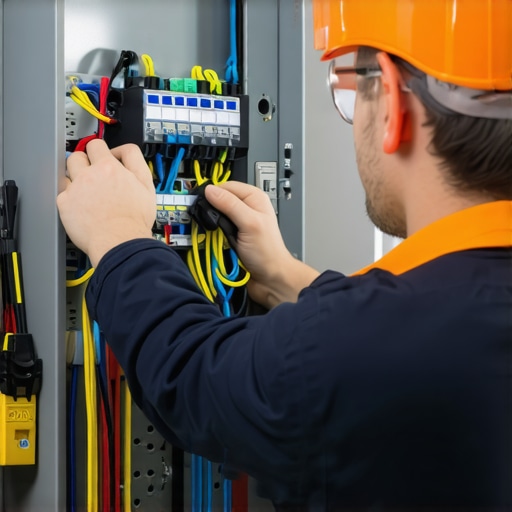 Many homeowners believe that adhering strictly to basic code guidelines suffices for safe EV charger setup, but in reality, the nuances of proper installation often escape even seasoned DIYers. For instance, a popular myth is that as long as the breaker matches the charger’s rating, everything is safe—this oversimplification neglects critical factors like conductor insulation, environmental conditions, and future load planning. Overlooking these details can lead to overheating and premature equipment failure, despite compliance on paper.
A hidden trap in code adherence is misinterpreting the National Electrical Code (NEC) requirements, which are frequently updated; missing recent revisions can result in installations that technically meet older standards but fail modern safety tests. As highlighted by electrical safety experts, staying current with regional amendments and consulting a qualified electrician for complex scenarios is essential. For example, an improperly upgraded panel might pass initial inspections but become a hazard under long-term use, especially if load calculations don’t account for future expansions.
Advanced installation challenges revolve around wire sizing complexities and panel capacity. Think you know the right gauge for your setup? Many get it wrong, risking subtle yet dangerous issues like neutral overheating or breaker nuisance tripping. Upgrading your panel isn’t just about adding a new circuit; it involves verifying that existing infrastructure can handle the additional load without violating the 80% continuous load rule. Moreover, troubleshooting is often complicated by hidden wiring faults or faulty connections not immediately apparent during a visual inspection.
**What advanced mistakes do homeowners frequently overlook, and how can they avoid costly pitfalls?** A critical yet often ignored aspect is ensuring proper grounding and bonding, especially in multi-family or outdoor installations, where complex code requirements exist. Incorrect grounding can cause ground-fault trips or, worse, electric shock hazards. Experts note that compliance isn’t just about following checkboxes but understanding system interactions under various load conditions—something many underestimate. Regular testing, including verifying grounding integrity using specialized tools, can preempt failures.
Recent studies underscore that even seemingly minor wiring errors can escalate into catastrophic failures over time. A report by the Electrical Safety Foundation International emphasizes that most electrical fires originate from wiring issues that appeared innocuous during initial inspections. Staying vigilant, updating knowledge, and consulting professionals when unsure are your best defenses against these hidden dangers. Remember, real safety in EV charger installation hinges on mastering these nuanced elements.
Have you ever fallen into this trap? Let me know in the comments, and share your experiences. For more detailed guidance on ensuring your installation meets all safety standards, visit here.
Tools That Keep Your EV Charger Running Smoothly
Proper maintenance of your EV charger requires the right equipment. I rely heavily on a high-quality digital multimeter like the Fluke 117, which provides accurate readings for voltage, current, and continuity, helping me quickly identify wiring issues or faulty connections without guesswork. Additionally, an infrared thermocamera, such as the FLIR E4, allows me to scan wiring and connection points for hotspots that could indicate overheating—critical for preventing future failures. These tools enable proactive maintenance, catching problems before they escalate into costly repairs or safety hazards.
For software, I recommend using load testing and monitoring platforms such as Emporia Vue or Sense, which track power consumption over time. These give insights into long-term performance and help identify anomalies like unexpected power drops or surges that could signal underlying wiring or equipment issues. Incorporating data logging allows me to evaluate how well my system adapts to increased load or changing conditions, ensuring consistent operation and safety compliance.
Robust Methods for Long-Term Performance
Regular inspections of connections and wiring are essential. I schedule quarterly visual checks, paying close attention to junctions, grounding points, and conduit fittings. Using a torque wrench during initial connections, I ensure all terminal screws are tightened to manufacturer specifications, preventing loose connections that could generate heat over time. Moreover, documenting these inspections helps track deterioration, enabling replacements or repairs before failures occur.
Implementing surge protection devices (SPDs) is another key measure. I install a dedicated SPD designed for EV charging circuits, which shields expensive equipment from power surges caused by lightning or grid fluctuations. This simple addition significantly prolongs the lifespan of my charger and wiring, offering peace of mind during storms or unstable grid conditions.
Preparing for Scale and Future Upgrades
As EV adoption grows, planning ahead becomes vital. I consult load calculators to project future needs, ensuring my panel can handle multiple chargers or high-demand appliances. Upgrading panels with additional circuits or dedicated subpanels using quality components—like Siemens or Square D breakers—offers both safety and flexibility. Advanced system monitoring, integrated via smart panels, provides real-time alerts for anomalies, enabling quick responses and preventing downtime.
By adopting these tools and maintenance routines, you’ll extend the life of your EV charging setup and ensure it continues to function reliably over the years. Remember to stay updated with the latest standards and consult professional electricians via Bright Spark Electric for personalized guidance and compliance assurance.
Questions About Maintaining Your System?
How do I maintain my EV charging system over time? Regular testing with a multimeter and thermal scans are foundational, but integrating smart monitoring enhances oversight. Think about scheduling seasonal inspections and adding surge protectors to reduce risk. For more detailed strategies, check out code compliance tips and stay ahead of potential issues.
Finally, challenge yourself to implement at least one of these maintenance tips this month—such as installing an infrared camera to spot hotspots—and observe how it enhances your system’s reliability. Prevention is always better than repair when it comes to your EV charging infrastructure.
Lessons That Changed My Approach to Safe EV Charging
One of the most impactful lessons I learned was the importance of detailed load calculations. Initially, I believed that selecting the correct breaker and following basic wiring codes was enough, but I soon discovered that neglecting future expansion plans and environmental factors could lead to costly upgrades or safety hazards. Another realization was how subtle wiring imperfections, like loose neutral connections, could cause long-term damage or fire risks, reinforcing the need for rigorous testing and inspections. Additionally, I found that sharing my experiences with seasoned electricians provided insights that no manual could offer, highlighting the value of professional consults even in DIY projects. Lastly, embracing advanced tools like thermal cameras transformed my maintenance routine, letting me spot potential issues before they became emergencies—saving time, money, and peace of mind.