I remember the moment vividly: I was standing in a client’s garage, trying to troubleshoot an EV charger that kept tripping the breaker, and it hit me—this could all be avoided if I just paid closer attention to one common violation. It was a lightbulb moment that reshaped how I approach electric vehicle charging systems, especially during inspections. That violation? The work space violation that seems innocuous but causes more panel inspection failures than anything else.
The Hidden Menace in Your Garage
This problem isn’t flashy or obvious; it’s subtle, often overlooked, yet it sabotages compliance and safety in a blink. It’s the clutter, obstructions, and inadequate clearances around electrical panels that trip up inspections time and again. When I first started out, I made the mistake of assuming that as long as the panel was grounded and properly labeled, I was good to go. It was an easy assumption, but it cost me a few inspections—and quite a bit of stress.
According to the National Fire Protection Association (NFPA 70), maintaining proper workspace clearance around electrical panels isn’t just about passing a rule—it’s about safety. Rules specify at least 30 inches of workspace in front of panels for easy access during emergencies. Ignoring this requirement can lead to failures, fines, and worse, safety hazards.
Have you ever faced an inspection where everything seemed fine, yet you still failed? If so, you’re not alone. Many techs and homeowners underestimate how critical clear workspaces are. Today, I’ll share how to ensure this simple yet vital aspect of your setup is foolproof, so future inspections go smoothly and hazards are minimized.
Is Your Cluttered Garage Costing You More Than Just a Pass?
Early in my career, I overlooked how even minor clutter could cause big problems. I used to think, ‘It’s just a little mess,’ but a messy workspace can obscure important safety features and violate code requirements. This mistake was a wake-up call that taught me to prioritize organization as part of every inspection prep. For more insights, check out my detailed guide on ensuring code compliance when installing EV chargers.
So, before we dive into the practical steps, think about your space: Is your garage or electrical closet free of obstructions? Are there tools, boxes, or debris blocking access? Because if the answer is yes, it might be time for a quick cleanup. Let’s get into how to make your workspace inspection-ready next.
Clear the Clutter Before Proceeding
Begin by conducting a thorough walk-through of your garage or electrical closet. Remove tools, boxes, or any debris that block access to the electrical panel. I once spent an afternoon reorganizing a cluttered garage, which revealed a hidden breaker box. Clearing that space not only made troubleshooting easier but also helped identify loose neutral wires that could cause charging issues. Remember, a tidy workspace is your first line of defense against inspection failures and safety hazards.
Assess and Maintain Proper Clearance
Ensure there’s at least 30 inches of unobstructed space in front of the panel, extending to the sides if possible. Use a tape measure to double-check. I’ve encountered situations where panels were accessible but only with a person on tiptoes, which is a code violation and dangerous during emergencies. If the clearance falls short, consider relocating stored items or reorganizing the area. Proper clearance allows quick shutdown if needed and helps during routine inspections—key for homeowners and electricians alike.
Use a Visual Aid for Clarity
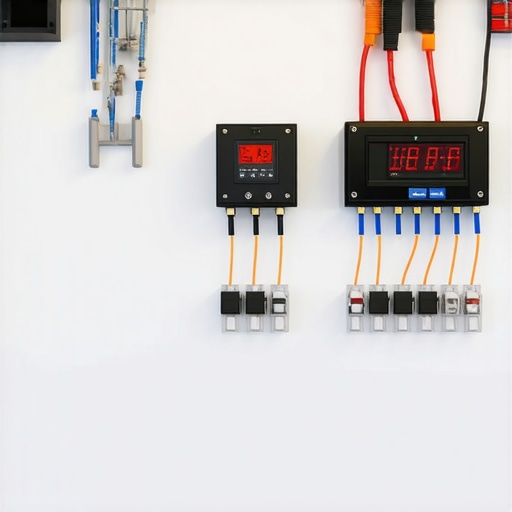
The image illustrates proper workspace clearance around an electrical panel, showing a clear 30-inch front space and minimal obstructions. This visual helps homeowners recognize compliance at a glance and avoid costly violations during audits.
Check for Obstructions and Ventilation
Look around the panel for any obstructions that could hinder airflow or access. Overloaded shelves, stored paint cans, or hanging tools can cause violations or overheating. I once had a client whose stored boxes blocked the panel, leading to a failed inspection. Keep the area free of combustibles and ensure good ventilation, especially if you notice excessive panel heat during charging. Proper airflow extends the lifespan of your equipment and reduces fire risks.
Confirm and Maintain Safe Working Conditions
Verify that nothing is physically touching or encroaching on the panel’s workspace. Use a level or plumb line to ensure conduits or wiring are neat and compliant. Regularly inspecting and tidying the area ensures future compliance, reducing stress during annual inspections or upgrades. When I upgraded a panel, spending an extra hour tidying the space prevented potential violations and made future troubleshooting straightforward.
Document and Regularly Review Your Setup
Keep a photo record of your workspace compliance. Schedule quarterly checks to ensure no new clutter or obstructions appear. Consistency is key; a workspace that’s inspected regularly is less likely to cause surprises or failures during official inspections.
Many professionals and homeowners believe that adhering strictly to the basics—grounding, labeling, or keeping clear of obstructions—is enough for true code compliance. But in my experience, this overlooks nuanced details that, if neglected, can lead to costly failures.
For instance, some assume that a simple visual inspection suffices, yet advanced mistakes often lurk behind seemingly compliant setups. Overlooking issues like proper conduit routing, neutral-to-ground connections, or load calculations can trigger code violations during audits. These nuanced oversights are common traps leading to delayed permits or re-inspections. According to industry standards and expert insights, tiny details such as correct torque on bonding clamps or adherence to new 2026 rules on multi-ev load management make all the difference. Understanding these finer points can mean the difference between a smooth upgrade and a failed inspection.
What do seasoned electricians monitor during a complex panel upgrade that novices often miss? Let’s dig deeper.
The Maintaining your EV charging setup is crucial for ensuring consistent performance and safety. Over time, even the best installations require proactive tools and routines to keep everything in top shape. In my experience, investing in precise testing equipment like the Fluke 179 True RMS multimeter has been a game-changer. Its high accuracy helps me verify proper voltage and detect subtle wiring issues that could compromise safety or cause operational glitches. Additionally, using advanced inspection cameras with built-in LED lights allows me to access hard-to-see connections behind panels without dismantling entire systems, saving time and preventing accidental damage.
Software-wise, I rely heavily on dedicated EV charger diagnostic apps, such as the expert troubleshooting guides. These tools help pinpoint connectivity problems or firmware inconsistencies, which are common culprits behind intermittent faults. Regularly updating device firmware ensures compatibility with the latest standards and reduces long-term malfunction risks. For routine maintenance, I schedule quarterly inspections, during which I run through a checklist that includes verifying grounding integrity, testing GFCI protection, and confirming proper panel loading with a clamp meter like the Fluke 376 FC, which can log load patterns over time. This proactive approach minimizes unexpected failures and extends equipment lifespan, aligning with the future trend of smart, self-monitoring electrical systems.
How do I Maintain Long-Term Reliability of EV Charging Systems?
Consistent upkeep is key. I recommend setting reminders for scheduled inspections, meticulously documenting each check, and capturing photos for future reference. Upgrading components as needed—such as installing an auxiliary load management system—can further ensure your system adapts with increasing demand. As technology advances, integrating remote monitoring solutions will become more mainstream, offering real-time alerts for faults or irregularities—think of it as having a virtual technician watching over your setup. This evolution will especially benefit those with multi-vehicle charging setups, where load balancing and system resilience are vital. To ensure your system stays compliant and safe, consider consulting experts regularly, especially if you plan to scale up or upgrade your infrastructure. For larger projects or comprehensive evaluations, I often coordinate with licensed electricians through platforms like our contact page. Staying proactive today guarantees smooth operation tomorrow, even as standards evolve and demand grows.
Start by trying out a multimeter check on your panel tonight—it’s simple, effective, and the first step toward reliable, long-term EV charging performance.
Lessons Only Experience Can Teach You About Panel Checks
- One of my most eye-opening lessons was realizing that even a small clutter spike could jeopardize an entire inspection—don’t ignore the little things that add up to big liabilities.
- I learned to always double-check the clearances around panels—what seems sufficient can often hide code violations in plain sight, especially in tight garages.
- The hardest truth was realizing that safety standards evolve, and staying updated on subtle code changes—like neutral wire requirements—can prevent costly re-inspections later.
- I discovered that proactive documentation and routine inspections save time and stress during audits, transforming compliance from a chore into a routine habit.
Tools and Resources That Keep Me Ahead of the Curve
- Using a high-quality multimeter like the Fluke 179 has been instrumental in catching voltage irregularities early—it’s trusted for its accuracy and durability.
- My go-to reference is the comprehensive guide on ensuring code compliance when installing EV chargers, available on the Bright Spark Electric blog, which keeps me informed of the latest standards.
- Access to industry-specific inspection checklists helps me verify every detail during a panel upgrade or troubleshooting session—these prevent oversights that could cause failures.
- Engaging with trusted online communities and forums allows me to stay current with practical tips and real-world experiences related to EV charging safety and regulations.
Keep Pushing Forward: Your Role in Safer, Smarter Charging
Every step you take towards understanding the intricacies of electrical safety and code compliance makes a tangible difference. Your attention to details like workspace clearance, proper wiring, and upcoming code changes not only ensures safety but also saves you time and money. Remember, continuous learning and proactive maintenance are the keys to long-term success with EV charging systems. So, take that extra moment to review your setup, stay informed with the right tools, and be confident in your ability to provide safe, compliant, and reliable charging solutions. Your dedication today paves the way for a safer, more efficient electric future for everyone involved.
Have you encountered a tricky compliance issue that took you by surprise? Share your stories below—I’d love to hear how you navigated it!
Remember to stay vigilant and keep learning—your expertise is what keeps your systems safe and compliant.