I’ll never forget the Tuesday night I almost burnt my garage down. I was sitting in the kitchen, feeling pretty smug about my new Level 2 charger, when I noticed the overhead lights doing a rhythmic, ghostly dance. It wasn’t a power surge from the utility company, and it wasn’t a ghost. It was something much quieter, much more sinister, and hiding right inside my main service panel. I realized then that I had fallen into a trap that many DIYers and even some rushed pros fall into: I ignored the physical integrity of the connections because everything “looked” fine.
The Night My Panel Started Talking Back
I’ve spent years tinkering with circuits, but that night taught me humility. When you plug in a high-draw appliance like a car, your home’s electrical system is under more stress than it has ever seen. I started noticing why my garage lights flicker every time the EV starts charging, and I brushed it off as just “the way things are” with old houses. That was my first mistake. A loose neutral wire isn’t just a nuisance; it’s a heat generator. When a connection is loose, the electricity has to “jump” the gap, creating an arc that can reach thousands of degrees. I once thought that as long as the wire was in the hole, I was safe. I was wrong. I ended up with a charred neutral bus bar that looked like it had been in a campfire. Today, I’m going to help you avoid that same panic attack. We’re going to dive into how to identify these hidden gremlins before they fry your car’s sensitive computer or, worse, start a fire in your walls. [IMAGE_PLACEHOLDER] Have you ever walked past your panel and heard a faint buzzing or smelled something like burnt plastic?
Is a Loose Wire Really a Fire Hazard?
You might think I’m being a bit dramatic. After all, if the car is charging, the circuit is complete, right? Not exactly. According to the National Fire Protection Association (NFPA), electrical failures or malfunctions were the second leading cause of U.S. home fires in recent years, often stemming from poor connections. A loose neutral can cause voltage to swing wildly—surging in some outlets and dropping in others. This is why it’s so critical to understand how to spot loose neutral wires before they burn your charging port. I learned the hard way that the forgotten torque spec that fails half of all panel inspections exists for a reason. It’s not just about being tight; it’s about being exactly as tight as the manufacturer requires to prevent thermal expansion from wiggling that wire loose over time. If you’ve heard any 3 scary noises your electrical panel makes when charging an ev, you need to pay attention immediately. We are going to look at the specific signs of heat damage and the tools you need to stay safe without needing a degree in electrical engineering.To get your hands dirty safely, you first need to treat your electrical panel like a living organism breathing under heavy load. The most effective way to start is with a non-contact thermal leak detector or an infrared camera. I remember the first time I pointed one of those at my panel while the car was drawing 48 amps; one specific terminal lug was glowing a bright, angry purple. It wasn’t a bad breaker, it was simply loose. When you see heat concentrated on one spot, you know exactly what to do if your electrical panel smells like burning during ev charging—you stop the flow and inspect the physical connection immediately. 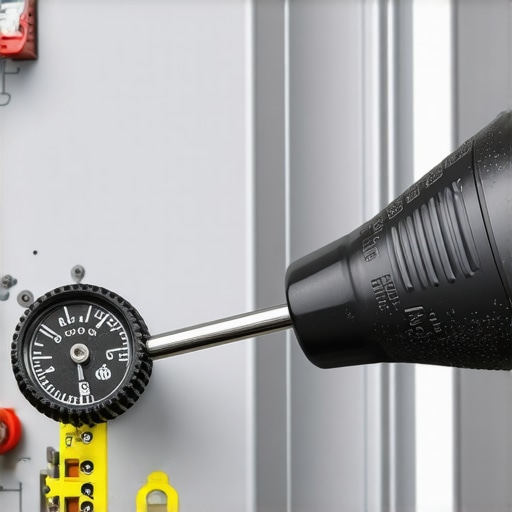
Spot the Visual Warnings Before They Spark
Beyond the high-tech gadgets, your eyes are your best defense. Look for ‘pitting’ on the bus bar or discoloration on the insulation. If the copper wire looks like it’s been dipped in oil or has a rainbow-like sheen, it’s already been cooked. This usually happens when you don’t have ensuring code compliance when installing ev chargers at the top of your checklist. I once spent three hours chasing a connectivity issue only to find that the insulation had melted and fused into the terminal, creating a high-resistance barrier that prevented a clean connection.
The Torque Screwdriver Is Your Best Friend
You cannot guestimate electrical tightness. In my early days, I used a standard screwdriver and just cranked it until my knuckles turned white. That’s a recipe for disaster. Over-tightening can crush the wire strands, while under-tightening allows for vibration and heat expansion. This is why the forgotten torque spec that fails half of all panel inspections is the most critical rule to follow. Grab a calibrated torque screwdriver and look at the label inside your panel door or on the breaker itself. It will tell you the exact inch-pounds required. For a heavy-duty Level 2 setup, checking the exact gauge of wire you need for a 60-amp circuit ensures that you aren’t trying to jam too much metal into a space that can’t dissipate the heat.
Stop the Heat at the Main Breaker
If you’ve tightened your branch circuit and you’re still feeling heat, the problem might be further up the chain. I’ve seen cases where the main lugs were loose from the factory or had loosened over twenty years of seasonal temperature swings. If you notice why your main breaker runs hot during level 2 charging, you are dealing with the heartbeat of your home. Use the same torque logic here, but be extremely careful; those main lugs are always live unless the utility company pulls the meter. I always recommend using insulated tools and double-checking your work with a second pass after the system has cooled down. A connection that feels tight when hot might actually be loose once the metal contracts back to its resting state.The biggest misconception I see—even among seasoned DIYers—is the idea that a green ‘Passed’ sticker from the city inspector means your job is done perfectly. Don’t get me wrong, you absolutely need to know how to verify code compliance for your ev charger installation, but code is a floor, not a ceiling. The National Electrical Code (NEC) is designed to prevent your house from burning down, not necessarily to ensure your equipment lasts twenty years under the relentless thermal stress of daily charging. I’ve seen plenty of setups that were technically ‘to code’ but were ticking time bombs for troubleshooting ev chargers common compliance pitfalls and fixes later on. For instance, many people assume that if the breaker doesn’t trip, the wire size is fine. However, a study by the Electrical Safety Foundation International (ESFI) highlights that consistent ‘near-limit’ loading can cause premature insulation brittling in older panels. If you are pushing your system to the edge, you might be following the letter of the law while ignoring the reality of physics. 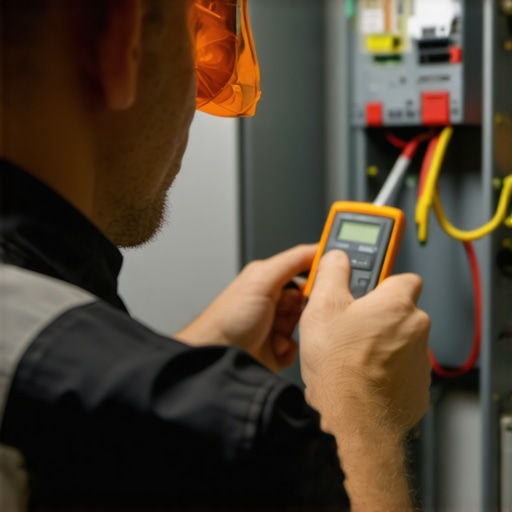
The 80% Rule Is Not a Suggestion
Most people think that a 50-amp circuit can handle 50 amps of charging. It can’t—at least not for long. Because an EV is a continuous load, you can only utilize 80% of the circuit’s capacity. This is a nuance that catches even some general electricians off guard. When you ignore this, you aren’t just risking a nuisance trip; you are inviting thermal fatigue into your bus bars. I always tell people that ensuring code compliance when installing ev chargers is the bare minimum, but for a truly robust setup, you want to look at your specific duty cycles and heat dissipation.
Can Your 100-Amp Service Really Handle a Daily Commute?
This is where most homeowners get tripped up. They look at the main breaker, see ‘100A’, and think they have plenty of room. But they forget the load calculation. I can’t tell you how many times I’ve walked into a garage where someone ignored the one calculation homeowners forget that fails every ev permit. You have to account for the ‘continuous load’ factor. Because an EV draws power for more than three hours, the NEC requires you to size the circuit at 125% of the load. If you miss this, you’ll find why your main breaker keeps tripping during overnight charging even if everything seems correctly wired on paper. The ‘Oops’ factor often comes down to the sub-panel. People love to tap into an existing garage sub-panel without realizing that the feeder wires weren’t sized for a 40-amp continuous draw on top of the garage door opener and lights. Before you commit, you should really learn how to calculate if your 100-amp service can handle a daily commute to avoid a costly mid-winter blackout. In my experience, the real pro move is over-sizing your conduit or using a higher temperature-rated wire (like THHN in conduit vs. Romex) to give that heat somewhere to go. Have you ever fallen into this trap where you thought you were safe because you ‘followed the instructions’ only to have a breaker fail a month later? Let me know in the comments.
Why I Trust Thermal Imaging More Than My Own Eyes
I don’t just ‘check’ my panel once a year; I audit it like a hawk. The single best investment I ever made for my peace of mind was a thermal imaging camera. You can’t see high resistance with the naked eye until the plastic is already dripping, but a FLIR or Klein thermal tool sees the heat the second it starts to climb. According to Fluke’s technical application notes on electrical inspections, thermal imaging can identify overheating components before they fail by detecting temperature differences of as little as 0.1°C. When I’m upgrading your panel for better ev charging performance, I always run a full charging cycle and then scan every single lug. If one breaker is 20 degrees hotter than its neighbor, I know I’ve got a loose connection or a failing internal spring. This level of precision is how you prevent troubleshooting ev charger connectivity problems that are actually caused by voltage sags at the source rather than a software glitch. 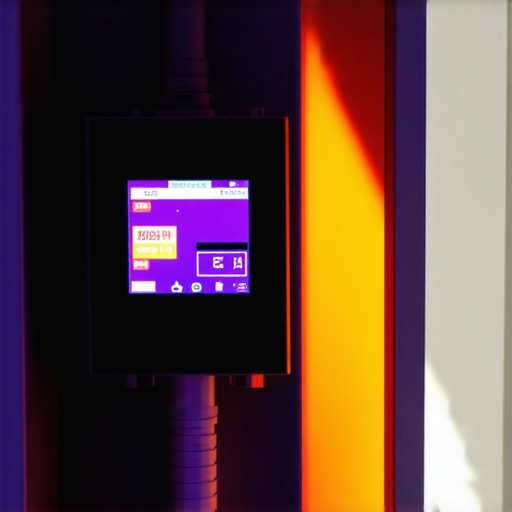
How do I keep my charging setup safe for the next decade?
Maintenance isn’t a ‘one and done’ deal. Every six months, I perform a physical inspection of the charging handle and the cable. I’ve seen pins inside the J1772 connector get pitted from dirt and moisture, which leads to arcing. You need to know how to clean the pins on your charging handle safely using compressed air and high-purity isopropyl alcohol—never stick a metal screwdriver in there. I also pay close attention to the cable’s flexibility; if the jacket feels stiff or ‘crunchy,’ the internal strands are likely fatigued from being coiled too tightly. Understanding why your charging cable gets warm and when you should actually worry is the difference between a normal operating temperature (usually about 30°C above ambient) and a dangerous thermal runaway.
Don’t Just Upgrade Your Panel, Make It Smart
The future of home charging isn’t just bigger wires; it’s smarter management. We are moving toward a world where panel upgrade strategies to meet ev charging code requirements in 2025 will involve ‘smart’ breakers that can shed loads automatically. If you’re already looking at code compliance essentials for ev charger installations in 2025, consider a system that talks to your car and your HVAC. This prevents you from ever hitting that 100-amp ceiling. I also highly recommend learning how to update your charger software without calling a technician, as manufacturers often release firmware that optimizes thermal throttling during heatwaves. My challenge to you: Grab a torque wrench this weekend, look up the specs on your main breaker, and verify just one connection. You might be surprised at what a quarter-turn can do for your safety.
Lessons from the Night I Nearly Melted My Service Panel
After years of working with home wiring, the biggest realization I had was that EV charging isn’t just another circuit—it’s a marathon for your house. First, always assume your connections will loosen over time; thermal cycling is a physical reality that demands a yearly check-up. Second, I stopped trusting my sense of touch and started trusting data. If you aren’t how to spot a dangerous heat build-up in your ev charging cable, you are flying blind. Finally, remember that ev charger troubleshooting expert tips for common issues often point back to the panel, not the car. Your electrical system is a living thing; treat it with the respect 48 continuous amps deserve.
My Go-To Toolbox for Electrical Peace of Mind
I don’t go near a high-voltage project without three specific items. I always keep a calibrated torque screwdriver handy because the forgotten torque spec that fails half of all panel inspections is the only way to be 100% sure your lugs won’t arc. Next, a basic thermal camera is non-negotiable for identifying hotspots before they smell like ozone. Lastly, I keep a kit for connector maintenance. Knowing how to clean the pins on your charging handle safely has saved me from at least two “charger not found” errors that were just caused by oxidation. These tools turn guesswork into a science.
Take the First Step Toward a Bulletproof Home Setup
Electrical work can feel intimidating, but you have the power to make your home the safest “gas station” you’ve ever owned. By prioritizing how to verify code compliance for your ev charger installation and staying proactive with your maintenance, you’re protecting your family and your investment. Whether you are upgrading your panel for better ev charging performance or just tightening a few screws, you are doing the right thing. Have you ever opened your panel and found a wire that felt surprisingly warm to the touch? Let me know in the comments below!