I still remember the morning I realized my ‘fleet’—which, at the time, was just three electric vans and a lot of optimism—was a total mess. It was 6:00 AM, the air was biting, and my lead driver was staring at a dead dashboard. I had three consumer-grade chargers slapped onto the wall, and every time we tried to juice them up simultaneously, the main breaker would groan and give up. It was a cold Tuesday, we had deliveries pending, and I was standing in the dark with a flashlight. That was the moment I realized that running a business on home-garage logic is a recipe for disaster. It wasn’t just about the lost time; it was the embarrassment of calling a client to explain why we were late. If you’re currently staring at a stack of charging cables and wondering how to turn this into a professional operation without breaking the bank, I’ve been exactly where you are.
Stop Thinking Like a Homeowner and Start Thinking Like a Manager
[image_placeholder_1] When I first started, I made the classic rookie mistake: I thought I could just add more outlets and call it a day. I didn’t account for the fact that the real cost of running a commercial charging site isn’t just the hardware; it’s the infrastructure and the management behind it. You aren’t just charging a car; you’re fueling a revenue stream. If those chargers go down, your business stops. I quickly learned that ensuring code compliance when installing EV chargers at a business is a completely different beast than doing it in your garage. I once spent three weeks arguing with an inspector because I didn’t realize the specific bollard requirements for commercial spaces. I assumed ‘safe’ meant ‘plugged in,’ but the city had other ideas. Today, I’m going to help you avoid those expensive delays. We’ll look at power management, the right hardware, and how to stay ahead of the grid requirements.
Is a dedicated fleet setup actually worth the investment right now?
You might be skeptical. After all, high-quality commercial gear is pricey. But here’s the thing: McKinsey reports that fleet electrification can reduce total cost of ownership by up to 15-25% compared to internal combustion vehicles. The math works, but only if you don’t blow your budget on maintenance for commercial fleet charging stations that were poorly installed to begin with. One of the biggest hurdles I faced was connectivity. I assumed the office Wi-Fi would reach the parking lot through two brick walls. Spoiler: it didn’t. This is why your commercial charger needs a dedicated cellular connection to handle billing and data without lagging. It’s those small, ‘neighborly’ pieces of advice that I wish someone had given me before I started drilling holes. Have you ever had your entire operations grind to a halt because of a single tripped breaker? It’s incredibly frustrating, right? Let’s make sure that never happens to you. We’re moving past the ‘extension cord’ phase of your business and into something that actually scales.
Fix the Heart of Your Operation First
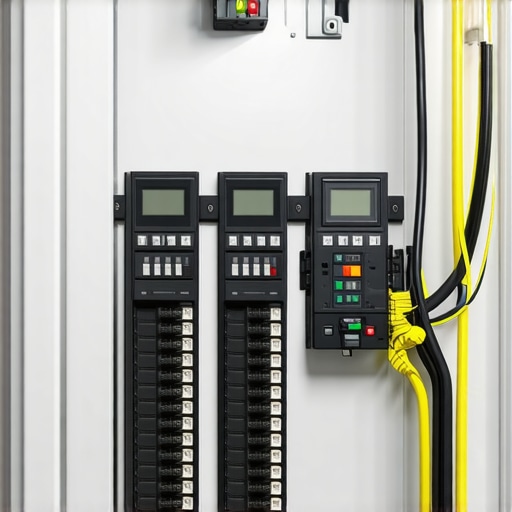
You wouldn’t try to run a commercial kitchen on a single hot plate, yet many small fleet owners try to do exactly that with their electrical panels. The ‘heart’ of your charging operation is the service panel, and if it is struggling, your vehicles will never reach their potential. If you’re seeing performance dips, start with upgrading your panel for better EV charging performance before you blame the chargers themselves. I learned the hard way that panel upgrades for EV chargers aren’t just suggestions; they are the literal difference between a functional business and a fire hazard. I once had a client who ignored my advice on a panel check, only to have their main breaker melt during a heatwave because the sustained load from four vans was just too much for the old busbar to handle. We had to replace the entire assembly on a Sunday at emergency rates. Avoid that. Get a load calculation done by a pro who understands continuous duty cycles.
The Smart Way to Split Power Without a Total Rebuild
You don’t always need to tear out your entire electrical system to scale up. Think of your power like water pressure in a house: if everyone takes a shower at once, nobody gets a good scrub. Smart load management is the ‘pressure valve’ for your fleet. Learning how to load balance your home electrical system without a full panel swap can save you thousands in immediate infrastructure costs by intelligently distributing power to whichever vehicle needs it most. One massive headache I faced early on was deciding between materials; understanding the difference between copper and aluminum for EV wiring saved me from a potential voltage drop disaster. While aluminum is cheaper, the heat generated by 48-amp chargers running for eight hours straight makes copper the gold standard for reliability. If you use the wrong gauge or material, you’ll run into the common wire sizing error that causes voltage drops during charging, which means your vans won’t be full by morning.
Nail the Inspection or Face the Fines
Compliance isn’t just about safety; it’s about keeping your insurance valid. I’ve seen inspectors fail a multi-thousand dollar install because the labels were hand-written on masking tape instead of being permanent. Make sure you have the specific circuit labels required by the electrical inspector ready to go. I remember standing in a damp garage with a frustrated city official who was ready to pull my permit because I hadn’t accounted for the new 2025 standards regarding GFCI protection. To avoid my mistakes, read up on code compliance essentials for EV charger installations in 2025 before you buy your hardware. If you follow the checklist on how to pass your electrical inspection on the first visit, you’ll be operational weeks faster than the guy who ‘guesses.’ Finally, always keep a troubleshooting log; knowing ev charger troubleshooting expert tips for common issues will help you distinguish between a software glitch and a hardware failure when a driver calls you at 4 AM.
Most people assume that if the charger is blinking red, it’s a software glitch. They start rebooting the router or downloading firmware updates. In my years of fixing these ‘dead’ sites, 80% of the time, the software is fine—it’s the physics that failed. Everyone tells you to buy the most powerful charger available, but if your infrastructure isn’t perfectly tuned, that ‘fast’ charger is actually a liability. I’ve seen 48-amp stations throttle down to 16 amps because of heat buildup that the owner didn’t even notice until their utility bill arrived. The biggest ‘oops’ factor I encounter is the assumption that a tightened screw is a secure screw. In the world of high-load EV charging, ‘hand-tight’ is just another way of saying ‘potential fire.’ According to the Fire Protection Research Foundation, electrical failures often stem from poor connections that manifest under continuous heavy loads. This is where the specific torque settings that prevent panel fires during high load charging become the difference between a safe fleet and a catastrophe. If your electrician didn’t pull out a calibrated torque wrench, you’re essentially playing Russian roulette with your busbar. 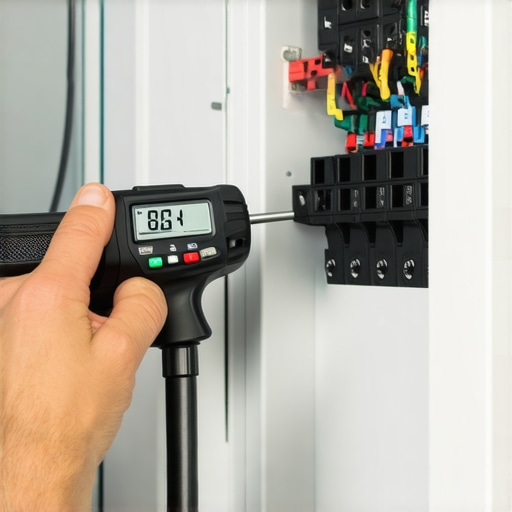
Stop Chasing Software Bugs When the Problem Is Physics
When you start troubleshooting ev chargers common compliance pitfalls and fixes, check the grounding first. I once spent six hours diagnosing a ‘communication error’ that turned out to be a slightly loose neutral wire. This is the hidden danger of loose neutral wires in your electrical panel; they cause voltage imbalances that confuse the car’s sensitive onboard computer. The car thinks the grid is unstable and cuts the connection to protect its battery. It isn’t just a nuisance; it’s a safety mechanism that prevents damage to the vehicle’s expensive powertrain. Most managers just keep clicking ‘reset’ on the app, but no amount of software patching can fix a physical connection that is arcing behind the drywall.
Does your current panel have the physical room for a 2025-compliant upgrade?
It’s not just about having an empty slot for a breaker. Modern standards are becoming increasingly strict about thermal spacing and clearance. If you’re looking at panel upgrade strategies to meet ev charging code requirements in 2025, you have to look beyond the number of switches. You need to identify 3 signs your main breaker is running dangerously hot during overnight charging before you add more load. A humming or discolored breaker is a cry for help that many managers ignore until the fleet stays parked on a Monday morning.
The Invisible Fire Risk Your Electrician Might Be Ignoring
Before you sign off on a new installation, you must how to verify code compliance for your ev charger installation. Don’t just trust a ‘pass’ sticker from an inspector who might have been in a hurry. Look for the most common diy mistakes in home charger installations even in professional work—like improper conduit support or missing labels. These small oversights can lead to major insurance headaches if something goes wrong. Have you ever fallen into this trap where you thought the hardware was broken, but it was just a loose connection? Let me know in the comments.
Maintaining a fleet isn’t a ‘set it and forget it’ situation. I’ve seen beautiful installs turn into charred messes because of a single loose lug.
Invest in a Thermal Camera Before Your Breaker Melts
If you want to move from being a reactive manager to a proactive one, you need a FLIR or a similar thermal imaging camera. Every six months, I walk my site when the load is at its peak. If a breaker or a wire terminal looks like a glowing ember on that screen, I know I have a problem before the smoke starts. This is a critical part of the maintenance guide for commercial fleet charging stations that most people skip. You are looking for differential temperatures—if one phase is 20 degrees hotter than the others, your load is unbalanced or your connection is failing. I personally use Wera torque screwdrivers because they allow me to hit the specific torque settings that prevent panel fires during high load charging with pinpoint accuracy. Hand-tightening just doesn’t cut it when you’re pushing 48 amps for eight hours straight. 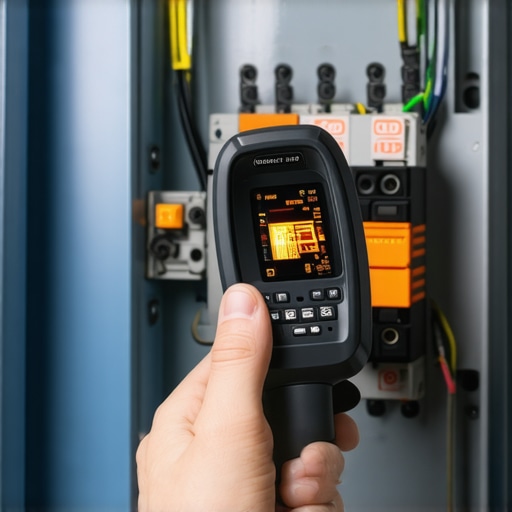
How do I maintain my charging infrastructure over time?
Consistency is your best friend. Beyond the thermal scans, you need to be proactive about software. You should learn how to update your charger software without calling a technician to ensure your hardware stays compatible with the latest vehicle firmware updates. I also recommend a physical check of the hardware. Check the ports for debris and use a silicone-based cleaner to ensure you how to stop your charger handle from sticking in the port, especially during the colder months. If you are operating outdoors, follow the 3 maintenance tasks that keep your outdoor charger running through winter to prevent ice build-up from cracking your casing. According to the NFPA 70B standards for electrical equipment maintenance, failure to perform regular ‘tightness’ checks is a leading cause of industrial electrical fires.
Preparing Your Panel for the Grid of 2030
We are moving toward a world of bi-directional charging (V2G), where your fleet could actually sell power back to the grid during peak hours. To get there, you need to be thinking about panel upgrade strategies to meet ev charging code requirements in 2025 now. If you’re already at 80% capacity, you don’t have room for the communication modules and smart meters that the next generation of chargers will require. I predict that within five years, automated load management won’t just be a luxury; it will be a utility requirement. Before you add that next van, how to verify code compliance for your ev charger installation to see if your current setup can handle the jump. My big tip for you today? Spend $300 on a decent thermal camera; it’s the cheapest insurance policy you’ll ever buy for your business.
Lessons Bought with Melted Breakers and Missed Deadlines
I have learned that the flashiest app on the market won’t save you when your physical connections fail. First, never ignore a faint ‘burnt plastic’ smell; it is usually your main breaker telling you it is at its limit. Second, software updates are great, but how to troubleshoot a communication error between your car and charger often starts with a multimeter, not a smartphone. Third, grounding isn’t just a safety rule—it is a data requirement. Without a clean ground, your smart chargers will constantly drop their connections. Finally, remember that every dollar you save by skipping a torque check will eventually be paid back tenfold in emergency repair bills. [image_placeholder_e]
The Professional Gear I Trust to Prevent Downtime
If you are serious about uptime, you need more than just a standard toolbox. I swear by my FLIR One Thermal Camera; it turns invisible heat into an early warning system for failing breakers. I also never let a driver or tech touch a panel without Wera Torque Screwdrivers. Following the specific torque settings that prevent panel fires during high load charging is the only way to ensure your hardware survives the night. For staying legal, I keep the NFPA 70 Handbook in my truck; it is the only way to effectively learn how to verify code compliance for your ev charger installation. This approach makes ev charger troubleshooting expert tips for common issues much easier to apply when things go wrong.
Build Your Fleet for the Future
Moving your business into the electric age is a massive shift, but it does not have to be a dangerous one. By focusing on the health of your electrical panel through upgrading your panel for better EV charging performance and staying strict about professional standards, you are building a foundation that will last decades. Take the time to master your fleet setup and keep your code compliance high to protect your investment. Your fleet is the lifeblood of your company—keep it fueled and keep it safe. Have you ever been blindsided by a failed electrical inspection or an EV charger that just would not talk to the car? Let me know your experience in the comments below.