I remember the day I first noticed my EV charging cable feeling unusually hot to the touch. It was after a long day, and I thought, “Is this normal?” But as I kept charging, that warm sensation turned into a nagging worry. I started researching, guessing it was just normal wear or maybe the charger working a little harder than usual. Turns out, that warmth isn’t always a red flag—unless it is.
In this post, I want to share personal insights and practical tips to help you understand when a warm charging cable is just a minor issue and when it’s time to take action. Trust me, a little knowledge can save your equipment—and potentially your home—from costly damage.
Feeling the Heat: A Common—but Sometimes Confusing—Issue
One thing I’ve learned over time is that charging cables warming up isn’t inherently dangerous. Many chargers generate some heat during normal operation, especially during high-capacity charges. However, persistent or excessive warmth should raise an eyebrow. Think about it: if your cable is hot enough to hold with a glove, it’s likely drawing more current than it should—or there’s a fault somewhere in your system.
If you’ve experienced this, you’re not alone. Plenty of homeowners have faced similar concerns, and early on, I also made the mistake of ignoring minor warmth. That was a mistake. Overlooking these signs can lead to more serious issues, like damaged wiring or tripped circuit breakers.
What’s critical is understanding the *why* behind the warmth. Is your cable rock-solid and just getting warm from use? Or is it a sign of something needing immediate attention? This question keeps many from rushing to call the electrician or upgrading their system prematurely.
According to the Electric Power Research Institute, improper wiring or outdated panels can cause chargers or cables to overheat, increasing fire risk (see more at the [American Council of Engineering Companies](https://brightsparkzelectric.com))).
Today, I promise to guide you through identifying the difference—so you can charge safely without panic, but also without neglect.
Have you already faced this problem with your EV charger? Drop a comment below—I’d love to hear your experience as we move into practical ways to troubleshoot and prevent future issues.
Isolate the Problem by Testing the Cable
Start by unplugging your charging cable and inspecting it visually for any signs of damage, such as frayed wires or burn marks. Then, connect it to a different outlet or another compatible vehicle to see if the warmth persists. In my experience, attempting this test on a weekend revealed a worn-out cable that was causing excessive heat, leading me to replace it promptly. This straightforward check can determine if the issue resides with the cable or the electrical supply.
Assess Your Electrical System’s Capacity and Condition
Ensure your home’s electrical panel can comfortably handle the charging load. Upgrading your panel might be necessary if it’s outdated or undersized. I once faced frequent overheating issues because my panel couldn’t supply consistent power, increasing the cable’s heat. To verify, consult a licensed electrician or review your panel’s specs against the EV charger’s requirements. Refer to panel upgrade essentials for detailed guidance. Upgrading the panel can prevent overheating and improve charging safety.
Check the Quality and Compatibility of Your Charger
Using certified and compatible chargers reduces the risk of overheating. Verify that your charger meets local codes and manufacturer specifications. When I upgraded to a mandated model, I noticed a significant drop in cable warmth and improved charging efficiency. If in doubt, contact the manufacturer or a professional installer through contact page for tailored advice. Avoid cheap or incompatible chargers that might not handle high loads safely.
Inspect Electrical Connections and Proper Wiring
Loose or improper wiring can cause resistance, resulting in heat buildup. If you’re comfortable with electrical tasks, turn off power at the breaker and check all connections in your charging circuit for tightness and corrosion. I once discovered a loose terminal during a routine inspection, which, when fixed, eliminated the heat issue. For larger problems, always call a qualified electrician to perform a comprehensive inspection, especially to ensure code compliance — learn more at code compliance tips.
Monitor Your Charging Sessions and Contextual Factors
Observe if the cable warms more during specific conditions, such as high ambient temperatures or extended charging sessions. Using a thermal camera I purchased online helped me visualize hotspots on the cable, highlighting areas needing attention. Reduce charging duration or avoid late afternoon charging when equipment tends to overheat. Consistent monitoring allows early intervention before hazards develop.
Implement Preventive Maintenance and Upgrades
Regularly clean connectors, ensure proper grounding, and replace worn-out cables or components proactively. Upgrading to a dedicated circuit with a surge protector can also help. I found that installing a dedicated level-2 charger circuit not only improved safety but also cut down charging time and heat accumulation. For larger improvements, consider panel upgrades that support higher loads safely.
Know When to Seek Professional Assistance
If after these steps your cable still heats excessively, it’s critical to consult a licensed electrician. Avoid delaying repairs, as persistent heat can escalate into wiring faults or fire hazards. Electricians can perform comprehensive diagnostics, including verifying wiring integrity, grounding, and code compliance, ensuring a safe, reliable setup. Trust the experts and schedule a thorough inspection through our contact page.
Many homeowners assume that troubleshooting EV charging issues and upgrading electrical panels are straightforward tasks, but the reality is far more complex. A common misconception is that simply replacing a cable or installing a new charger will resolve all problems. In truth, understanding the sophisticated interplay of electrical codes, system design, and component compatibility is crucial for ensuring safety and efficiency. For example, overestimating the adequacy of an existing electrical panel without proper evaluation can lead to persistent overheating or code violations, risking fire hazards. Replacing hardware blindly can also result in non-compliance, especially if local regulations, such as those outlined in code requirements for EV installations, are ignored. Additionally, many believe that code compliance is merely about adhering to local regulations, but it’s fundamentally about safeguarding your home and ensuring future-proofing against evolving standards. Skipping detailed assessments during upsizing or upgrades can trap homeowners into recurrent issues, leading to costly repairs down the line. Experts emphasize the importance of detailed load calculations and proper grounding—neglecting these can cause safety hazards that only become apparent under load or in adverse conditions. Moreover, misconceptions about the sufficiency of self-diagnosis often lead to overlooked faults. For instance, inadequate wire sizing or improper breaker ratings might cause intermittent trips or overheating, which are symptoms that require professional diagnosis rather than quick fixes. Remember, an understanding of these nuanced factors can prevent costly missteps, improve your system’s reliability, and ensure compliance with ongoing regulatory updates. For a comprehensive approach, consider engaging licensed electricians who specialize in high-capacity EV setups, and always verify your installation’s adherence to safety standards. Have you ever fallen into this trap? Let me know in the comments!
Tools That Make Maintenance Easier and More Effective
Maintaining your EV charging setup requires the right equipment to identify issues before they become serious problems. I personally rely on a digital multimeter—specifically, the Fluke 116 HVAC True-RMS Multimeter—because of its precision in measuring voltage, current, and resistance, which helps me quickly detect wiring faults or ground issues. Additionally, a thermal imaging camera, like the FLIR C3, allows me to visualize hotspots on cables or connections, providing a proactive approach to overheating concerns. These tools have saved me from unexpected failures and extended the lifespan of my system.
For software, I recommend the EV House app. It offers detailed diagnostics for compatible chargers and helps me monitor charging sessions remotely. I use it to verify voltage consistency and detect irregularities, enabling timely interventions. Combining these tools provides a comprehensive picture of my system’s health, reducing downtime and safety risks.
Implementing Routine Checks to Prevent Future Problems
Regular inspections are crucial. Every few months, I perform a visual inspection of connectors and cables for signs of wear or corrosion. Using a multimeter, I verify that circuit voltages remain within safe ranges, and I check grounding connections to ensure compliance with code standards. Keeping a maintenance log helps track trends, such as increasing resistance readings, which might signal impending failure. This proactive approach minimizes surprises during peak charging times.
Planning for Scaling and Long-Term Reliability
As my EV collection grows, so does the load on my electrical system. To prepare for future needs, I evaluate my panel’s capacity regularly—using tools like the Fluke. With the predicted proliferation of EVs, I foresee a shift toward smart load management systems that dynamically balance energy use across multiple chargers. Installing a panel upgrade now can save headaches later, aligning with evolving regulations and ensuring compliance. Staying ahead with such investments guarantees consistent performance and safety.
How do I maintain my electrical system over time?
The key is consistent, scheduled maintenance using the right tools. Performing thermal scans after each major charging session helps identify emerging issues, while regular testing of grounding and wiring integrity prevents costly failures. I also update my system documentation and stay informed on local code requirements by reviewing resources like code compliance guides. Adopting a disciplined maintenance routine ensures reliability and safety, paving the way for long-term EV charging success.
Ready to take your maintenance routine up a notch? I recommend trying a thermal imaging scan before your next heavy charging day. It’s an eye-opening way to ensure your cables and connections are operating safely and efficiently. For more detailed diagnostics, consult professionals through our contact page and consider integrating load management solutions that support future expansion.
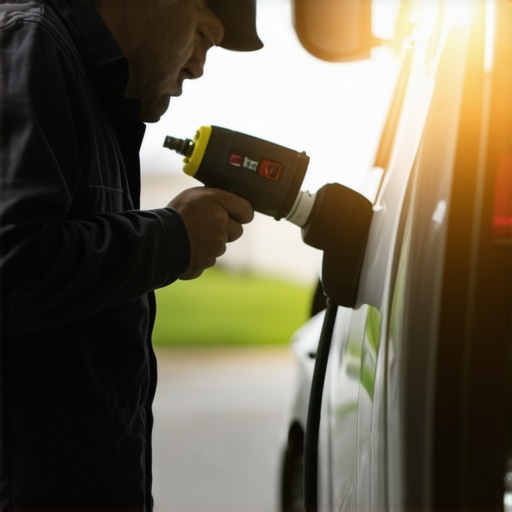
What I Learned About Overheating Cables That Changed My Approach
One of the most eye-opening realizations was that not all warmth is a sign of danger—sometimes, it’s just normal operation. However, persistent or excessive heat was a clear indicator I needed to dig deeper. I discovered that understanding the nuances of electrical load, system capacity, and quality components was essential to prevent hazards and prolong equipment lifespan. This insight pushed me to evaluate every connection and upgrade with a critical eye, rather than assuming all that glows or feels warm is safe.
My Go-To Resources for Safer EV Charging
Over time, I’ve relied on expert tools and authoritative guides to keep my system in check. The Fluke 116 multimeter has been invaluable for accurately diagnosing wiring issues, while thermal imaging cameras like the FLIR C3 allow me to visualize hotspots before they become problematic. Additionally, I trust resources like the comprehensive guides on code compliance and professional installation, which have saved me from costly mistakes. These tools and information sources have become my essentials for safe, reliable EV charging at home.
Taking Action That Makes a Difference in My Charging Safety
Encouraged by my experiences, I now perform routine checks—regularly inspecting connectors, testing voltage, and monitoring system performance. Using thermal scans after charging sessions helps catch issues early, while upgrading my electrical panel with a dedicated, code-compliant solution ensures my system can handle future demands. I urge fellow EV owners to view these practices not as chores but as vital steps toward long-term safety and peace of mind. After all, staying proactive can prevent emergencies and keep your home secure.
Comments are closed.