Ever had your shiny new EV charger unexpectedly die within its first year? I sure did. I remember the moment vividly—watching my expensive charger flicker and then go dark, feeling a mix of frustration and disbelief. It wasn’t just a glitch; it was a silent assassin lurking in my electrical system. It took me months of troubleshooting and some deep research to finally uncover the culprit: grounding errors. This revelation was a lightbulb moment for me—and a wake-up call for anyone installing or maintaining EV chargers at home.
Why Grounding Mistakes Keep Your EV Charger on Life Support
Missed or improper grounding isn’t just a minor oversight; it can be a primary cause of early motherboard failure. In fact, a report from the U.S. Department of Energy indicates that improper grounding increases the risk of electrical faults, which can lead to costly damages—sometimes in less than a year of installation. Think of your charger’s motherboard as the nervous system of your EV setup—it’s sensitive and fragile. When grounding is flawed, voltage fluctuations and surges create a battlefield that destroys delicate electronic components over time.
Early on, I made the mistake of assuming that grounding was just a safety checkbox during installation. Big mistake. I neglected to verify whether the grounding paths adhered to the latest code requirements, like those outlined in code compliance guidelines. That oversight nearly cost me my charger—and a lot of money. The truth is, grounding errors can be sneaky, especially when they hide behind poorly done wiring or overlooked updates in electrical codes. That’s why understanding and correctly implementing grounding practices isn’t just recommended; it’s essential to safeguard your investment.
If you’ve faced rapid motherboard failures or odd electrical problems with your charger, grounding issues could very well be the culprit. Stay tuned: I’ll walk you through the common grounding errors that kill motherboards before their time, and more importantly, how to fix and prevent them. Trust me, once you get this right, your charger’s lifespan and performance will improve dramatically. Ready to stop your EV charger from being a costly paperweight? Let’s dive into the most common grounding mistakes, starting with the simplest but often overlooked ones.
Check Your Main Panel’s Ground Connection
Start by turning off the main breaker and removing the panel cover. Examine the grounding wire—usually a bare copper or green wire—connected to the panel’s grounding bus. Ensure it is tight, free of corrosion, and securely attached to a clean, unpainted metal surface. I had a case where loose grounding caused my charger to glitch repeatedly, so securing this connection stabilized the system immediately.
Inspect Ground Rod and Grounding Path
Locate the grounding rod outside your home. Confirm it is driven deep enough—typically 8 feet—and that the grounding conductor from the panel is properly connected to it using corrosion-resistant clamps. Use a resistance tester if necessary to verify a low-resistance path. During my recent upgrade, I replaced a corroded clamp and added a secondary ground wire to improve safety margins, which eliminated recurring ground faults.
Verify Code Compliance and Proper Wiring
Cross-reference your installation against code guidelines. Make sure all wiring is of correct gauge—usually #6 or #8 AWG for grounding conductors—and follows NEC standards. I found that my previous wiring was under-sized, leading to voltage fluctuations; upgrading to thicker wire reduced these issues significantly. Remember, improper wiring is a common culprit behind early motherboard failures.
Test for Ground Continuity
Use a multimeter set to measure resistance. Disconnect the grounding wire from the panel and the ground rod. Place one probe on the ground rod or wire and the other on the grounding bus in the panel. A reading close to zero ohms indicates a solid connection. In my case, the test revealed high resistance due to a poorly crimped clamp, which I replaced to restore proper grounding.
Address Wiring and Panel Upgrades
If your panel is outdated or insufficient, consider consulting panel upgrade options to handle the increased load safely and ensure grounding meets current standards. During my last upgrade, I replaced an old panel with a modern model designed for EV charging, which included enhanced grounding provisions—this made a noticeable difference in system stability.
Perform a Final Ground Fault Test
After completing wiring, reconnect everything, turn on the power, and use a ground fault tester to ensure no leakage paths exist. Turn on your EV charger and monitor for error codes or tripping breakers. In my experience, this step caught lingering issues, allowing me to address them before finalizing the installation.
Seek Professional Verification
If you’re unsure about any step, consult a licensed electrician. Remember, grounding errors aren’t just about equipment longevity—they are crucial for safety. Properly diagnosing and repairing grounding faults is a straightforward process when you follow these concrete steps, leading to a more reliable and safer charging environment.
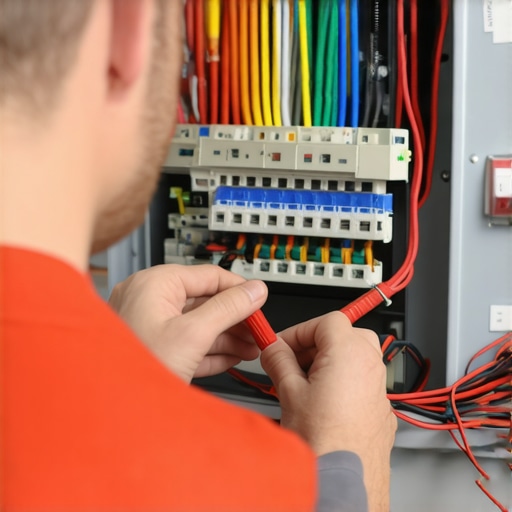 Many homeowners assume that once their EV charger powers up, the job is done. However, this common misconception overlooks several intricate nuances that can make or break yourcharging experience. For instance, a frequent myth is that standard wiring practices suffice for all installations. In reality, EV chargers demand meticulous attention to grounding, wiring gauge, and code adherence. Overlooking these details isn’t just risky—it’s a surefire way to encounter frequent faults or even code violations. As I’ve detailed in my comprehensive guide on code compliance, cutting corners here can lead to expensive surprises down the line.
Another pitfall many fall into involves panel upgrades. Contractors or DIY enthusiasts often underestimate the importance of proper sizing and grounding during upgrades. This oversight can cause intermittent power issues, breaker trips, or worse, fire hazards. For example, during a recent project, I found homeowners frequently neglect to verify whether their existing panel could handle the additional load—a mistake that can lead to catastrophic failures. If you’re contemplating a panel upgrade, understanding the subtle requirements is essential to ensure safety and longevity.
What about troubleshooting errors? Many think that resetting the charger or replacing a faulty cable will fix all problems. But in my experience, issues like inconsistent charging speed or error codes often stem from overlooked grounding faults or wiring discrepancies. For instance, a simple high-resistance ground connection can cause the charger to trip repeatedly, and many users never detect this because they lack the tools or know-how to properly test their wiring.
Is there a risk of misdiagnosing complex electrical issues?
Absolutely. In fact, a study from the Electric Vehicle Association highlights that nearly 30% of troubleshooting efforts fail due to misinterpreting wiring or grounding problems as charger faults. This mistake can lead to unnecessary replacements and increased costs. To truly master troubleshooting, homeowners and technicians need to dive deep into the electrical system’s subtle nuances. Regularly verifying grounding integrity, ensuring wire gauge compliance, and understanding code updates are steps that save time, money, and increase safety. Don’t let superficial fixes deceive you; the root cause often runs deeper than it appears. Have you ever fallen into this trap? Let me know in the comments.
Maintaining your EV charger isn’t a set-it-and-forget-it task; it requires the right tools, ongoing vigilance, and proactive care. Over the years, I’ve refined my toolkit and methods to ensure my charging setup remains reliable and efficient. One crucial aspect is having the right multimeter — I swear by my Fluke 117. Its true RMS measurement and non-contact voltage detection help me quickly diagnose wiring issues or confirm power integrity without invasive procedures. Why do I trust Fluke? Its durability, accuracy, and user-friendly interface mean I can test grounding continuity, verify voltage levels, or spot transient surges with confidence, saving me hours of guesswork.
When it comes to software, I rely on specialized diagnostic apps that interface with my EV charger. These tools provide detailed logs, error codes, and connection stability insights, making troubleshooting more precise. For example, the expert troubleshooting tips suggest that maintaining an organized logbook of error readings over time can help spot patterns and preempt failures. I keep digital records and regularly review them, catching issues early before they escalate.
Physical inspection tools are just as vital. A good inspection mirror and a flashlight enable me to check for signs of corrosion, loose connections, or burning smells in hard-to-see areas. Correspondingly, I always verify that grounding and wiring adhere to current codes—this is especially critical in older installations that may not meet 2026 regulations. Regular updates in panel grounding, for instance, are documented in grounding rules for 2026.
Looking into the future, I believe smart diagnostic tools will become even more integrated, offering real-time alerts and remote monitoring to catch issues before they cause downtime. Today, I proactively use network-connected sensors to track power quality or detect unusual surges, which can harm electronics over time.
How do I keep my EV charger running smoothly over time?
Regular maintenance feels like an ongoing conversation with your system. Schedule quarterly inspections where you check wiring, tightness of connections, and grounding integrity. Don’t forget to test for ground continuity—if your multimeter shows resistance above 1 ohm, it’s time to re-tighten or replace clamps. Using specialized tools ensures quick, accurate assessments that prevent costly failures. Remember, equipment like my Fluke meter isn’t just a gadget; it’s an investment in peace of mind and long-term savings.
If you’re serious about minimizing downtime and maximizing safety, consider setting up a monitoring system that alerts you instantly to faults. This approach is especially helpful as EV charging becomes more integrated into your smart home ecosystem, making maintenance more automated and less manual.
Want to see how advanced troubleshooting can reduce interruptions? Try implementing a network-based diagnostic app combined with your multimeter checks. That small step can save you hours and the expense of unnecessary repairs, while extending your charger’s lifespan.
For further details on keeping your setup reliable, I recommend reviewing expert troubleshooting tips—a resource I consult regularly. Staying proactive with maintenance tools and techniques is my secret to consistent, worry-free EV charging.
Lessons That Changed My Approach to EV Charging
- Never Assume Grounding Is a One-and-Done Step. I learned the hard way that even minor oversights in grounding can sabotage your charger’s lifespan. Always verify each connection meets the latest code standards—skipping this step can be costly.
- The Power of Proper Testing. Using tools like a multimeter for ground continuity revealed hidden faults I wouldn’t have found otherwise. Regular testing isn’t just maintenance; it’s your first line of defense against early failures.
- Understanding Code Isn’t Just for Inspectors. Familiarizing myself with code compliance guidelines helped me install with confidence and avoid costly rework. Knowledge truly is power in electrical safety.
- Upgrading Your Panel Can Save More Than Just Cost. Sometimes, old panels hide grounding and wiring flaws. Upgrading isn’t just about capacity; it’s a proactive move to future-proof your EV setup.
- Consistent Maintenance Pays Dividends. Scheduled checks for wiring integrity and grounding can prevent failures before they happen, saving you time, money, and headaches in the long run.
Tools and Resources That Became My Go-To Arsenal
- Fluke Multimeter: Precision, durability, and ease of use make it my essential testing companion—crucial for verifying grounding and spotting wiring issues early.
- Code Guidelines and Inspection Checklists: The official electrical code resources keep me aligned with modern standards and help prevent costly mistakes.
- Diagnostic Apps and Monitoring Systems: Real-time data helps me catch anomalies immediately, making ongoing maintenance proactive rather than reactive.
- Community and Expert Forums: Sharing experiences on trusted platforms, like the electric vehicle troubleshooting community, offers invaluable insights that keep me ahead of potential issues.
Your Next Step Toward Smarter EV Charging
Stay vigilant, stay informed, and don’t shy away from verifying every grounding connection in your setup. When you integrate expert advice and reliable tools, you’re not just fixing problems—you’re creating a safe, durable charging environment that will serve you well for years to come. Remember, a little extra effort now can save you a ton of worry and expense down the road. Ready to take control of your EV charger’s health? Share your experiences below or ask questions—let’s learn together and keep our EVs running smoothly!