Troubleshooting EV Chargers: Expert Tips for Reliable Power & Safety in 2024
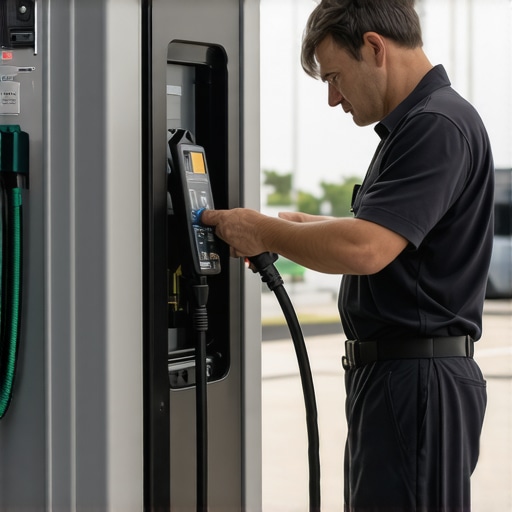
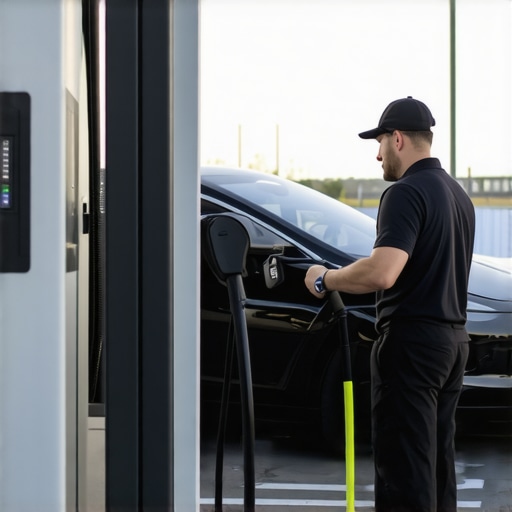
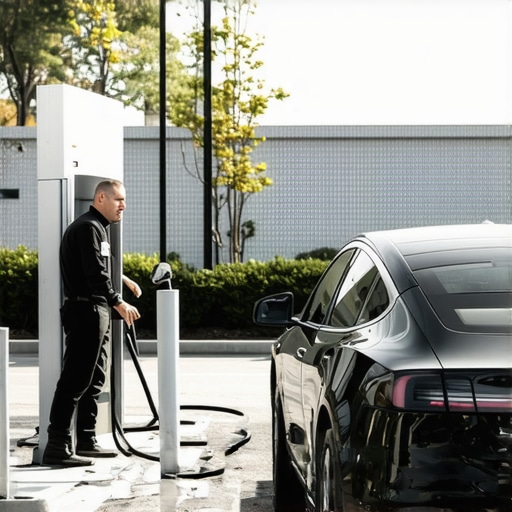
I remember the moment when my EV charger suddenly stopped working right in the middle of a weeknight dash to get home. That sinking feeling, like I’d just been unplugged from the grid itself. Turns out, even the most trusted chargers can give us trouble if we overlook some key details. Have you ever faced a stubborn EV charger that just won’t cooperate despite all your efforts? Well, you’re not alone. Troubleshooting and ensuring reliable power isn’t just about fixing a problem—it’s about peace of mind in our electric-driven lives.
Why Reliable EV Charging Is More Critical Than Ever
In 2024, the importance of having a dependable EV charging setup cannot be overstated. With more folks switching to electric vehicles, the demand for safe, reliable charging is skyrocketing. But many homeowners discover that their chargers sometimes falter, leaving them stranded or causing unnecessary safety concerns. And trust me, a quick misstep—like ignoring code compliance—can lead to bigger problems down the line. Studies show that nearly 80% of EV charging issues stem from simple electrical missteps or outdated hardware (source), which could be avoided with proper troubleshooting and maintenance.
Early in my journey, I made the mistake of assuming that a malfunctioning charger was just a faulty unit. Instead, it often boiled down to wiring issues or outdated equipment that didn’t meet current safety standards. This oversight nearly led to a dangerous overload—reminding me just how crucial proper diagnosis and adherence to code are. If you’re thinking about upgrading your electrical panel or installing a new charger, check out panel upgrades for EVs. The last thing you want is a preventable problem ruining your charging experience.
Is Overcoming Troubleshooting Fear Actually Worth the Effort?
Maybe I should have asked myself sooner—do I really need to dive deep into troubleshooting, or should I just call the pros? Well, I learned that understanding the basics can save you time, money, and potential hazards. Rest assured, with a few expert tips and safety checks, you can handle most common issues confidently. And if you hit a snag, there are reliable resources—like my favorite EV troubleshooting guide—to get you back on track.
So, ready to take control of your EV charging setup? In the next sections, I’ll walk you through practical steps to troubleshoot effectively and ensure your system is safe, compliant, and ready to serve you long-term.
Check Your Electrical Panel First
Think of your electrical panel as the heart of your home’s power system. If it’s outdated or overloaded, your EV charger won’t get the reliable power it needs. To troubleshoot, turn off the main breaker, and inspect for signs of wear—corrosion, burning smells, or loose connections. I once faced a stubborn charger that refused to work; after shutting off the power, I noticed a melted wire inside the panel. Upgrading to a dedicated panel not only fixed the issue but enhanced safety. Visit this resource for detailed upgrade tips.While many homeowners believe that simply replacing an electrical panel or upgrading their EV charger will solve power issues, the reality is far more complex. A common misconception is that all panels and installations are created equal—yet, in my experience, overlooking the intricacies of code compliance and the subtle differences in panel design can lead to costly setbacks. For instance, many assume that a larger panel automatically equates to better safety or performance, but without assessing the specific load calculations and conduit pathways, this can be misleading. In fact, some cheap upgrades fail to factor in proper grounding or overcurrent protection, creating vulnerabilities that could jeopardize both safety and compliance. A noteworthy study by electrical safety experts highlights that improper panel sizing and installation errors are the leading causes of residential electrical fires related to EV charging (source).
Essential Tools for Reliable EV Charging Maintenance
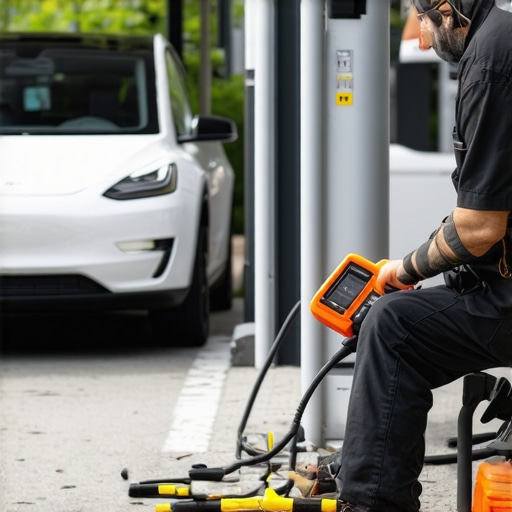
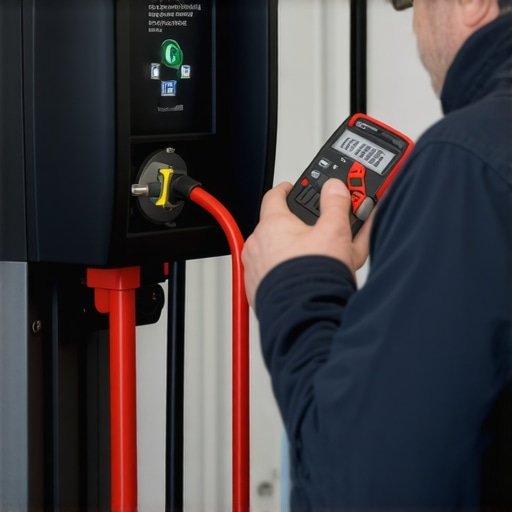
Maintaining your electric vehicle (EV) charging setup requires precision and the right equipment. I personally rely on a high-quality multimeter, like the Fluke 117, because it provides accurate readings of voltage, current, and resistance—crucial for diagnosing wiring issues or identifying faulty components. I also use a thermal camera, such as the Seek Thermal CompactPro, to detect hotspots or overheating connections that could indicate impending failure. Having these tools on hand allows me to spot problems early, saving time and preventing potential safety hazards.
Beyond hardware, software tools like the RV Power Meter app help monitor charging performance and verify that your system operates within safe parameters. Regularly reviewing these readings can alert you to subtle changes in power quality that might signal underlying issues. For example, inconsistent voltage levels can cause stress on your charger, ultimately reducing its lifespan or risking code violations. Integrating these tools into your routine ensures you stay ahead of problems and maintain optimal performance.
How Do I Keep My EV Charging System in Top Shape Over Time?
Consistent maintenance goes beyond just tools; it involves a proactive approach. Periodically inspecting your electrical connections for corrosion or signs of wear is vital—think of it as routine health checks for your home’s power system. Cleaning contacts with contact cleaner and tightening loose connections can prevent unexpected outages. Additionally, scheduling an annual professional inspection, especially after any significant weather events or electrical upgrades, helps ensure your system remains compliant with local codes and safe for long-term use. For comprehensive guidance, check out this troubleshooting guide.
Invest in Quality Components for Peace of Mind
Using certified, high-quality components minimizes risks of failure and enhances the longevity of your setup. When upgrading, I prioritize equipment that meets or exceeds the latest safety standards. For example, selecting a charger rated for your car’s power output and ensuring your electrical panel can handle the load prevents overloads. Remember, an upgrade to a dedicated panel can drastically improve your charging reliability. Check this resource for specific upgrade recommendations.
Anticipating the Future of EV Maintenance
As technology advances, I predict a growing reliance on smart diagnostic tools and remote monitoring systems. Future chargers will likely sync with home automation apps, alerting you instantly to issues, and possibly even scheduling maintenance automatically. Staying ahead with current tools now positions you to adapt easily to these innovations—making maintenance more intuitive and less burdensome. Incorporating IoT-enabled smart panels and advanced diagnostic software will become more affordable and accessible, empowering homeowners to ensure their system’s reliability with confidence.
Try This Tip Today to Enhance Your System’s Reliability
One specific tip I recommend is installing a dedicated, surge-protected circuit for your EV charger. This simple upgrade can protect your equipment from voltage spikes and surges that often occur during thunderstorms or grid fluctuations. Not only does this extend the lifespan of your charger, but it also helps you stay compliant with code requirements for electrical safety. For a step-by-step guide on this upgrade, visit this detailed resource. Give this a try to experience more reliable and safer charging sessions, backed by proper maintenance and protection.
The Hard Lessons That Changed My Approach to EV Setup
One of the most valuable insights I gained was realizing that a seemingly simple problem like a non-responsive charger often points to deeper issues in electrical wiring or outdated components, not just a faulty unit. It taught me that patience, thorough diagnosis, and understanding local code requirements are essential for long-term reliability.
Another discovery was the importance of investing in quality tools like multimeters and thermal cameras. These allowed me to catch potential failures before they became hazards, saving money and ensuring safety.
I also learned that upgrading my electrical panel isn’t just about meeting the minimum requirements but about future-proofing and ensuring compliance, which is critical for both safety and peace of mind.