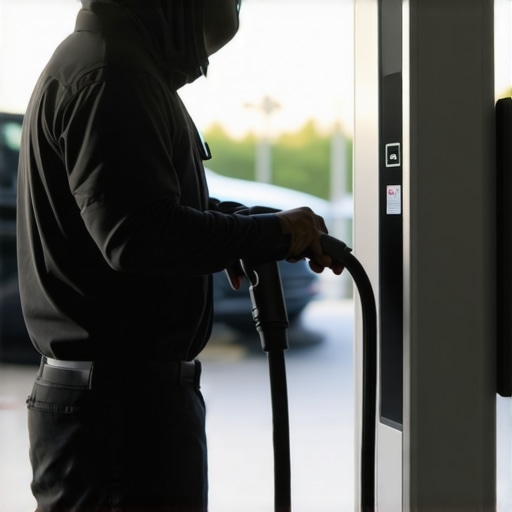

EV Charger Troubleshooting: Fast Fixes for Safe Power and Reliability
I remember the first time my EV charger refused to work right when I needed it most—an unexpected hiccup that left me stranded and frustrated. It was a cold morning, and I had a long day ahead. That moment of helplessness was a lightbulb going off. I realized that many common issues with EV chargers can be fixed quickly and safely, but only if you know what to look for. Since then, I’ve spent countless hours troubleshooting, learning from mistakes, and fine-tuning my approach. If you’ve faced similar problems—slow charging, error messages, or complete shutdown—you’re not alone. Today, I’ll share proven tips to troubleshoot your EV charger efficiently so you can get back on the road without delay.
Why Safe and Reliable EV Charging Matters More Than Ever
As electric vehicles become more popular, the importance of maintaining a dependable home charging setup skyrockets. A malfunctioning charger isn’t just an inconvenience; it can pose safety risks and lead to costly damage if not addressed promptly. According to the U.S. Department of Energy, improper electrical installations or overlooked issues can cause hazards like electrical fires or equipment failure. That’s why troubleshooting isn’t just about fixing a problem—it’s about ensuring your safety and maximizing your vehicle’s performance. But here’s the thing: many issues are straightforward to resolve if you know the right steps. I’ll walk you through the most common culprits and how to fix them safely.
Is Your Troubleshooting Method Actually Safe and Effective?
Early in my journey, I made a mistake that could have been dangerous—attempting to fix an electrical fault without turning off the main breaker. It’s a classic rookie move, but I learned the hard way that safety always comes first. Properly verifying code compliance and following electrical safety guidelines is crucial. If you’re unsure, consulting a professional or reviewing trusted resources like how to verify code compliance can save you from costly mistakes. Remember, rushing to fix an issue without proper precautions can turn a minor problem into a serious hazard. The good news is, many issues can be diagnosed and fixed with a methodical approach. And that’s exactly what I’ll share next—step-by-step troubleshooting tips that keep you safe and your charger reliable.
Check Your Power Supply First
When my EV charger suddenly stopped working during a cold winter morning, I started by inspecting the main circuit breaker. I flipped it off and on again, which often resets minor electrical glitches. If your charger isn’t responding, verify that the circuit breaker dedicated to your charging station hasn’t tripped. This step is like unplugging and plugging back in a device—simple but effective. If the breaker trips again, it indicates an underlying electrical issue that needs addressing before proceeding.
Inspect the Charging Cable and Connection
Next, I examined the cable and connector. Sometimes dirt, debris, or corrosion can cause poor contact, leading to charging errors. I cleaned the connectors with a dry cloth and checked for visible damage. Ensure the cable is fully inserted and securely connected. Think of it like plugging in your phone—if it’s not seated properly, it won’t charge. A loose or damaged connection can trigger fault codes or prevent charging altogether. Replacing a worn cable is often a quick fix, but if the issue persists, move on to the next step.
Verify Compatibility and Software Updates
Occasionally, the problem lies in software glitches. I checked whether my charger firmware was up to date, which can resolve bugs affecting connectivity or performance. Manufacturers often release updates to improve compatibility and fix known issues. Visit the manufacturer’s support site or app to verify if a firmware upgrade is available. Updating your charger’s software can be like updating your phone—sometimes, it’s the key to fixing persistent glitches.
Test Your Circuit with a Multimeter
To ensure your outlet supplies the correct voltage, I used a multimeter. A typical home outlet should provide around 120V or 240V, depending on your setup. If the voltage is too low or fluctuates significantly, your charger may not function reliably. Think of this as testing the water pressure in your plumbing—if it’s inconsistent, the water (or power) won’t flow properly. If the power supply is weak or unstable, consider upgrading your electrical panel for better performance, which is especially important for high-demand chargers. Learn more about upgrading your panel.
Assess the Charger’s Error Codes
Most chargers display error codes or blinking lights indicating specific issues. I referenced the user manual or manufacturer’s troubleshooting guide to interpret these signals. For common problems, resetting the charger by unplugging it for a few minutes can clear transient faults. If error codes persist, note them down and consult the manufacturer’s support or expert troubleshooting tips. Sometimes, the solution involves replacing internal components or adjusting settings, which may require professional help.
Ensure Code Compliance and Safe Installation
If you suspect electrical code violations—like improper wiring or insufficient grounding—do not attempt repairs yourself. Instead, review how to verify code compliance or contact a licensed electrician. Proper wiring and grounding are critical for safety and reliable operation. My experience with a faulty connection taught me that neglecting code standards can be dangerous, leading to shocks or fire hazards. When in doubt, consult professionals to ensure your setup is compliant and safe.
Upgrade Your Electrical Panel for Better Performance
If your home’s electrical panel is outdated or overloaded, it can cause frequent faults or slow charging. Upgrading to a panel with a dedicated circuit for your EV charger improves reliability and safety. Think of it as giving your charger its own lane on the highway—less congestion means smoother operation. For a comprehensive upgrade plan, check panel upgrade essentials. This step often solves persistent issues and prepares your home for future EV additions.
Many homeowners believe that troubleshooting their EV charger is a straightforward process, but the reality is more nuanced. A common misconception is that simply resetting the charger or replacing cables will solve all issues. In fact, this approach can overlook underlying problems, especially related to code compliance and panel capacity. For instance, some people assume that their existing electrical panel can handle any new EV charger without upgrades, but this often leads to frequent faults or safety hazards. Properly assessing your home’s electrical infrastructure is crucial, and a panel upgrade might be necessary to ensure reliable and safe charging. To avoid pitfalls, always verify your setup against the latest standards by reviewing common misconceptions and consulting professionals when in doubt.
Another trap many fall into is neglecting the importance of code compliance. Some think that as long as the charger works initially, safety is not an issue. However, improper wiring or grounding can cause dangerous situations over time. According to experts, upholding strict adherence to electrical codes not only prevents accidents but also ensures your warranty remains valid. When upgrading your system, review how to verify code compliance to be confident in your installation.
Advanced troubleshooting involves understanding that error codes aren’t always straightforward. Many homeowners miss subtle signs like voltage fluctuations or intermittent power that point to deeper electrical issues. Using a multimeter to test your outlet’s voltage is a step often skipped but critical for diagnosing problems. For complex cases, professional assistance can diagnose wiring faults or panel deficiencies that typical DIY steps cannot resolve. Remember, rushing into repairs without proper diagnostics can lead to more expensive damage. If you’re ever unsure, don’t hesitate to reach out to a licensed electrician.
What advanced mistakes do homeowners often make when upgrading their electrical system for EV charging?
One of the most overlooked errors is underestimating the load capacity of existing panels. Many assume that just adding a dedicated circuit suffices, but if the panel is outdated or already near capacity, it can cause overloads or frequent tripping. Upgrading your panel is a strategic investment that not only supports current needs but also future-proofs your home for additional EVs or renewable energy systems. According to industry experts, a properly sized panel is fundamental to safe, efficient charging. Don’t fall into the trap of temporary fixes; always evaluate your entire electrical infrastructure, and consider comprehensive upgrades if needed.
Finally, avoid the misconception that troubleshooting is solely about fixing hardware. Software updates and firmware are equally vital. Manufacturers regularly release updates that fix bugs or enhance compatibility. Failing to keep your EV charger software current can lead to persistent connectivity issues or safety alerts. Regularly check for updates through the manufacturer’s app or support site to maintain optimal performance. Remember, a well-maintained system is a safe and reliable system. Have you ever fallen into this trap? Let me know in the comments.
Keeping your EV charger functioning smoothly over time requires more than just initial setup; it’s about using the right tools and adopting good maintenance habits. Personally, I rely on a few specialized instruments to diagnose and troubleshoot issues efficiently. For example, a high-quality digital multimeter is indispensable. I prefer a Fluke 117 because of its accuracy and ease of use—it allows me to verify outlet voltage, check wiring integrity, and ensure proper grounding without guesswork. Regularly measuring voltage levels helps me catch potential problems early, preventing costly failures down the line.
Another essential tool I recommend is a circuit tester, especially one designed for GFCI outlets. Since many home chargers are connected through GFCI protected circuits, testing these outlets periodically ensures they function correctly and trip when necessary. I also carry a dedicated EV charger tester, which simulates charging conditions and verifies the communication between the charger and vehicle, helping me identify issues with the charger’s internal circuitry before they escalate.
On the software side, I utilize manufacturer-specific apps for firmware updates and diagnostics. Many modern chargers come with companion apps that provide real-time status updates, error logs, and easy firmware upgrades. Regularly checking for updates through these apps can fix bugs and improve compatibility, especially as standards evolve. For instance, I recently updated my charger firmware after reading about improvements in [industry standards](https://brightsparkzelectric.com/ev-charger-troubleshooting-expert-tips-for-common-issues), which significantly improved reliability.
Scheduling routine inspections of your electrical panel is also critical. I recommend a professional check-up at least once a year to evaluate panel capacity, wiring integrity, and grounding. Upgrading your panel when needed—preferably to a dedicated circuit with a modern, properly rated breaker—can dramatically reduce faults and ensure your charger operates at peak safety and efficiency. This proactive approach prevents overloading and extends the lifespan of your electrical infrastructure.
How do I maintain my EV charging system over time?
Maintaining your EV charging system involves consistent inspections and timely upgrades. Regularly clean and inspect your charging cable and connectors to prevent corrosion or dirt buildup, which can cause poor contact and faults. Use a dry cloth or a contact cleaner recommended by the manufacturer to keep the contacts clean without damaging sensitive components. Additionally, monitor your system’s error logs via the app and address recurring issues promptly.
Another long-term tip is to stay informed about code updates and safety standards. Reviewing resources like how to verify code compliance ensures your setup remains compliant and safe as regulations evolve. If you notice persistent faults, don’t hesitate to contact a licensed electrician through our contact page for a professional assessment. Remember, the key to reliable EV charging is proactive maintenance and leveraging the right tools to diagnose issues early, saving you time and money while safeguarding your home and loved ones.
Lessons That Changed My Approach to EV Charging
- Never underestimate the power of proper grounding. I once ignored a minor grounding issue, which led to intermittent faults that seemed unsolvable until I consulted an electrician. Proper grounding is the backbone of safe, reliable charging—and my biggest lightbulb moment came when I realized that electrical safety standards are non-negotiable.
- Firmware updates can fix what hardware can’t. I used to dismiss software as secondary, but after regularly updating my charger firmware, I noticed a significant decrease in error messages and connectivity problems. Staying current with manufacturer updates is a game changer for long-term reliability.
- Panel capacity is often the unseen culprit. Before upgrading my home electrical system, I thought adding a dedicated circuit was enough. Turns out, my outdated panel was a bottleneck that caused frequent trips. Upgrading the panel not only fixed my issues but also future-proofed my home for additional EVs or solar integrations.
Tools and Resources That Keep My System in Top Shape
- High-quality multimeter: I trust a Fluke 117 for its accuracy in testing outlet voltage and wiring integrity, which is critical for early problem detection. Reliable diagnostics save time and prevent hazards.
- GFCI outlet tester: Periodically testing GFCI outlets ensures safety and proper function, especially since many chargers use GFCI protection. It’s a simple step that prevents surprises.
- Manufacturer-specific apps: These apps provide firmware updates and real-time diagnostics. I check for updates monthly; it’s an easy way to maintain optimal performance.
- Professional electrical assessments: An annual check-up from a licensed electrician helps evaluate panel capacity, wiring, and grounding—investments that pay off by preventing costly failures.
Your Next Step in EV Charging Confidence
Taking control of your EV charging system with proper troubleshooting and upgrades means safer, more reliable, and future-ready home charging. Don’t wait for a breakdown—be proactive, stay informed, and trust the experts when needed. Your electric vehicle deserves nothing less than a system you can rely on, day after day.
What has been your biggest challenge with troubleshooting your EV charger? Share your experience below—I’d love to hear your story!
Reading through these troubleshooting tips really resonates with my experience. One thing I learned the hard way was the importance of regularly inspecting and maintaining my charging cable and connectors, especially during colder months when dirt and corrosion can sneak in more easily. I once ignored a slight fault in the connector, which eventually led to intermittent charging issues. After replacing the cable and ensuring all connections are secure, my system runs much smoother now. I also appreciate the emphasis on verifying electrical code compliance—it’s easy to overlook, but safety should always be the top priority. Does anyone have recommendations for reliable multimeters or tools that make testing easier for someone not professionally trained? I want to become more proactive in maintaining my system but want to ensure I’m using the right equipment.