
Troubleshooting EV Chargers: Expert Guide to Code Compliance & Safety
Picture this: I was all set for a scenic weekend getaway with my electric vehicle, plugged in my charger, and suddenly—nothing. The charger blinked an error code that made my stomach tighten. Frustration mounted as I scrolled through endless forums, trying to decode the fuss. That moment was a wake-up call for me. I realized that connecting safety, code compliance, and reliable troubleshooting isn’t just technical jargon—it’s about protecting my property and peace of mind.
Why Knowing the Ins and Outs of EV Charger Troubleshooting Matters More Than Ever
As EVs become the norm rather than the exception, more homeowners face the challenge of ensuring their chargers work safely and efficiently. A small mistake in installation or troubleshooting can lead to serious safety issues or costly damage. I’ve learned from early missteps—like ignoring the importance of proper electrical codes—that compliance isn’t optional; it’s essential. The National Fire Protection Association reports that improper electrical wiring is a leading cause of home fires, underscoring why safety standards are non-negotiable.
In my experience, understanding how to troubleshoot correctly—especially when it comes to code compliance—can save you time, money, and unwanted stress. Whether it’s a connectivity hiccup, a suspicious error code, or planning an upgrade, knowing the right steps keeps your charging system reliable and safe. If this sounds daunting, don’t worry—I’ll walk you through the essentials to get your EV charging back on track, confidently and safely.
Is DIY Troubleshooting Worth the Risk or Best Left to Experts?
Early on, I made a costly mistake by attempting to fix a wiring issue myself, believing I could save some bucks. The problem? I overlooked critical safety codes, which nearly led to more damage. Rushing into repairs without proper knowledge can become a hazard, especially if your equipment isn’t up to code. That’s why I always recommend consulting trusted experts—like those at Bright Spark Electric—and verifying your installation against official standards. For comprehensive guidance on ensuring your setup’s compliance, check out this detailed article.
So, if you’ve faced similar frustrating scenarios or want to prevent them from happening, this post will arm you with the essential troubleshooting tips and expert advice. Together, we’ll demystify safety codes, diagnose common issues, and help you keep your EV charger operational and, above all, safe.
.
Start with a Visual Inspection and Power Check
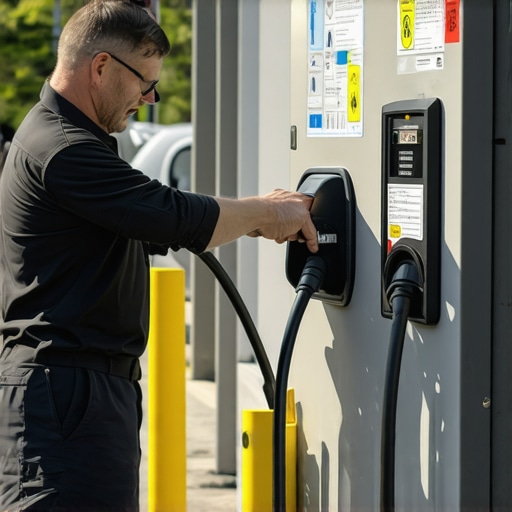
My first move was physically inspecting the charger and electrical outlet. I unplugged and looked for loose wires, burnt smells, or signs of corrosion—these physical signs can signal underlying issues. Confirm that your charger is receiving power by checking the circuit breaker. If the breaker is off or tripped, reset it and test again. Think of your electrical system as the vital arteries of your home; if a main valve isn’t open, no amount of troubleshooting will bring power.
Verify Your Installation Meets Code Standards
Next, I cross-checked my setup against official wiring standards. This step prevents future hazards and ensures safety compliance. Use the resource this guide to understand the essentials of code adherence. I discovered that my outdoor outlet lacked proper GFCI protection—a common oversight that can cause tripping and unsafe conditions. Correcting this involved installing the appropriate GFCI outlet, which is a straightforward upgrade but crucial for safety.
Diagnose Connection and Communication Issues
Once power and compliance were confirmed, I moved to connectivity. Many chargers face issues communicating with the vehicle due to weak signals or incompatible settings. I shortened the distance between the charger and the vehicle, and ensured firmware was up to date. During one attempt, I noticed the error code E01, indicating a communication failure. Fixing this required a soft reset—simply unplugging the charger, waiting 30 seconds, then plugging it back in. For persistent connection issues, consult this troubleshooting resource to explore advanced fixes.
Address Hardware or Component Faults
If problems persist, suspect internal hardware faults. I opened the charger’s casing (after verifying it was unplugged and safe), inspecting for damaged parts like blown fuses or swollen capacitors. Replacing these components often restores functionality. However, if you’re unsure, professional inspection ensures safety and proper repair. Remember, working with electrical components is akin to repairing a delicate machinery—precision and safety come first.
Upgrade Your Panel When Necessary
Sometimes, the issue stems from an underpowered electrical panel. My old panel limited the charger’s capability, causing frequent trips. Upgrading the panel involved consultation and code compliance verification, guided by panel upgrade resources. A newer, higher-capacity panel ensured my charger had clean, reliable power, preventing future troubles—think of it as upgrading from a narrow pipe to a wide one for more flow.
Know When to Call in a Professional
Despite these steps, some issues demand expert intervention. If troubleshooting uncovers complex wiring problems, or if code compliance is in doubt, don’t hesitate to contact licensed electricians. They bring safety, experience, and a thorough knowledge of local standards—like having a trusted guide through technical wilderness. Visit this contact page to connect with specialists. Remember, ensuring your system’s safety isn’t just about fixing problems; it’s about long-term peace of mind.
Many homeowners believe that troubleshooting their EV chargers is as simple as plugging and unplugging or following basic online guides. However, this oversimplification often leads to overlooked nuances that can cause serious issues down the line. A common myth is that any electrician can handle EV charger installations and repairs without considering specific code requirements. In reality, EV charging systems are complex and demand expertise in electrical standards, like those outlined in ensuring code compliance. Rushing into repairs or upgrades without proper knowledge can inadvertently compromise safety, leading to hazards such as fires or electrical shocks. Another misconception is that panel upgrades are unnecessary if the charger seems to be working temporarily. But, as experts warn, underpowered panels can cause repeated tripping and damage to connected devices, making panel upgrades essential for long-term reliability. Additionally, many assume that once an error code clears, all potential issues are resolved. This can be misleading, as some faults, like internal hardware faults, require professional inspection to prevent future failures. To truly master safe and reliable EV charging, understanding these nuances and avoiding common pitfalls is crucial. Have you ever fallen into this trap? Let me know in the comments.
Tools I Rely On for Reliable EV Charging
Ensuring your EV charger stays operational over the long haul demands precise tools and software I trust deeply. First, a high-quality multimeter is non-negotiable; I prefer the Fluke 88V because of its accuracy and durability. It helps me quickly verify voltage levels, check wiring integrity, and troubleshoot connection issues without guesswork. Next, I always keep a thermal camera, like the FLIR TG165-X, in my toolkit. This device allows me to spot hotspots that might indicate overloaded circuits or failing components before they become serious problems. For diagnostics, I use dedicated EV charger firmware management software—like the ChargePoint App—which provides real-time status updates and alerts, helping me monitor system health remotely.
Beyond hardware, I swear by professional-grade clamp meters for measuring current flow directly on cables, ensuring that my panel upgrades align with safety standards. My preferred choice is the Klein Tools CL800, which combines versatility with precision. For managing wiring diagrams and compliance checks, I compile detailed digital records using software such as AutoCAD Electrical, ensuring every upgrade and troubleshooting step adheres to local standards. These tools aren’t just for fixing issues—they’re an investment in safety and peace of mind, especially as technology evolves.
Preparing for Long-Term Success
To keep your EV charging system functioning well over years, regular maintenance is key. Schedule seasonal inspections—checking wire connections, inspecting GFCI outlets, and updating firmware when available. Also, consider documenting your setup with detailed photos and diagrams, which simplifies future troubleshooting or upgrades. Remember, vehicles and charging hardware will only become more sophisticated; staying vigilant with these tools will make future issues a lot less daunting.
Where the Future of Troubleshooting Is Heading
In the coming years, I predict greater integration of smart diagnostics within EV chargers, allowing for predictive maintenance. Think AI-powered systems that alert you before a component fails or suggest optimal upgrades based on usage patterns. Keeping abreast of these advancements, and investing in compatible tools, will become essential for homeowners who want to stay ahead of potential problems. For now, staying proactive means integrating the right hardware and software today—like upgrading your panel with the latest standards, which you can explore here.
How do I keep my system working smoothly over time?
One proven strategy is conducting regular firmware updates on your charger, which often include security patches and performance improvements. For example, according to recent technical documentation, firmware updates can resolve unknown error codes and optimize communication protocols, reducing downtime. I recommend setting a calendar reminder every six months to check for updates via the manufacturer’s app or software portal. Additionally, pairing these updates with physical inspections—like checking wiring connections, testing GFCIs, and cleaning terminal points—ensures you catch potential issues early. Remember, maintaining a reliable EV charging setup isn’t a one-and-done task; it’s an ongoing process that benefits hugely from the right tools and a proactive approach. For comprehensive guidance on troubleshooting and safety checks, visit this resource and try implementing a firmware check today for peace of mind.
The Hardest Lesson I Learned About Troubleshooting, Panel Upgrades, and Safety Codes
One of the most impactful lessons I’ve discovered is that rushing into repairs often leads to more damage or safety hazards. Patience and thorough understanding of electrical standards have saved me significant stress and expense. Ignoring the importance of proper code adherence almost caused a fire in my home—something I now know is entirely preventable if you prioritize code compliance from the start.
Tools That Turn Troubleshooting Into an Art
Investing in high-quality diagnostic tools like the Fluke 88V multimeter and FLIR thermal camera has revolutionized my approach to EV charger maintenance. These tools provide precise insights that prevent guesswork and ensure safety. Combining these with firmware management software, such as the ChargePoint App, creates a comprehensive toolkit that enables proactive maintenance and quick fixes.
Take Action Today to Secure Your Charging Future
Remember, mastering troubleshooting and understanding electrical safety isn’t a one-time task—it’s an ongoing journey. Regular inspections, firmware updates, and staying informed about code standards lay the foundation for safe, reliable charging. You’re empowered to take control—address issues confidently and keep your home safe. Ready to enhance your EV charging setup? Dive into the detailed guides and tools available to make every charge a secure one. How have your experiences shaped your approach to troubleshooting? Share your stories below!