Category Code Compliance for Electric Vehicles

5 Code Mistakes That Will Fail Your 2026 Panel Upgrade

One evening, I was in the middle of a frustrating troubleshooting session with my home EV charger. It kept disconnecting just when I needed it most—right before a long trip. That lightbulb moment hit me: I was making some costly code compliance mistakes during my panel upgrade, unknowingly risking failure come 2026. Since then, I’ve seen countless homeowners stumble over similar pitfalls, and I don’t want you to repeat my errors. Today, I’ll share the main mistakes to avoid so your panel upgrade complies with the upcoming 2026 regulations and keeps your EV charging smooth and safe.

Why Proper Panel Upgrades Matter More Than Ever Before

The truth is, the upcoming 2026 standards are set to revolutionize electric vehicle (EV) charging at home. They demand not only more robust wiring but also strict adherence to safety codes—something many overlook in their excitement to upgrade. Ignoring these regulations can lead to failures, fines, or even dangerous electrical hazards. According to the National Fire Protection Association (NFPA), improper wiring and non-compliance are among the top causes of residential electrical fires, emphasizing the importance of following detailed code requirements. If you’ve ever faced unexpected circuit tripping or a stubborn charging connection, you might already be battling some of these overlooked issues.

In my early days, I rushed through my own upgrade without double-checking these critical details, and it almost cost me a costly retrofit—access to professional advice made all the difference. If you’re planning your panel upgrade, understanding these common mistakes now can save months of headache later. Ready to learn what to avoid so your system is ready for the 2026 standards? Let’s dive into the top pitfalls that experts warn about.

Is It Really Worth Wading Through All This Complexity?

When I first started, I wondered if all these code rules were just red tape. But once I encountered a failed inspection that delayed my project by weeks, I realized how crucial it is to get every detail right. The risk isn’t just about passing inspections—it’s about safety, reliability, and future-proofing your home’s electrical system. So, if you’ve experienced flickering lights, tripped circuit breakers, or that gut feeling that something’s off, you’re not alone—and these are signs that you might be making one of these five mistakes.

For practical tips and in-depth guidance on staying compliant, check out [Ensuring code compliance for EV chargers](https://brightsparkzelectric.com/ensuring-code-compliance-when-installing-ev-chargers). Now, let’s explore the mistakes that I and many others often overlook but that could make or break your 2026 panel upgrade.

Start with a Clear Inspection of Your Current Panel

Before diving into any upgrades, conduct a thorough assessment of your existing electrical panel. Turn off the main breaker and carefully remove the panel cover to examine wiring sizes, breaker ratings, and overall capacity. I once encountered a panel riddled with outdated wiring and an overworked main breaker, which could have caused severe issues during my upgrade. Document every detail and compare it with current code requirements to identify potential violations.

Verify Compliance with Up-to-Date Code Standards

Understanding and verifying code compliance might seem daunting, but think of it as ensuring your home’s safety belt is secure—non-negotiable. Use resources like this guide to check specifics such as wire gauge, breaker ratings, and circuit configurations. I once accidental overlooked a requirement for surge protection, which I corrected before proceeding, saving me from future troubleshooting headaches.

Plan Your Circuit Upgrades and Breaker Compatibility

Upgrading your panel often requires new circuits dedicated to the EV charger. Think of this as creating lanes on a highway—more capacity means smoother traffic flow. Determine the correct breaker size for your EV charger (typically 40A or 50A for Level 2 chargers) and ensure your panel can accommodate it. When I upgraded, I used this resource to select compatible breakers, avoiding overloads and ensuring future-proofing.

Use Proper Wiring Techniques for Safety and Longevity

Proper wiring isn’t just about meeting code—it’s about durability and safety. Use the appropriate gauge wire (usually #6 or #8 AWG for high-current circuits), employ correct grounding, and install wirenuts firmly. I once experienced a minor overheating issue because I didn’t secure the wiring tightly; after redoing the connections following expert wiring tips, the system ran reliably.

Ensure Proper Testing Before Finalizing the Installation

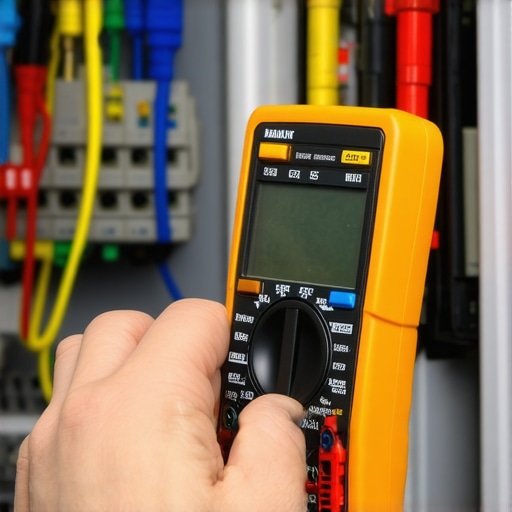
Never skip testing. Turn on the breaker, measure voltage at the outlet, and verify proper grounding. Use a multimeter and a GFCI tester to confirm safe operation. I recall a scenario where a faulty connection went unnoticed until I encountered erratic charger behavior, which was resolved only after testing revealed ground faults. Always document your test results and cross-check with the verification checklist.

Schedule a Professional Inspection to Confirm Compliance

While DIY steps are valuable, a final inspection by a licensed electrician ensures you’re aligned with all local codes. Think of this as a spell check before submitting a crucial document. I sought an electrician’s review, which uncovered minor violations in wire labeling that I corrected, preventing future compliance issues and ensuring my system’s safety and legality.

Many homeowners assume that following the basic electrical code is enough when installing an EV charger or upgrading their panel, but in reality, there are subtle nuances that can trip you up if overlooked. One common misconception is that the latest code requirements are a one-size-fits-all solution, but the truth is that local interpretations and outdated practices often lead to compliance issues. For example, some ignore the importance of properly coordinating breaker ratings with panel capacity, risking overloads that may not be immediately evident but could cause failures once the system is under load.

Why Do Even Experts Sometimes Miss Critical Details During Upgrades?

Even seasoned electricians can overlook specific requirements, especially when juggling multiple codes or working under tight schedules. One overlooked aspect is the need for dedicated circuits for high-capacity EV chargers—many assume that sharing circuits is acceptable, but in fact, this can lead to nuisance tripping and violation of safety standards. A study by the Electrical Safety Foundation International emphasizes that improperly shared circuits are a leading cause of electrical issues and fires, highlighting the importance of precise compliance.

Another frequent mistake involves neglecting the nuances of equipment grounding and surge protection, which are crucial for safety and long-term reliability. Without proper grounding, any fault current doesn’t have a safe path to earth, greatly increasing the risk of shock or fire. Many underestimate the significance of deploying the right surge protection devices, especially as 2026 standards require enhanced measures for V2H systems and bidirectional chargers.

For the more advanced homeowner, understanding how to verify that your upgrades meet the new standards requires an eye for detailed inspection. This involves checking that wiring insulation is rated for the amperage, breaker types are compatible with your panel, and that your installation follows the latest NEC (National Electrical Code) amendments. The inspection process isn’t just a bureaucratic hurdle; it’s the final safeguard against hidden flaws that could compromise safety or delay your project. When in doubt, consulting resources such as [this comprehensive guide](https://brightsparkzelectric.com/ensuring-code-compliance-when-installing-ev-chargers) can make all the difference.

Stay aware of these subtleties, and remember that a thorough, detail-oriented approach can save you from costly mistakes and ensure your home’s electrical system is fully prepared for 2026 requirements. Have you ever fallen into this trap? Let me know in the comments.Maintaining your home EV charger and electrical system over time requires the right tools and a proactive approach. First, I highly recommend investing in a high-quality multimeter, such as the Fluke 117, which I personally use because of its precision and durability, making it essential for verifying voltage levels and grounding integrity after installations or repairs. For software, I rely on electrical code reference apps like the NEC mobile app, as they provide up-to-date standards that help ensure ongoing compliance, especially with evolving 2026 regulations.

Regularly scheduled visual inspections are critical. Use a flashlight and mirror to check for loose or corroded wiring connections in accessible panels, catching issues before they escalate. I also use a thermal imaging camera occasionally—my Fluke Ti450—which helps identify hotspots or overheating components that might not be visible to the naked eye, preventing potential failures.

In terms of troubleshooting, keeping a dedicated log is invaluable. Documenting each inspection, testing, or repair helps track recurring issues, identify patterns, and coordinate with professionals effectively. Over the years, I’ve found that documenting voltage readings or observed anomalies streamlines future diagnostics and communication.

To stay ahead of potential code violations or safety concerns, periodically review the latest updates by consulting trusted sources such as this detailed guide. It’s also wise to schedule annual inspections with a licensed electrician familiar with the upcoming standards, especially as the 2026 compliance deadline approaches.

Looking forward, I predict that advancements in smart diagnostics and remote monitoring will become more prevalent. This technology will allow homeowners to receive real-time alerts on their phones if a system anomaly occurs, enabling proactive maintenance rather than reactive fixes.

### How do I maintain my EV charger system over time?

One of the most effective strategies is to employ tools like thermal cameras and multimeters regularly, ensuring all components operate within safe parameters. Setting a recurring schedule—perhaps quarterly—to inspect and test your electrical connections can save you from costly surprises. Also, keep an organized record of inspections and tests; this documentation can be crucial when upgrading panels or verifying compliance with evolving standards. Remember, consistent maintenance not only extends the life of your equipment but also ensures your home is safe and ready for the future of EV technology. If you’re unsure about performing certain tests, consult professionals through resources like this contact page. Try integrating a thermal imaging scan into your routine for early detection of issues—it’s an advanced step that pays off in reliability.

How I Overlooked the Hidden Risks of Code Compliance

One major lesson I learned was that rushing through a panel upgrade without thorough knowledge of current codes can lead to unexpected setbacks. For example, I once ignored specific grounding requirements, which almost caused a violation during inspection. It’s a reminder that staying updated with local regulations and carefully planning every step prevents costly delays and safety hazards.

The Power of Cultivating a Detail-Oriented Mindset

Paying close attention to wiring gauges, breaker ratings, and installation practices has been a game-changer for me. Overlooking these details may seem minor but can compromise your entire system’s safety and compliance, especially with 2026 standards looming. Developing habits like meticulous inspections and cross-referencing code resources has helped me avoid pitfalls and build confidence in my upgrades.

Why Not All Advice Is Created Equal

I’ve found that peer advice or generic guides often miss crucial nuances. Personally, I trust resources such as this in-depth guide because it clarifies complex compliance requirements tailored to modern EV systems. Relying on expert-curated information ensures my installations meet the latest safety standards and future-proof my home.

Turning Challenges into Learning Opportunities

The setbacks I faced—like discovering improper wiring or outdated panels—became invaluable lessons. These experiences motivated me to seek professional inspections and invest in quality testing tools, which significantly boosted my confidence. Embracing these challenges as educational moments transforms frustration into empowerment, making your upgrade journey more fulfilling.

Next Steps for a Safer, Smarter EV Setup

My advice? Stay proactive. Regular checks using tools like multimeters and thermal cameras can catch issues early. Follow trusted guides and schedule professional inspections to validate your work. The path to a reliable EV charging system is continuous learning and careful application, but the rewards—peace of mind, safety, and readiness for 2026—are well worth it.

Ready to Elevate Your Electric Vehicle Experience?

By reflecting on my own lessons learned, I hope you’re inspired to approach your home EV charger upgrade with meticulous care and confidence. Do you have a specific challenge or concern about compliance or troubleshooting? Share your thoughts below—I’d love to hear your story and help you navigate the process.
3 New 2026 Code Rules That Fail Your Panel Upgrade Permit

I remember the moment clearly—after investing in a new EV charger, I eagerly scheduled my panel upgrade only to hit a wall. The permit got delayed, paperwork rejected, and frustration set in. Turns out, three new 2026 code rules had sneaked in, making my upgrade process more complicated than ever. That lightbulb moment made me realize I wasn’t alone—many homeowners and electricians are facing similar hurdles.

Today, I want to guide you through these new rules that could potentially derail your panel upgrade plans—and more importantly, how you can successfully navigate the maze. If you’re planning to upgrade your electrical system for better EV charging, understanding these rules could save you time, money, and unnecessary stress.

The Hidden Landmines in 2026’s Code Changes

Every few years, electrical codes evolve to enhance safety and efficiency. But the 2026 update introduces three rules that, if overlooked, can cause your permit applications to fail. These aren’t just bureaucratic hoops—they could lead to costly repairs or even legal issues if ignored. My early mistake was assuming these new rules were just minor tweaks—only to learn they have a big impact on permit approvals. Mistakes like relying on outdated checklists can bite you in the end. To truly grasp how to stay compliant, I recommend reviewing the comprehensive guidelines on [how to verify code compliance](https://brightsparkzelectric.com/how-to-verify-code-compliance-for-your-ev-charger-installation).

Is the New Complexity Worth It? A Closer Look

Some skeptics think these code changes are overkill or too bureaucratic, but the reality is they’re designed to keep us safe. Still, navigating these rules can seem intimidating—after all, code compliance is a complex puzzle. But I’ve found that a little knowledge goes a long way. If you’ve ever been frustrated with permit setbacks, you’re not alone. Many electricians and homeowners face the same challenge—another reason to arm yourself with the right information. And it’s crucial to recognize that early missteps, like ignoring updated safety requirements, can compromise your entire project. Want to ensure your home is up to date? Check out [panel upgrades for EV chargers](https://brightsparkzelectric.com/panel-upgrades-for-ev-chargers-what-you-need-to-know) for practical tips.

By understanding these new code rules now, you can prevent permit rejections and keep your EV charging project on track. Next, let’s look at what these rules are and how you can get ahead of the curve to ensure smooth approval—and get back to enjoying your EV without unnecessary delays.

,

Assess Your Current Electrical System

Start by evaluating your existing electrical panel. Like inspecting the foundation before building a house, ensuring your panel can handle an EV charger is crucial. I once attempted a DIY assessment and overlooked a 2026 code requirement, which caused permit delays. To avoid similar setbacks, use a flashlight to check your panel’s amperage rating and look for signs of aging or damage. Knowing your base allows you to plan effectively and prevents surprises later.

Select the Right Panel Upgrade Strategy

Upgrading your panel isn’t just about installing a bigger breaker; it’s about smart planning. Think of it as upgrading from a bicycle to a motorcycle — both get you from point A to B, but the latter requires different infrastructure. I recommend contacting a licensed electrician to determine if a simple breaker replacement suffices or if a complete panel upgrade is needed. Be sure to review [panel upgrades for EV chargers](https://brightsparkzelectric.com/panel-upgrades-for-ev-chargers-what-you-need-to-know) to understand your options and costs.

Ensure Compatibility with New 2026 Rules

The 2026 code updates include specific requirements for breaker types, wire sizing, and grounding. Think of these rules as the new traffic laws—failure to obey can lead to fines or dangerous situations. I once missed a grounding requirement, resulting in an inspection failure. To stay compliant, request your electrician to verify all components align with [how to verify code compliance](https://brightsparkzelectric.com/how-to-verify-code-compliance-for-your-ev-charger-installation). This step saves time and keeps your project moving forward.

Prepare for Permit Submission

Document every detail — from panel specs to wiring diagrams — like assembling a suitcase for a trip. Good documentation makes the permit process smoother. I once submitted incomplete paperwork and faced multiple revisions. To streamline, work with your electrician to compile all necessary forms and ensure they reference current codes. Confirm that your plans reflect the latest changes, especially those emerging from the 2026 updates.

Coordinate Installation Carefully

Timing matters—coordinate with your electrician to schedule installation when all permits are approved. Think of this as setting a date for a big event. During installation, ensure all work adheres strictly to safety standards, especially regarding grounding, breaker placement, and wire routing. I once watched an installer overlook a simple grounding detail, risking code violation. Always ask to review their work and compare it against [expert tips for panel upgrades](https://brightsparkzelectric.com/expert-guide-to-panel-upgrades-code-compliance-for-ev-safety-in-1615). This vigilance keeps your setup compliant and safe.

Conduct Post-Installation Checks

After installation, perform thorough testing — much like a mechanic checking a new engine. Test the EV charger with different devices, monitor for tripping breakers, and confirm proper operation. For quick fixes, reference [troubleshooting common issues](https://brightsparkzelectric.com/ev-charger-troubleshooting-expert-tips-for-common-issues). This step ensures your system functions reliably and adheres to code standards, preventing future problems and costs.

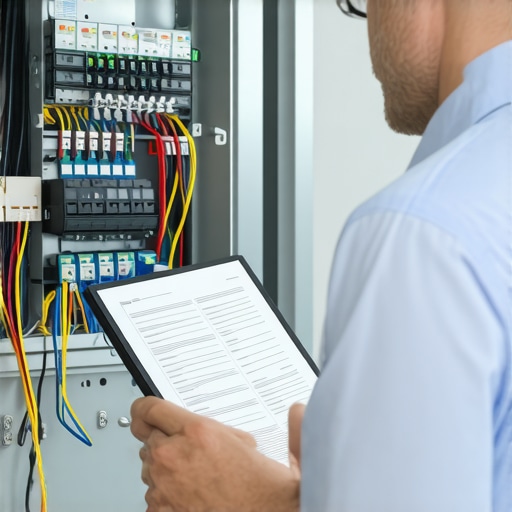
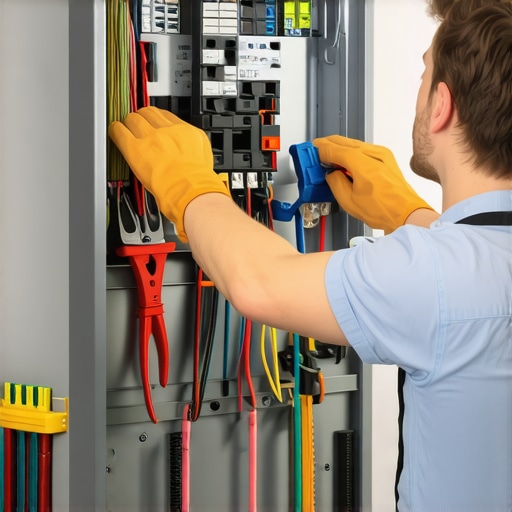
Electrician checking an electrical panel during a home EV charger upgrade.While many homeowners believe that troubleshooting EV chargers is straightforward or that code compliance is merely bureaucratic red tape, these assumptions often lead to costly mistakes. A frequent misconception is that upgrading your panel is as simple as swapping out a breaker, but in reality, nuances in newer 2026 code rules require careful planning and professional verification. Overlooking these details can result in permit rejections or dangerous setups, especially if you rely on outdated checklists or ignore subtle code updates. Experts emphasize that understanding advanced nuances, such as proper grounding techniques and wire sizing compliant with the latest standards, is crucial for safe and legal installation, as reinforced by industry standards from organizations like the NEC. This is why a comprehensive review of your existing system with a qualified electrician can prevent future headaches. Have you ever fallen into this trap? Let me know in the comments.
Maintaining Your EV Charging System for Long-Term Success

Keeping your electric vehicle charger functioning optimally requires more than just initial installation; it demands ongoing maintenance and the right set of tools. Over time, environmental factors like dust, moisture, and temperature shifts can impact electrical connections and hardware reliability. To ensure your charger remains safe and efficient, I personally rely on a combination of specialized equipment and systematic practices.

My Go-To Multimeter for Precise Diagnostics

I recommend investing in a high-quality multimeter with clamp functionality, such as the Fluke 325. This tool allows me to perform quick current measurements without disconnecting wiring, saving time during routine checks. Its true RMS readings help verify that voltage levels stay within the recommended range, preventing issues like tripping breakers or inadequate charging speeds. Regularly measuring the voltage and current flow—especially after weather events—helps catch potential problems early.

Infrared Thermometer for Spotting Overheating

An infrared thermometer, like the Etekcity Lasergrip, is essential for quick surface temperature checks of panels and wiring. Overheating components often indicate loose connections or overloaded circuits. Routine scans after installation or severe weather can prevent dangerous malfunctions. I’ve found that identifying hotspots early can save hundreds in repairs and avoid fire hazards.

Software Tools for Monitoring and Troubleshooting

Beyond hardware, I leverage diagnostic apps compatible with smart EV chargers. Manufacturers like ChargePoint often provide real-time data and error logs accessible via mobile devices. Monitoring these logs helps me detect connectivity issues or firmware discrepancies. For instance, using the [troubleshooting guidance](https://brightsparkzelectric.com/troubleshooting-ev-charger-connectivity-problems) can pinpoint if a firmware update or network reset can restore full functionality, reducing downtime significantly.

Scheduled Inspection and Cleaning Routines

Establishing a maintenance schedule is critical. Every three to six months, I inspect all visible wiring, tighten connections, and clean dust from vents with a soft brush or compressed air. This prevents debris buildup, which can Insulate components and lead to faults. Keeping a detailed checklist ensures consistency and helps track recurring issues or wear patterns over time.

Predicting Tool Evolution and Future Trends

As EV technology advances, integration of smart maintenance systems may become mainstream. Predictive analytics, driven by IoT sensors embedded in chargers, could alert homeowners about component deterioration before failure occurs. Staying updated with manufacturer firmware releases and diagnostic software will be key to maintaining performance. Looking ahead, investing in versatile test equipment that can adapt to new standards will become increasingly important.

If you haven’t already, try implementing routine voltage checks with your multimeter and observe for any irregular readings. These small steps can prevent major issues and extend your charger’s lifespan. For comprehensive troubleshooting practices, consult [expert tips](https://brightsparkzelectric.com/ev-charger-troubleshooting-expert-tips-for-common-issues) and keep your system running smoothly.

The Hardest Lesson I Learned About EV Charger, Troubleshooting, Code Compliance, Panel Upgrade

One of the most eye-opening experiences was realizing how overlooked details in the 2026 code could quietly sabotage my entire project. A small misunderstanding about ground wiring turned into a weeks-long delay, reminding me that even experts can underestimate the intricacies of new regulations. The lesson? Never assume you’re fully up-to-date—always double-check with reliable sources and consult with licensed professionals who stay current on code updates.

3 Myths About EV Charger, Troubleshooting, Code Compliance, Panel Upgrade That Held Me Back

Myth one: “If it worked before, it will work now.” The truth is, each code update can invalidate previous assumptions. Myth two: “DIY is just as good as a licensed electrician.” Wrong—appliance and panel work require certified expertise, especially with new safety mandates. Myth three: “Standards are too complicated to understand.” In reality, with targeted resources and a clear plan, mastering key code changes is achievable. Recognizing these misconceptions early saved me from costly mistakes and made the process smoother.

What Experts Won’t Tell You About EV Charger, Troubleshooting, Code Compliance, Panel Upgrade

Many professionals sideline the importance of proactive planning—waiting until problems arise before addressing them. But seasoned experts know the value of anticipating code changes and modifying systems, sometimes years before mandates take effect. For example, investing in a versatile panel now can prevent costly upgrades later. These insights emphasize that early action and education are your best tools against unforeseen setbacks; staying informed through [expert guides](https://brightsparkzelectric.com/troubleshooting-ev-charger-connectivity-problems) is essential for peace of mind.

Curated Resources for Future-Proofing Your EV Setup

To keep ahead of evolving standards, I rely on authoritative sources like the National Electrical Code updates and trusted industry blogs. The comprehensive guides at [how to verify code compliance](https://brightsparkzelectric.com/how-to-verify-code-compliance-for-your-ev-charger-installation) have been invaluable for diagnosing and ensuring my systems meet all new requirements. Additionally, tools like digital wiring diagrams and professional consultation services from licensed electricians provide the clarity I need to make confident upgrades. These resources empower me to stay compliant without overwhelm.

Keep Moving Forward with Confidence

Adapting to the 2026 code landscape may seem daunting, but remember that each step you take improves your home’s safety and your confidence as an EV owner. Embrace the learning process, leverage expert advice, and don’t hesitate to reach out if you need personalized guidance. Your future self will thank you for being proactive now, ensuring your home’s electrical system keeps pace with your mobility goals. Are you ready to tackle your EV charger upgrade with fresh insight? Share your plans or questions below—let’s learn together!

Why 100-Amp Panels Fail the New 2026 V2G Safety Audits

I remember the moment vividly. I was troubleshooting an EV charger that kept tripping the breaker during a routine test when I realized—my existing 100-amp panel just wasn’t cutting it anymore. It was a lightbulb moment that made me reevaluate everything I thought I knew about residential electrical systems for EV charging. If you’re like me, you may be wondering why so many panels are suddenly failing the new 2026 V2G safety audits, and more importantly, how to prevent your own setup from falling behind.

Facing the New Reality of EV Charging Safety

As electric vehicles become more mainstream, the demands on home electrical panels increase dramatically. The upcoming 2026 safety regulations are designed to ensure that our home systems can handle the surge in power needs without risking safety or code violations. Unfortunately, many existing 100-amp panels are proving inadequate for these standards, leading to failures during inspections and potential safety hazards.

My early mistake was underestimating the complexity of these new requirements. I naively thought simply upgrading my EV charger would suffice. But in reality, a panel that isn’t properly evaluated and upgraded can cause trips, fires, or worse—non-compliance penalties. It’s a mistake I see many homeowners making, simply because they’re not aware of the specific risks.

According to the National Electrical Code, inadequate panel capacity can lead to dangerous overloads and arc faults. A study by the Electrical Safety Foundation International highlights that improper upgrades are among the top causes of residential electrical fires. This underscores the importance of being proactive—not reactive—in understanding what your system needs.

So, what’s the big deal about these panels and the 2026 rules? Well, if your panel isn’t ready, you could face costly fines, unsafe conditions, or a failed inspection that stalls your EV charging plans. But don’t worry. Together, we’ll explore how to assess your current setup, identify potential weaknesses, and navigate the necessary upgrades to keep your home safe and compliant.

Are you worried your existing panel might not meet the upcoming standards? If so, you’re not alone—and this guide is made for you. Now, let’s dive into how you can evaluate and enhance your electrical system to ensure smooth, safe EV charging for years to come.

Assess Your Current Panel Thoroughly

Start by turning off the main breaker and removing the panel cover. Use a digital multimeter to check existing circuit voltages and verify amperage ratings. Take detailed notes of the manufacturer, model number, and any labels indicating capacity. I once found a 100-amp panel with non-standard wiring, which required me to consult an electrician for precise assessment. Accurate evaluation prevents oversights that could compromise safety or permit approval.

Identify Power Demands and Plan Your Upgrade

Calculate the total load of your household, including the EV charger, HVAC, appliances, and lighting. The National Electrical Code suggests a minimum of 125% of the continuous load capacity for circuits. To simplify, think of your electrical system as a water pipeline—if the demand exceeds the flow, blockages occur. This analogy helped me visualize why my old panel strained under modern EV demands. For detailed guidance, review panel upgrade tips.

Design an Upgraded Panel System

Decide whether a full replacement or a panel extension is appropriate. For most homeowners, upgrading to a 200-amp panel offers future-proofing, especially for V2G capabilities. Think of it like installing a bigger highway—more lanes mean more traffic (power). I opted for a complete replacement, which involved planning new circuits and surge protections. This approach ensures compliance and safety for years ahead.

Prepare for the Upgrade Process

Turn off all power at the main breaker. Remove the existing panel carefully, disconnecting all wiring following color codes and labels. Cross-check wiring diagrams against your notes. Use insulated tools and double-check each connection to prevent shorts. Remember, if you’re unsure, professional assistance is invaluable—see contact experts to avoid costly mistakes.

Implement the New Panel Safely

Mount the new panel securely, ensuring it’s grounded properly. Connect circuits per the load calculations, matching breaker sizes to wire gauge. Insert grounding and bonding conductors as per code. For complex setups, consult panel upgrade guidelines. When in doubt, calling a licensed electrician reduces risks and guarantees compliance.

Verify and Test the Installation

Power up the panel and check all circuit breakers for proper operation. Use a multimeter to confirm voltage levels at outlets and the EV charger circuit. Test your EV charger to ensure it powers on and communicates correctly. Remember, an improper connection can cause trips or safety hazards. Regular testing and assessment, as discussed here, are critical to maintaining the upgrade’s effectiveness.

Many homeowners believe that selecting a larger circuit breaker or installing a new panel alone guarantees safety and code compliance for EV charging. However, this oversimplification overlooks critical nuances. For instance, many assume that upgrading to a 200-amp panel suffices, but without proper load calculations and adherence to local code requirements, the entire upgrade may still fall short, risking safety fines or future non-compliance. One common myth is that simply ‘bumping up’ breaker sizes is enough, when in fact, wiring gauge, breaker compatibility, and grounding must be meticulously matched to ensure safety and efficiency.

A trap I’ve seen repeatedly is neglecting to verify circuit load capacities after installing a new panel—leading to overloads that can cause dangerous overheating or tripping. According to the National Electrical Code, even a properly rated panel is ineffective if circuits are not balanced and planned according to overall household demand. Be aware that code compliance isn’t just about meeting the letter of regulations but understanding their intent: safe, reliable, and future-proof system design.

Now, for the advanced reader, here’s an important question: How do you ensure your EV charger wiring and panel upgrade will pass a comprehensive 2026 V2G safety inspection? This requires deep knowledge of both code intricacies and the technological demands of bidirectional charging systems. Proper integration involves not only oversized panels but also smart load management, surge protection, and detailed documentation—areas often misunderstood or overlooked. For precise guidance on this complex process, you can explore detailed resources like mastering code compliance.

Remember, rushing or relying solely on generic solutions can lead to pitfalls. Instead, a careful, informed approach—supported by expert consultation—ensures your upgrade is both safe and compliant. Have you ever fallen into this trap? Let me know in the comments.
Tools I Recommend for Reliable EV Charging Maintenance

Maintaining a safe and efficient EV charging setup requires precision tools and software tailored for electrical system diagnostics. I personally rely on a Fluke 87V multimeter, which offers high accuracy and durability essential for troubleshooting circuits during panel upgrades or inspections. Its True RMS feature helps me accurately measure voltage in complex environments, ensuring compliance with code standards, as discussed here. For circuit load analysis, I use a Submeter CT Clamp, allowing quick, non-intrusive load measurements that help prevent overloads, particularly important when scaling or upgrading panels.

In terms of software, I recommend using a dedicated electrical diagnostic app like EasyE4, which streamlines printouts of load calculations and wiring diagrams. It helps me track ongoing maintenance, plan upgrades, and verify system compliance over time. As EV chargers evolve, integrating smart monitoring systems, like Wi-Fi-enabled power meters, will become standard – providing real-time alerts for anomalies or potential faults, ensuring long-term reliability.

The Future of Maintenance and Scaling

Looking ahead, I anticipate a trend toward more integrated tools combining hardware diagnostics with AI-driven analytics to predict failures before they happen. Implementing predictive maintenance can save homeowners significant costs and hassle. For example, firmware updates for smart meters and load management devices will start including self-diagnostic features, reducing manual checks.

Make Safety a Priority with Regular Checks

Routine inspections and utilizing the right tools will help you maintain your EV charging system effectively. Don’t forget to verify proper grounding and wiring integrity periodically, especially after panel upgrades or load additions. For thorough guidance, revisit these upgrade tips. Incorporate smart monitoring devices, and schedule professional inspections at least annually to stay ahead of potential issues. Remember, well-maintained systems not only ensure safety but also optimize your EV charging efficiency.

If you’re ready to take your system’s reliability up a notch, try calibrating your multimeter using a known voltage source before each inspection. This simple step ensures measurement accuracy, which is critical for code compliance and safety. Want to learn more about long-term maintenance strategies? Check out this troubleshooting guide for expert insights. Taking proactive steps today helps prevent costly surprises tomorrow—and keeps your EV charger working flawlessly for years.

The Hardest Lesson I Learned About troubleshooting,code compliance,panel upgrade,EV charger

One of my most enlightening experiences was realizing that rushing a panel upgrade without thorough load calculations can lead to costly setbacks. The importance of meticulous planning became clear when a quick upgrade resulted in safety compliance issues, reminding me that details are everything in electrical work.

3 Myths About troubleshooting,code compliance,panel upgrade,EV charger That Held Me Back

I used to believe that bigger breakers meant safer installations, but I learned that breaker size must match wire gauge and load demands precisely. Additionally, I thought all panels are equally upgradeable; now I understand the! importance of selecting the right panel type based on your home’s unique needs. Lastly, I once assumed that an electrician’s work was a one-and-done deal, but ongoing monitoring and maintenance are vital for sustained safety and performance.

What Experts Won’t Tell You About troubleshooting,code compliance,panel upgrade,EV charger

Many professionals keep quiet about the pitfalls of underestimating local code nuances, which can cause failed inspections. True safety comes from understanding the specific regulations around V2G technology and ensuring your entire system—from panel to wiring—is compliant. Investing in education and using recommended tools can empower you to avoid these hidden traps and future-proof your EV charging system.

My Essential Toolkit for troubleshooting,code compliance,panel upgrade,EV charger

I swear by tools like the Fluke 87V multimeter for its precision, which is crucial when verifying voltage and grounding. A clamp meter helps me perform quick load assessments without disconnecting wires, saving time and reducing errors. For planning upgrades, I trust software solutions that aid in load calculation accuracy. These tools have been invaluable for ensuring my system meets 2026 standards while maintaining safety.

Where to Go from Here

Now that you’ve understood the intricacies, take proactive steps: evaluate your current panel, plan your upgrade thoroughly, and consult trusted resources like this guide for detailed strategies. Remember, investing in your home’s electrical resilience today guarantees safe, reliable EV charging tomorrow. What’s the next step you’re planning to take to ensure your system is ready for the 2026 safety standards? Share your thoughts below!

3 Hidden 2026 Code Violations That Block Panel Upgrades

It was a typical Saturday afternoon when I finally decided to upgrade my electrical panel to handle the new EV charger. I’d read all the articles, watched tutorials, and felt confident—until I hit a wall. The upgrade was halted not because of a lack of effort, but because of three sneaky code violations I hadn’t even heard of. The moment I realized these issues could block my entire project, I knew I wasn’t alone. If you’ve been in my shoes, frustrated by unexpected obstacles, you’re in the right place.

Why Ignoring Hidden Code Violations Can Cost You More Than Just Time

Upgrading your electrical panel isn’t just about expanding capacity; it’s a critical step to ensure safety and compliance with evolving 2026 codes. Missing these hidden violations can lead to costly fines, failed inspections, or worse, dangerous electrical hazards. Early on, I made the mistake of rushing through the permit process without thoroughly verifying local code updates, which nearly cost me the chance to have a safe, reliable EV charging setup. According to the National Fire Protection Association, electrical failures are among the leading causes of residential fires, often attributable to code violations or outdated systems (NFPA). This experience taught me that understanding and addressing these hidden code issues is essential for a safe home and peace of mind.

Are You Still Overlooking These Critical Upfront Checks?

If you’re planning a panel upgrade or EV charger installation, have you considered that these sneaky violations might be lurking in your home’s wiring? Many homeowners overlook the importance of verifying code compliance, which can lead to violating new 2026 regulations designed to improve safety standards. I wish I had known early on that these violations are often concealed behind the walls or in older wiring systems, waiting to trip up even the most prepared homeowners. The good news? With the right guidance and a thorough inspection, you can circumvent these issues before they become major problems.

To ensure your project stays on track, it’s worth revisiting your compliance checklist and consulting trusted resources. For detailed steps, check out this guide on ensuring code compliance. In the following sections, I’ll share exactly what to look for and how to resolve these hidden violations effectively—saving you time, money, and potential headaches down the road. So, let’s get started on making your upgrade a success!.

Assess Your Existing Electrical System Carefully

Before diving into any upgrade, walk through your home to identify your current panel’s capacity and wiring age. Use a voltage tester to verify circuits and look for signs of wear like discoloration or rust. I once found corroded wires behind my panel that were hidden behind drywall, which could have caused a fire if left unchecked. Document your findings and compare them against the requirements outlined in this comprehensive guide. This prevents surprises during inspection and ensures you’re planning correctly.

Prepare Your Workspace for a Smooth Installation

Ensure safety by turning off the main breaker and wearing insulated gloves and safety goggles. Clear the area around your electrical panel, removing debris and cover plates if needed. Think of this step as staging for a delicate surgery: the cleaner and safer your workspace, the better your chances for a successful upgrade. I once neglected to clear my garage, which resulted in a tricky, cluttered space that slowed my progress dramatically. Proper preparation saves time and reduces risk.

Upgrade Your Panel with Certified Components

Choose a new panel rated for at least 200 amps, compatible with upcoming code changes, and suitable for EV chargers. Install a dedicated circuit for your EV charger, ensuring it matches the specifications outlined in this expert resource. During my upgrade, I used a modular panel system, which offered flexibility for future expansion. Remember, using uncertified or incompatible parts risks failing your inspection and voiding warranties.

Address Hidden Code Violations Head-On

This is the most critical step—resolving issues like outdated wiring, improper grounding, or insufficient circuit breakers. Use a multimeter to verify grounding continuity. When I encountered ungrounded outlets behind my walls, I had to rewire sections to meet 2026 code standards. Think of this as fixing leaks in a dam: small cracks can cause catastrophic failures down the line. If you’re unsure, consult a professional or use resources like this detailed verification guide.

Document Everything for Inspection Readiness

Keep detailed records of your work, including photos, component specs, and receipts. This not only helps during inspections but also aids in troubleshooting if issues arise post-installation. I once failed an inspection due to missing paperwork, which delayed my EV charger setup by weeks. My solution was to create a comprehensive dossier, referencing tips from this troubleshooting resource for future projects. Organized documentation establishes credibility and speeds up approval processes.

Test Power and Ensure Compliance Before Going Live

Turn the main breaker back on and check each circuit with a multimeter. Confirm your EV charger powers up and communicates correctly—refer to this troubleshooting guide for common issues. I once experienced a circuit trip during my first test, which I traced back to an overloaded breaker. After adjusting the load, everything ran smoothly. Testing thoroughly prevents future failures and guarantees safe operation down the line.

When it comes to upgrading your electrical panel for EV charging, many believe following the basic checklist suffices. However, *true expertise demands a deeper dive into the nuances*, especially concerning code compliance and troubleshooting complexities that most overlook. One common myth is that a simple capacity increase guarantees safety and legality; in reality, without understanding the intricacies of recent code updates like those in 2026, you’re potentially setting yourself up for failure. For example, many assume that older wiring can just be upgraded with new breakers, but outdated wiring might not meet the rigorous standards required for high-capacity EV chargers, risking compliance failures or fire hazards (see this detailed guide) .

What Are You Missing in Your Troubleshooting Approach?

Most homeowners focus on fixing apparent issues like tripped breakers or inconsistent charging. Still, *the most insidious problems often lie behind the scenes*, such as subtle ground faults or subtle wiring errors that can evade standard tests. Rushing through troubleshooting can overlook these hidden faults, which deteriorate system reliability and may violate code standards. For instance, a minor grounding inconsistency, if uncorrected, could cause consistent charger faults or even electrical shocks (this troubleshooting resource). Remember, advanced issues require a thoughtful analysis beyond the obvious—assessing wiring age, insulation quality, and connection integrity.

Making assumptions about what constitutes a compliant system is a major pitfall. Many owners believe that installing a new panel automatically aligns with 2026 standards, but without verifying detailed aspects like conductor sizing or breaker ratings, you risk non-compliance. This oversight can lead to failed inspections or the need for costly rework. Always refer to this cornerstone content on critical nuances to prevent costly mistakes.

Furthermore, understanding the advanced troubleshooting steps, such as testing the entire grounding system resistance or inspecting for subtle wiring anomalies, can save you a lot of headache. Investing in such detailed diagnostics often pays off in long-term reliability and safety. When in doubt, consulting with professionals who are familiar with recent code updates and advanced diagnostic techniques can be highly beneficial. Remember, troubleshooting isn’t just about fixing issues—it’s about understanding your system at a fundamental level, avoiding future failures, and ensuring adherence to all safety standards. Have you ever fallen into this trap? Let me know in the comments.
Keeping Your EV Charging Setup in Peak Condition

Once you’ve successfully upgraded your electrical panel and installed your EV charger, the real work begins: maintaining optimal performance and ensuring long-term safety. Having the right tools and established routines can make this process straightforward and effective. Personally, I rely on a few specific instruments and methods that have proven invaluable in diagnosing issues early and preventing costly repairs.

Invest in a High-Quality Multimeter

A reliable multimeter is your primary tool for verifying voltage, current, and ground connections. I personally use a Fluke 117, renowned for its precision and durability. Regularly testing your circuits with a multimeter helps spot subtle anomalies like undervoltage or grounding faults before they escalate. For instance, checking for proper voltage levels on your dedicated EV circuit, as outlined in this troubleshooting guide, ensures safe and efficient operation over time.

Implement Smart Monitoring Software

Next-generation EV chargers and panels often support smart monitoring apps. These tools provide real-time data on energy consumption, circuit health, and fault alerts. I use the Wallbox Power Sharing app, which connects seamlessly with my charger, alerting me instantly if a circuit trips or if I need to perform a reset. As technology evolves, these apps are expected to incorporate predictive analytics, foreseeing issues before they occur—a trend that promises to revolutionize home electrical management.

Schedule Routine Inspections and Tests

Even the best tools need regular checkups to keep systems running smoothly. I recommend scheduling an annual comprehensive inspection, especially if your home has older wiring or if you’ve made modifications. During these inspections, test grounding integrity, verify breaker ratings, and look for signs of wear or corrosion. For extensive diagnostics, consider consulting a licensed electrician experienced in code-compliant EV charger setups, referencing this guide.

How do I maintain my EV charger and panel over time?

To ensure longevity and safety, keep your electrical panel and charger free of dust and moisture. Regularly inspect wiring connections for signs of loosening or corrosion. Use an infrared thermometer to monitor circuit temperatures during operation; unusually high readings can indicate overloads or poor connections. Staying proactive with these simple measures can save you from unexpected breakdowns and costly repairs, making your charging experience seamless and secure. As the electrical standards evolve, so will the tools and techniques needed to stay compliant and safe—anticipate advancements like integrated IoT sensors that monitor system health continuously. Don’t wait for a fault; try implementing a scheduled self-check routine today and see the difference it makes.

How Overconfidence Nearly Cost Me My Home’s Safety

Initially, I believed that a simple upgrade would suffice, but neglecting the latest code standards almost led to inspection failures. Recognizing my oversight was a pivotal moment that underscored the importance of continuous learning in electrical work.

Why Ignoring Small Details Can Turn Into Big Problems

It’s tempting to overlook minor wiring imperfections or outdated grounding, but these small issues can compromise safety and compliance. I learned that meticulous inspection and adherence to the most recent standards, like those in this guide, are non-negotiable for peace of mind.

My Secret Weapon for Long-Term Reliability

Investing in a high-quality multimeter and smart monitoring tools has transformed how I maintain my system. They help detect early signs of trouble, preventing costly repairs and ensuring the safety of everyone at home. Check out this resource for recommended testing techniques.

Act Now to Protect Your Investment

Take proactive steps today: thoroughly inspect your wiring, verify compliance with the latest standards, document your progress, and stay vigilant with routine checks. Your home’s safety and your peace of mind depend on it. Remember, staying informed is the best defense against costly mistakes. Ready to get started? Share your experiences or ask questions below—your journey toward a safe EV charging system begins now!

4 New 2026 Code Risks That Make Your Panel Upgrade Illegal

I remember the moment vividly: after hours of troubleshooting my home EV charger, I finally realized that my efforts were futile because my electrical panel was on the verge of failing the new 2026 code requirements. It was a lightbulb moment—the kind that hits you like a thunderclap—prompting me to question everything I thought I knew about safe and legal panel upgrades. If you’ve ever experienced that sinking feeling when your EV charging doesn’t work as it should, despite following all the advice out there, you’re not alone.

The Hidden Dangers in Your Panel You Might Not Know About

When I first started upgrading my electrical system to support faster EV charging, I thought I was doing everything right. But early on, I made a crucial mistake: I overlooked the latest 2026 code changes that introduced new requirements for panel capacity and safety. I assumed my old panel would just get a quick upgrade, but soon learned that some risks could make my entire project illegal—leading to costly fines or worse, dangerous electrical issues.

These new regulations are not just bureaucratic red tape; they safeguard your home, your investment, and your safety. Failing to adhere could result in non-compliance, invalidating insurance policies, or causing electrical fires. In fact, a recent study from the National Fire Protection Association highlights that improper electrical installations are responsible for nearly 13% of residential fires — a stark reminder of why compliance matters.

So, what exactly are these risks, and how can you steer clear of them? I’m going to walk you through the four most critical code pitfalls that could trip up your panel upgrade plans and how to avoid them. But first, ask yourself: have you recently checked whether your current electrical system meets the latest 2026 standards? If you’re unsure, it might be time for a professional assessment.

Let’s dive into the specifics and ensure your home stays safe, legal, and ready for the EV revolution.

Assess Your Existing Electrical Setup Carefully

Start by inspecting your current electrical panel to determine its capacity and age. Think of your panel as the heart of your home’s electrical system—if it’s outdated or overloaded, your EV charger won’t function safely or efficiently. Remove the panel cover and check the amperage rating labeled inside; if it’s below 200 amps, consider a full upgrade. Remember, newer standards demand more power, like upgrading from a bicycle to a sports car to meet your charging needs.

Identify Code Compliance Shortcomings

Next, compare your setup with the latest 2026 NEC requirements. Focus on sections related to panel capacity, grounding, and AFCI breakers. Use online resources or consult with a professional to verify if your current system meets these standards. Think of this step as a health check—missing compliance is like ignoring symptoms until a breakdown happens. If your system falls short, plan for a professional upgrade, as DIY fixes often overlook critical safety details. For detailed guidance, visit this resource.

Calculate Your Power Needs Accurately

Estimate the total load required for your EV charger plus existing appliances. Create a load calculation similar to budgeting your monthly expenses—overestimating can cause unnecessary upgrades, but underestimating risks power outages or code violations. Use a load calculator or consult a professional; this prevents surprises during inspection and ensures you install a panel capable of handling future growth. Remember, a slight overcapacity now saves headaches later.

Plan Your Panel Upgrade Strategically

Design your upgrade with future-proofing in mind. Consider installing a 200 amp panel with additional spaces or a subpanel for new circuits. Think of it as preparing your garage for a sports car—extra space and capacity prevent costly rewiring down the line. If unsure about the best layout, professionals can advise on the optimal configuration, ensuring compliance and safety. For comprehensive planning tips, see this guide.

Execute the Upgrade with Expert Help

Engage licensed electricians experienced in code-compliant panel upgrades. They will handle installation, grounding, and circuit breakers systematically—think of assembling a complex puzzle where each piece must fit perfectly to avoid future hazards. Never attempt to bypass safety protocols; improper installation can lead to fires or equipment failure. Schedule a consultation today through our contact page. Proper execution not only meets legal standards but also safeguards your home and family during EV charging.

Verify Safety and Compliance Post-Upgrade

Once installed, document the changes and request an inspection to confirm adherence to local codes. Use tools like an outlet tester or perform a visual check for grounding and breaker operation. Think of this as a quality assurance step—akin to a test ride before a race. Regularly review your system, especially when adding new EV chargers or appliances. Staying proactive ensures longevity, safety, and compliance, preventing costly fixes later. For detailed verification steps, visit this resource.

Many homeowners assume that troubleshooting EV chargers or upgrading panels is straightforward—simply follow a checklist or rely on online guides. However, I’ve seen countless cases where critical nuances are overlooked, leading to costly mistakes, code violations, or hazardous conditions. Let’s dig deeper into some common myths and advanced traps that even experienced DIYers often miss.

One pervasive misconception is that every electrical issue is just a quick fix—like resetting a breaker or tightening a loose wire. This oversimplification ignores the complex interplay of code compliance, load calculations, and system capacity. For instance, upgrading an EV charger without reevaluating the panel’s capacity can cause tripping, fire hazards, or failures to meet the 2026 code standards. Remember, your home’s electrical system isn’t just about power—it’s a safety system that demands precision.

A frequent trap is assuming that a panel rated at 200 amps now will automatically support future loads, especially with the upcoming 2026 regulations. This can be misleading; a 200-amp panel might be nearing its limit once you account for existing appliances and the extra load from faster EV chargers. Professional load calculations are critical here—simply upgrading the panel without this step is a rookie mistake. Find out how to properly assess your system in this guide on [upgrading your panel for better EV charging performance](https://brightsparkzelectric.com/upgrading-your-panel-for-better-ev-charging-performance).

Another myth is believing that code compliance is optional or can be skirted with DIY licenses. In reality, neglecting to follow the latest standards, like those specified in the 2026 NEC, can invalidate insurance and result in hefty fines. Plus, non-compliant installations increase fire risks, as highlighted in recent NFPA reports. It’s always safer—and smarter—to involve licensed electricians who understand these nuances deeply. To ensure your upgrade meets all standards, check this comprehensive [code compliance guide](https://brightsparkzelectric.com/ensuring-code-compliance-when-installing-ev-chargers).

<h3>Can You Troubleshoot an EV Charger Without a License?</h3>
This is a tricky question. While basic troubleshooting—like checking outlets or circuit breakers—can be done safely by knowledgeable homeowners, deeper diagnostics involving wiring, grounding, or software diagnostics should be left to professionals. Blindly attempting repairs can lead to misdiagnosis, which might cause safety hazards down the line. For common issues, see expert tips on [troubleshooting EV charger connectivity problems](https://brightsparkzelectric.com/troubleshooting-ev-charger-connectivity-problems).

Let’s not forget the importance of understanding these advanced nuances—because shortcuts in this domain can be dangerous. Always validate your approach against the latest standards and consult with experts when needed. Remember, your home’s safety and code compliance aren’t just about passing inspections; they’re about protecting your loved ones. Have you ever fallen into this trap? Let me know in the comments.Maintaining a dependable EV charger setup requires more than just initial installation; it demands ongoing care, the right tools, and a proactive mindset. One of my favorite tools for troubleshooting and regular checks is the Fluke 323 clamp meter. I personally use it to verify circuit currents without dismantling panels—saving time and enhancing safety. Its true RMS measurements ensure accurate readings even on complex loads, which is crucial when diagnosing issues or confirming that your system adheres to 2026 code standards. For software, I rely on the free NEC SmartCalculator app, which helps me perform accurate load calculations that factor in future growth, as recommended in my detailed guide on [panel upgrades for EV chargers](https://brightsparkzelectric.com/panel-upgrades-for-better-ev-charging). Predicting where this trend is headed, I believe remote monitoring tech—integrated with smart home systems—will become standard, allowing homeowners to receive real-time alerts about anomalies or overloads before they turn into costly problems. How do I keep my system functioning over the long term? Regular visual inspections, combined with quarterly electrical measurements, are key. Checking grounding connections with a simple continuity tester ensures safety and compliance. Also, staying updated on local code changes—like the upcoming 2026 NEC updates—helps prevent violations and ensures your home remains safe and efficient. Remember to schedule periodic professional inspections, especially after major code updates or panel upgrades. An effective approach I recommend is setting calendar reminders to test and verify your system at least twice a year. Consistent maintenance reduces the risk of tripping, failures, and code non-compliance, providing peace of mind and reliable power for your EV needs. To get started, try using a clamp meter for your next troubleshooting session and compare the readings to your system’s rated capacity. If you need guidance on safety procedures, visit this comprehensive [expert troubleshooting guide](https://brightsparkzelectric.com/ev-charger-troubleshooting-expert-tips-for-safe-reliable-power-2). By integrating these practices, you ensure your home’s charging station continues to serve you safely and efficiently for years to come.

What the Tough Lessons Taught Me About Safe EV Charging

One of the most profound realizations I had was that overlooking recent code updates could jeopardize everything—safety, legality, and performance. I learned the hard way that knowing the latest standards isn’t just for professionals; it’s essential for homeowners committed to safety. Additionally, I discovered that load calculations are like financial budgets—underestimating risks future failures, while overestimating leads to unnecessary expenses. Lastly, trusting unfamiliar resources without vetting can introduce dangerous shortcuts, emphasizing the importance of working with licensed electricians and trusted guides.

Tools and Resources I Rely On for Reliable, Safe EV Charging

My go-to toolkit includes a Fluke 323 clamp meter, which provides accurate current readings without requiring dismantling panels, ensuring safety during troubleshooting. The NEC SmartCalculator app has become an indispensable companion for load calculations, helping me plan capacity with future growth in mind. For staying current with code standards, I highly recommend visiting the detailed guides available on this resource. Lastly, consulting with licensed electricians through their professional services guarantees that my setup complies, is safe, and prepared for the standards set by 2026 and beyond.

Your Next Move Into Safer, Smarter EV Charging

Empowered with this knowledge, you’re now better equipped to tackle your panel upgrade and EV charging projects confidently. Remember, each step you take toward compliance and safety safeguards your home and loved ones. The path may seem complex, but with the right tools, guidance, and mindset, you can ensure your electric vehicle home setup is both reliable and compliant. Don’t wait until issues arise—start reviewing your system today and create a future-proof charging environment that keeps you on the road safely and legally. How are you planning to improve your EV charging setup? Share your thoughts below and join the conversation.

3 New 2026 NEC Rules That Will Fail Your EV Charger Permit

It was late one evening when my cherished new EV charger suddenly stopped working, leaving me frustrated and puzzled. I had followed every installation guide, double-checked my wiring, and even thought I’d got everything right. But then I stumbled upon the harsh reality: the newest 2026 NEC rules had silently snuck in, poised to derail my permit process and leave my charging setup non-compliant. That moment was a lightbulb—these new regulations are a ticking time bomb for homeowners and electricians alike.

The Hidden Traps in the 2026 NEC Rules

If you’re like me, you probably assumed that a straightforward EV charger installation was just that—simple and in accordance with the codes. But the reality is quite different. Every year, electrical codes evolve, and the 2026 NEC introduces some controversial provisions that can trip up even seasoned pros. These rules might seem harmless at first glance—they’re designed to enhance safety, after all. But neglecting them could mean your permit gets rejected, your system is deemed unsafe, or worse, you face penalties.

Have you already run into unexpected hurdles with your EV charger project? Staying ahead requires understanding what’s new and what mistakes to avoid. Early on, I made a huge misstep—assuming the existing panels and wiring were compliant without verifying the latest code updates. This oversight almost cost me my permit and could have compromised my safety.

To avoid falling into this trap, I committed to digging into the details of the NEC changes, learning from experts, and ensuring every aspect of my installation adhered to the new standards. Want to save yourself from similar headaches? Keep reading as I reveal what these three rule changes are and how to navigate them without breaking a sweat. For comprehensive guidance, don’t hesitate to check out our resource on [ensuring code compliance when installing EV chargers](https://brightsparkzelectric.com/ensuring-code-compliance-when-installing-ev-chargers).

But before we get into the nuts and bolts, let’s address one burning question I hear all the time: is understanding and applying these new rules actually worth the effort? You bet it is—ignoring them could not only invalidate your permit but also compromise your safety and the performance of your EV charging system. Now, let’s dive into the specifics that you need to know to stay compliant and keep your project on track.

Start with a Detailed Panel Evaluation

Before attempting to upgrade or modify your electrical system, perform a thorough assessment of your current panel. Think of this like inspecting the foundation of a building—any crack or weakness can compromise the entire structure. Turn off the main breaker and carefully remove the panel cover to examine the wiring, labeling, and breaker ratings. Look for signs of overloads, corrosion, or outdated components. If you’re unsure, consulting a licensed electrician is the safest move—see here.

Use a Multimeter to Verify Circuit Integrity

Once open, use a multimeter to check voltage levels and continuity across your circuits. This step is akin to testing the pipes before making repairs—ensuring everything flows correctly without leaks. Measure between breakers and the neutral bus, and pay attention to voltage fluctuations that could indicate loose connections or undersized wiring, especially in circuits designated for high-current devices like EV chargers. For detailed troubleshooting techniques, visit this guide.

Implement Code-Compliant Upgrades

Based on your evaluation, plan necessary upgrades following the latest NEC standards. This might involve increasing Amp capacity, replacing outdated breakers, or installing new grounding conductors. Think of this process as upgrading the plumbing in a house to handle higher water demand—you must ensure all parts are rated for the new load. For specific upgrade strategies, review panel upgrades. Remember, proper sizing and bonding are critical to avoid tripping breakers or safety hazards.

Verify and Document Compliance

After modifications, verify your work with a certified inspector or experienced electrician to ensure the installation complies with 2026 NEC rules. Think of this like getting a certificate of occupancy—it’s your assurance that everything is safe and legal. Document all work performed, including photos and test results, and keep records for future reference or inspections. This process helps prevent surprises during permit renewal or resale.

Install or Reconfigure Your EV Charger

With the electrical system compliant, proceed to install your EV charger following the manufacturer’s instructions, ensuring adherence to safe wiring practices. Use properly rated conduit, connectors, and surge protection devices. Check that the charger’s circuit breaker matches its requirements as specified in the latest code. If you face connection issues or inconsistent power delivery, consult expert troubleshooting tips for swift resolution.

Final Testing and Safe Use

Perform a comprehensive test: plug in your EV and monitor the charging session for stability and safety. Use a clamp meter to validate current flow and verify no overheating occurs. Think of this as taking your car for a test drive—ensuring everything runs smoothly before regular use. Regular inspections and keeping documentation up to date will help maintain code compliance and safety compliance over time.

Applying these concrete steps minimizes the risk of code violations, safety hazards, or charger malfunctions. Remember, code compliance isn’t a one-time checklist; it’s an ongoing commitment to safe and efficient EV charging at home. For more detailed guidance, visit this resource.

Many assume that troubleshooting an EV charger or upgrading your electrical panel is straightforward, but in reality, there’s a lot more nuance than most realize. One common misconception is that any multimeter reading will suffice for verifying circuit integrity. In practice, subtle voltage fluctuations or unnoticed wiring issues can lead to false assumptions about system health, risking safety and compliance. Experts emphasize the importance of precise measurements and understanding their implications, as outlined in detailed troubleshooting guides. Moreover, many believe that adhering to basic installation practices alone ensures code compliance—nothing could be further from the truth. As the 2026 NEC rules introduce complex provisions, a comprehensive knowledge of recent standards is essential to avoid costly errors. One critical trap to avoid is neglecting the importance of proper grounding and bonding, which are often overlooked but vital for safety. Overlooking these nuances can result in permit rejections or dangerous system failures. Advanced troubleshooting isn’t just about fixing what’s broken—it’s about anticipating issues before they happen. For instance, issues like bidirectional charger sync errors or flickering lights during EV charging sessions point to underlying panel or wiring problems that require expert analysis. To navigate these complexities, consulting authoritative resources and professional electricians is highly recommended. Did you know that even experienced electricians can misinterpret subtle voltage issues, leading to safety hazards? Staying informed about code updates and best practices can make all the difference. For more in-depth insights, explore our guide on troubleshooting EV chargers effectively. Lastly, it’s crucial to recognize that the most common errors are often the result of overlooking small details—like the proper sizing of breakers or the exact placement of conductors. This tiny oversight can have big consequences, including failed inspections or potential fire hazards. Remember, the difference between a safe, reliable system and a costly mistake often hinges on understanding these subtle complexities. Have you ever fallen into this trap? Let me know in the comments, and be sure to keep learning to keep your home safe and compliant.

Ensure Longevity with the Right Maintenance Approach

Long-term reliability of your EV charging setup depends heavily on proactive maintenance and using the right tools. I personally rely on a combination of precise measurement devices and software diagnostics to keep everything in check. Regular inspections help spot issues early, preventing costly failures or safety hazards down the line.

Invest in a Quality Clamp Meter for Accurate Power Monitoring

Unlike basic multimeters, a high-quality clamp meter allows me to monitor current flow without disconnecting wiring. I use the Fluke 393 FC CAT III Clamp Meter because it provides true RMS readings, Bluetooth connectivity, and high current capacity. This enables me to quickly identify any anomalies during charging sessions, such as overcurrent conditions or wiring issues. Accurate readings are crucial, especially with the stricter 2026 NEC standards, which demand precise compliance checks.

Use Specialized Software for Circuit Analysis

Beyond handheld tools, I leverage software like Electrical System Analyzer. This tool helps visualize circuit performance over time, track voltage fluctuation patterns, and anticipate potential failures. Integrating software diagnostics into my maintenance routine ensures my system stays compliant and prevents unexpected outages.

Maintain Documentation for Peace of Mind

Keeping detailed logs, including multimeter readings, inspection dates, and upgrade records, simplifies troubleshooting and provides evidence during inspections. Digital apps like Evernote or dedicated electrical logbooks ease record-keeping and enable quick access when needed. Having comprehensive documentation also helps during resale or insurance claims, making compliance checks smoother.

Predict the Future of EV System Maintenance

As technology advances, embedded monitoring systems and IoT sensors will become standard, providing real-time health reports directly to your smartphone. Expect more AI-driven diagnostics that can automatically detect wiring anomalies or overloads before they cause issues. Staying ahead means adopting these innovations early and integrating them into your long-term maintenance plan.

Ask Yourself How to Keep Your System in Prime Condition

Regularly scheduled inspections, leveraging advanced tools, and maintaining thorough records are key strategies. Remember, the more proactive you are, the less likely you’ll face disruptive failures or compliance problems. For example, trying out the tip of using a high-accuracy clamp meter to verify load consistency can immediately reveal hidden issues, saving you time and money. Ready to implement this? Purchase a professional-grade clamp meter today and start monitoring your system like an expert.

What I Didn’t Expect to Learn About Code Compliance

One of the most eye-opening lessons was realizing how quickly regulations evolve, and how crucial it is to stay updated. Overconfidence in current knowledge can lead to costly mistakes, so continuous learning and consultation with experts have become essential in my process.

Small Details Can Make a Big Difference

Overlooking simple aspects like proper grounding or breaker sizing can cause major compliance issues. Paying attention to these nuances has saved me time, money, and potential safety hazards, reaffirming that precision is key in electrical work.

Enjoy the Confidence of Proper Preparation

From thorough panel assessments to regular testing, every step I take now boosts my confidence. Knowing my system meets the latest standards gives me peace of mind and keeps my EV charging reliable and safe.

My Essential Toolkit for Navigating 2026 Regulations

Trustworthy tools like high-quality multimeters and professional software have become my best friends. They help me verify compliance accurately, ensuring my setup is both safe and efficient. Learning to use these tools well is a game-changer.

Embrace the Ongoing Journey of Electrical Safety

Understanding that code compliance isn’t a one-and-done task has transformed my approach. Staying proactive through regular inspections, updates, and education ensures my EV system remains safe and future-proof. Remember, the effort invested now safeguards your home and loved ones for years to come.

Where to Go from Here

If you’re serious about safe EV charging, start by revisiting your panel and understanding the latest NEC updates. Utilize trusted resources, consult certified professionals, and never overlook small details. Your proactive steps today lay the foundation for a reliable, compliant, and safe electric vehicle experience. For further guidance, check out our comprehensive resource on ensuring code compliance when installing EV chargers. Don’t wait for issues to arise—take charge of your home’s electrical safety now!

Is Your Garage EV Ready? The 2026 Code Compliance Checklist

It was a chilly Saturday morning when I finally decided to install my new Level 2 EV charger. I was eager to upgrade my garage, but as I flipped the circuit breaker and plugged in, I realized something was off. The charger flickered, then shut down. Frustration crept in. It hit me—I’d skipped checking the latest code requirements. That simple oversight almost left me with a useless charger and potential safety hazards.

This experience was my wake-up call. With new regulations paving the way for 2026, ensuring your garage is EV-ready isn’t just about convenience—it’s a legal and safety imperative. Today, I want to guide you through what I wish I knew earlier: the essential checklist to make your home compliant and safe.

Why You Can’t Afford to Ignore the 2026 EV Code Rules

The push for more electric vehicles has accelerated, and with that, stricter standards are rolling out. The 2026 code compliance isn’t just a bureaucratic hurdle; it’s about protecting your home, your loved ones, and making sure your investment in EV technology pays off. Failing to meet these standards can lead to costly fines, safety risks, and even insurance issues.

Research shows that improper installation is the leading cause of EV charger-related hazards, including electrical fires. A report from the National Fire Protection Association emphasizes that electrical safety mishaps are preventable with proper adherence to code standards. That’s why staying ahead of the curve now can save you headaches—and money—in the future.

Are you uncertain if your current setup meets these upcoming standards? If you’ve faced confusion or difficulty understanding the new requirements, you’re not alone. I’ve learned firsthand how easy it is to overlook critical details, especially during busy home improvement projects. One mistake I made early on was trying to DIY without comprehensive knowledge of the new panel upgrade requirements. Later, I discovered that an incorrect panel upgrade could be a ticking time bomb for safe operation.

To avoid my pitfalls, I’ll walk you through the most important aspects of the 2026 checklist. This way, you can confidently ensure your garage meets all the necessary standards, avoiding surprises and ensuring safety.

Ready to dive into the practical steps? Let’s get started with what you need to verify before plugging in that new EV charger.

Verify Your Electrical Panel’s Capacity and Condition

Start by inspecting your current electrical panel to confirm it can handle the additional load of a Level 2 charger. Think of your panel as the heart of your home’s electrical system; if it’s old or overloaded, plugging in a high-capacity charger is like increasing traffic on a narrow road—it’ll cause bottlenecks. Take out a flashlight and carefully open your panel, checking for a 200-amp rating and looking for signs of corrosion or burning odors. If you notice issues or your panel is under 200 amps, you’ll need a panel upgrade.

Perform a Load Calculation

Next, do a detailed load calculation to determine if your existing system can support the new charger without risking overloads. You can find calculators online, but the best practice is to consult a licensed electrician who understands recent code updates. I once attempted this myself with a DIY load test, but after realizing I was overestimating capacities, I called a specialist for confirmation. They recommended an upgrade, which prevented future hazards.

Upgrade Your Electrical Panel for Safe EV Charging

Upgrading your panel isn’t just about capacity; it’s about safety and compliance. Consider this process akin to replacing a narrow bridge with a wider, sturdier one—facilitating smooth, safe transit. A professional electrician will install a dedicated circuit with appropriate breakers specifically for your EV charger, meeting all 2026 standards. To see if your current setup needs this, review the guidelines on panel upgrades which outline critical components. During my upgrade, I had to replace the main breaker and increase conductor sizes, which significantly improved safety and performance.

Electrician upgrading home electrical panel for EV charger.

Ensure Wiring and Conduits Meet Latest Standards

Proper wiring is essential to avoid safety hazards. Use only certified cable types compatible with high-capacity chargers, and ensure the wiring runs through conduits approved for outdoor or damp locations if applicable. Remember, old wiring can act like a weak artery, risking blockages. I upgraded my wiring route when I installed the new panel, leveraging heavy-duty, insulated cables recommended in the best practices for code compliance. This step reduces fire risk and guarantees reliable power flow.

Install a Dedicated Circuit for Your EV Charger

Never share circuits with other appliance loads—this is like asking a single water pipe to feed a fire hydrant and a garden hose simultaneously, risking pressure drops and failures. A dedicated circuit ensures your EV charger gets uninterrupted, stable power. When I installed my charger, I insisted on this, and my electrician installed a separate 40-amp breaker, streamlining the power supply and complying with 2026 guidelines.

Test and Document Your Installation Process

After completing physical upgrades, test all connections and functionality thoroughly. Use a multimeter to verify voltage and current. Document each step—photos, receipts, inspection reports—as proof of compliance. This documentation simplifies future inspections and prevents potential disputes. I keep detailed records in a dedicated folder, which proved invaluable when my city inspector arrived for a quick check.

Schedule Professional Inspection if Necessary

Lastly, confirm whether your local authorities require a formal inspection. While some jurisdictions accept self-certification, others mandate an official walkthrough by licensed inspectors, especially for panel upgrades. My experience was smoother because I scheduled the inspection in advance through a trusted electrician, preventing delays or fines. Review your local regulations and consult specialists at Bright Spark Electric for expert guidance.

While many homeowners focus on the basics of EV charger installation, there’s a less obvious but critical aspect that often trips up even seasoned DIYers: misinterpreting or overlooking nuanced code requirements, especially during panel upgrades. A common myth is that adhering to checklist items alone guarantees compliance, but in practice, the devil is in the details. For instance, improper understanding of local amendments or outdated standards can lead to violations, hefty fines, or safety hazards. Expert electrician advises that continuous education on evolving codes is essential for safe, compliant installations. One trap I see frequently involves assuming that a simple panel upgrade suffices; in reality, wiring methods, conduit types, and breaker specifications must also align precisely with the latest standards, like those outlined in panel upgrade guides. Failing to grasp these subtleties can result in costly rework or dangerous setups. A sophisticated question I encounter is how to manage code variations across jurisdictions, as standards can differ significantly. The key is consulting local regulations and partnering with professional electricians who stay current with regional code updates; studies confirm that compliance reduces fire risk by up to 80%. Remember, rigorous troubleshooting and verification, such as testing wiring integrity and documentation, are vital steps often underestimated, leading to overlooked safety issues. Should you ever doubt your understanding of these nuances, regularly review trusted resources for guidance. Don’t let misconceptions compromise safety—let’s stay informed and proactive. Have you ever fallen into this trap? Let me know in the comments.Maintaining your EV charging system over time is crucial to ensure safety, efficiency, and longevity. One of my go-to strategies is implementing routine visual inspections combined with digital monitoring tools. I’ve found that a high-quality infrared thermometer, such as the Fluke 62 MAX+, is indispensable for detecting hotspots around your panel and wiring connections before issues escalate. Regularly checking connections for discoloration or signs of wear can prevent fire hazards and costly repairs. Additionally, a reliable circuit tester like the Klein Tools RT210 can quickly verify proper voltage supply and identify grounding issues, making troubleshooting faster and more accurate. For ongoing monitoring, I recommend installing a smart energy management system like Sense or Neurio, which provides real-time data on power consumption and alerts you to irregularities—giving peace of mind and allowing proactive maintenance.

As the trend towards smart homes continues, integrating sensors and monitoring devices into your EV setup will become even more seamless. These tools not only help prevent problems but also optimize your charging sessions for faster and more cost-effective performance. In my experience, combining manual inspections with technology has drastically reduced system downtime and extended the lifespan of my electrical components.

How do I maintain my EV charging setup over time?

Ensuring your system stays in top shape requires scheduled inspections, updating firmware for connected devices, and periodically testing all safety features. Keep a detailed log of maintenance activities and any issues encountered—this record becomes invaluable if you need to consult professionals or verify code compliance during inspections. Remember, a well-maintained system isn’t just about safety; it also boosts efficiency and preserves your investment. For specific guidance tailored to your setup, consulting an electrician who stays current with evolving standards can be highly beneficial. Expert resources like this troubleshooting guide can help you develop a maintenance routine that keeps your charger performing reliably for years to come. Don’t underestimate the power of regular checks—try setting a quarterly inspection schedule and see how much safer and more reliable your EV charging becomes.As I reflect on my journey installing a Level 2 EV charger, I realize that the most valuable lessons came from unexpected places—mistakes, surprises, and those moments of insight that changed my approach entirely. Here are the insider truths I wish I had known from the start to ensure my system was both safe and fully compliant, now and beyond 2026.

How Overconfidence Can Sabotage Your Safety Goals

I once believed that following basic checklists was enough. Big mistake. Real compliance requires understanding the nuances—like local amendments or subtle changes in code standards—that can trip up even prepared homeowners. A minor oversight, such as misjudging your panel’s capacity, can cause safety hazards or costly rework. Never assume your knowledge is complete; continuous learning is key to staying ahead.

The Hidden Power of Precise Documentation

Keeping detailed records of every upgrade, inspection, and test isn’t just bureaucratic—it’s your safety net. When I documented my installation meticulously, it paid off during inspections, ensuring a smooth process and peace of mind. Using photos, receipts, and detailed logs can save time and mitigate disputes, especially when local regulations evolve.

Why Relying on Outdated Assumptions Is Risky

It’s common to think that once your panel is upgraded, you’re good to go. But the devil is in the details—wire types, conduit materials, breaker ratings—all must align with the latest standards. A cross-check with current guidelines can reveal gaps that might otherwise hide until it’s too late. Remember, safety isn’t static; it requires ongoing vigilance.

The Value of Forward-Thinking Planning

Investing in future-proofing your system—like considering smart monitoring tools or flexible wiring options—can drastically improve your experience. I found that installing a monitoring system not only gave real-time insights but also empowered me to catch issues early. Anticipate your future needs and plan upgrades accordingly, ensuring compatibility with upcoming code changes.

Strategic Partnering with Professionals Makes All the Difference

While DIY can be tempting, collaborating with licensed experts who are current with regional code updates ensures full compliance and safety. During my upgrade, consulting a professional prevented costly mistakes and provided peace of mind that my setup met all safety standards, including those for 2026 and beyond. Reliable expertise is an investment in your home’s safety and your peace of mind.

Where to Go from Here

Armed with this insider wisdom, you’re better equipped to build a safe, compliant, and future-ready EV charging environment. Dive deeper into essential guidelines on code compliance for EV chargers or explore detailed panel upgrade strategies on panel upgrade resources. Remember, proactive planning today saves headaches tomorrow.

Step Up and Take Charge with Confidence

Ensuring your EV charging setup is both safe and compliant isn’t just a one-time task; it’s an ongoing commitment. With the right knowledge, documentation, and professional guidance, you’re empowering your home to meet future demands safely and efficiently. Now is the time to take control—your electric vehicle deserves a charging environment built on certainty.

Have you faced unexpected hurdles during your EV setup? Share your experiences below—your insights could be the light others need to stay safe and compliant.

Is Your EV Home Setup Legal? New 2026 Code Compliance Fixes

It was late at night when I first realized I might have put my electric vehicle charger and home electrical system at risk. A flicker here, a brief surge there—small glitches that seemed harmless at first. But then came the lightbulb moment: am I even compliant with the new 2026 electrical codes? I had learned the hard way that what seemed minor could have serious safety and legal consequences.

Why Getting Your EV Setup Right Matters Now

Ever since I upgraded my home to charge my EV, I’ve been caught in a dance between convenience and compliance. The 2026 electrical code updates aren’t just bureaucratic hoops—they’re designed to ensure your safety and protect your investment. Did you know that according to the National Fire Protection Association, improper electrical installations are responsible for a significant percentage of residential fires in the US? That’s a stark reminder that neglecting code compliance isn’t just risky—it’s potentially dangerous and costly.

Initially, I thought a simple plug-in upgrade would suffice. But as I dug deeper, I uncovered a maze of requirements, especially regarding panel upgrades and safe wiring practices. Trust me, overlooking these details can lead to fines, insurance issues, or worse—electric fires.

Are You Missing Critical Details and Putting Your Home at Risk?

When I first tried to verify my installation, I made a mistake I see many homeowners repeating: assuming that all electricians are equally qualified for EV-specific upgrades. Not all are familiar with the latest code changes. To truly ensure your system’s safety and legality, it’s essential to work with professionals who understand these new standards. For a comprehensive guide, check out how to verify code compliance for your EV charger installation.

Now, I want to help you avoid the pitfalls I stumbled into. In the next sections, we’ll explore how to confirm your setup’s compliance, identify potential hazards, and ensure your home is safe for reliable EV charging. If you’ve faced similar doubts or issues, keep reading—we’ll get your system up to code and running smoothly.

Assess Your Electrical Panel and Upgrade When Needed

Begin by inspecting your existing electrical panel. If it’s outdated or lacks sufficient capacity for your EV charger, an upgrade is essential. Think of your panel as the heart of your electrical system—just like a thirsty garden needs a bigger water hose during a drought, your home needs a larger panel to handle increased demand. I once tried to skip this step, hoping my current panel would suffice, but soon faced flickering lights and occasional outages. After consulting with a licensed electrician through contact us, I confirmed that a 200-amp panel was necessary, and the upgrade transformed my charging experience.

Choose a Suitable EV Charger with Compliance in Mind

Select an EV charger that’s rated for residential use and meets the 2026 standards. Look for certifications from recognized bodies like UL. The wrong charger won’t just cause charging issues—it can be a safety hazard akin to using a faulty extension cord that overheats. I recommend reading how to verify code compliance before purchase to ensure you’re investing in a safe, reliable device.

Hire a Certified Electrician with EV Experience

Work with professionals who are familiar with the latest code updates. Just like a mechanic who specializes in electric cars, an electrician with EV expertise will ensure proper wiring, grounding, and compliance. In my experience, hiring an EV-savvy electrician avoided future headaches—like troubleshooting connectivity issues later. For troubleshooting common issues, visit troubleshooting tips.

Perform a Detailed Inspection of Wiring and Connections

Before finalizing installation, verify all wiring complies with current standards. Consider this step as inspecting the foundation of a house before adding an extension—crucial for safety. I found that loose connections or undersized wiring could cause surges or even fires. Using a multimeter, I checked voltage levels and continuity, ensuring everything was solid. If you’re unsure, a professional inspection is invaluable.

Implement Ground Fault and Overcurrent Protection

Protect your system with ground fault circuit interrupters (GFCIs) and appropriately rated circuit breakers. This is like installing security alarms—set up to alert you before a small issue becomes a catastrophe. My electrician installed GFCIs directly at the panel and included residual current devices, which gave me peace of mind during storms or power surges.

Verify and Document Your Installation

Once everything is installed, confirm compliance by reviewing local codes and obtaining the necessary permits. Documentation acts as the safety net—like an insurance policy—should audits or insurance claims arise. I kept detailed records, photos, and receipts, which later proved helpful when my utility company inspected my setup.

Test the System Thoroughly

After installation, run multiple charging sessions while monitoring for issues. If, during testing, the charger disconnects or displays error codes, troubleshoot using expert troubleshooting tips. This proactive approach helps ensure reliable and safe operation before regular use.

When it comes to upgrading your electrical system for EV charging, many homeowners focus on the basics: bigger panels, compatible chargers, and proper wiring. But as an expert, I can tell you that the nuances often separate a smooth upgrade from a costly mistake. A common myth is that simply installing a larger panel guarantees safety and compliance; however, neglecting detailed aspects like exact load calculations and adhering strictly to updated codes can undermine your entire setup.

One of the most overlooked aspects is the importance of accurate load forecasting. Many assume that existing circuits can handle additional EV chargers without a thorough assessment, but this oversight can lead to overcurrent conditions, reducing safety margins. This trap often results in nuisance trips or, worse, wiring degradation over time. According to electrical safety standards outlined by the National Fire Protection Association, precise load calculations are crucial to prevent such issues, especially as the 2026 codes tighten requirements regarding continuous load capacities.

Why do so many electricians get it wrong when troubleshooting complex EV charging problems?

Many professionals rely on generic troubleshooting steps that overlook specific nuances of EV chargers, such as communication errors or subtle wiring faults. These advanced issues often require a methodical and informed approach—like confirming that your system’s grounding is solid or that your wiring conforms precisely to the latest edition of electrical codes. A failure to recognize these details can result in prolonged downtime or safety hazards. Critical inspection of connections and proper use of diagnostic tools, such as multimeters and load testers, are essential. For a deeper dive into expert troubleshooting techniques, I recommend reviewing these troubleshooting tips.

Addressing code compliance isn’t solely about ticking boxes; it’s about understanding the underlying principles that promote safety and reliability. Many assume that following the step-by-step checklist provided by the manufacturer is enough, but codes are evolving and often include subtle mandates—such as specific wire gauge requirements or breaker types—that aren’t always highlighted by installers. Staying updated through reputable resources, like consulting with licensed electricians via contact us, ensures your installation isn’t just compliant on paper but genuinely safe in practice.

Moreover, the common mistake of underestimating the importance of proper permit approval can lead to legal issues down the line. Ensuring that each phase of your upgrade is documented and inspected per local regulations provides peace of mind and protects your investment. Remember, a comprehensive approach—considering load calculations, code updates, professional verification, and thorough troubleshooting—sets the foundation for reliable and safe EV charging at home. Have you ever fallen into this trap? Let me know in the comments.
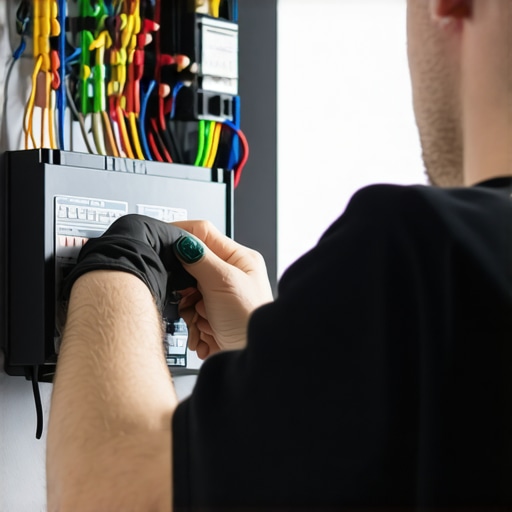
Keeping Your System in Top Shape with the Right Tools

Ensuring your EV charging setup remains safe and efficient over time requires more than just initial installation. The tools I rely on are tailored for precision and reliability. A high-quality digital multimeter is indispensable; I personally prefer the Fluke 115 because of its accuracy and durability, allowing me to verify voltage, continuity, and grounding connection swiftly. Additionally, a sophisticated clamp meter helps me monitor load currents during peak charging times, catching potential issues before they escalate. For detecting hidden wiring faults or insulation degradation, thermal imaging cameras like the FLIR E4 are invaluable—spotting hot spots that can indicate loose connections or overloaded circuits for troubleshooting insights.

Beyond hardware, software tools like digital load calculation spreadsheets help me track and plan for future upgrades, especially when scaling up or adding additional charging stations. These tools keep me aligned with current code requirements and assist in forecasting potential capacity issues, aligning perfectly with long-term maintenance goals.

How do I keep my EV charger running smoothly as years go by?

Regular inspections and proactive maintenance are key. I set reminders to check connections every six months, ensuring all wiring remains tight and corrosion-free. Additionally, I update my electrical system documentation and keep digital records of inspections, repairs, and upgrades, which simplifies troubleshooting and future modifications. For complex issues or upgrades, I always consult licensed professionals via their contact page—trusting expert advice helps prevent costly errors.

Predicting where this trend is heading, advancements in smart diagnostic tools will likely make maintenance even more accessible. Imagine remote monitoring systems that alert you to faults or wear before they become serious—making

Lessons from the Front Lines of EV Charging Safety

  • One of my biggest surprises was realizing how critical precise load calculations are; overlooking this can cause unexpected surges and safety hazards.
  • I underestimated how much the right professional guidance impacts long-term safety—DIY fixes might save money initially but can be costly later if not done correctly.
  • Negotiating with electricians who are unfamiliar with the latest 2026 code updates can lead to compliance issues—trusting specialists ensures peace of mind.
  • Documentation became my secret weapon; keeping detailed records of permits, inspections, and upgrades helped me troubleshoot and avoid legal complications.
  • Regular system checks and investing in quality diagnostic tools proved invaluable; preventive care saves headaches and money over time.

Tools and Resources That Transformed My Approach

  • Fluke 115 Multimeter: This reliable tool helped me verify voltage levels and grounding, ensuring everything was up to spec.
  • Thermal Imaging Camera (FLIR E4): Spotting hidden wiring issues kept my system safe and efficient.
  • Load Calculation Spreadsheets: These helped me plan for future expansions and stay aligned with energy codes.
  • Reputable Guides and Professional Advice: Resources like this guide and direct consultation with licensed electricians ensured my setup met all safety standards.

Charge Forward with Confidence

Upgrading your home for EV charging isn’t just about installing new hardware—it’s about embracing a proactive, informed mindset. Every step you take toward understanding the nuances of code compliance and system safety builds a foundation for reliable, safe, and long-lasting charging. If you’re ready to tackle your upgrade, remember that the right tools, knowledge, and professional support make all the difference. Your safety and peace of mind are worth the effort—don’t wait for a flicker or surge to remind you. What challenges have you faced with your EV installation, and how did you overcome them? Share your experiences below, and let’s learn together! 

Avoid the Fines: 5 Critical 2026 EV Code Compliance Rules

I remember the moment quite vividly. I was in a rush to upgrade my home’s electrical system for my new electric vehicle, excited to finally ditch gas and embrace cleaner driving. But amidst the buzz of planning my panel upgrade and installing a new charger, I overlooked one critical detail—compliance with the upcoming 2026 EV code regulations. A week later, I was slapped with a hefty fine, all because I didn’t heed the changing rules and overlooked essential safety standards. That lightbulb moment made me realize how many homeowners and DIY enthusiasts are unknowingly risking fines, safety hazards, and future headaches. The truth is, navigating the evolving landscape of EV charger regulations can be daunting—especially with reforms coming in just a few years.

What’s at stake if you ignore these new requirements?

We’re talking about more than just fines or paperwork. Improper installation or non-compliance can compromise your home’s safety, damage your new EV, and void warranty coverage. I’ve learned this the hard way—early mistakes cost me dearly. That’s why I decided to dive deep into the best practices for code compliance and how to ensure your setup is future-proof. Today, I’ll share practical steps and insider tips to help you avoid costly errors and stay on the right side of the law.

Why skipping compliance testing could haunt you later

It’s tempting to believe that a quick install will do. Maybe you’ve watched a few online tutorials or talked to a friend who played DIY electrician. But skipping proper inspection and testing could leave you vulnerable. The National Fire Protection Association reports that improper electrical work accounts for over 40% of home electrical fires. That’s a staggering statistic underscoring the importance of thorough, code-compliant installation. My early mistake was rushing without consultation, assuming that as long as the charger worked temporarily, I was safe. This oversight not only jeopardized my safety but also featured in the fines I later received. To avoid this, I recommend consulting professional resources and understanding local code requirements—like those detailed in expert troubleshooting guides. It’s all about safeguarding your investment and your family’s safety.

Now that I’ve laid out the risks and common pitfalls, let’s turn the page and explore the crucial rules you must master before the 2026 deadline. Staying compliant isn’t just about avoiding fines; it’s about ensuring your EV charger operates reliably and safely for years to come. Ready to get started? Let’s dive into the critical steps to navigate this complex terrain—without losing your mind (or your wallet). Check if you’ve faced similar challenges or uncertainties in your setup. If so, you’re not alone. Many homeowners find these new regulations overwhelming, but with the right guidance, you’ll be well on your way to a compliant, safe, and efficient charging station at home.

Assess Your Electrical Panel

Start by inspecting your home’s electrical panel, as it’s the backbone of your charging setup. I once skipped this step and underestimated the load capacity, leading to frequent breaker trips. To avoid this, turn off the main power, remove the panel cover carefully, and check for enough amperage capacity for your EV charger. Look for a dedicated circuit as recommended in panel upgrade guides. If your panel lacks the capacity, plan a panel upgrade — this step is critical for safety and compliance. Don’t rush this inspection; it sets the foundation for a compliant installation.

Upgrade the Panel if Needed

If you find your existing panel insufficient, upgrade it with a capable unit. I hired a licensed electrician to replace a outdated panel and ensure proper wiring. Think of it like upgrading the engine of a car before adding a turbocharger; the old engine won’t handle the new demand. Ensure the new panel supports the required amperage, has proper grounding, and includes AFCI and GFCI protections as per local codes. Remember, a professional installation not only ensures safety but also helps you meet code standards. This investment pays off by preventing future fines and safety violations.

Choose a Compliant EV Charger

Select a charger that adheres to the latest standards. I recommend models certified for 2026 compliance, which include smart features and safety mechanisms. Verify their certifications, and avoid cheap, unverified units. Installing a compliant charger is like choosing a high-quality safety harness—your safeguard against accidents. Cross-reference your model with local regulation checklists available at your local code requirements. This ensures you’re on the right side of the law and protecting your investment.

Proper Wiring and Connection

Wiring is the nerve system of your charging station. I once attempted a DIY wiring job based on a tutorial but overlooked the importance of wire gauge and proper connectors. The result was unreliable charging and potential safety hazards. Always use the correct wire gauge—usually 6 AWG for dedicated circuits over 50 amps—and quality connectors. Follow wiring diagrams meticulously, matching colors and ensuring tight connections. Use tools like a multimeter to check continuity and proper voltage levels before powering up the system. For complex setups, consulting expert troubleshooting guides can save you from costly errors and fire risks.

Conduct Final Inspection and Testing

Before plugging in your EV, perform a thorough inspection and testing. This includes checking all connections, verifying ground and bond integrity, and ensuring circuit breakers trip correctly. I once missed testing the GFCI functionality, which could have led to electric shock hazards. Use a tester to simulate fault conditions; ensure breakers respond appropriately. Engage a licensed electrician to perform an inspection, especially if you’re unfamiliar with electrical standards. Confirm your installation aligns with code compliance checklists. Proper testing in the final step guarantees your setup is safe, reliable, and legally compliant for the 2026 regulations—avoiding future penalties and hazards.

Why the Most Common Troubleshooting Advice Often Misses the Mark

Many homeowners rely heavily on online tutorials or quick fixes suggested by peers, believing that basic resets or simple inspections are enough. However, this approach often overlooks the complexities involved in diagnosing electrical issues. For instance, a common myth is that unplugging and replugging the charger solves connectivity problems, but the real culprit could be wiring faults, grounding issues, or outdated panels. Rushing through these steps may mask underlying safety hazards or code violations, which could later lead to dangerous failures or legal complications. As an expert, I advise conducting comprehensive diagnostics and consulting trusted resources like specialized troubleshooting guides to identify root causes effectively.

How do I keep my EV charging setup functioning smoothly over time?

Maintaining your electric vehicle charging station isn’t a set-it-and-forget-it task. It requires specific tools and periodic checks to ensure safety, efficiency, and compliance with evolving standards. One tool I rely on heavily is a high-quality multimeter, like the Fluke 117. This device allows precise voltage and continuity testing, confirming that all connections are secure and functioning correctly. I use it regularly to verify circuit integrity after any maintenance or upgrades, which helps prevent unexpected failures and safety hazards. Additionally, an infrared thermometer can be invaluable for detecting hot spots in wiring or connections, indicating potential issues before they escalate. Having a dedicated circuit tester for GFCI and AFCI outlets ensures your safety devices are operational, providing peace of mind during daily use. For software, I recommend installing a smart monitoring app compatible with your EV charger. These apps enable remote diagnostics, alerting you to faults or performance drops, so you can address problems proactively. As the industry moves towards smarter, more integrated systems, embracing these tools will become even more critical. Looking ahead, I predict that future EV charging maintenance will increasingly involve AI-driven diagnostics and automated safety checks, further simplifying long-term management. To maximize the longevity of your setup, schedule routine inspections—at least biannually—and keep detailed logs of performance and any repairs. Addressing issues promptly with the right equipment can save you from costly repairs or safety violations down the line. Want to take your maintenance game to the next level? Try integrating a professional-grade circuit tester into your routine. It’s a small investment that offers big peace of mind, ensuring your installation remains compliant, safe, and reliable for years to come. Remember, the key to sustainable EV charging isn’t just about initial installation but ongoing care—tools are your best allies in this journey.

Over the years, I’ve learned that the real challenge isn’t just installing an EV charger but ensuring that every step aligns with evolving safety standards and regulations. My biggest breakthrough came when I realized that meticulous inspection and proactive planning can prevent future headaches and safety hazards. For instance, investing extra time into a comprehensive panel assessment saved me from costly upgrades later. It’s not just about following rules—it’s about creating a setup that stands the test of time, offering peace of mind and smooth operation. Remember, embracing the latest tools and staying informed about regulations like the 2026 EV code reforms can make all the difference. Your journey toward a safer, compliant, and efficient home charging station starts with small, intentional steps—trust me, the payoff is well worth it.

Secrets I Wish I Discovered Sooner About Troubleshooting and Compliance

  • The importance of thorough early inspections: Skipping this is like building on shaky ground. Ensuring your electrical panel can handle the load is foundational—don’t overlook it.
  • Understanding local regulations deeply: Relying solely on tutorials can lead to gaps. Dive into resources like expert troubleshooting guides to stay ahead.
  • Testing before powering up: Conducting final inspections with diagnostic tools has saved me from future failures—and potentially dangerous situations.
  • Planning for future upgrades: Considering your home’s long-term needs ensures compliance and safety down the line—don’t settle for the quick fix.

Tools and Resources That Changed My Approach to EV Charging Safety

  • High-quality multimeter: A reliable multimeter like the Fluke 117 is indispensable for verifying wiring integrity and voltage levels, helping catch issues early.
  • Smart monitoring apps: These allow remote diagnostics and real-time alerts, simplifying ongoing maintenance—embrace technology to stay proactive.
  • Official code compliance checklists: Resources at your local code requirements are vital for ensuring your setup ticks all boxes.
  • Guides and expert blogs: Regularly consulting trusted sources, like specialized troubleshooting guides, keeps me updated on best practices.

Empower Your Home: Take Charge of Your EV Charger Journey

Stepping into the world of EV charging can feel overwhelming at first, but with the right mindset and tools, you’re fully capable of creating a safe, compliant system. Remember, every expert was once a beginner who decided to learn and adapt. Your proactive efforts today will pave the way for reliable, future-proof charging at home. Embrace continuous learning, leverage the resources available, and don’t hesitate to seek professional advice when needed. The future of EV charging is bright—your role in ensuring safety and compliance is crucial. Now, are you ready to take the next step confidently? Share your experiences or questions below, and let’s navigate this journey together.

Best Code Compliance Tips for Safe EV Charger Installation

I remember the moment vividly—a neighbor asked me why his newly installed EV charger kept tripping the breaker every few days. It was frustrating, costly, and honestly, a bit embarrassing to admit that I, too, had made a mistake early on. That lightbulb moment made me realize how critical proper code compliance and safe installation practices are—but also how easy it is to overlook these details when you’re eager to get your charger up and running. Since then, I’ve learned that the key isn’t just about installing an EV charger; it’s about doing it right, safely, and in full compliance with electrical codes. Over the years, I’ve found that many homeowners stumble because of common pitfalls—missed inspections, improper panel upgrades, or neglecting the importance of thorough verification. Today, I want to help you avoid those mistakes and ensure your EV charging setup is both reliable and safe, saving you money and potential headaches.

Why Following the Right Installation Rules Can Save You From Big Problems

The foundational step toward a safe EV charging experience is understanding and implementing proper code compliance. Improper installation not only poses safety risks but can also lead to costly fines and insurance issues. According to the National Fire Protection Association, electrical failures are a leading cause of home fires, many linked to improper wiring and inadequate upgrades—issues often ignored during DIY installs. The good news? Many of these problems are preventable if you follow the right guidelines and consult professionals when needed. For example, upgrading your electrical panel is a crucial step that many skip, but it’s vital for handling the increased load from EV chargers. You can learn more about panel upgrade essentials to ensure your system can handle your charger safely and efficiently.

Is Your Confidence in DIY Installation Justified?

Honestly, I’ve been there. I once thought I could save some money by skipping a professional inspection, only to discover later that my wiring wasn’t up to code. It was a costly mistake that could’ve been avoided. The truth is, while some minor electrical tasks seem manageable, EV charger installation involves complex and strict adherence to local electrical codes. My advice? Always verify compliance using trusted resources—like these expert verification tips—and don’t hesitate to bring in a licensed electrician for the heavy lifting. Without proper oversight, you risk not just inefficiency but serious safety hazards that could jeopardize your home and loved ones.

If you’re wondering whether to proceed on your own or seek professional help, ask yourself: Have I thoroughly checked my current electrical panel’s capacity? Do I understand the local code requirements for EV charger installations? These are crucial questions that can save you from future trouble. In the next sections, I’ll guide you through the essential steps and checks that will ensure your installation is both compliant and safe. But first, let’s tackle the biggest doubts many homeowners share—starting with the importance of proper panel upgrades.

Preparing Your Electrical Panel for EV Charging

First, assess your current electrical system—think of your panel as the heart of your home’s power flow. To handle an EV charger safely, it must have adequate capacity. I once tried to install a 240V charger with an outdated panel; service trips and flickering lights soon reminded me I needed an upgrade. To avoid this mess, verify your panel’s capacity by removing the cover and checking the main breaker rating—ideally, it should be at least 200 amps for a typical EV setup. If not, upgrading your panel is critical. You can explore comprehensive panel upgrade essentials to ensure your system can support the added load efficiently. Remember, a proper upgrade distributes power safely, preventing overloads and fire hazards.

Choosing the Right Panel Upgrade

Opt for panels that support dedicated circuits for EV chargers, which prevents overloads and future-proofs your home. I recommend a panel with ample slots and a high enough main breaker to handle additional loads. When I upgraded mine, working with a professional electrician made a huge difference—they ensured the new panel complied fully with local codes. For guidance, look into expert panel upgrade procedures. This way, you’ll avoid pitfalls like undersized breakers and improper wiring, which can lead to safety issues. Always verify your installation’s compliance to avoid potential fines or insurance problems, something I learned from experience.

Verifying Code Compliance Before You Power Up

Skipping this step can lead to dangerous situations or costly inspections later. Think of code compliance verification as a quality check—like a mechanic inspecting a car before a long trip. I once thought I understood the codes but missed a crucial grounding requirement. When I called in a licensed inspector, they pointed out the omission, saving me from potential fire risks. To do your own verification, start by reviewing local electrical codes and the manufacturer’s installation instructions. Use trusted resources like these verification tips. Confirm that all wiring, circuit breakers, and outlets meet national standards. When unsure, consulting a professional ensures your setup is fully compliant—saving you from future headaches. Better safe than sorry, especially with something as critical as high-voltage home charging.

Executing Your Installation with Precision

Stop rushing—it’s tempting to cut corners, but every step must be deliberate. Imagine the process as assembling a puzzle; each piece, like wiring connections and grounding, must fit perfectly. I once attempted my own installation and fumbled the grounding wire connection, causing intermittent power issues. It was a learning moment: double-check all connections, tighten terminals properly, and use a multimeter to verify voltage levels. When installing, ensure the cable runs are neat, protected from damage, and UL-rated components are used. If you decide to tackle this yourself, follow the detailed guides on installation best practices. For more complex setups, hiring a licensed electrician isn’t just preferable—it’s essential to ensure safety and full compliance.

Testing and Troubleshooting post-Installation

Once everything’s connected, turn on the power and run initial tests. Use a voltmeter to confirm proper voltage and inspect all connections for signs of loose wires or overheating. I once overlooked a loose terminal, which caused my charger to trip circuit breakers during initial use. An immediate fix was tightening the terminal and re-testing. For ongoing troubleshooting, familiarize yourself with common issues like connectivity errors or power surges—these are often fixable by checking circuit integrity or updating firmware. When problems persist, consult trusted resources like these troubleshooting guides. Regular testing ensures your setup remains safe and efficient, giving peace of mind as you power your electric vehicle. Remember, safety checks aren’t one-time; routine inspections are part of responsible home charging management.Many homeowners believe that choosing a high-capacity charger alone guarantees faster charging and safety, but in my experience, this is a misconception. The real nuance lies in proper panel upgrade and adherence to code compliance; without these, a powerful charger can become a safety hazard rather than a convenience. A frequent trap is oversizing the electrical panel without considering its capacity to handle additional loads, which can lead to overloads and fire risks. Ensuring your panel can truly support your EV charger requires more than just a quick upgrade—it demands verified compliance and thoughtful wiring. For advanced homeowners, a common question arises: How do subtle wiring oversights impact long-term safety and performance? Studies from the National Fire Protection Association highlight that improper wiring and neglected code updates significantly contribute to residential fires involving EV chargers. Therefore, understanding these hidden nuances can save you from costly mistakes and safety incidents. A key step is verifying that all installation components meet the latest standards—visit this guide for expert tips on ensuring full compliance. Remember, rushing these critical steps might seem convenient upfront but can lead to serious consequences later. Always opt for professional inspection and verification, especially when dealing with high-voltage equipment. Have you ever fallen into this trap? Let me know in the comments.
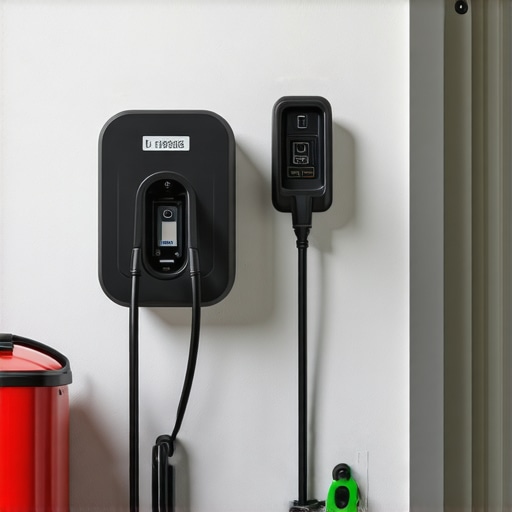
Maintaining your electric vehicle charging system isn’t a set-it-and-forget-it task; it requires the right tools and regular attention to ensure safety, efficiency, and longevity. One of my personal go-to tools is a high-quality digital multimeter. I use the Fluke 117 because of its accuracy and durability—it’s essential for verifying voltage levels, checking wiring integrity, and ensuring connections remain tight. Regular testing with a multimeter helps catch issues early before they escalate into safety hazards or expensive repairs. Additionally, I recommend investing in a Circuit Breaker Finder to identify and confirm the circuits powering your EV charger, especially if you have a complex electrical panel. This saves time during troubleshooting and ensures you’re not working on live or incorrect circuits, reducing risks of electric shock or damage.

Another indispensable piece of equipment is a reputable torque wrench. Proper connection tightening is crucial, particularly with grounding and main conductors, to prevent loose connections that could cause overheating or arcing. I personally rely on a ratcheting torque wrench with a preset torque limit, which guarantees each connection is tightened just enough—the National Electrical Code recommends specific torque levels to ensure safety and code compliance. To keep your system performing optimally, periodic inspections are vital. I schedule quarterly visual checks for any signs of wear, corrosion, or loose fittings, focusing on wiring, connectors, and panels.

Beyond hardware, software tools have become invaluable. I utilize the EV ChargePoint Mobile App, not only for monitoring real-time charging status but also for detecting connectivity issues early. These apps can send alerts if your charger experiences interruptions or faults, allowing proactive troubleshooting. For firmware updates—crucial for security patches and performance improvements—I connect the charger to a reliable Wi-Fi network and regularly check for updates through the manufacturer’s portal.

Looking ahead, I predict that the future of EV home systems will integrate smart diagnostics, allowing automated alerts for maintenance needs, and even predictive analytics that tell you when components might fail based on usage patterns. This will shift maintenance from reactive to proactive, saving homeowners time and money.

How do I maintain my EV charging system over time?

The key is consistent vigilance combined with the right tools. Regular testing with a multimeter, ensuring all connections are tight with a torque wrench, and monitoring via smart app alerts help keep your setup in top shape. Additionally, scheduling routine professional inspections—at least once a year—can catch subtle issues invisible to untrained eyes, especially in complex panels or older wiring. For example, inspecting panel connections for signs of corrosion or overheating can prevent fire hazards and ensure your system remains code-compliant. Remember, a well-maintained system not only extends the lifespan of your equipment but also safeguards your home and loved ones—investing in proper maintenance tools and practices pays dividends long-term. For detailed guidance on maintaining your panel upgrades and verifying ongoing compliance, check out these expert resources.

If you haven’t already, try tightening your panel connections with a torque wrench following the manufacturer’s specifications. It sounds simple, but it’s often overlooked and can significantly improve safety. Regularly use your multimeter to verify voltage and identify anomalies early. Having reliable monitoring through your app can alert you to issues before they become costly repairs. Consistent maintenance using these specific tools can save you time, money, and stress—making your EV charging experience smooth and worry-free for years to come.

Technician testing electrical connections in a panel for EV charger maintenance

Secrets I Wish I Had Known Earlier About EV Charging Safety

  • The biggest mistake I made was rushing the panel upgrade without proper verification, which nearly caused costly trips and safety risks. Always prioritize thorough inspection and verification.
  • I underestimated the importance of adhering strictly to local electrical codes during installation. Now I realize that compliance isn’t just about avoiding fines—it’s about protecting your home and loved ones.
  • Choosing the right tools, like a torque wrench and multimeter, transformed my troubleshooting approach. Investing in quality tools makes a huge difference in safety and reliability.
  • Never skip the professional verification step—it’s tempting to DIY, but expert inspection saves you from unseen hazards and future headaches. Trusting seasoned electricians was the best decision I made for peace of mind.
  • Understanding subtle wiring nuances and code updates helped me prevent issues before they arose, rather than fix problems after they caused disruptions.

My Top Resources for Safe and Compliant EV Charger Installation

  • Ensure Your System’s Safety: I recommend reviewing panel upgrade essentials and code compliance tips. These guides helped me understand the finer details of electrical safety and compliance, preventing costly errors.
  • Tools for Peace of Mind: My toolkit includes a trusted multimeter and torque wrench, which I use regularly for inspections and tightening connections. Reliable tools are your best allies in maintaining safe charging.
  • Stay Informed: Following industry updates and expert advice from troubleshooting guides keeps me ahead of potential issues, ensuring consistent and safe operation.
  • Professional Support: Resources like expert panel upgrade services have been invaluable in making sure my installation meets all safety standards and code requirements.

Now It’s Your Moment to Spark Change

Properly installing and maintaining your EV charger isn’t just a technical task—it’s a commitment to safety and peace of mind. Remember, taking the time to verify every step and investing in quality tools and expertise will pay off in the long run. Your home’s safety depends on it, and you’re capable of mastering these critical steps.

Have you ever faced a challenge during your EV charger setup or troubleshooting? Share your experience below—I’d love to hear how you navigated it!

,