The smell of ozone and toasted insulation is something you never forget. I learned that the hard way. A few years back, I pulled my brand-new electric car into the driveway of my 1920s craftsman, plugged it in, and felt like a pioneer of the future. But about three hours later, the lights in the hallway started to flicker with an eerie, rhythmic pulse. When I went into the attic, the air was shimmering with heat. My house was literally straining under the weight of a technology it was never designed to hold. That lightbulb moment wasn’t a flash of genius; it was a realization that my beautiful old home was being asked to do the impossible.
Your Antique Wiring Wasn’t Built for This Future
I get it. You love your home’s character, but those white ceramic knobs and cotton-sheathed wires were installed when the height of technology was a toaster and a few lightbulbs. Knob and tube wiring is what we call an open-air system. It relies on the space between the joists to dissipate heat. In the modern world, we’ve packed our walls with fiberglass insulation, which is essentially like wrapping an old radiator in a thick wool blanket. When you try to push the massive, continuous current required for an EV through these thin, aging copper strands, the heat has nowhere to go. According to the National Fire Protection Association (NFPA), electrical failure or malfunction is a leading factor in home fires, and old, degraded insulation is often the primary culprit. This isn’t just about code; it’s about making sure you have a roof over your head tomorrow morning.
Early on, I made the mistake of thinking I could just find a stronger outlet. I spent a weekend DIY-ing a heavy-duty receptacle, thinking that was the bottleneck. I was dead wrong. The problem wasn’t the outlet; it was the fifty feet of brittle wire behind the wall that was slowly baking. If you’re serious about your vehicle’s health and your home’s safety, you have to look at the bigger picture, which usually starts with upgrading your panel for better EV charging performance. You simply cannot bridge a hundred-year gap in technology with a new wall plug. Have you ever noticed your lights dimming or heard a faint buzzing when you plug in your car?
Can I just use a lower-amp charger and be safe?
This is the question I get from neighbors all the time. They think that by using the slow charger that came with the car, they are dodging the bullet. While it’s true that a lower draw creates less heat, knob and tube wiring is often missing a crucial safety feature: the ground wire. Without a dedicated ground, you are missing the primary path for electricity to escape if something goes wrong. Beyond just the safety risks, you also have to consider the difference between copper and aluminum wiring for high-load circuits, as many old homes have had patchwork repairs over the decades that make the system even more unstable. You might also be ignoring the hidden danger of loose neutral wires in your electrical panel, which can cause voltage spikes that fry your car’s sensitive onboard computer. We need to look at how to modernize this setup before a small problem becomes a total loss.
Stop Guessing and Calculate Your Total Power Capacity
Before you even buy a charger, you need to know if your ‘electrical bucket’ is big enough. Think of your home’s electrical service as a main water line. If you’re already using 90% of the water to run the showers and the sprinklers, trying to fill a swimming pool at the same time is going to result in a trickle—or a burst pipe. You need to how to calculate if your 100-amp service can handle a daily commute before moving forward. Most vintage homes have 60-amp or 100-amp service, which is often maxed out by modern appliances like air conditioners and electric dryers. If you find your panel is at its limit, don’t panic; you can often learn how to load balance your home electrical system without a full panel swap by using smart energy managers that throttle the car’s power when the oven is on.
Don’t Settle for Thin Wires That Choke Your Charge
One of the biggest mistakes I see in DIY installs is reusing old wiring or choosing a gauge that’s just ‘good enough.’ In the world of high-voltage charging, ‘good enough’ is a fire hazard. Electricity generates heat as it moves through a conductor; the thinner the wire, the higher the resistance, and the more heat it generates. I once helped a friend troubleshoot a system where the car kept stopping the charge mid-way. We discovered he was using 10-gauge wire for a 40-amp load—a classic example of the common wire sizing error that causes voltage drops during charging. To do it right, you must ensure you have the exact gauge of wire you need for a 60-amp circuit, which is typically 6 AWG copper. 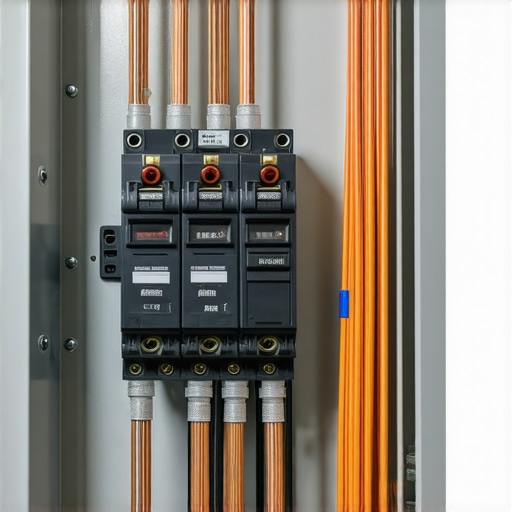
The Grounding Gap and How to Close It
As I mentioned earlier, those old knob-and-tube systems are ‘ungrounded.’ In a modern EV setup, the ground wire is your safety net—it’s the emergency exit for electricity. If there’s a short circuit in your charger and you don’t have a ground, you or your car’s chassis become the path to the earth. To fix this, you must run a new, dedicated three-wire branch circuit from your panel to the garage. While you’re at it, pay close attention to the specific torque settings that prevent panel fires during high load charging. If the lugs holding your wires aren’t tightened to the exact inch-pound specification required by the manufacturer, the connection will vibrate and arc under the heavy, hours-long draw of an EV.
Master the Art of the Dedicated Breaker
I’ll never forget the night I tried to ‘squeeze’ a charge session into my old 60-amp panel before I upgraded. I had the AC running, the dishwasher was humming, and the moment I clicked that charger into the port—total darkness. I didn’t just trip a small breaker; I nearly welded the contacts on my main disconnect because it was running so hot. I learned quickly that you should look for 3-signs-your-main-breaker-is-running-dangerously-hot-during-overnight-charging, such as a humming sound or a faint smell of plastic. This is why ensuring code compliance when installing ev chargers is non-negotiable. You need a dedicated circuit breaker that is rated for 125% of the charger’s continuous load to prevent ‘nuisance tripping’ and ensure you can how to pass your electrical inspection on the first visit without being sent back to the drawing board.
Why Meeting the Electrical Code Isn’t Enough for Peace of Mind
Most homeowners believe that once an inspector signs off on the permit, the job is perfect. I’m going to challenge that: the National Electrical Code (NEC) is a minimum safety standard, not a performance gold standard. It is designed to keep your house from burning down, not necessarily to ensure your equipment lasts for twenty years. For instance, while you might technically meet the requirements for code-compliance essentials for EV charger installations in 2025, a ‘passed’ inspection won’t tell you if your charger is struggling with a weak WiFi signal or if your specific breaker brand is prone to nuisance tripping. I’ve seen countless ‘code-compliant’ installs where the owner was still plagued by troubleshooting EV charger connectivity problems because the installer ignored the nuance of signal interference in a metal-clad garage.
The Connectivity Trap That Costs Homeowners Thousands
Here is the ‘oops’ factor I see most often: people mistake a software glitch for a hardware failure. I recently met a homeowner who was about to spend $3,000 on panel upgrades for EV chargers because his car kept stopping the charge. He thought the panel was overloaded. In reality, his smart charger was simply losing its handshake with the car due to a dirty connector. Before you gut your electrical room, you should learn how to clean the pins on your charging handle safely. A bit of oxidation can mimic a major electrical fault, leading to a massive waste of money on unnecessary upgrades. This is why EV charger troubleshooting expert tips for common issues are your first line of defense against predatory repair quotes.
Should you hardwire your charger or use a high-quality plug?
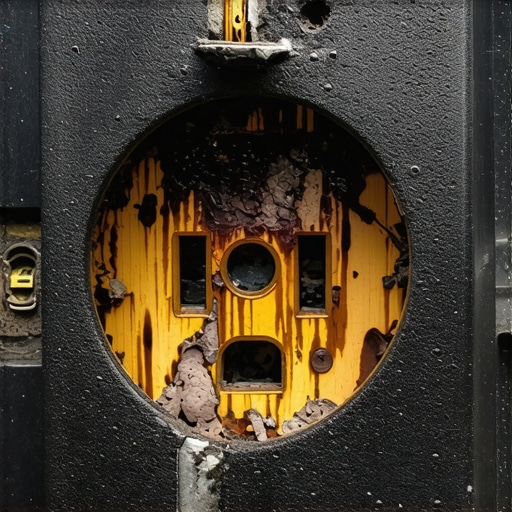
This is where the real pros diverge from the weekend warriors. Everyone says a NEMA 14-50 plug is better because it’s ‘versatile,’ but in my experience, hardwiring is the superior choice for high-load, continuous duty. The Electrical Safety Foundation International (ESFI) notes that continuous loads—defined as anything running for three hours or more—create sustained thermal stress that can cause plug-in receptacles to degrade over time. If you do go the plug-in route, you must be aware of troubleshooting EV chargers common compliance pitfalls and fixes, specifically regarding the quality of the outlet itself. Cheap, builder-grade outlets aren’t meant for the 40-amp ‘marathon’ an EV demands. Beyond the physical connection, you also have to navigate panel upgrade strategies to meet EV charging code requirements in 2025, which now include stricter rules for GFCI protection on certain circuits. Have you ever fallen into the trap of buying a cheap outlet only to find it melted after a month? Let me know in the comments below.
Don’t Ignore the Final Paperwork
Finally, the most overlooked ‘advanced’ step is the documentation. Even if you follow every rule, failing to document the install can void your car’s warranty or lead to insurance headaches later. Make sure you know how to verify code compliance for your EV charger installation by keeping a copy of the signed permit and the specific torque values used during the install. If you’re still feeling unsure about your setup, you can always contact us for a professional review of your system’s health.
Stop ignoring the physical health of your charger
I learned quickly that the job isn’t over just because the inspector left. You might think the hardware is indestructible, but environmental factors are the silent killers of home charging systems. Over time, dust, moisture, and even tiny spiders can find their way into your charging port or the handle itself. If you’ve ever struggled with the plug, you should learn how to stop your charger handle from sticking in the port before you accidentally snap a pin. I make it a habit to check the physical connectors every few months. This isn’t just about smooth operation; it’s about preventing arc faults. Small bits of debris can cause high resistance, which leads to localized heat. That’s why knowing how to clean the pins on your charging handle safely is a skill every EV owner needs in their toolkit.
Grab an infrared thermometer and save your panel
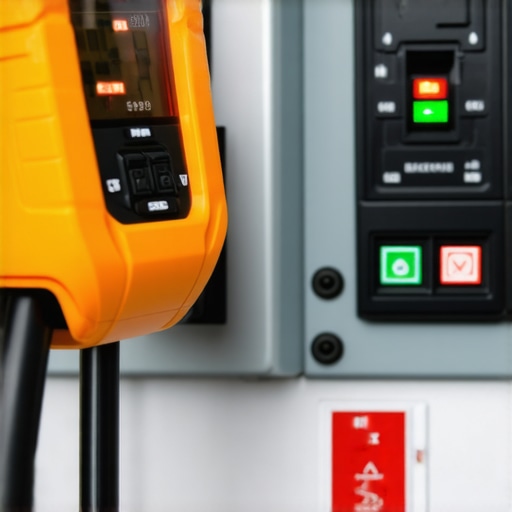
If you want to feel like a real pro, spend twenty dollars on an inexpensive infrared thermometer gun. Once a month, while your car is in the middle of a heavy charge session, open your electrical panel and scan the breakers. You are looking for ‘hot spots.’ If one breaker is significantly hotter than the others, you are catching a disaster before it happens. This is the most effective way to how to spot a dying breaker before it shuts down your charging session. I’ve saved at least two friends from potential house fires just by noticing a breaker that was running twenty degrees hotter than its neighbor. If you see something concerning, don’t wait; that is the moment to contact us for a professional evaluation. Heat is the ultimate snitch in the world of electricity, telling you exactly where the system is failing under the load.
Your house is about to become a power plant
The trend I’m seeing is a shift toward bi-directional charging, or ‘Vehicle-to-Home’ (V2H) technology. In the next five years, your car won’t just take power from the grid; it will run your refrigerator and lights during a blackout. This makes upgrading your panel for better EV charging performance even more critical because the flow of electricity will become a two-way street, putting twice the stress on your home’s infrastructure. We are moving away from simple chargers toward integrated home energy management systems. Preparing for this future means ensuring your current wiring is robust and your grounding is perfect. According to the SAE International J1772 standard, the durability of the coupler is rated for thousands of cycles, but that rating assumes the environment is kept clean and the electrical supply is stable.
How do I keep my charging setup safe for the next decade?
Maintenance doesn’t have to be a full-time job. Beyond checking for heat, you need to be mindful of seasonal changes, especially if your unit is outside. Following 3 maintenance tasks that keep your outdoor charger running through winter—like checking the seal on the conduit and ensuring the cable hasn’t become brittle—will double the lifespan of your equipment. If you encounter weird errors, go back to the basics and use EV charger troubleshooting expert tips for common issues to rule out software glitches before assuming you have a hardware failure. My best advice? Go grab a can of electrical contact cleaner today and give those handle pins a quick spritz—it is the easiest ten-minute fix you will ever do to ensure a reliable charge every single morning.
The expensive lessons I learned while chasing the perfect charge
I didn’t start as an expert; I started as a guy with a melted outlet and a lot of questions. Looking back, the most important realization I had was that an EV isn’t just another appliance—it is a massive infrastructure shift for a residential building. If you are tempted to skip the permits, remember that the most common DIY mistakes in home charger installations often stem from underestimating the sheer thermal stress of an 8-hour charging cycle. I also learned to trust my ears; if you ever wonder why your main breaker hums when the EV is plugged in, don’t ignore it. That sound is the physical vibration of a component reaching its limit. My biggest ‘lightbulb moment’ was realizing that code compliance isn’t a hurdle to clear; it’s a blueprint for sleeping through the night without worrying about your attic wires.
The few items I keep in my glovebox for maintenance
To keep my system running at peak efficiency, I rely on a small but mighty toolkit that goes beyond the charger itself. First, I always have a can of high-quality electrical contact cleaner; it’s the secret to how to clean the pins on your charging handle safely and avoiding those annoying ‘handshake’ errors between the car and the unit. Second, I keep a digital copy of my installation permit on my phone—you’ll want this if you ever need to how to verify your electrician actually used copper wire for the install during a home sale or insurance audit. Finally, I highly recommend using a dedicated energy management tool or learning how to use an app to schedule charging and save on your bill. These tools do more than save money; they reduce the simultaneous load on your panel, extending the life of your breakers by years.
Take the leap toward a future-proof garage
Modernizing your electrical system might feel like a daunting project, but it is the single best investment you can make for both your vehicle’s health and your property value. You are essentially turning a 20th-century home into a 21st-century power hub. Once you have addressed the panel upgrade strategies to meet EV charging code requirements in 2025, the anxiety of ‘will it trip?’ disappears, replaced by the simple convenience of waking up to a full battery every single day. Don’t let old wiring hold back your transition to clean energy. If you hit a wall or see something in your panel that looks suspicious, you can always contact us for a professional safety check. Have you ever run into a weird charging error that felt like a ghost in the machine? Let me know in the comments below!